







|
Product Details:
|
|
| Place of Origin: | Made in China |
|---|---|
| Brand Name: | Btutest |
| Certification: | SGS, INTERTEK |
| Model Number: | BTU-DDS-10 (British) BTU-DDS-5 (American) BTU-DDS-5F BTU-DDS-10F |
|
Payment & Shipping Terms:
|
|
| Minimum Order Quantity: | 1 |
| Price: | Negotiable |
| Packaging Details: | Standard export wooden box Soil Testing Equipment |
| Delivery Time: | 5-8 work days |
| Payment Terms: | L/C, D/A, D/P, T/T, Western Union |
| Supply Ability: | 3000 sets per month |
|
Detail Information |
|||
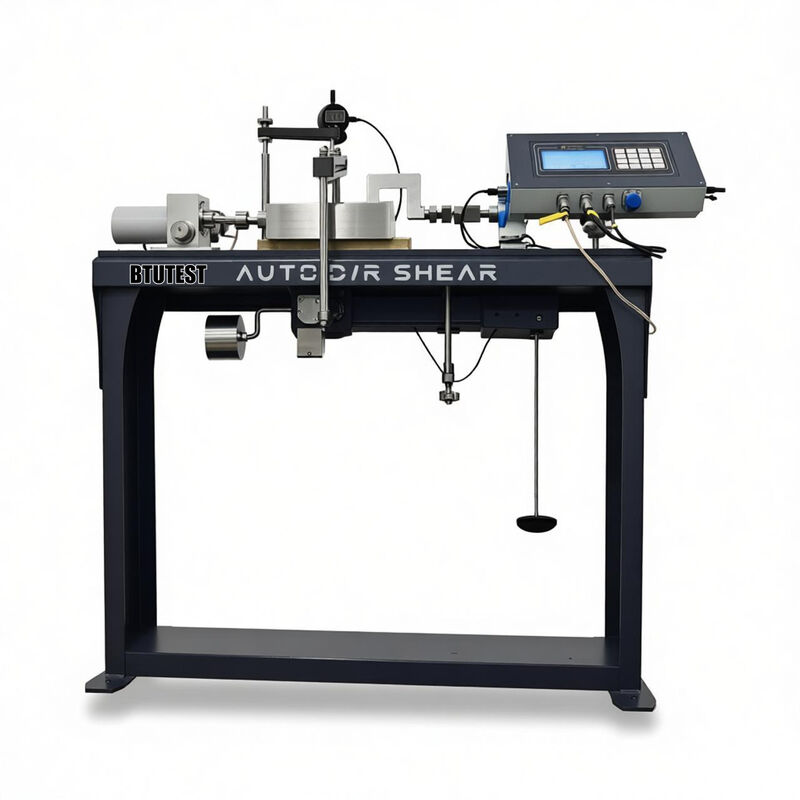
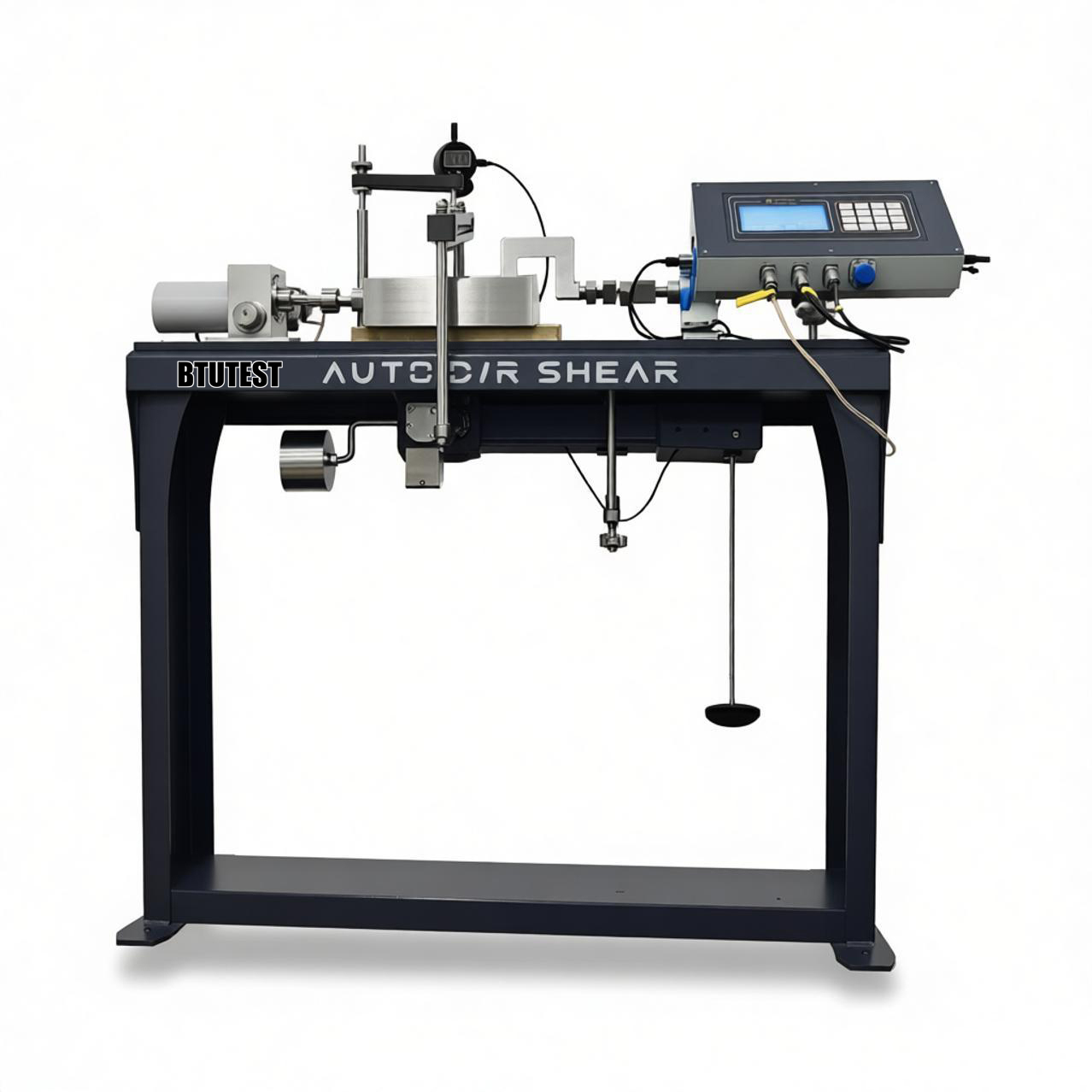
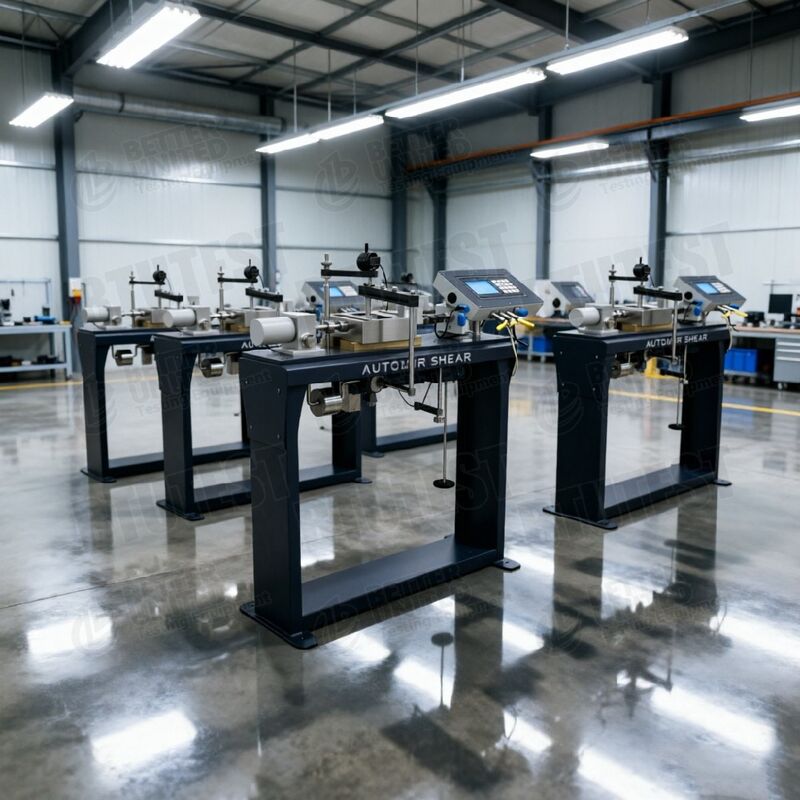
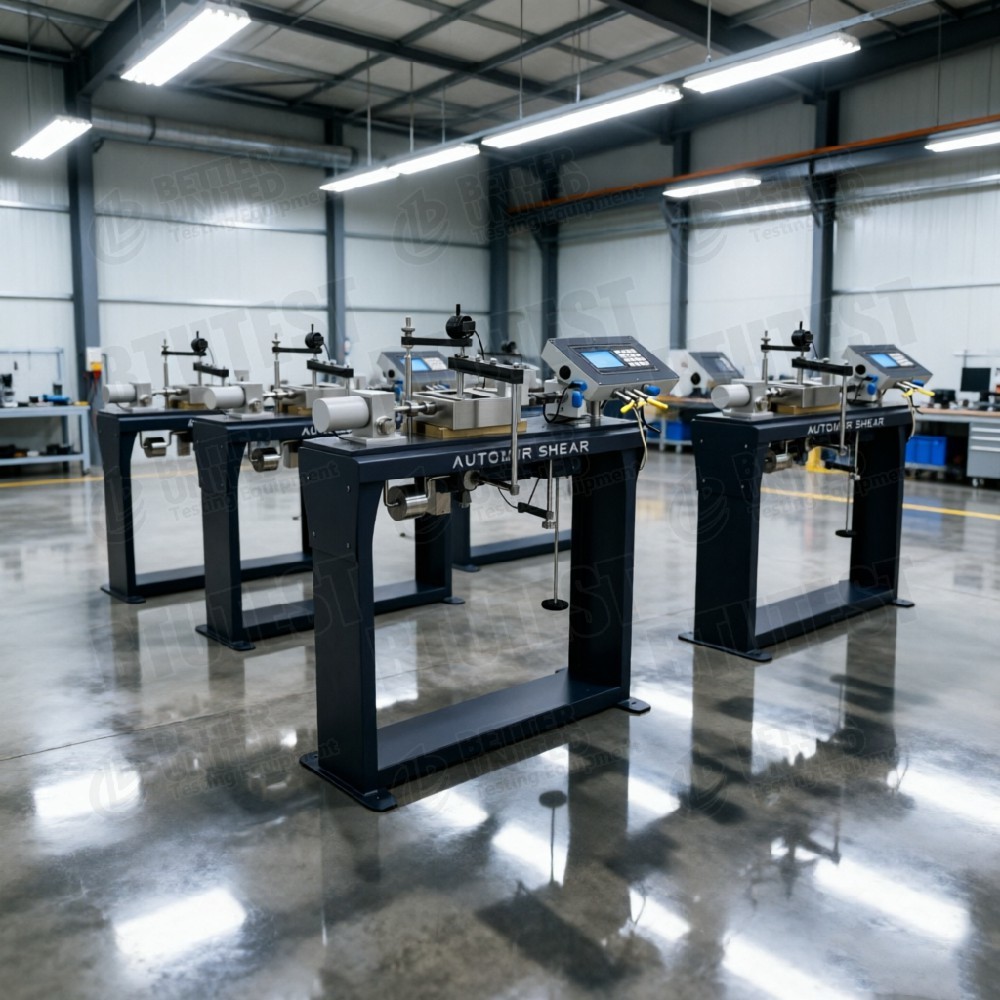
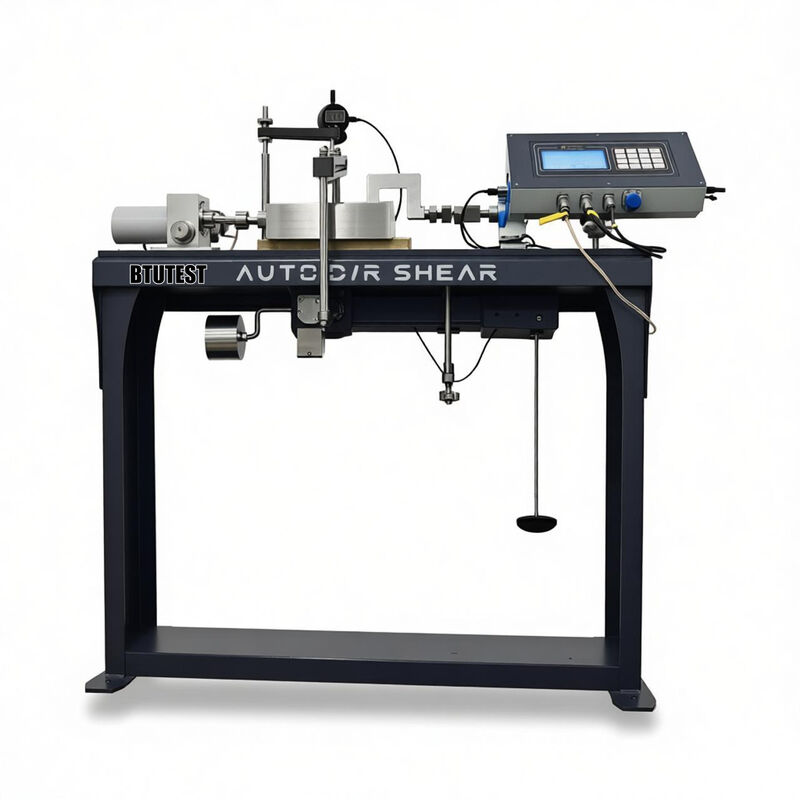
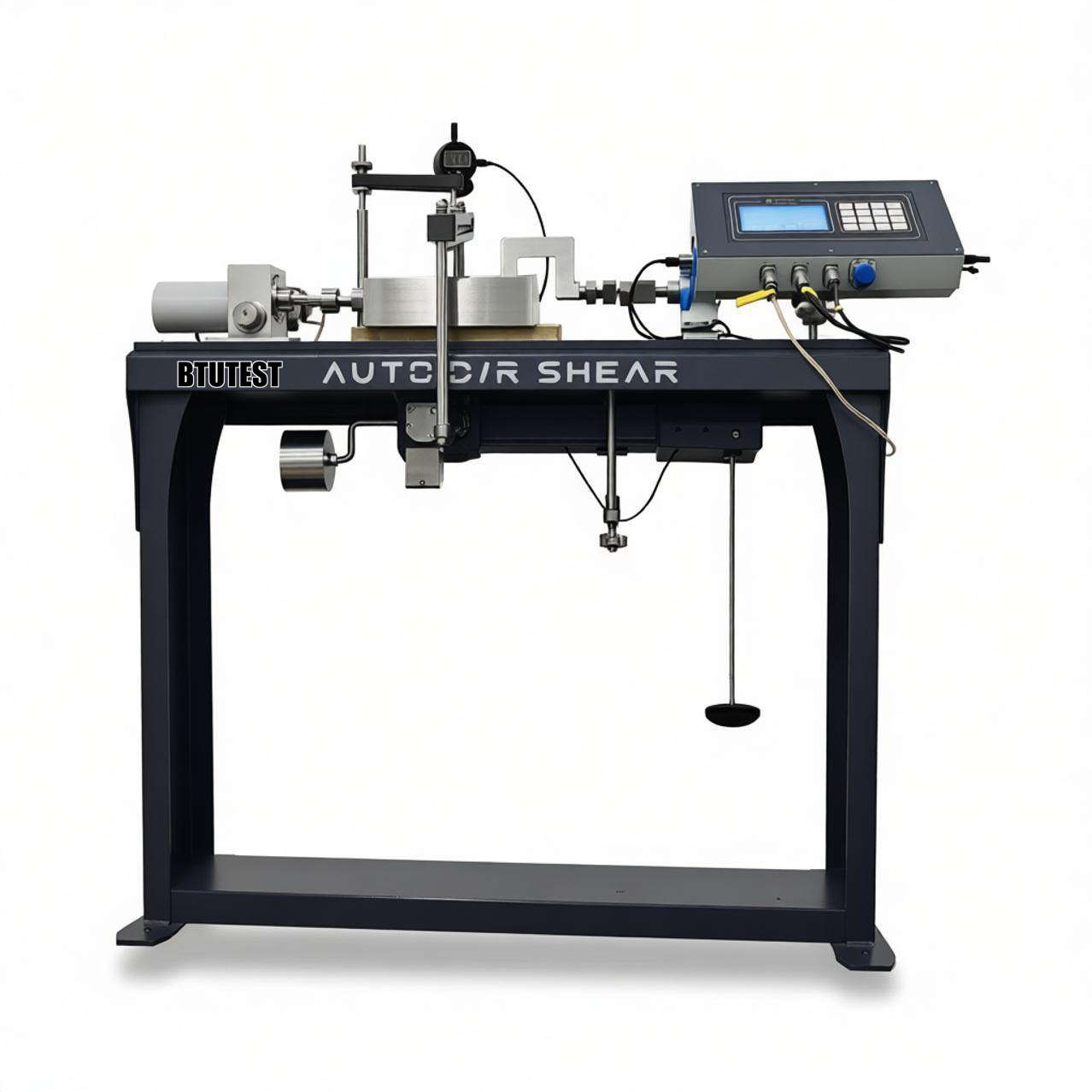
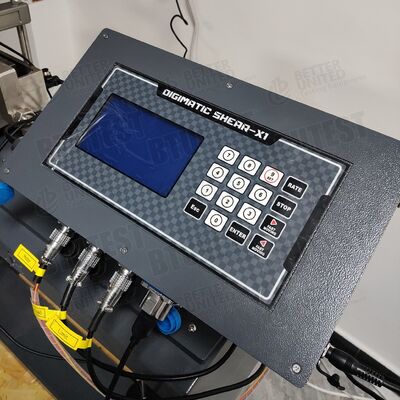
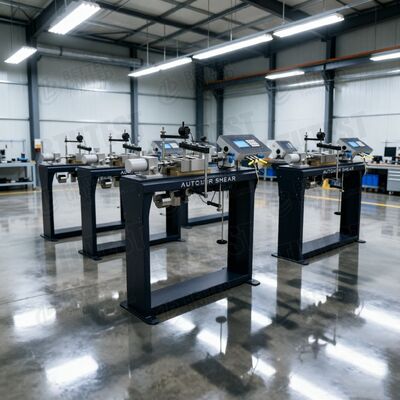
| Product Name: | Automatic Residual Direct Shear Apparatus | Model: | DDS 10 DDS 5 DDS 5F DDS 10F |
|---|---|---|---|
| Shear Rate (mm/min): | 0.00001 To 9.99999, Stepless | Max. Shear Displacement: | 25 Mm |
| Normal Force (kN): | 5 | Horizontal Shear Force (kN): | 5 (optional 10 KN) |
Product Description
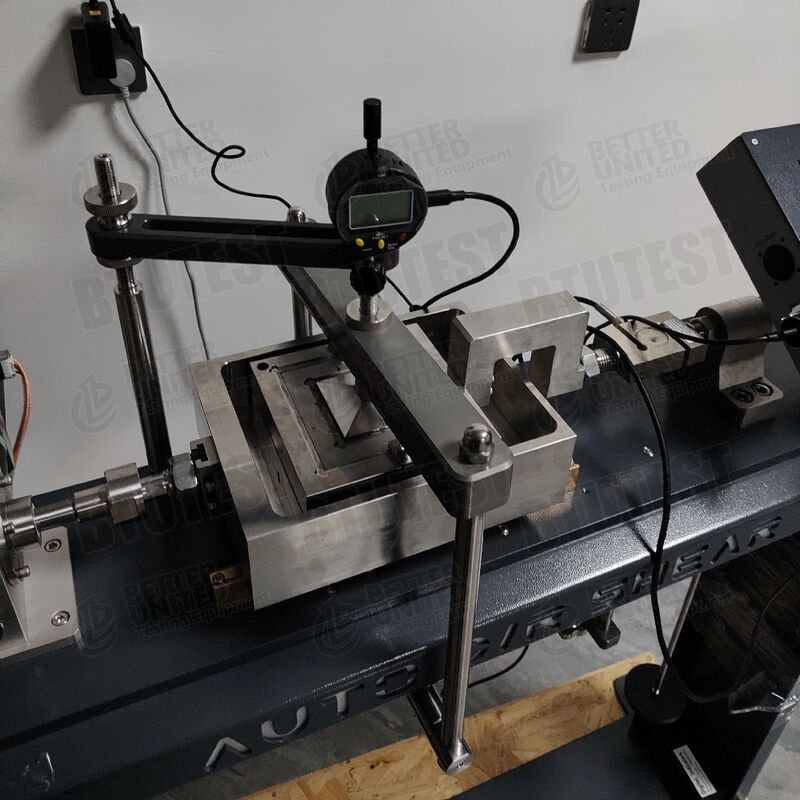
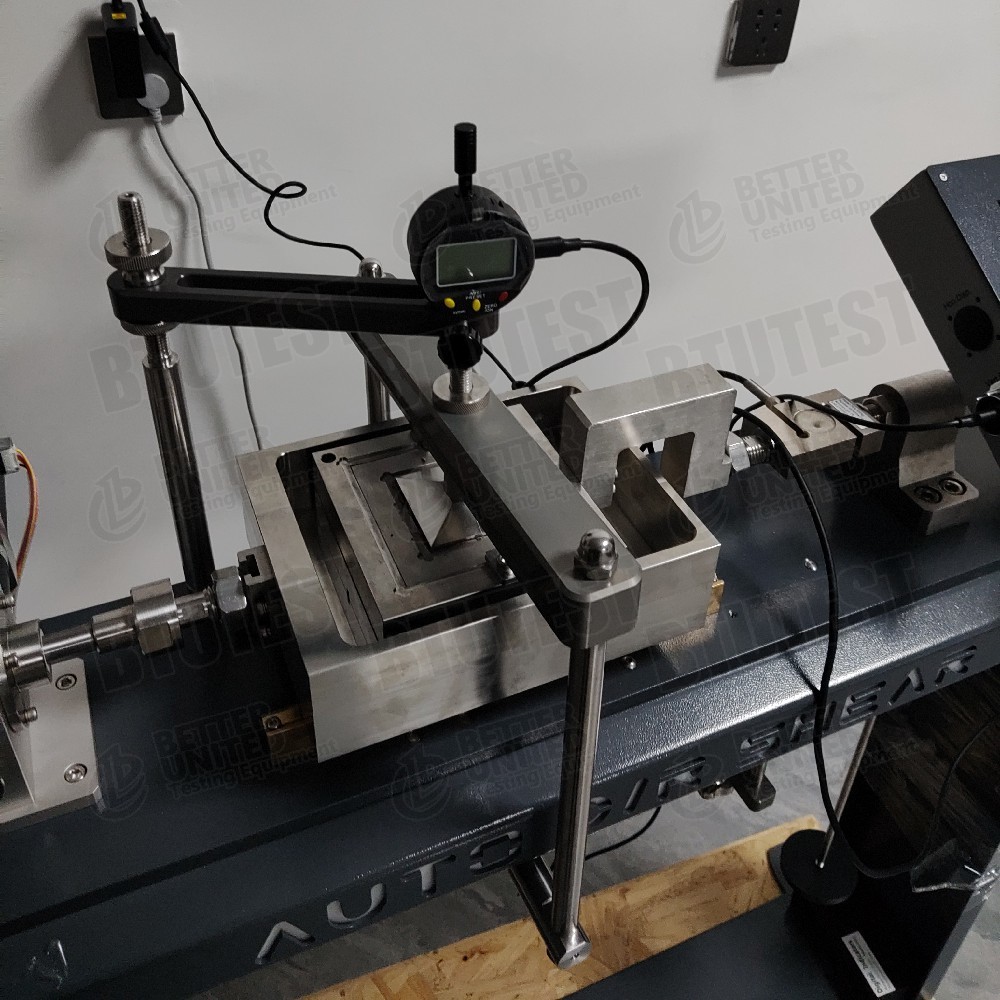
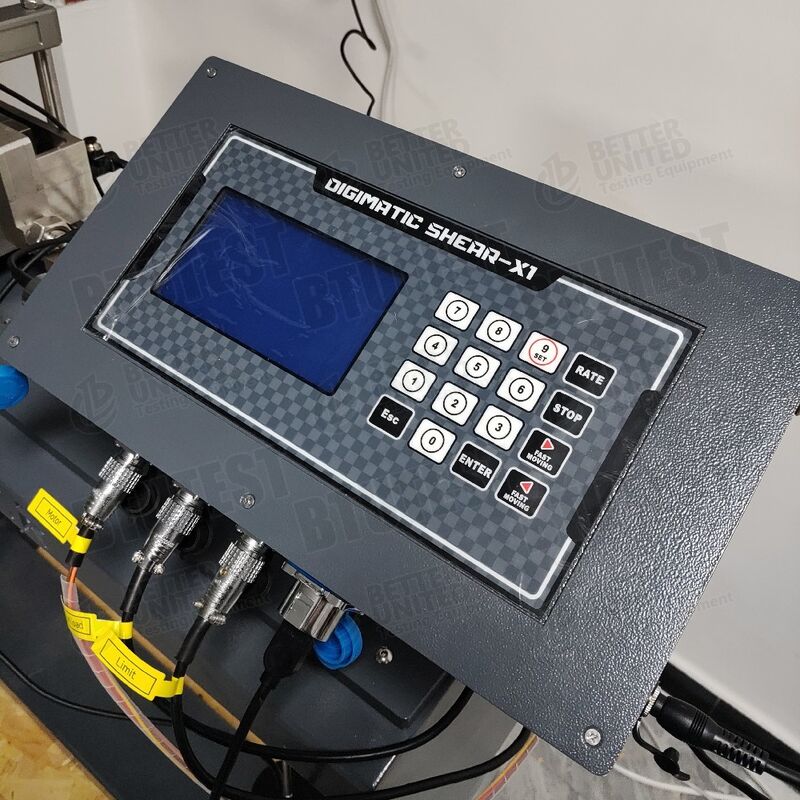
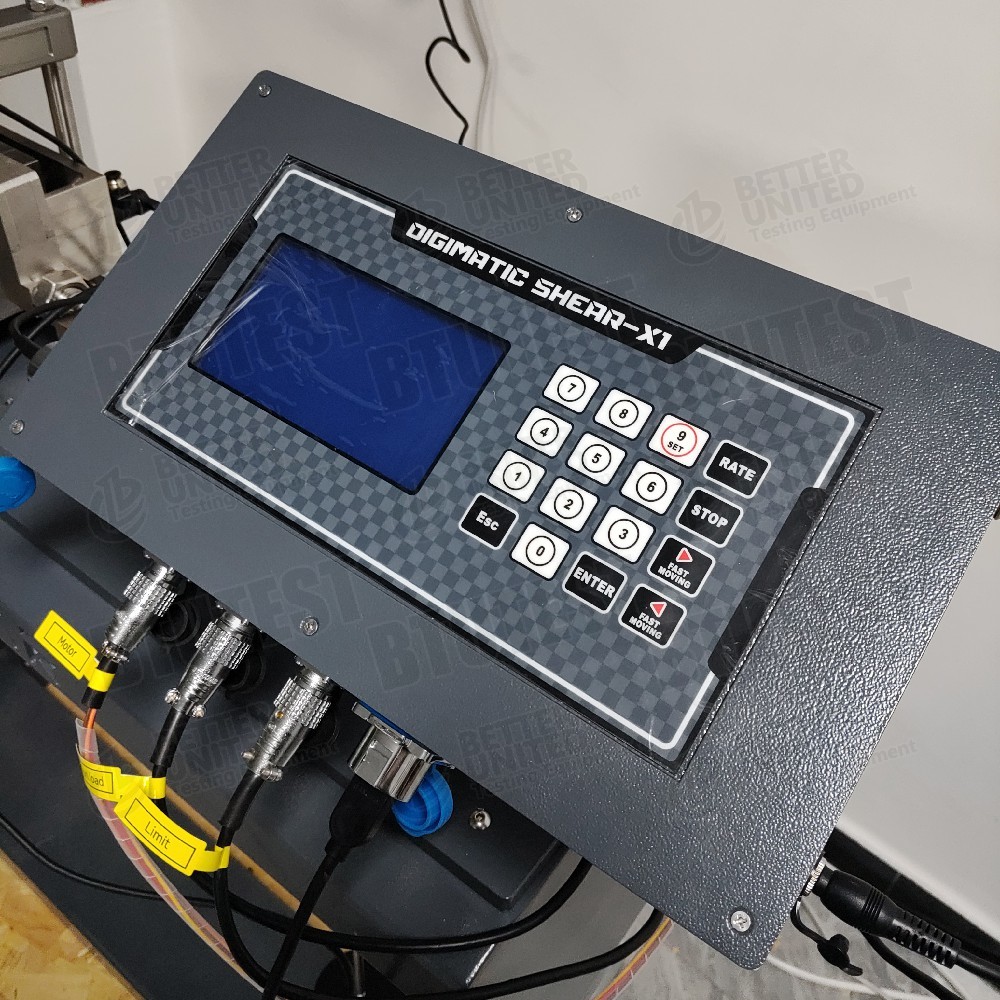
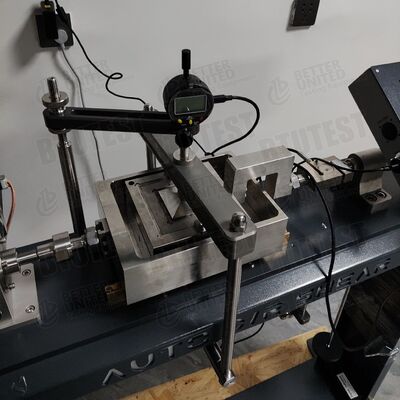
This series consists offully automatic residual direct shear apparatusesusing a microprocessor‑controlled drive system and keypad command input. Advantages include the ability to pause and reset the test speed, computer control via USB 3.0 interface, programmable speed and functions by the operator, and a self‑check system. The fast return to initial position function provides a convenient way to reset the shear box when starting a new test or continuing a residual shear test.
Models include:
Main functions:
Other relevant standards:
| Parameter | BTU-DDS-10 (British) | BTU-DDS-5 (American) | BTU-DDS-5F | BTU-DDS-10F |
| Instrument name | British Standard direct shear | American Standard direct shear | Fully automatic residual direct shear | Fully automatic residual direct shear |
| Specimen size (mm) | 60×60 / 100×100; 2.416 in or 2.5 in | 60×60 / 100×100; 2.416 in or 2.5 in | 61.8*20 | 100×100 & 60×60 |
| Shear rate (mm/min) | 0.00001–9.99999, stepless | 0.00001–9.99999, stepless | 0.00001–9.99999, stepless | 0.00001–9.99999, stepless |
| Loading method | Lever loading | Lever loading | Fully automatic servo closed‑loop loading | Fully automatic servo closed‑loop loading |
| Control method | 16‑key membrane keypad + 240×128 LCD | |||
| Max. shear displacement | 25 mm | 25 mm | 25 mm | 25 mm |
| Normal force (kN) | 5 | 5 | 5 | 5 |
| Horizontal shear force (kN) | 5 (optional 10 kN) | 5 (optional 10 kN) | 5 (optional 10 kN) | 5 (optional 10 kN) |
| Data acquisition | Data logger + Windows software | Data logger + Windows software | Fully automatic servo closed‑loop control | Fully automatic servo closed‑loop control |
| Included modules | Standard consolidation, standard shear, fast shear, cyclic shear, rheological direct shear | |||
| Options | Interface friction test module, temperature control module | |||
Note: Although the BTU-DDS-10F model name includes “10F”, the table still lists normal force and horizontal shear force as 5 kN – this may be a typo; check with the manufacturer for actual specifications.
Select the model based on testing requirements:
| Requirement | Recommended Model | Reason |
| Need compliance with BS 1377, square specimen (60×60 or 100×100 mm) | BTU-DDS-10 | British Standard dedicated, lever loading, lower cost |
| Need compliance with ASTM D3080, round specimen (Φ61.8×20 mm) | BTU-DDS-5 | American Standard dedicated, lever loading |
| Need residual strength (reciprocating shear) with full automation | BTU-DDS-5F or 10F | Servo closed‑loop, automatic reciprocating shear, large displacement (25 mm) |
| Need higher horizontal shear force (>5 kN) | Optional 10 kN upgrade (all models support) | Suitable for high‑strength or coarse soils |
| Need interface friction testing | Any model + optional interface friction module | Requires special fixtures |
| Need temperature control (e.g., frozen or high temperature) | Any model + optional temperature module | Temperature range to be confirmed |
| Only routine direct shear, no residual or cyclic requirements | DDS-10 or DDS-5 (based on specimen shape) | Lower cost |
| Limited budget but want future upgrade | Buying a lever‑loading model then upgrading to servo is not feasible – buy F model directly | Servo and lever hardware are different |
Note: The main difference between DDS-5F and DDS-10F may be specimen size (DDS-5F for round American specimens, DDS-10F for square British specimens), but the table is unclear – confirm with the manufacturer.
Example:Residual strength test on saturated clay (reciprocating shear) using the fully automatic residual direct shear apparatus (BTU-DDS-5F)
For lever‑loading models (DDS-10/5): Normal stress is applied manually using weights; during shearing, manual recording or an external data logger is required.
Summary:This series offers British Standard (square specimen), American Standard (round specimen) lever‑loading direct shear apparatuses, as well as fully automatic servo closed‑loop residual direct shear apparatuses (5F/10F). The fully automatic models support large‑displacement reciprocating shear for residual strength testing. All models can be optionally equipped with interface friction and temperature control modules, and feature rich software test modules. Selection should be based on specimen shape, compliance with specific standards, need for fully automatic residual shear testing, and whether higher shear force (10 kN) is required.
Enter Your Message

Try our best,make things better. People first,Innovative Productivity,Common Solutions
| Hebei Better United Import And Export Co., Ltd. |
| Hejie Town,Xianxian County,Cangzhou City,Hebei Province,China |
| 86-151-2879-5929 |
| sales@btutest.com |