
logo
Send Message
Hebei Better United Import And Export Co., Ltd.

Temperature‑Controlled Direct Shear Apparatus

Product Details:
Place of Origin: Made in China
Brand Name: Btutest
Certification: SGS, INTERTEK
Model Number: BTU-DDS-1FT / DDS-3FT / TRA-15FT
Payment & Shipping Terms:
Minimum Order Quantity: 1
Price: Negotiable
Packaging Details: Standard export wooden box Soil Testing Equipment
Delivery Time: 5-8 work days
Payment Terms: L/C, D/A, D/P, T/T, Western Union
Supply Ability: 3000 sets per month
  • Detail Information
  • Product Description

Detail Information

Product Name: Temperature Controlled Direct Shear Apparatus Model: BTU DDS 1FT DDS 3FT TRA 15FT
Shear Rate (mm/min): 0.00001 To 6 Max. Normal Stress (MPa): 1.6

Product Description

Temperature‑Controlled Direct Shear Apparatus Series

Models BTU-DDS-1FT / DDS-3FT / TRA-15FT

Description

This series includes three temperature‑controlled direct shear apparatuses for soil shear testing under different temperature conditions, specifically for conventional temperatures, frozen soil, and residual strength testing. The models are:

  • BTU-DDS-1FT: Fully automatic temperature‑controlled direct shear apparatus (single unit, 0~90 ℃)
  • BTU-DDS-3FT: Fully automatic frozen soil direct shear apparatus (single unit, -20~90 ℃)
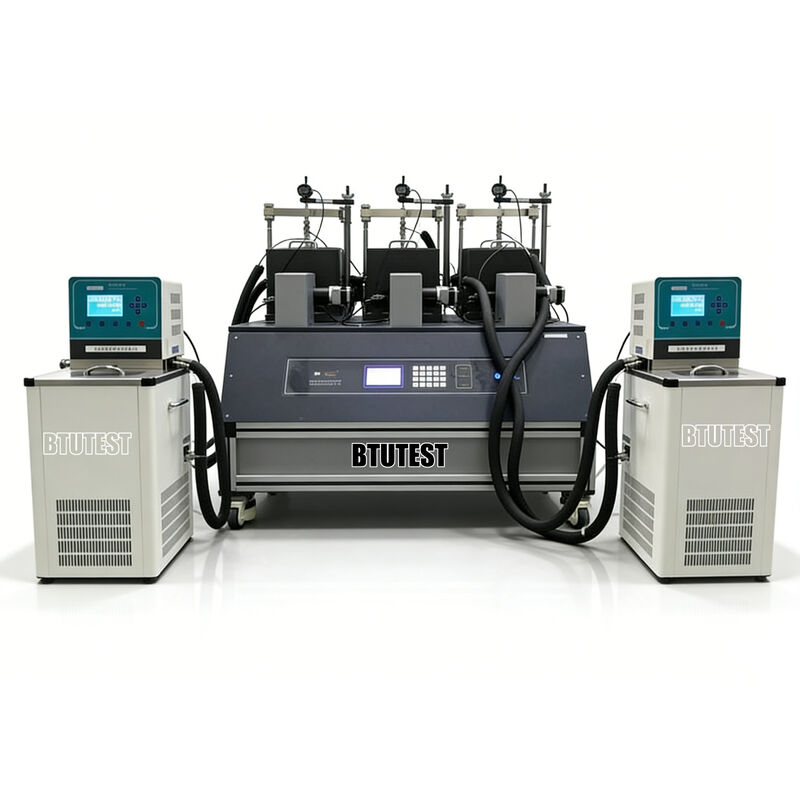
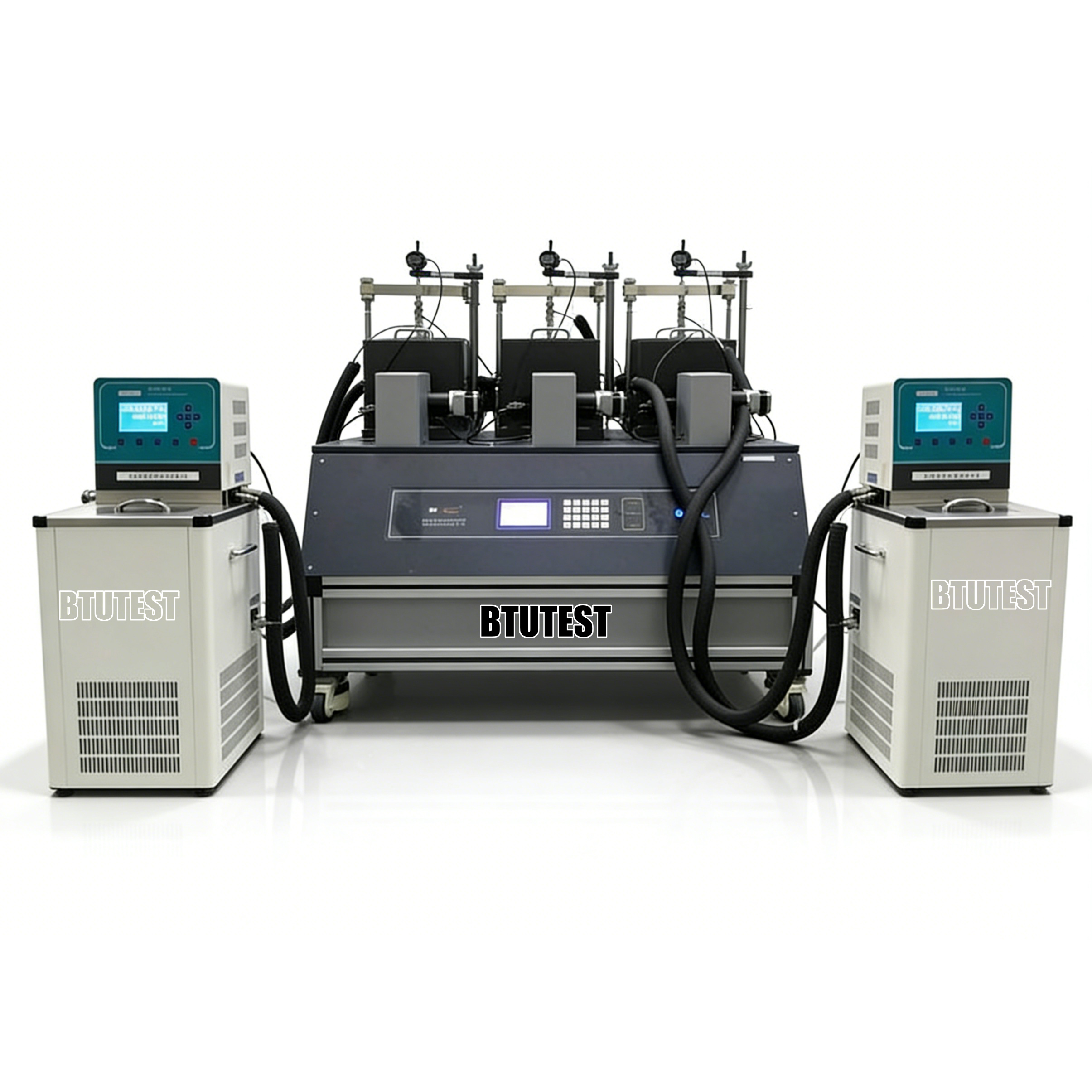
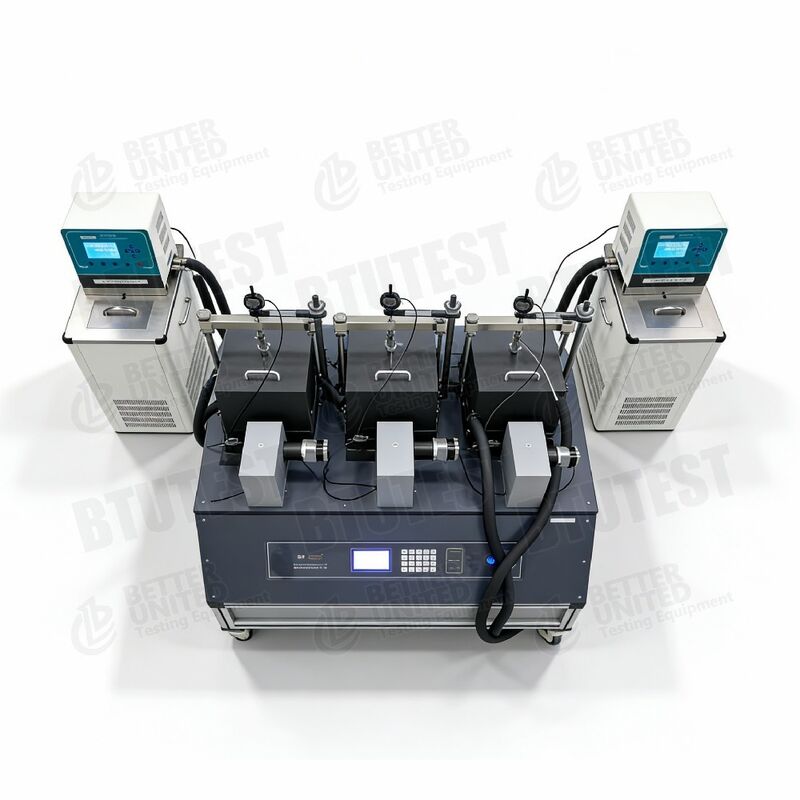
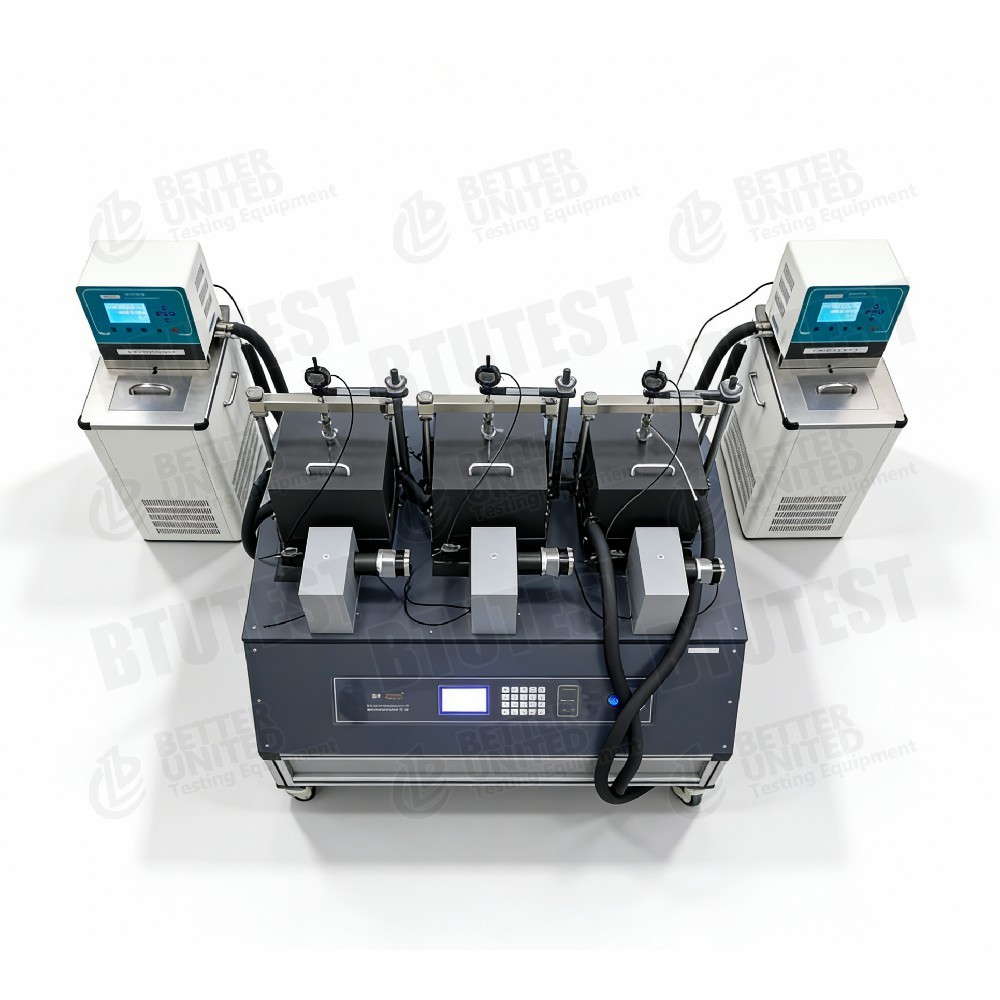
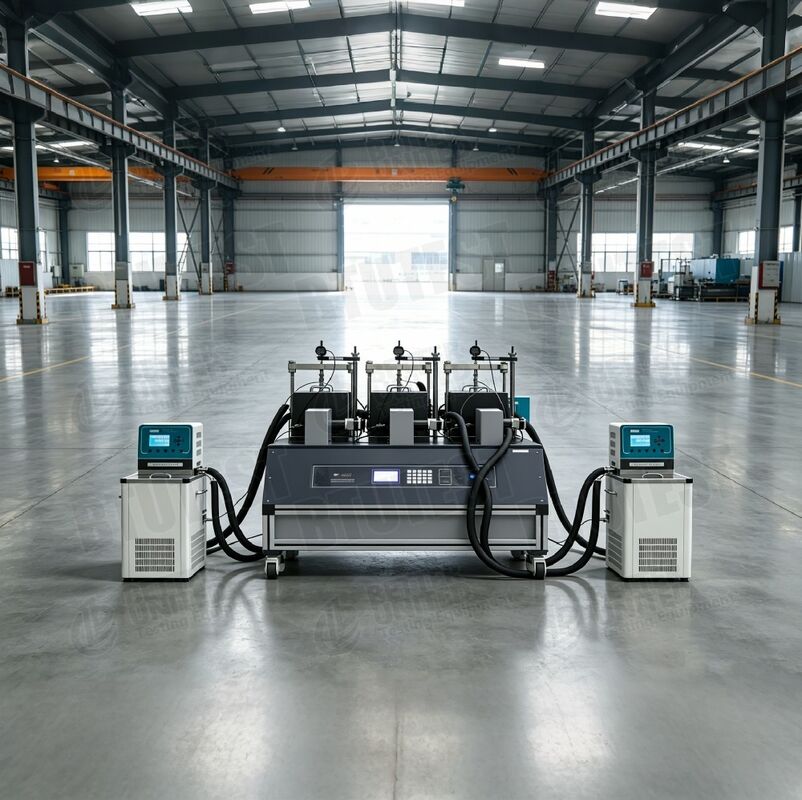
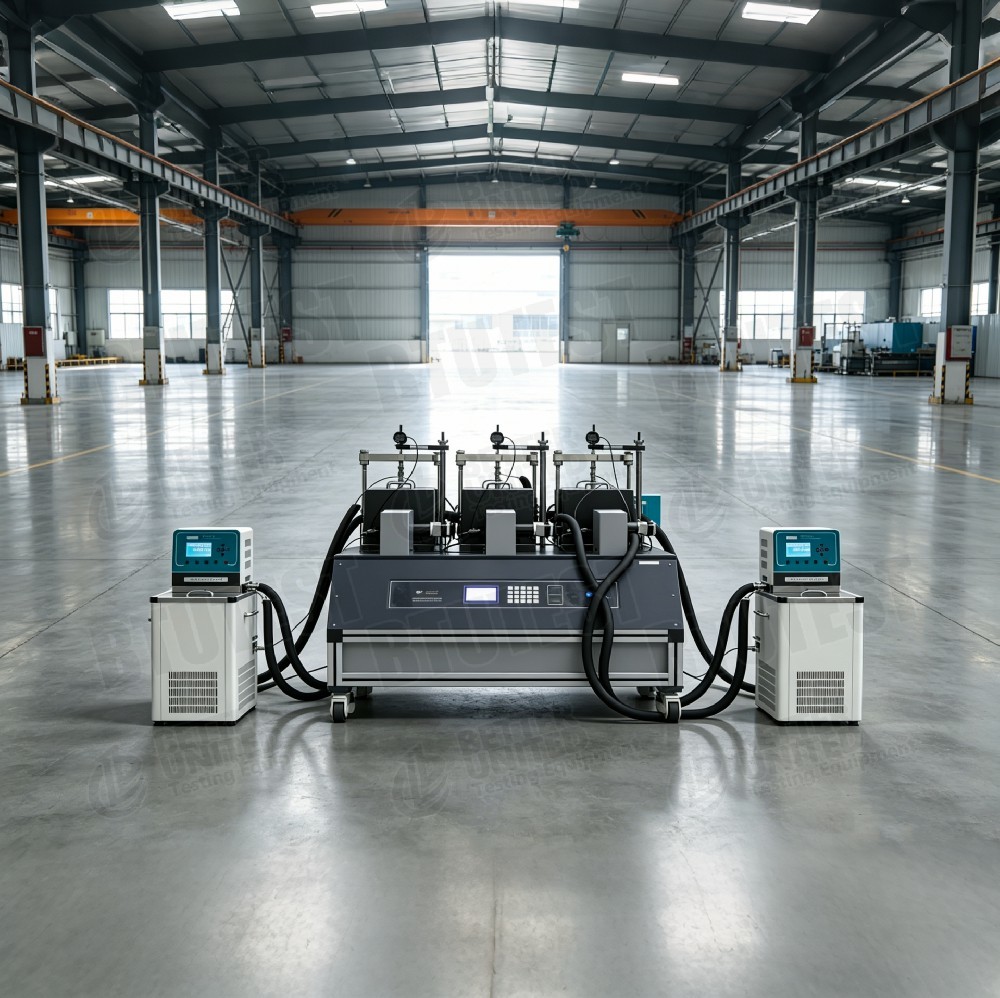
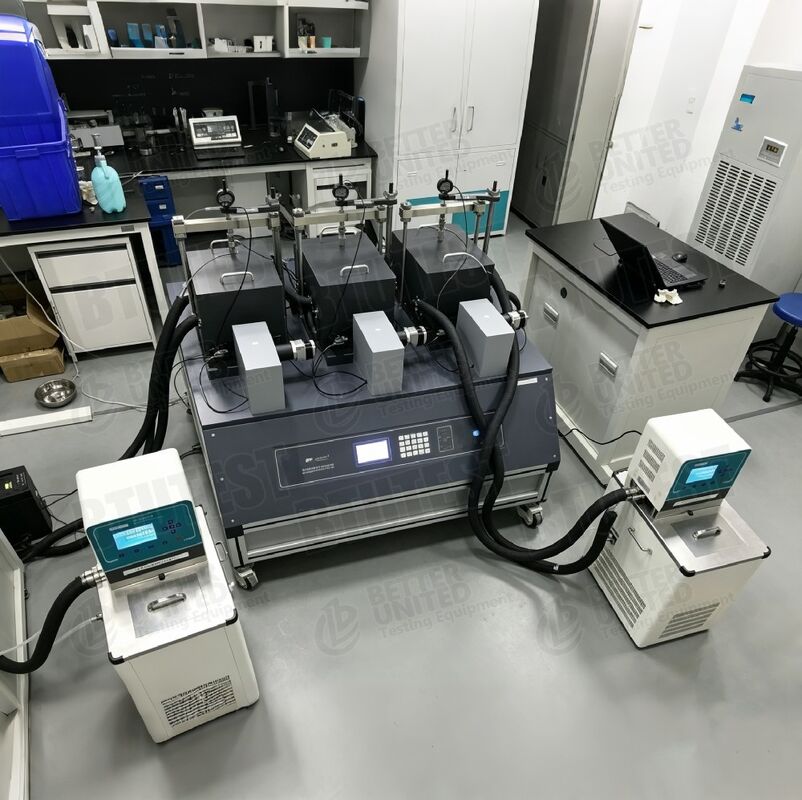
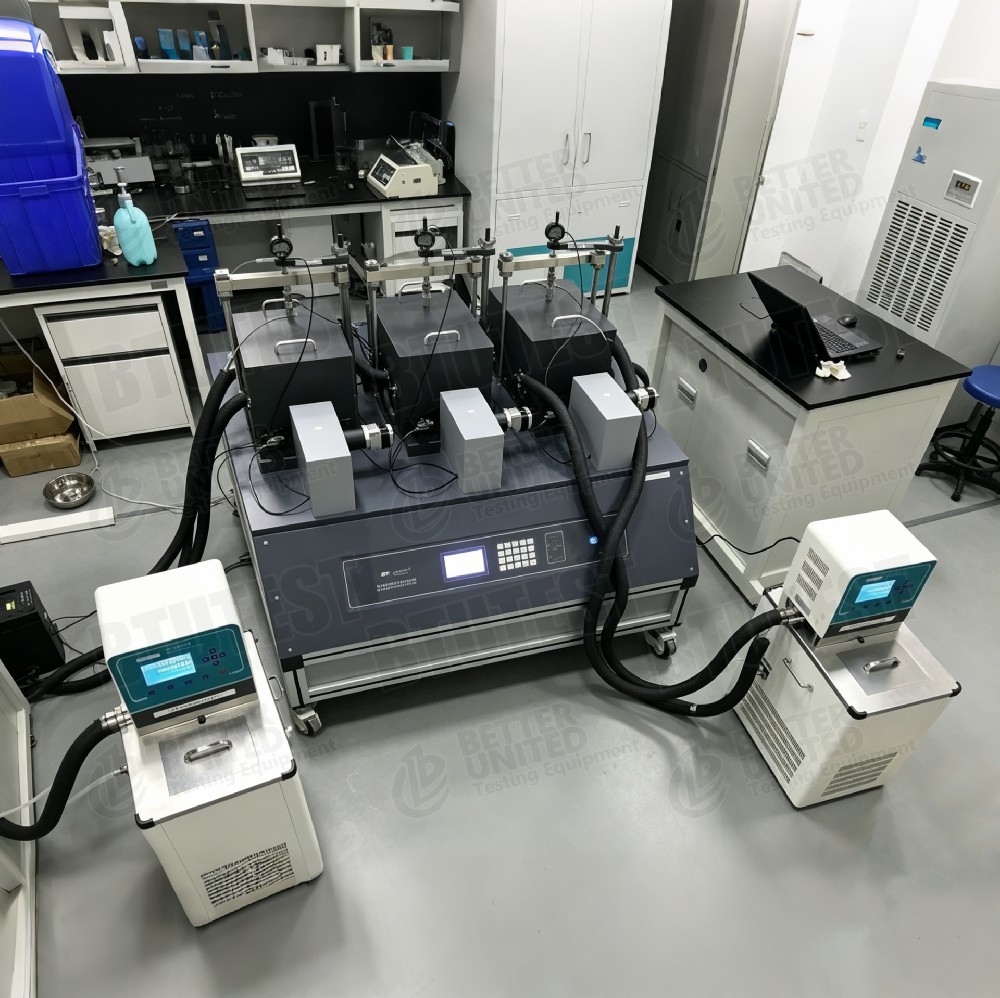
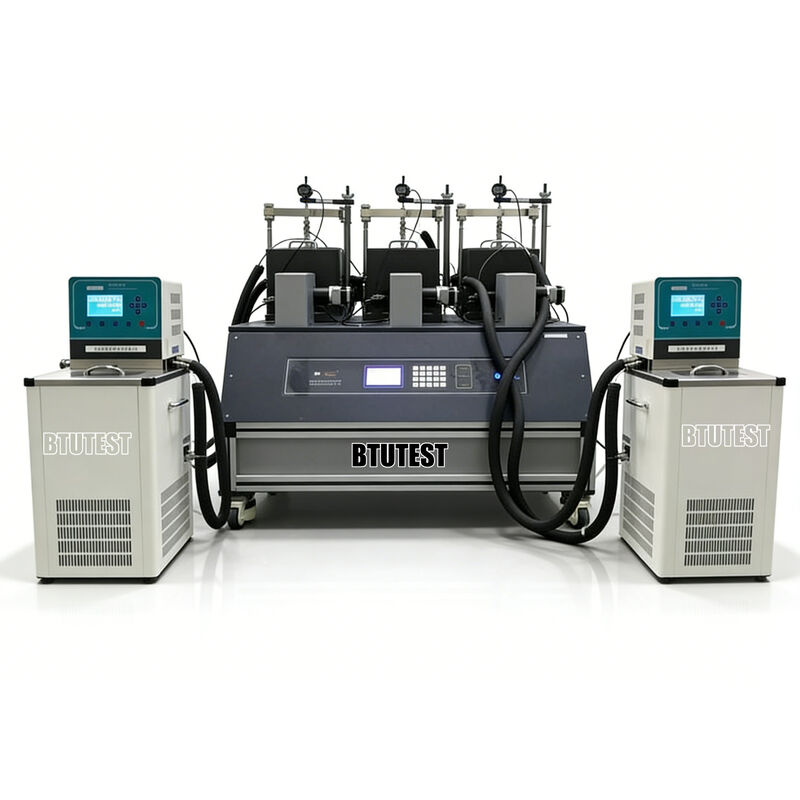
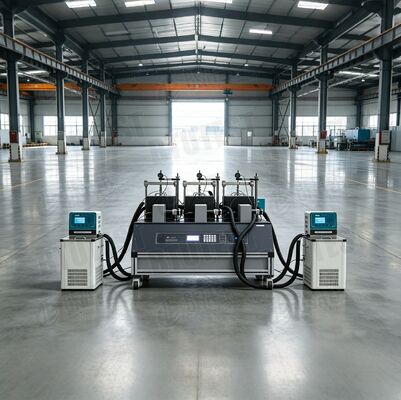
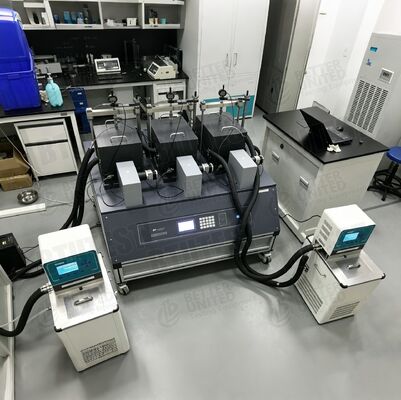
  • BTU-TRA-15FT: Fully automatic three‑unit temperature‑controlled residual direct shear apparatus (three independent temperature‑controlled vessels, 0~90 ℃)

Common features:

  • Specimen size: Φ61.8 mm × H20 mm (standard cutting ring)
  • Shear rate: 0.00001‑6 mm/min
  • Maximum normal stress: 1.6 MPa (all three models)
  • Maximum shear stress: 1.6 MPa (DDS-1FT and TRA-15FT); DDS-3FT: 10 MPa
  • Acquisition accuracy: ±0.1% FS
  • Loading mode: servo closed‑loop control; horizontal direction can be strain‑controlled or stress‑controlled
  • Display: 240×128 LCD + membrane keypad (keypad digit count varies)
  • Test modules: standard consolidation (step loading), direct shear, cyclic shear, rheological direct shear

Test Standards (International)

  • ASTM D3080(Direct shear test)
  • ASTM D7329(Frozen soil direct shear test)
  • ASTM D7608(Residual strength determination using reciprocating shear)
  • ASTM D5321(Interface shear – similar principle)
  • ISO 17892‑10(Direct shear test)
  • BS 1377‑7(Direct shear test)
  • For temperature‑controlled tests,ASTM D6519(thermal properties of soils) may also be relevant.

The DDS-3FT’s 10 MPa high shear stress capability is suitable for frozen soil or high‑strength materials.

Specification


Parameter BTU-DDS-1FT BTU-DDS-3FT BTU-TRA-15FT
Instrument name Fully automatic temperature‑controlled direct shear Fully automatic frozen soil direct shear Fully automatic three‑unit temperature‑controlled residual direct shear
Number of specimens Single Single Three
Specimen size (mm) Φ61.8 × H20 Φ61.8 × H20 Φ61.8 × H20
Shear rate (mm/min) 0.00001‑6
Max. normal stress (MPa) 1.6 1.6 1.6
Max. shear stress (MPa) 1.6 10 1.6
Acquisition accuracy ±0.1% FS ±0.1% FS ±0.1% FS
Loading mode Servo closed‑loop; horizontal: strain or stress control
Display 240×128 LCD + 16‑key membrane keypad 240×128 LCD + 20‑key membrane keypad + 3‑channel LED indicators 240×128 LCD + 20‑key membrane keypad + 3‑channel LED indicators
Sensors 2 load cells, 1 displacement 2 load cells, 1 displacement 6 load cells, 3 displacement (per unit: 2 load + 1 displacement)
Temperature control range 0 ~ 90 ℃ -20 ~ 90 ℃ Three independent vessels, each 0~90 ℃, accuracy ±0.1 ℃
Test modules Standard consolidation (step loading), direct shear, cyclic shear, rheological direct shear
 

Detail

  • Single vs. three units– DDS-1FT/3FT are single‑unit (one specimen at a time); TRA-15FT is three‑unit, allowing simultaneous shear of three specimens, greatly improving efficiency.
  • High shear stress (DDS-3FT)– Maximum shear stress 10 MPa, suitable for frozen soil, ice, and high‑strength materials (conventional soils typically ≤1.6 MPa).
  • Temperature control differences
    • DDS-1FT: 0~90 ℃, suitable for general high‑temperature tests (e.g., asphalt, thermal reservoirs) and ambient conditions.
    • DDS-3FT: -20~90 ℃, covers frozen soil (sub‑zero) to high temperature, suitable for seasonal and permafrost studies.
    • TRA-15FT: three independently controlled vessels, each 0~90 ℃, allowing tests at different temperatures simultaneously, accuracy ±0.1 ℃.
  • Servo closed‑loop control– Both normal and horizontal loading use servo motors, enabling precise stress or strain path control and supporting cyclic and rheological tests.
  • Residual direct shear– The TRA-15FT name includes “residual”, likely achieving residual strength via reciprocating shear (confirm software module).
  • Sensor configuration– Each unit includes 2 load cells (normal and horizontal) and 1 displacement sensor (horizontal displacement; vertical displacement may also be measured but not listed). Total for TRA-15FT: 6 load cells + 3 displacement sensors.
  • Display and keypad– TRA-15FT features a 20‑key membrane keypad and 3‑channel LED indicators for monitoring multiple specimens.
  • Test modules– All support standard consolidation (step loading), direct shear, cyclic shear, and rheological direct shear.

Application

  • BTU-DDS-1FT– General temperature‑controlled direct shear, e.g., asphalt mixtures, thermal reservoir soils, high‑temperature subgrades, nuclear waste disposal.
  • BTU-DDS-3FT– Frozen soil engineering (Qinghai‑Tibet Railway, Arctic projects), seasonal frozen soil subgrades, ice‑soil interface studies.
  • BTU-TRA-15FT– High‑efficiency residual strength testing (e.g., slip zone soils); simultaneous residual strength tests at different temperatures or comparison of different materials.
  • Cyclic shear– Simulate strength degradation under earthquake or wave loading.
  • Rheological direct shear– Creep behaviour under long‑term loading.
  • Teaching and research– Soil mechanics laboratories studying temperature effects.

Advantages

  • Wide temperature range– -20~90 ℃ (DDS-3FT) or 0~90 ℃ (others), meeting frozen soil and high‑temperature needs.
  • High shear stress (DDS-3FT)– 10 MPa capable of testing frozen soil, ice, stiff clay, or even soft rock.
  • Three independent temperature‑controlled vessels (TRA-15FT)– Three temperature points in one test, tripling efficiency; each vessel independently controlled (±0.1 ℃).
  • Servo closed‑loop control– Precise stress/strain path control, supporting cyclic and rheological testing.
  • Multiple test modules– Consolidation, direct shear, cyclic shear, rheology in one system.
  • High acquisition accuracy– ±0.1% FS, reliable data.
  • Residual strength capability– TRA-15FT suitable for batch residual strength testing.
  • Clear operator interface– LCD + membrane keypad, with LED status indicators (TRA-15FT).

What To Choose

Select the model based on testing requirements:

Requirement Recommended Model Reason
General temperature‑controlled direct shear (0~90 ℃), single specimen BTU-DDS-1FT Lower cost, meets basic temperature control needs
Frozen soil direct shear (sub‑zero) or high shear stress (>1.6 MPa) BTU-DDS-3FT Temperature range -20~90 ℃, max shear stress 10 MPa
High‑efficiency residual strength testing, multiple temperatures simultaneously BTU-TRA-15FT Three independent temperature‑controlled vessels, high throughput
Cyclic or rheological testing Any model (confirm software modules) Servo control supports programming
Only ambient temperature direct shear (no temperature control) Do not choose this series; choose a conventional direct shear apparatus Lower cost
Need very high normal stress (>1.6 MPa) Do not choose this series; other models available (e.g., 2UM) This series max normal stress is 1.6 MPa
Teaching demonstration to show temperature effects DDS-1FT or DDS-3FT Simple single‑unit operation


Note: The TRA-15FT’s three vessels are independently temperature‑controlled, allowing different temperatures per specimen – ideal for comparative studies. For residual strength testing, confirm that the software includes a reciprocating shear module.

Process Flow

Example:Frozen soil fast shear test (sub‑zero temperature) using the fully automatic frozen soil direct shear apparatus (BTU-DDS-3FT)

  • Specimen preparation
    • Cut undisturbed frozen soil or prepare remoulded frozen soil specimen using a Ø61.8×20 mm cutting ring, keeping it at sub‑zero temperature.
    • Measure initial water content, density, and temperature.
  • Specimen installation
    • Quickly place the specimen into the shear box (avoid thawing), install porous stone and loading plate.
    • Place the shear box inside the temperature‑controlled chamber, connect normal and horizontal loading rods.
    • Install displacement sensors and load cells.
  • Set temperature
    • Set the target temperature (e.g., -15 ℃) in the software, start the temperature control system, and wait for the specimen temperature to stabilise (typically 1‑2 hours depending on size).
  • Apply normal stress
    • Apply the target normal stress (e.g., 200 kPa) via the servo loading system.
    • Record normal displacement (consolidation deformation of frozen soil is small) until stable.
  • Set shear parameters
    • Select “fast shear module” or “standard shear module”.
    • Set shear rate (e.g., 1 mm/min – frozen soil is often sheared at a relatively higher rate).
    • Set shear displacement limit (e.g., 6 mm).
    • Choose control mode: strain control (common) or stress control.
  • Start shearing
    • Start the horizontal servo motor to move the shear box.
    • Software records horizontal shear force, horizontal displacement, normal displacement, temperature, and time in real time.
    • Plot shear stress‑displacement curve.
  • Stop condition
    • Automatically stops when the preset displacement is reached or after a clear peak stress drop.
  • Disassembly and cleaning
    • Stop temperature control, allow the temperature to return near ambient, unload normal force, and remove the specimen.
    • Clean the shear box, being careful about condensation.
  • Data processing
    • Software calculates peak shear stress (or residual shear stress).
    • For tests at different normal stresses, plot Mohr‑Coulomb envelope to obtain frozen soil cohesion c and friction angle φ.
    • Generate test report.

For TRA-15FT (three‑unit):

  • Three specimens can be installed simultaneously, each vessel independently set to a different temperature (e.g., -5 ℃, 0 ℃, +5 ℃).
  • Software can control the start of shearing for each shear box independently (or simultaneously).
  • After the test, automatically generate a comparison of strength parameters at the three temperatures.
  • Ideal for studying the effect of temperature on residual strength.

Summary:This series offers single‑unit and three‑unit temperature‑controlled direct shear apparatuses covering temperature ranges of 0~90 ℃ and -20~90 ℃. The DDS-1FT is a general temperature‑controlled direct shear system; the DDS-3FT is specialised for frozen soil with a 10 MPa high‑shear‑stress capability; the TRA-15FT is a three‑unit independently temperature‑controlled system suitable for efficient residual strength testing and multi‑temperature comparative studies. Selection should be based on the required temperature range, need for high shear force, specimen throughput, and residual strength testing requirements.

Get in touch with us

Enter Your Message

You Might Be Into These