







|
Product Details:
|
|
| Place of Origin: | Made in China |
|---|---|
| Brand Name: | BTUTEST |
| Certification: | SGS, INTERTEK |
| Model Number: | BTU-MCFA-10 |
|
Payment & Shipping Terms:
|
|
| Minimum Order Quantity: | 1 set |
| Price: | Negotiable |
| Packaging Details: | Soil Testing Equipment Standard export wooden box |
| Delivery Time: | 6 days after payment |
| Payment Terms: | L/C, D/A, D/P, T/T, Western Union |
| Supply Ability: | 100 sets per month |
|
Detail Information |
|||
| Name: | Stress‑Chemical Dehydration Characteristics Test System For Muddy Media | Warranty: | 1 Year |
|---|---|---|---|
| Feed Cylinder Volume: | 5000 ml | Dehydration Cell Material: | Stainless Steel 304 |
| Dehydration Cell Inner Diameter: | 80 mm | Dehydration Cell Effective Stroke: | ≥100 mm |
Product Description
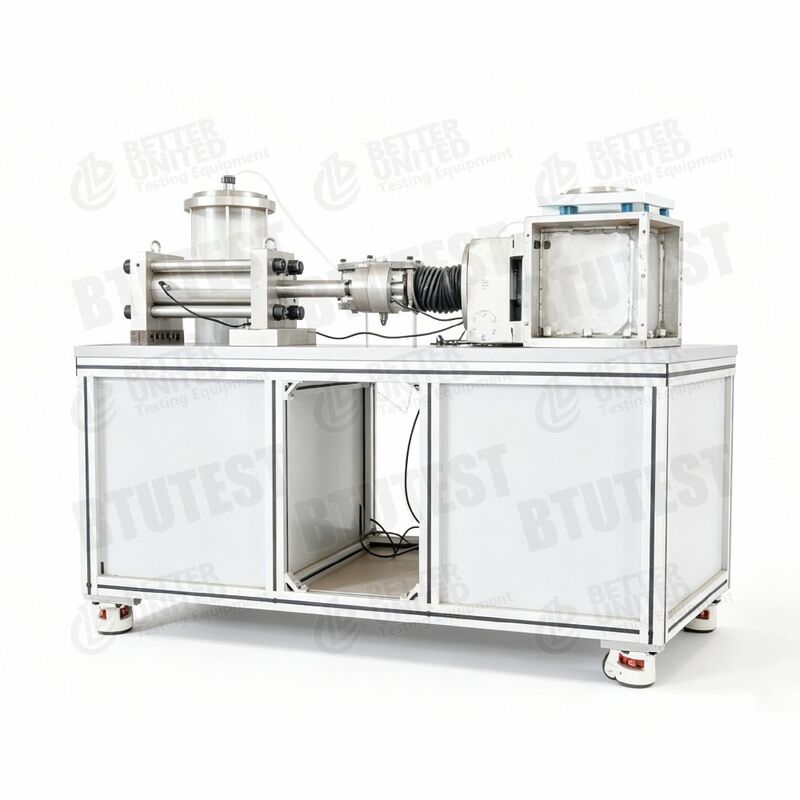
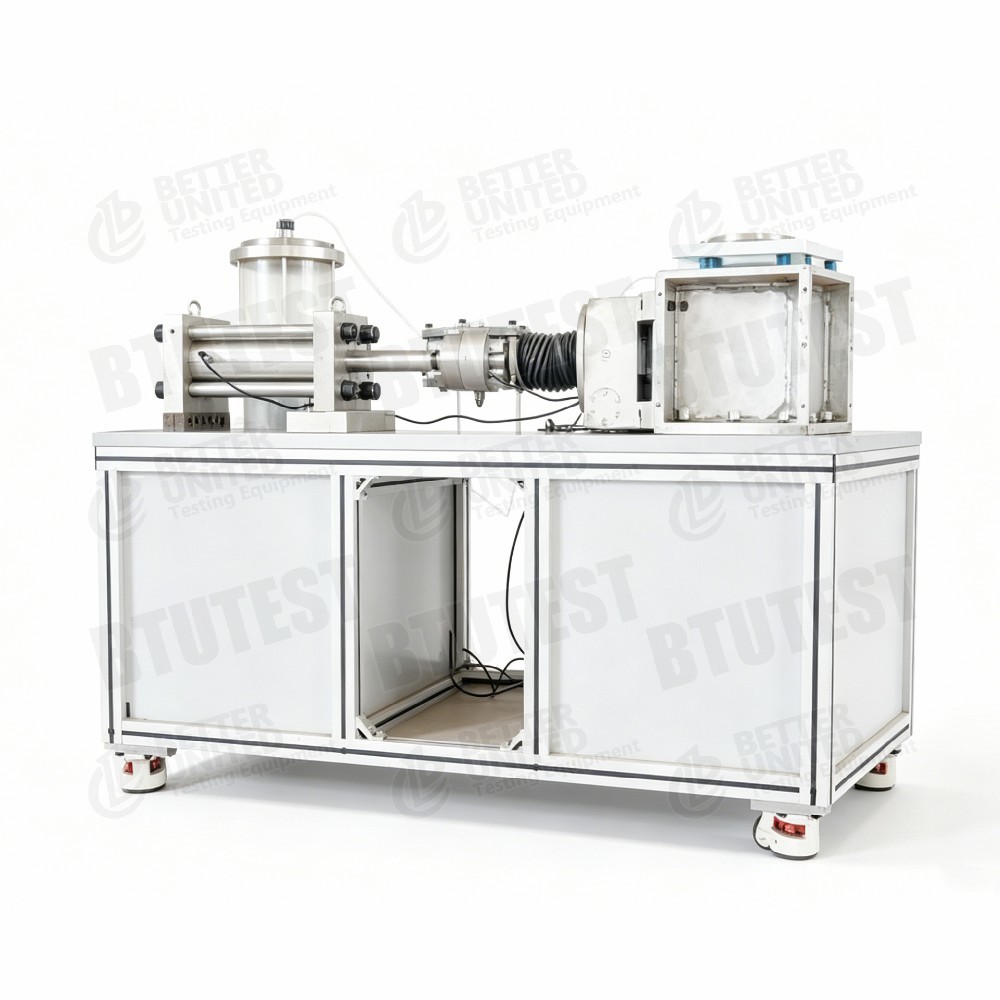
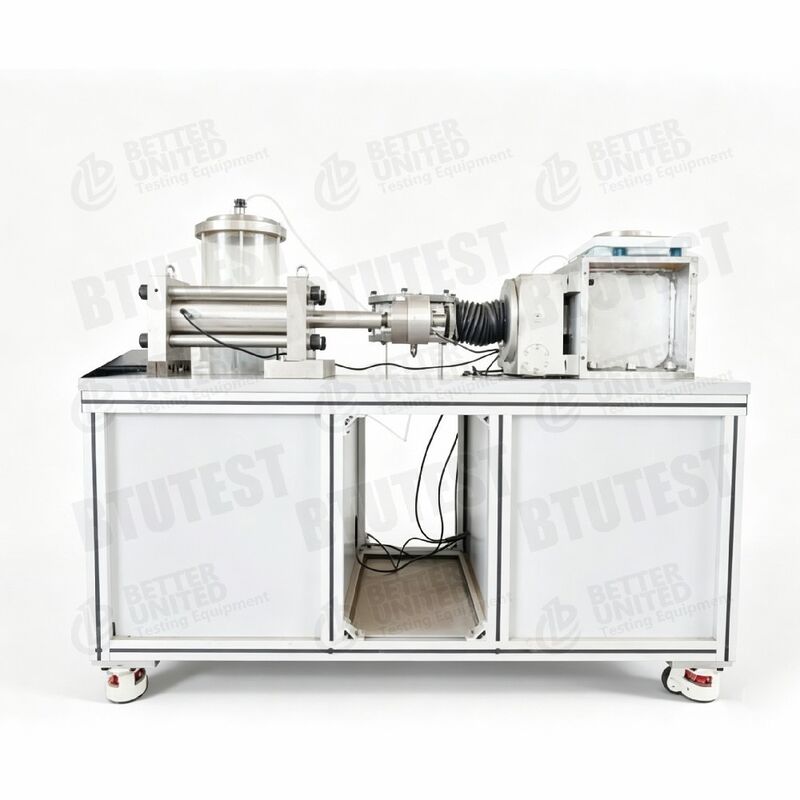
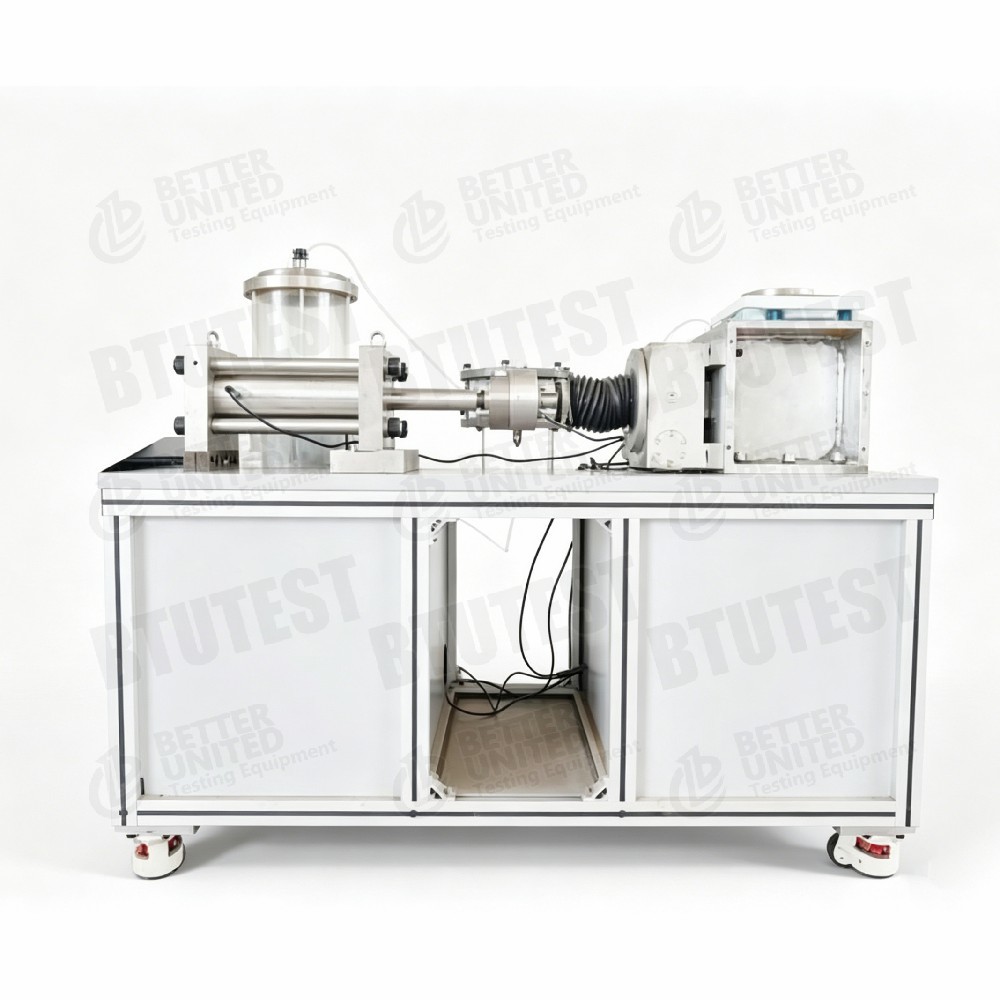
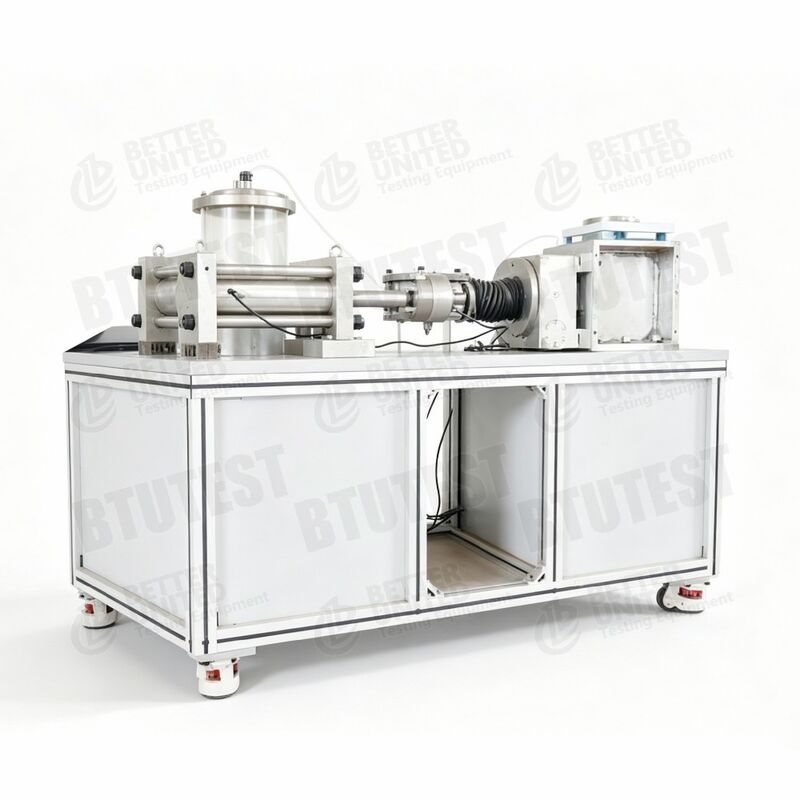
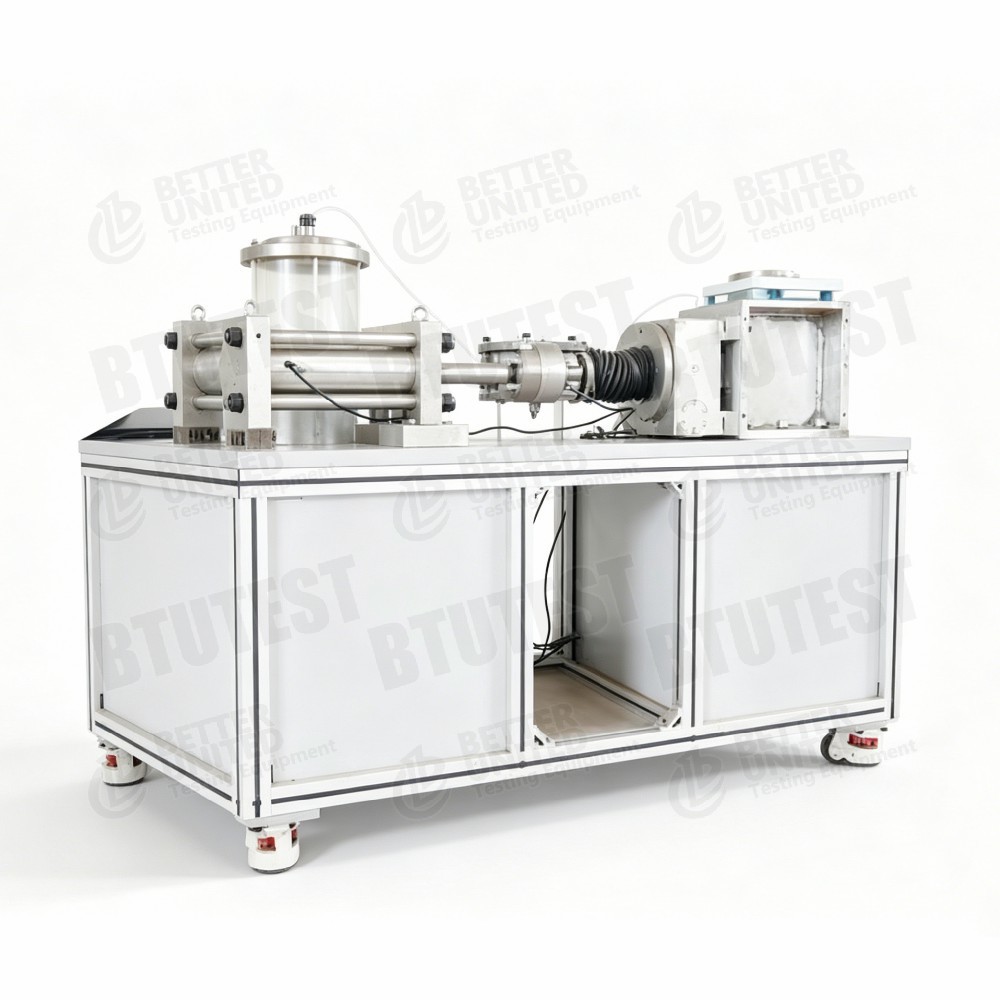
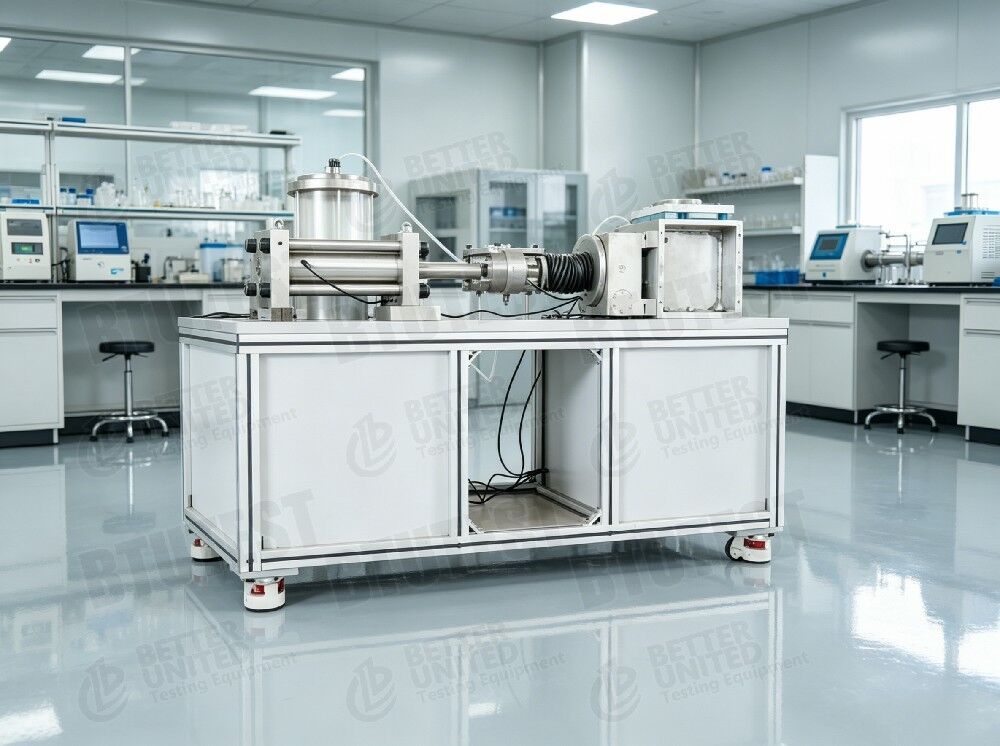
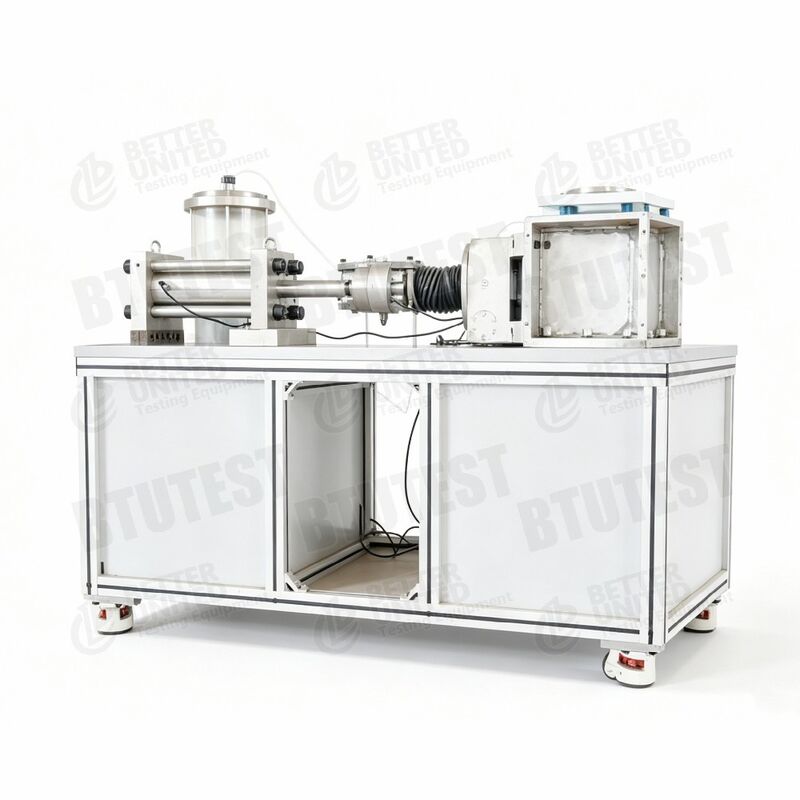
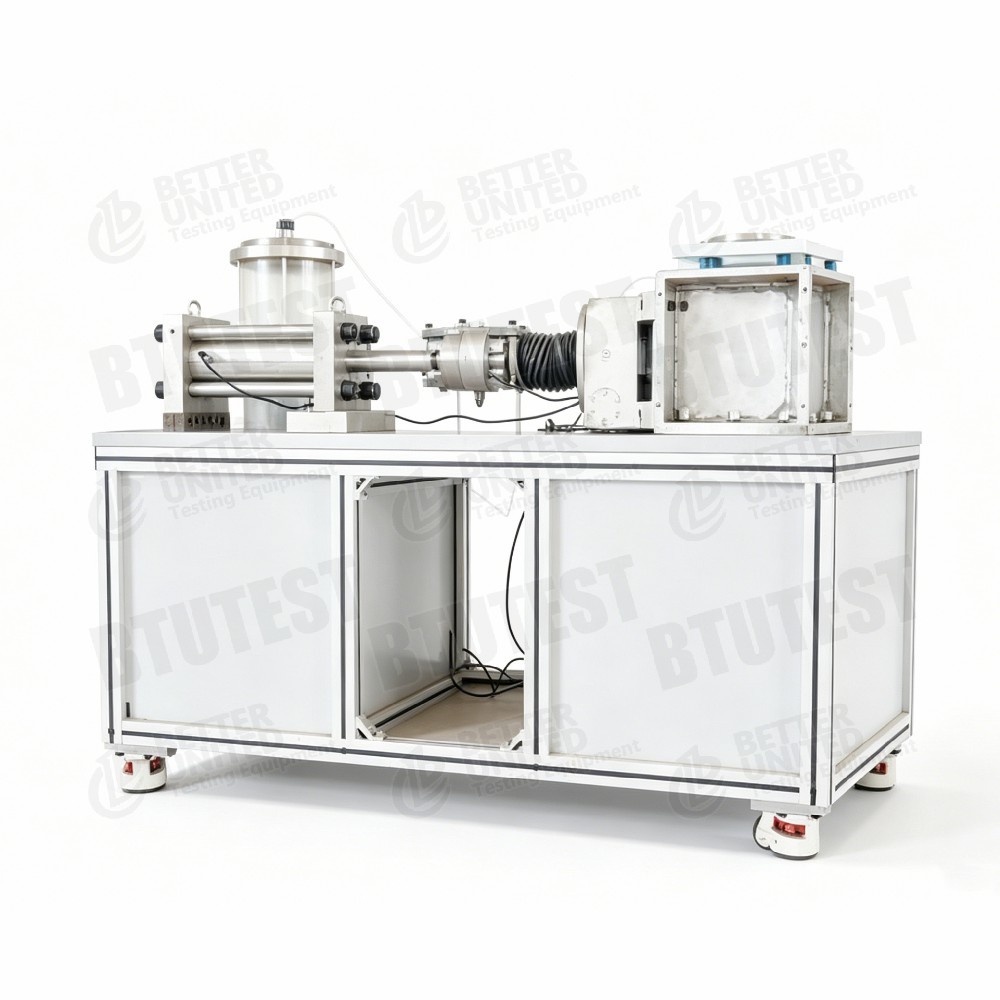
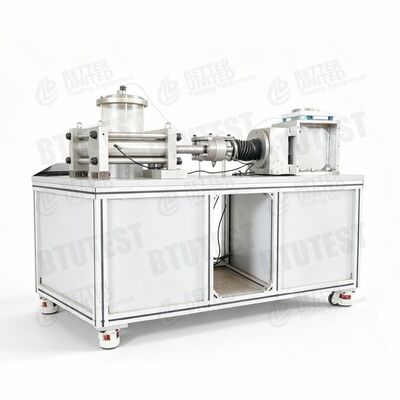
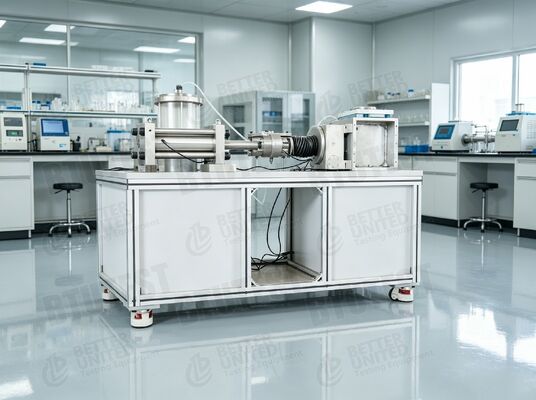
This equipment is astress‑chemical dehydration characteristics test system for muddy media (slurry pressure dehydration test apparatus), modelBTU-MCFA-10, used to study the dehydration characteristics of muddy media such as slurry, sludge, and tailings under the combined effects of mechanical pressure and chemical conditioning. The system mainly consists of a feed cylinder, a feeding loading system, a dehydration cell, a servo loading system, a dehydration weight measurement system, a data acquisition system, and corresponding software. Main function: simulates the solid‑liquid separation process of muddy media under mechanical filtration and chemical conditioning.
This equipment is a specialised test device; applicable standards may refer to solid‑liquid separation and filter press performance testing specifications.
| Parameter | Specification |
| Model | BTU-MCFA-10 |
| Feed cylinder volume | 5000 ml |
| Feeding loading system | 0‑0.9 MPa, using air compressor + precision pneumatic controller |
| Dehydration cell material | Stainless steel 304 |
| Dehydration cell inner diameter | 80 mm |
| Dehydration cell effective stroke | ≥100 mm |
| Dehydration cell maximum axial stress | 20 MPa |
| Servo loading system | Max. loading force 0‑200 kN, loading speed 0.00001‑10 mm/min (stepless) |
| Dehydration weight measurement system | Range 5000 g, accuracy 0.01 g |
| Pore pressure measurement system | 0‑20 MPa, accuracy ±0.1% FS |
| Software functions | Set dehydration cell inner diameter, control axial loading stress, control displacement, real‑time sensor data acquisition; includes calibration module; data saved in tgd format, convertible to txt and openable in Excel |
Select this system or related configurations based on testing requirements:
| Requirement | Recommendation | Reason |
| Study municipal sludge dewatering | Very suitable | Stress + chemical coupling simulates filter press process |
| Study tailings dewatering | Suitable | High pressure (20 MPa) simulates tailings filtration |
| Need to add chemical conditioners (flocculants, etc.) | System provision for chemical effects | Conditioners can be added manually |
| Only need constant pressure dewatering, no chemical effects | Consider a conventional filtration test device | Lower cost |
| Need larger dehydration cell diameter | Customisable (consult manufacturer) | Standard inner diameter 80 mm |
| Need higher pressure (>20 MPa) | Custom higher‑pressure model | Maximum is 20 MPa |
| Only need dewatering rate, no pore pressure monitoring | Pore pressure sensor optional | Can simplify configuration |
| Laboratory small‑scale testing | 5 L feed cylinder, suitable for small batches | Adequate capacity |
Example:Municipal sludge chemical conditioning + pressure filtration dewatering test
Summary:The BTU-MCFA-10 is a stress‑chemical dehydration characteristics test system for muddy media, suitable for studying pressure dewatering of municipal sludge, tailings, dredged sediments, and other slurries. Key features include two‑stage loading (pneumatic feeding + servo pressure filtration), high‑precision dewatering weighing, pore pressure monitoring, a corrosion‑resistant dehydration cell, and fully automatic software. Maximum axial stress is 20 MPa, loading force 200 kN, and feed cylinder volume 5 L. Chemical conditioning studies can be optionally added to simulate actual filter press processes. Selection should be based on material characteristics, required pressure, need for chemical conditioning, and dehydration cell size.
Enter Your Message

Try our best,make things better. People first,Innovative Productivity,Common Solutions
| Hebei Better United Import And Export Co., Ltd. |
| Hejie Town,Xianxian County,Cangzhou City,Hebei Province,China |
| 86-151-2879-5929 |
| sales@btutest.com |