
logo
Send Message
Hebei Better United Import And Export Co., Ltd.

KO Consolidation Apparatus

Product Details:
Place of Origin: Made in China
Brand Name: BTUTEST
Certification: SGS, INTERTEK
Model Number: Model BTU-STC-KO
Payment & Shipping Terms:
Minimum Order Quantity: 1 set
Price: Negotiable
Packaging Details: Soil Testing Equipment Standard export wooden box
Delivery Time: 6 days after payment
Payment Terms: L/C, D/A, D/P, T/T, Western Union
Supply Ability: 100 sets per month
  • Detail Information
  • Product Description

Detail Information

Name: KO Consolidation Apparatus Warranty: 1 Year
Specimen Size: Φ61.8 mm × H40 mm Axial Displacement: 0‑12.7 mm, Resolution 0.01 mm
Pressure Cell Seal: No Leakage At Rated Pressure, Volume Change <0.20 ml Lateral Pressure Measurement: Via Pore Pressure Meter (or Lateral Pressure Sensor)

Product Description

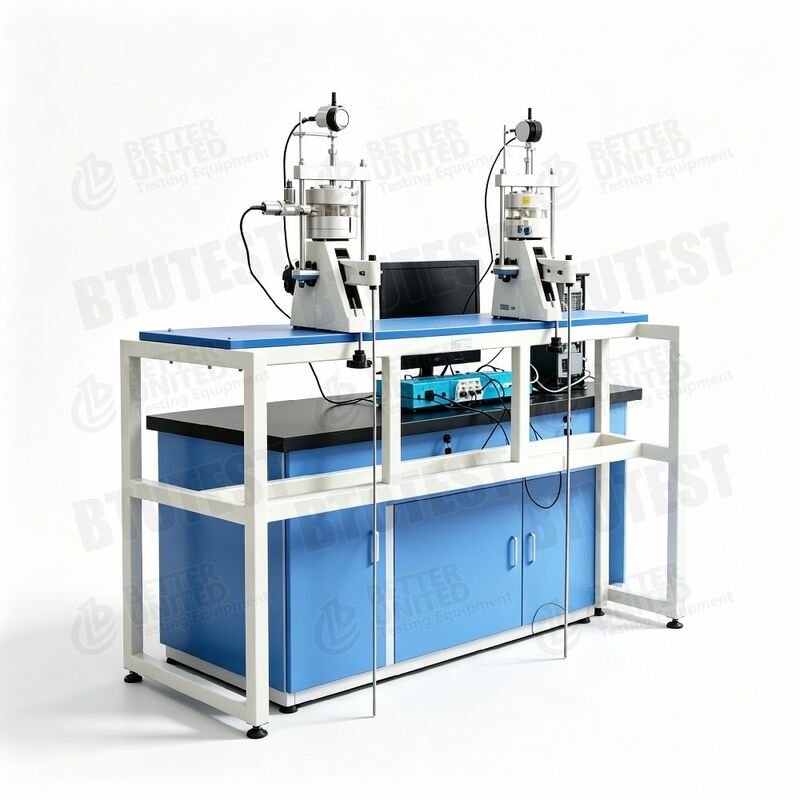
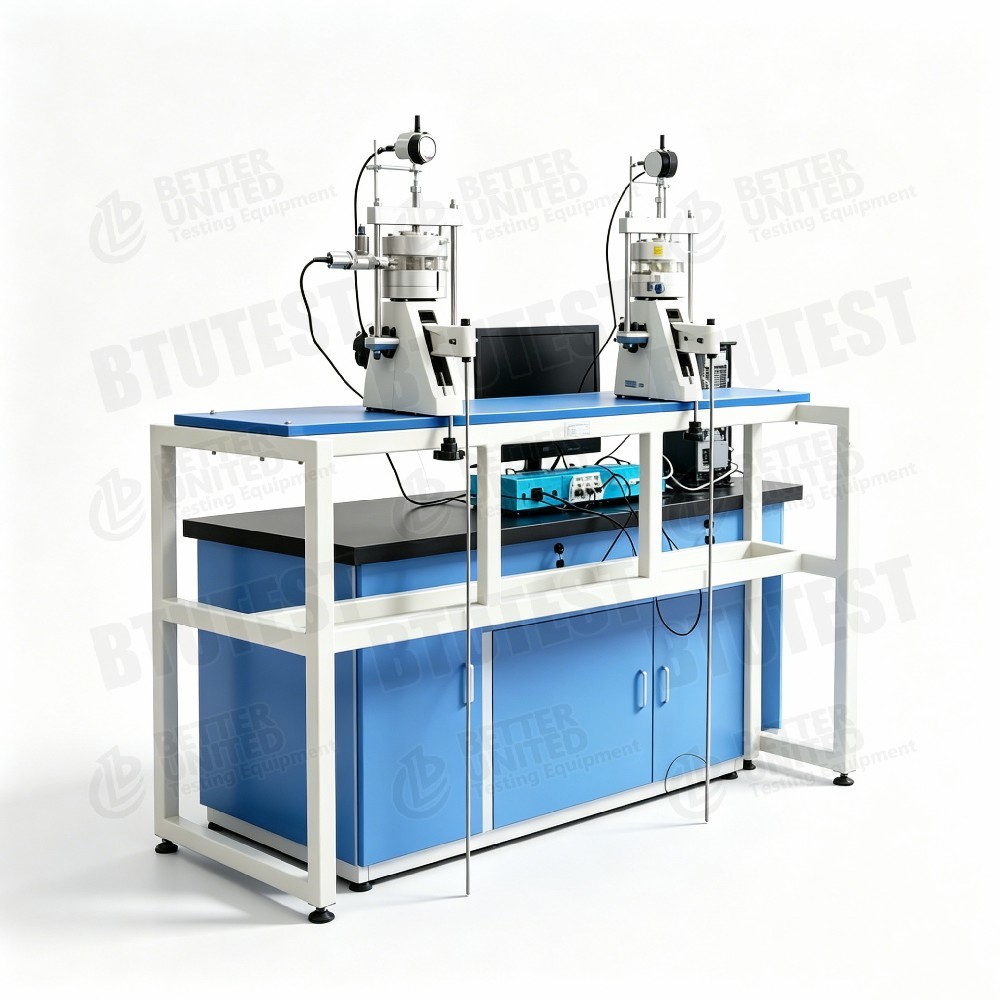
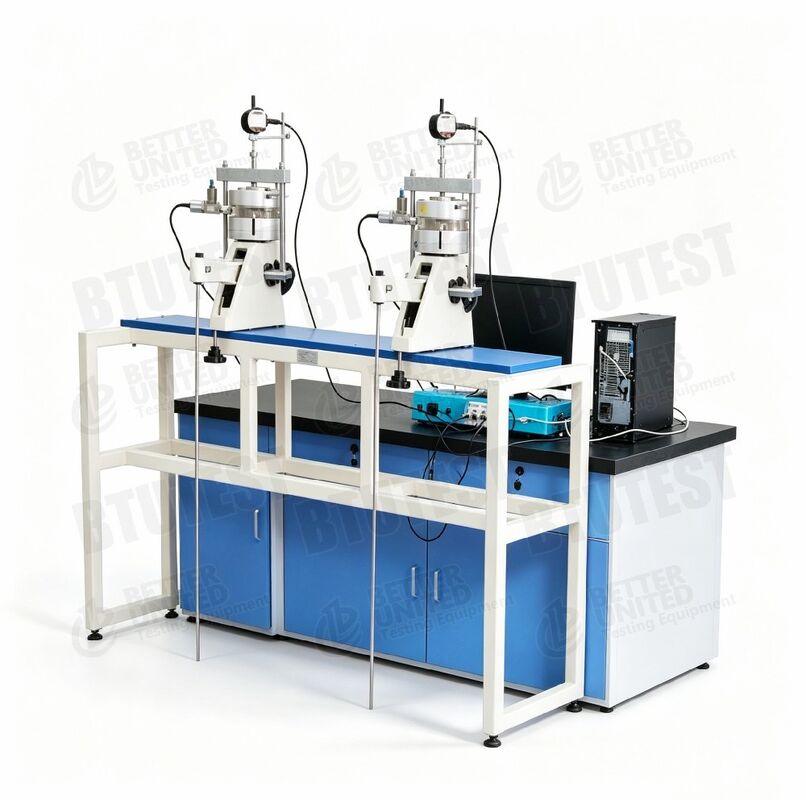
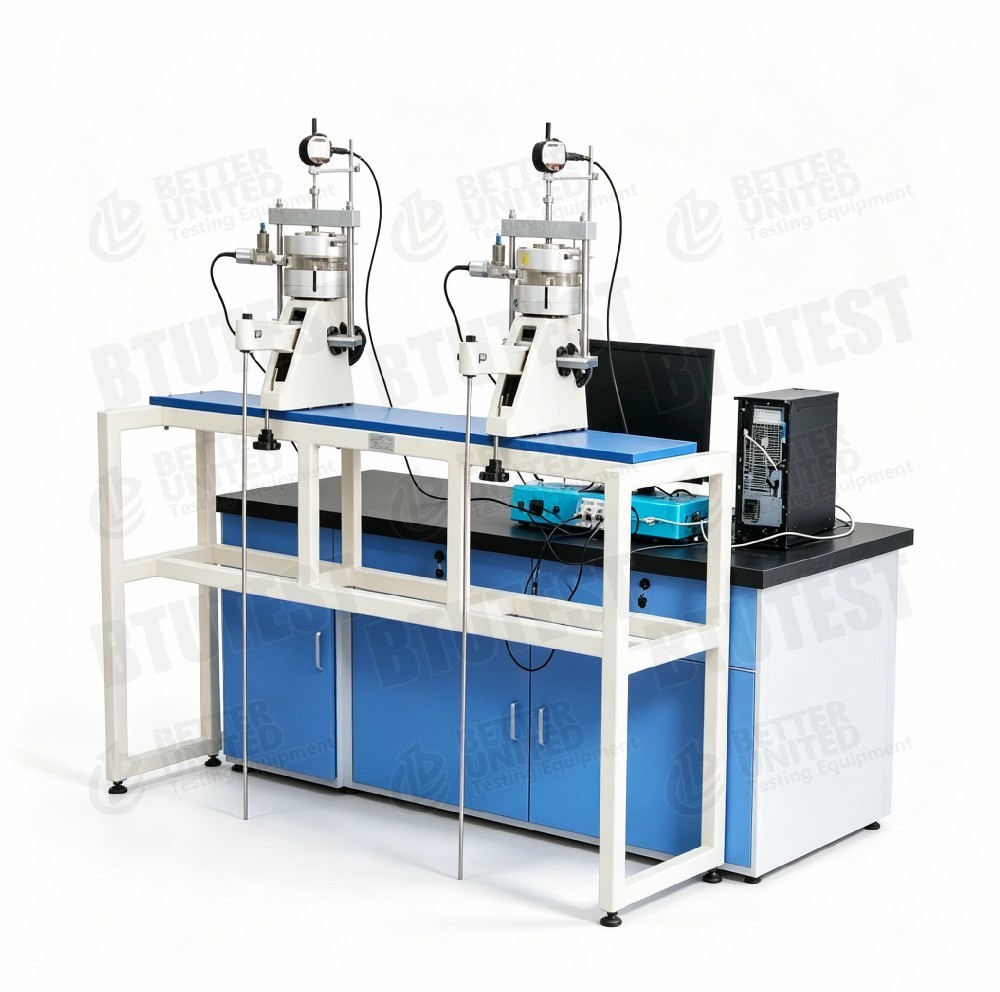
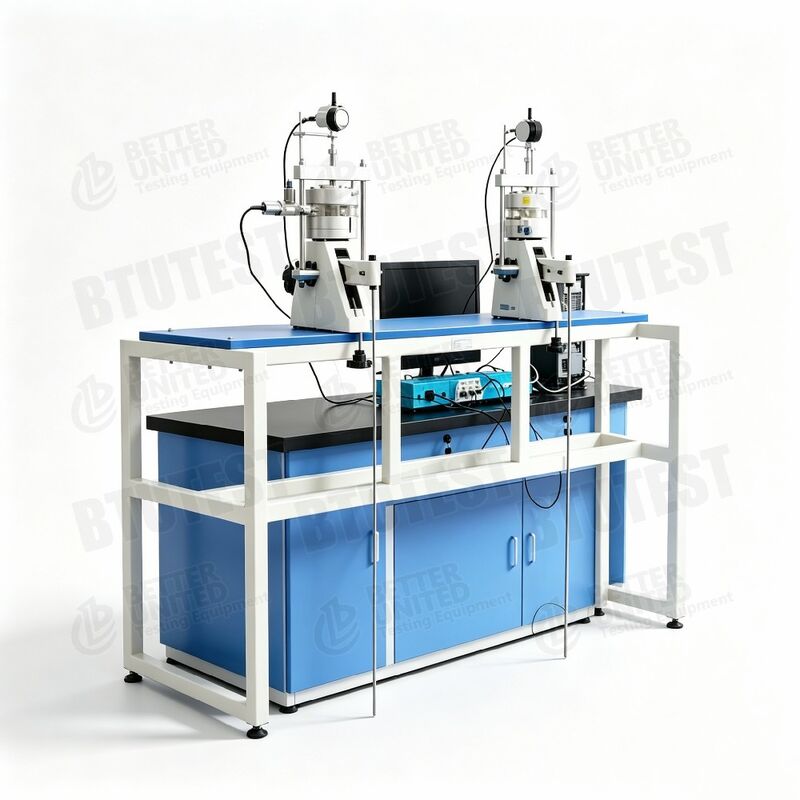
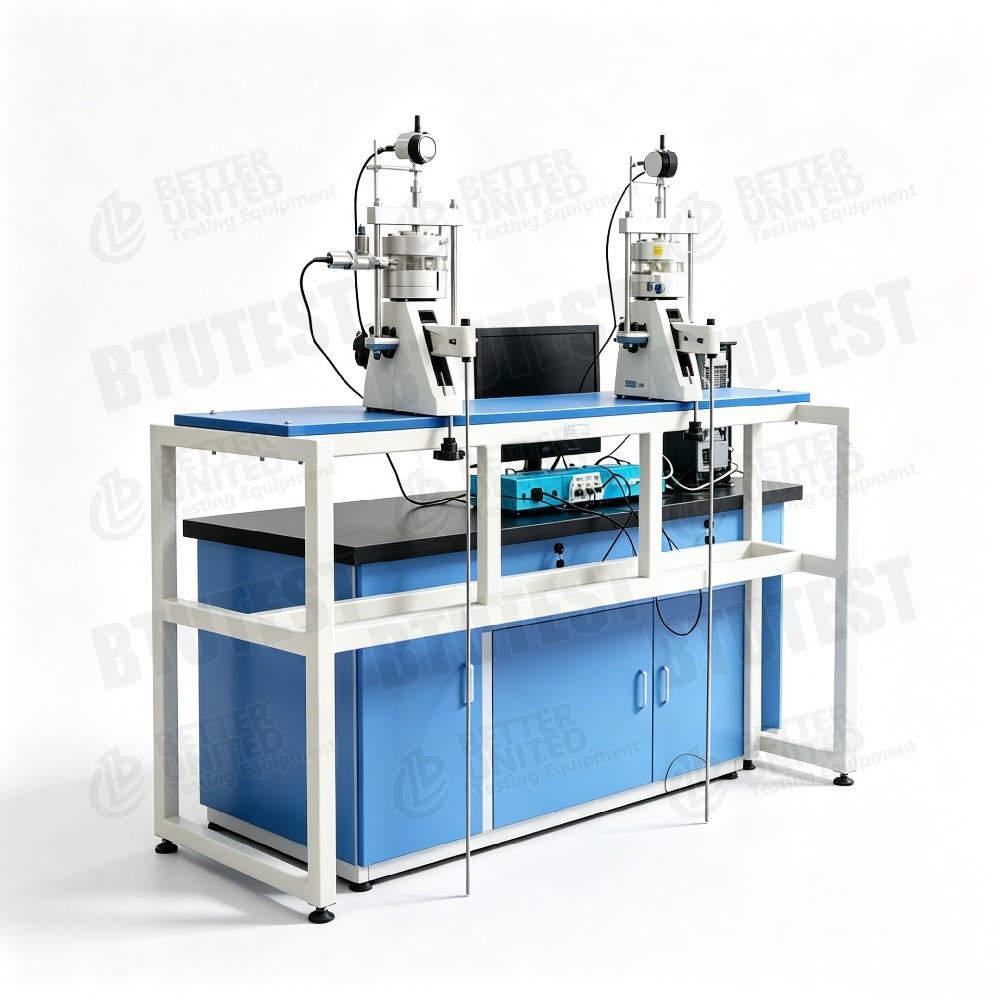
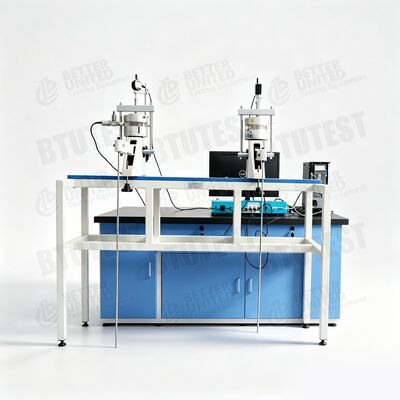
KO Consolidation Apparatus

Model BTU-STC-KO


Description

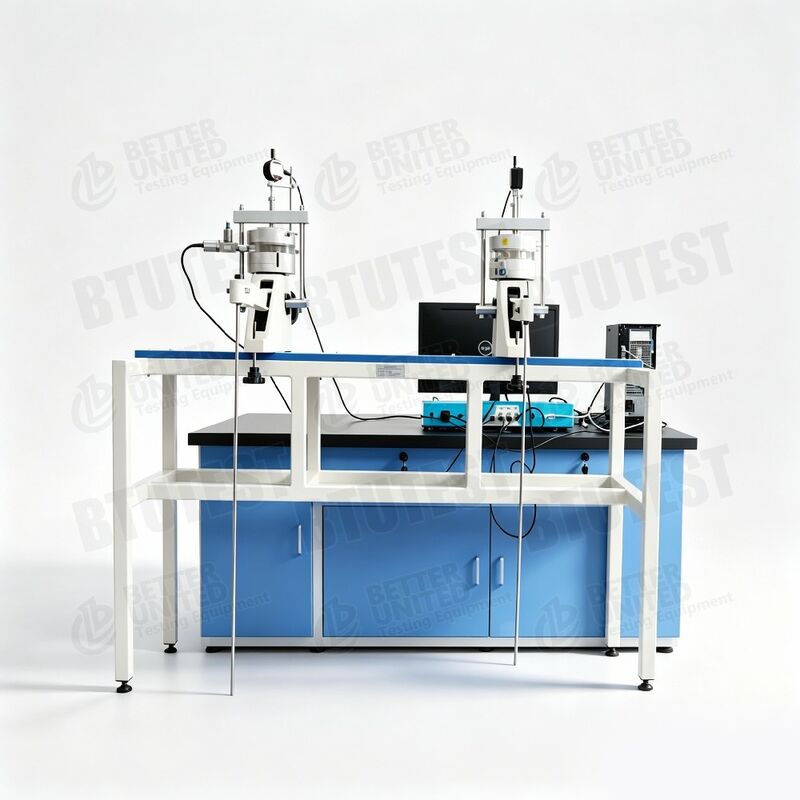
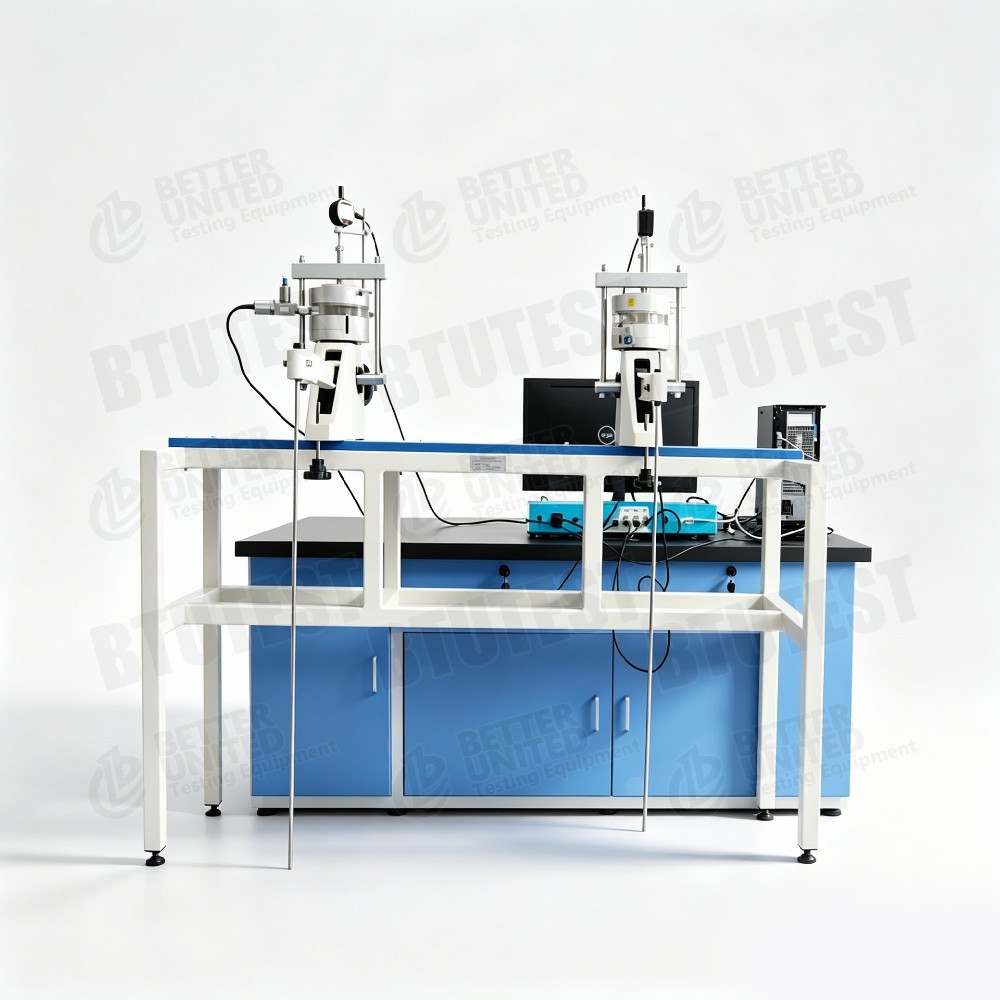
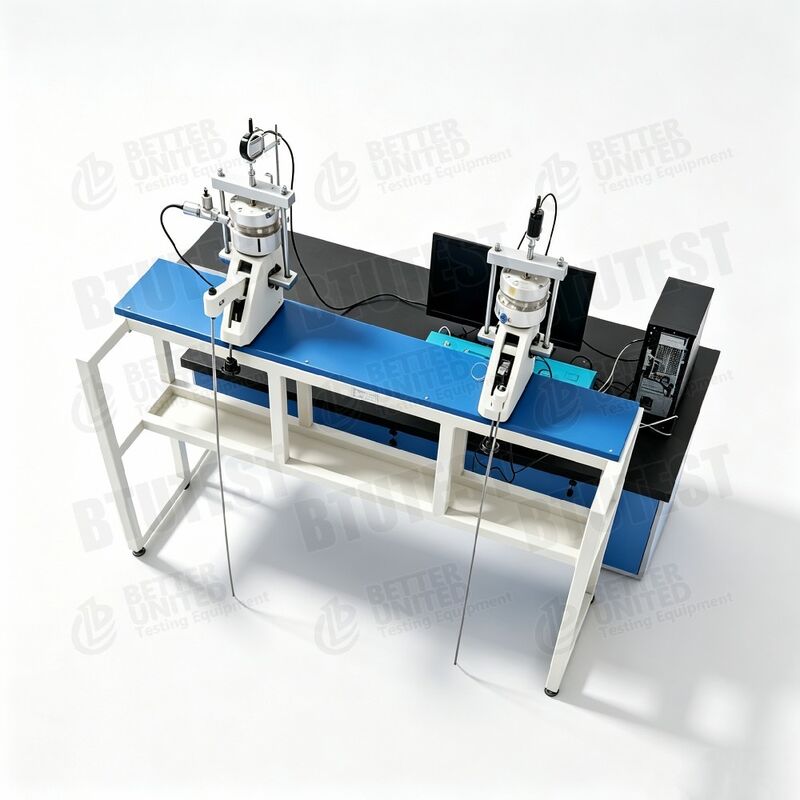
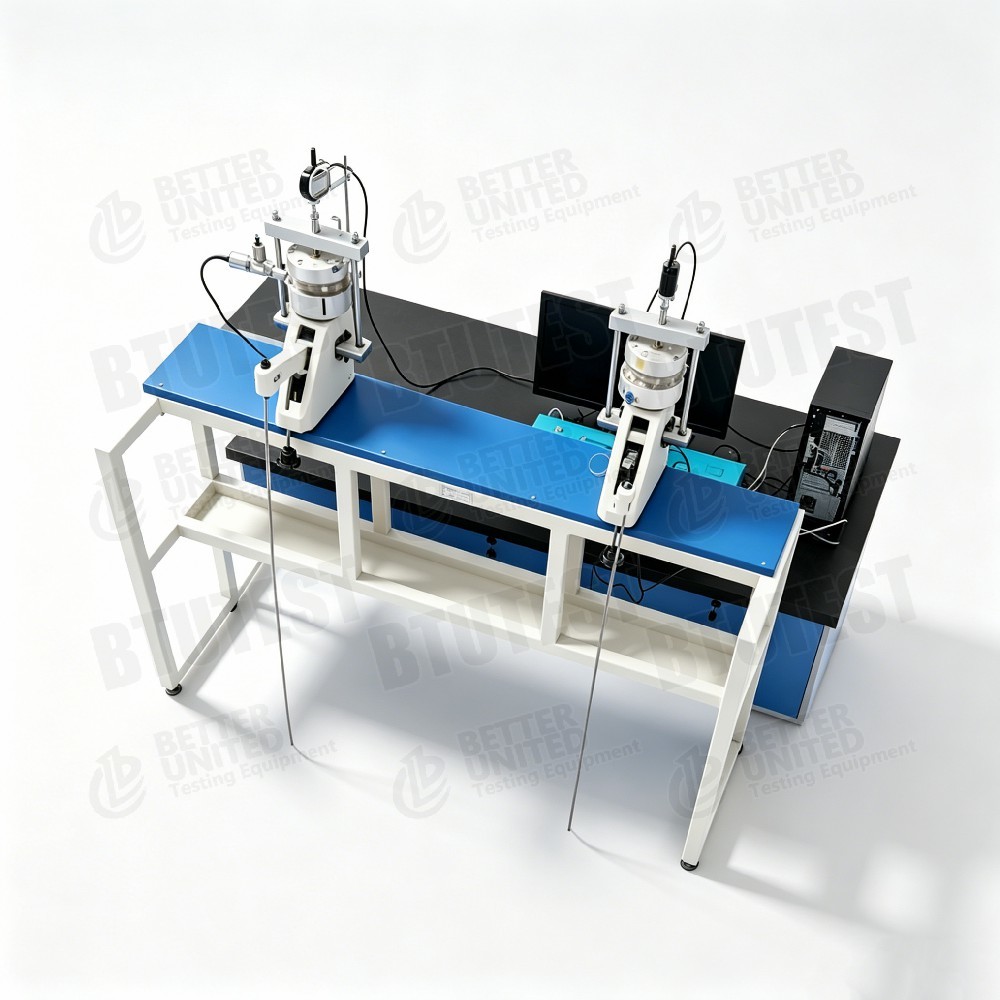
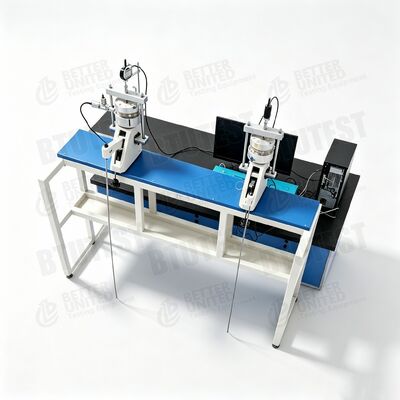
This equipment is a KO consolidation apparatus, modelBTU-STC-KO, used to determine thecoefficient of earth pressure at rest (K₀)of soil specimens with a diameter of Ø61.8 mm. The lateral pressure under no lateral strain conditions is measured using a pore pressure meter (or lateral pressure sensor). It is mainly used to study the compression characteristics of soil under lateral restraint, providing K₀ values for settlement calculations and earth pressure analysis.

System overview: The KO consolidation apparatus is used to determine the coefficient of earth pressure at rest for Ø61.8 mm soil specimens. The lateral pressure can be measured by a pore pressure meter.

Test Standards (International)

  • ASTM D2435(One‑dimensional consolidation – K₀ conditions can be derived)
  • ASTM D4186(CRS consolidation – K₀ measurement possible)
  • ASTM D4767(Triaxial compression – K₀ consolidation stage)
  • ISO 17892‑5(Consolidation test)
  • BS 1377‑6(Consolidation test)
  • Chinese GB/T 50123‑2019(Standard for soil test methods – includes K₀ test)


The equipment can meet the requirements of these standards for lateral pressure measurement, axial loading, displacement measurement, etc.

Specification

Parameter Specification
Model BTU-STC-KO
Instrument name KO consolidation apparatus
Specimen size Φ61.8 mm × H40 mm
Axial displacement 0‑12.7 mm, resolution 0.01 mm
Pressure cell seal No leakage at rated pressure, volume change <0.20 ml
Lateral pressure measurement Via pore pressure meter (or lateral pressure sensor)


Note: The screenshot does not specify maximum axial pressure, loading method (lever/servo), lateral pressure sensor range, accuracy, etc. – refer to the product manual.

Detail

  • K₀ consolidation principle– Under fully lateral restraint (zero lateral strain), axial pressure is applied to the specimen and the lateral pressure(σ h)is measured. The coefficient of earth pressure at rest is K₀ = σ_h / σ_v.
  • Specimen size– Diameter 61.8 mm, height 40 mm (height‑to‑diameter ratio ≈0.65, common for K₀ consolidation tests).
  • Axial displacement measurement– Range 12.7 mm, resolution 0.01 mm (10 μm), allowing precise compression recording.
  • Pressure cell seal– No leakage at rated pressure, volume change <0.20 ml (very small volumetric change, ensuring lateral rigidity).
  • Lateral pressure measurement– Using a pore pressure meter (connected to a lateral pressure sensor or liquid pressure sensor).
  • Suitable materials– Fine‑grained soils (clay, silty clay), commonly used for saturated soil K₀ determination.

Application

  • Foundation settlement calculation– K₀ values are used for settlement estimation of normally consolidated and overconsolidated soils (e.g., K₀ consolidation test method).
  • Earth pressure calculation– K₀ is needed for calculating earth pressure at rest on retaining walls, basement walls, etc.
  • Constitutive model parameters– Provides K₀ parameter for models such as Modified Cam Clay.
  • Laboratory testing– Research institutions and university soil mechanics laboratories.
  • Numerical model validation– Provides laboratory K₀ values for calibrating finite element models.

Advantages

  • Specialised K₀ consolidation– Dedicated design for measuring the coefficient of earth pressure at rest, compact structure.
  • High‑precision displacement measurement– 0.01 mm resolution, meeting consolidation deformation accuracy requirements.
  • Good sealing– Pressure cell volume change <0.20 ml, ensuring lateral restraint (approximate zero lateral strain).
  • Easy operation– Lateral pressure can be measured directly with a pore pressure meter.
  • Standard specimen size– Ø61.8 mm is a common size, facilitating sample preparation and comparison.
  • Compatibility– Can be used with various loading systems (lever, servo, etc., to be supplied separately).

What To Choose

Select this equipment or compare with other configurations based on testing requirements:

Requirement Recommendation Reason
Need to determine K₀ (coefficient of earth pressure at rest) This equipment is very suitable Specialised design
Specimen size requirement Ø61.8×40 mm Standard configuration No customisation needed
Need high‑precision lateral pressure measurement Requires optional high‑accuracy lateral pressure sensor Basic configuration may only include a pore pressure meter
Need automatic step loading or CRS Requires external servo loading system (this unit may be only the consolidation cell) The model may be a core unit requiring a separate load frame
Only routine consolidation (no K₀ required) Do not choose this model; select a standard consolidometer Single function
Need larger specimen size Custom or other model required Only supports Ø61.8 mm
Limited budget but need K₀ testing Consider a manual K₀ consolidation device Lower accuracy


Process Flow

Example:Standard K₀ consolidation test (step loading, saturated clay)


  • Specimen preparation
    • Cut undisturbed or remoulded clay specimen using a Ø61.8×40 mm ring.
    • Saturate (vacuum or back pressure saturation), measure initial water content and density.


  • Specimen installation
    • Place the specimen into the pressure cell of the K₀ consolidometer, with porous stones above and below.
    • Install the axial displacement sensor (zero it).
    • Connect the lateral pressure measurement system (pore pressure meter or lateral pressure sensor) and de‑air the pressure cell.
    • Position the pressure cell in the loading frame (e.g., a separate consolidometer main frame).


  • Apply initial seating pressure
    • Apply a small axial pressure (e.g., 5 kPa) and record initial axial displacement and lateral pressure.


  • Set test parameters
    • Define the load sequence (e.g., 25, 50, 100, 200, 400, 800 kPa).
    • Duration for each load step is typically 24 hours or until consolidation is stable (displacement change <0.01 mm per hour).
    • Set data acquisition intervals (e.g., 0.1, 1, 10, 60 minutes).


  • Start the test
    • Apply the first axial load step.
    • Record axial displacement and lateral pressure in real time.
    • At each load step, after axial displacement stabilises, record the lateral pressure.


  • Calculate K₀
    • For each load step, K₀ = lateral pressure(σh)/axial pressure(σv).
    • Plot K₀ vs. σ_v curve.


  • End and disassembly
    • After the test, unload, remove the specimen.
    • Clean the pressure cell and sensors.


  • Data processing
    • Calculate K₀ values for each load step; take the average or analyse the trend.
    • For normally consolidated soils, K₀ ≈ 1 – sin φ′ (Jaky’s formula) can be used for verification.
    • Generate a test report.


If the equipment is paired with aservo loading system, it can perform CRS or automatic step loading with real‑time lateral pressure acquisition, improving efficiency.


Summary:The BTU-STC-KO is a dedicated K₀ consolidation apparatus for determining the coefficient of earth pressure at rest of Ø61.8×40 mm soil specimens. It features an axial displacement resolution of 0.01 mm and a well‑sealed pressure cell (volume change <0.20 ml). Lateral pressure is measured via a pore pressure meter or lateral pressure sensor. It is suitable for foundation settlement calculations, earth pressure analysis, and constitutive model parameter determination. Note that the loading system (e.g., a consolidometer load frame) must be supplied separately; if high‑precision automatic loading is needed, a servo system can be added. The apparatus is designed for fine‑grained soils only, with a fixed specimen size.


Get in touch with us

Enter Your Message

You Might Be Into These