







|
Product Details:
|
|
| Place of Origin: | Made in China |
|---|---|
| Brand Name: | BTUTEST |
| Certification: | SGS, INTERTEK |
| Model Number: | BTU-WXY-1F/BTU-WXY-3F/BTU-WXY-6F |
|
Payment & Shipping Terms:
|
|
| Minimum Order Quantity: | 1 set |
| Price: | Negotiable |
| Packaging Details: | Soil Testing Equipment Standard export wooden box |
| Delivery Time: | 6 days after payment |
| Payment Terms: | L/C, D/A, D/P, T/T, Western Union |
| Supply Ability: | 100 sets per month |
|
Detail Information |
|||
| Max. Specimen Size (mm): | Ø101 × H200/Ø101 × H200/Ø101 × H200 | Max. Axial Force (kN): | 10/30/60 |
|---|---|---|---|
| Shearing Speed (mm/min): | 0.00001 ~ 6/0.00001 ~ 6/0.00001 ~ 6 | ||
Product Description
1. Description
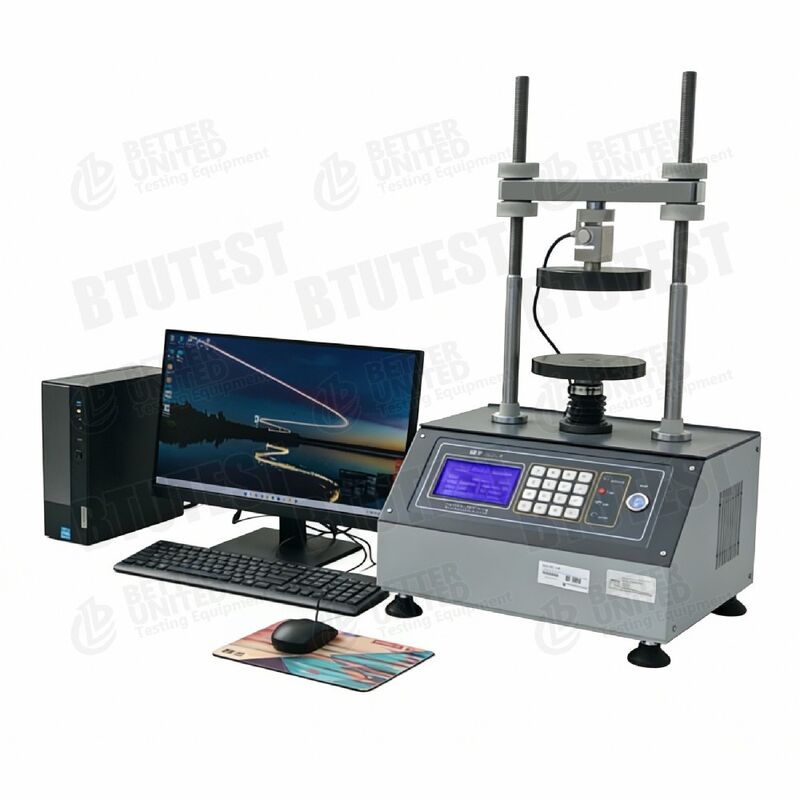
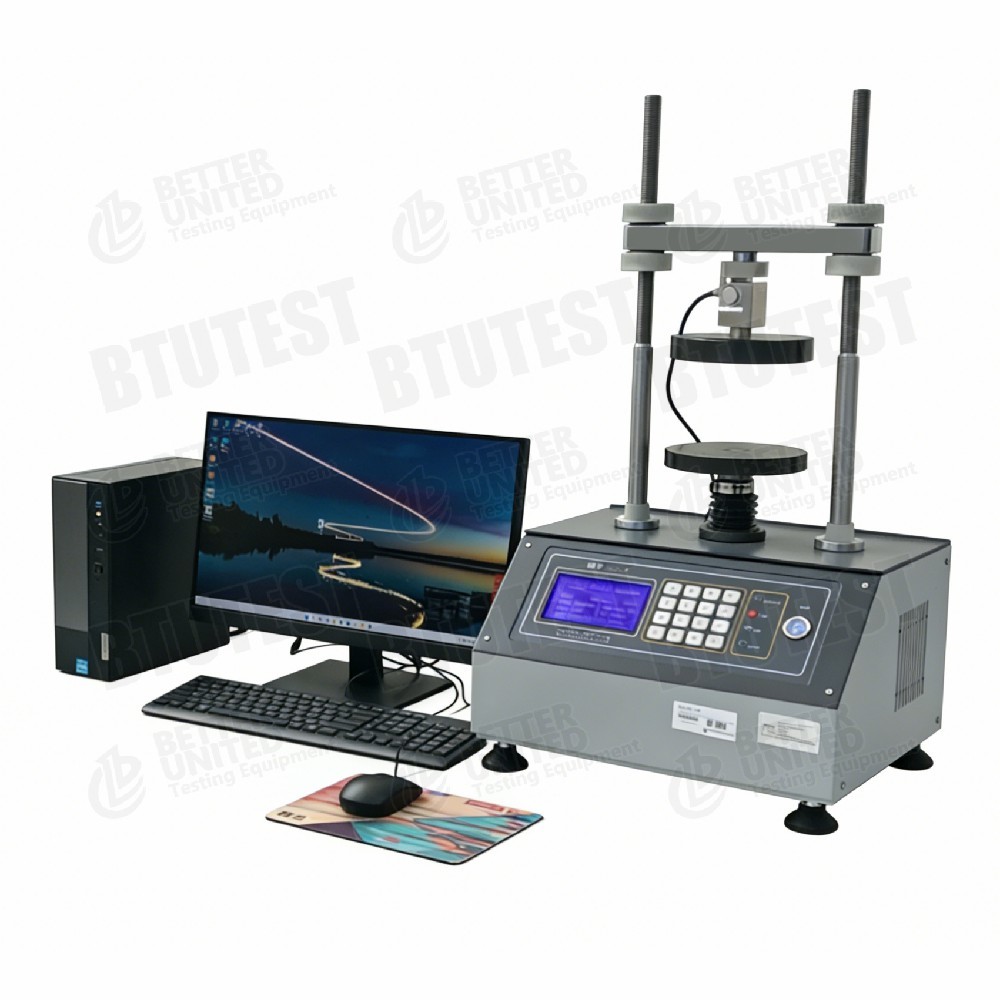
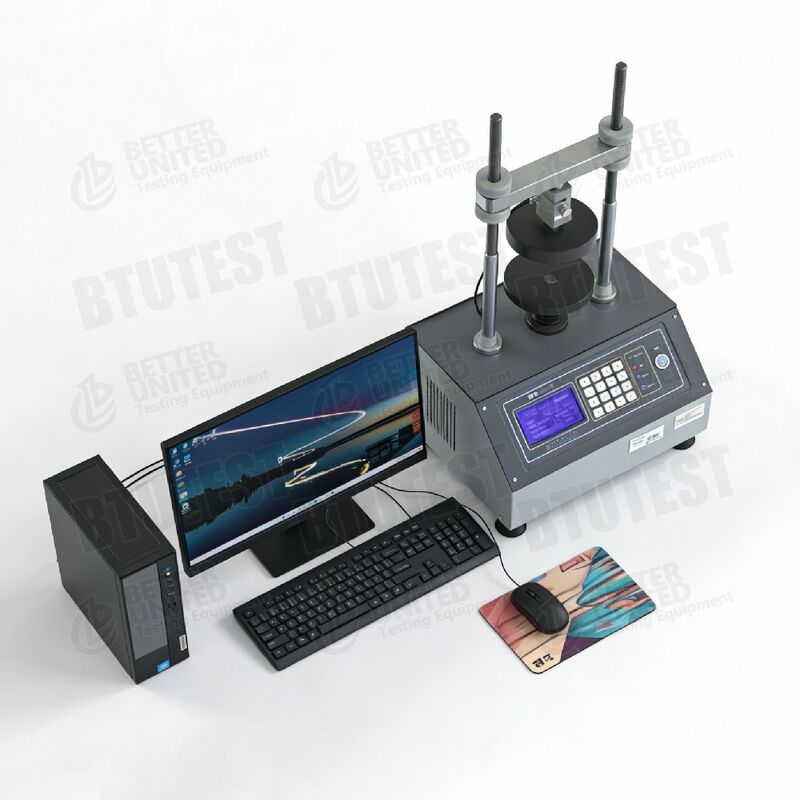
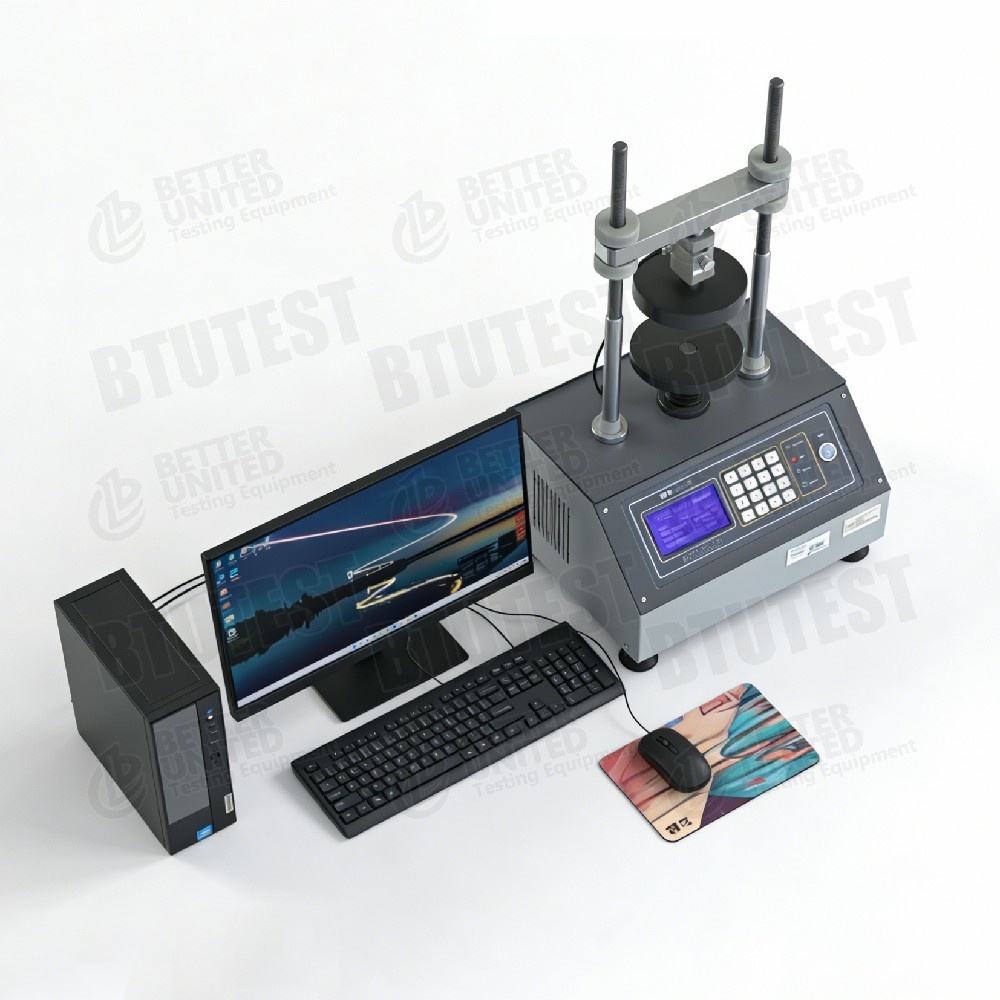
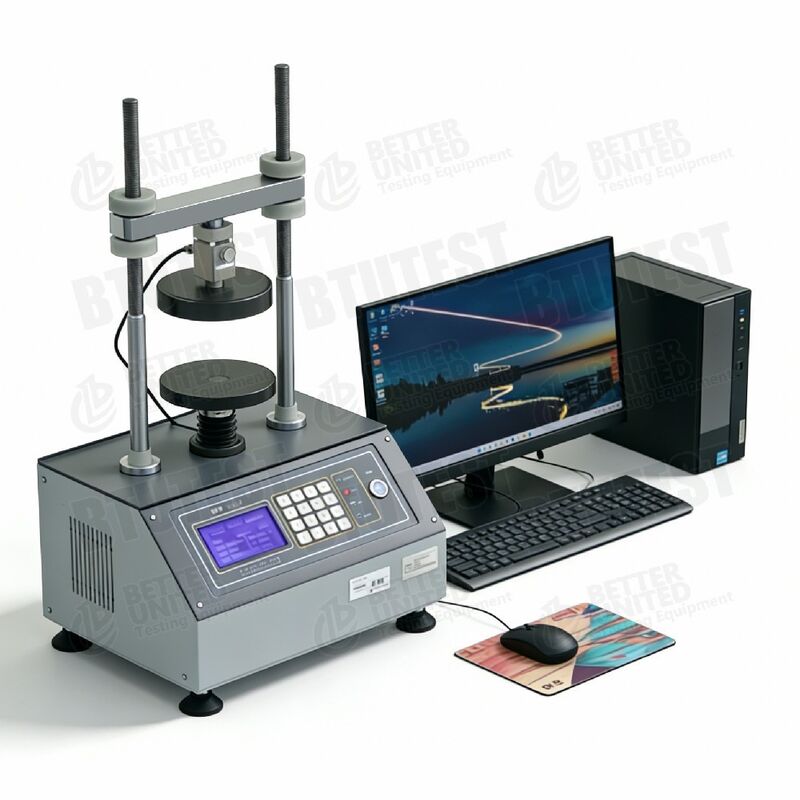
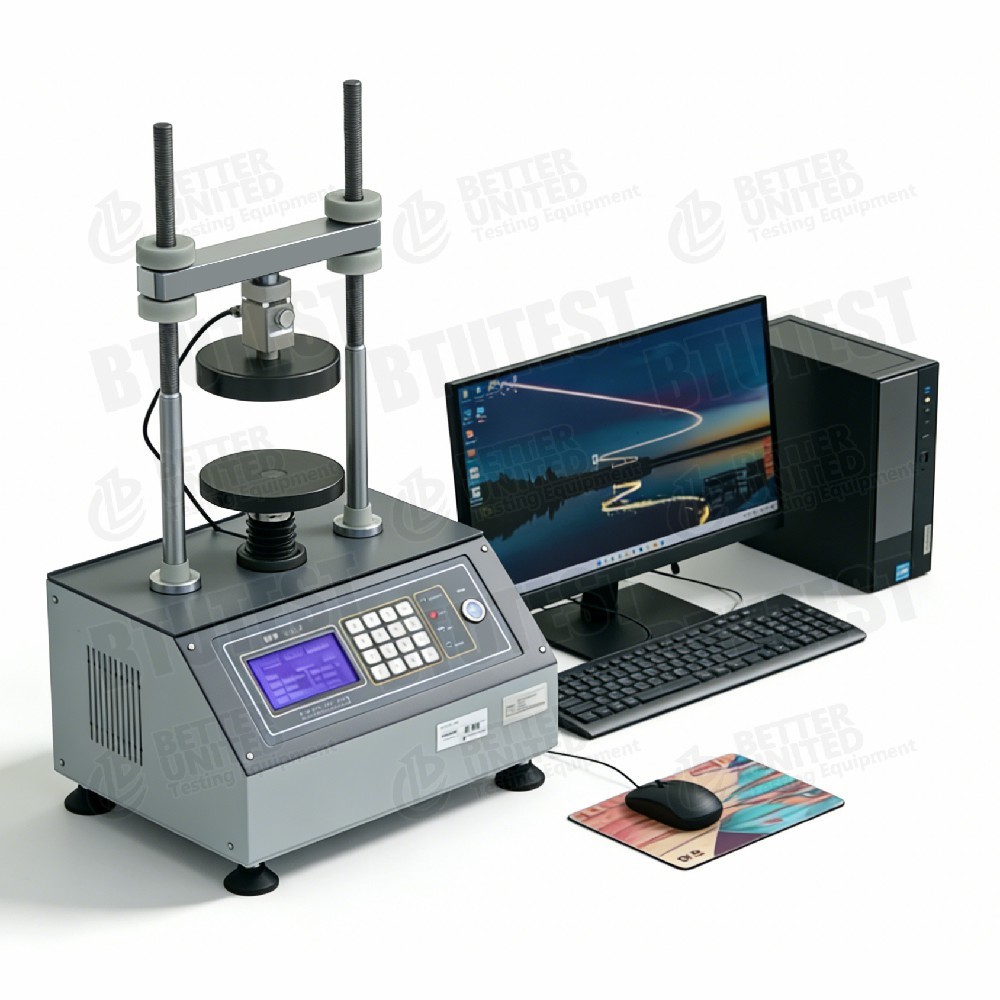
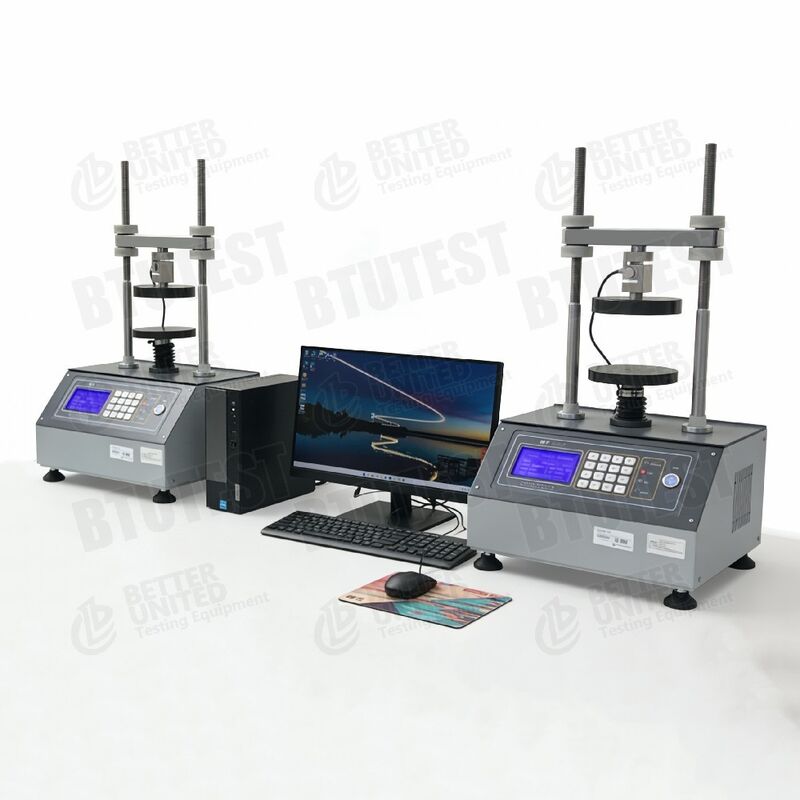
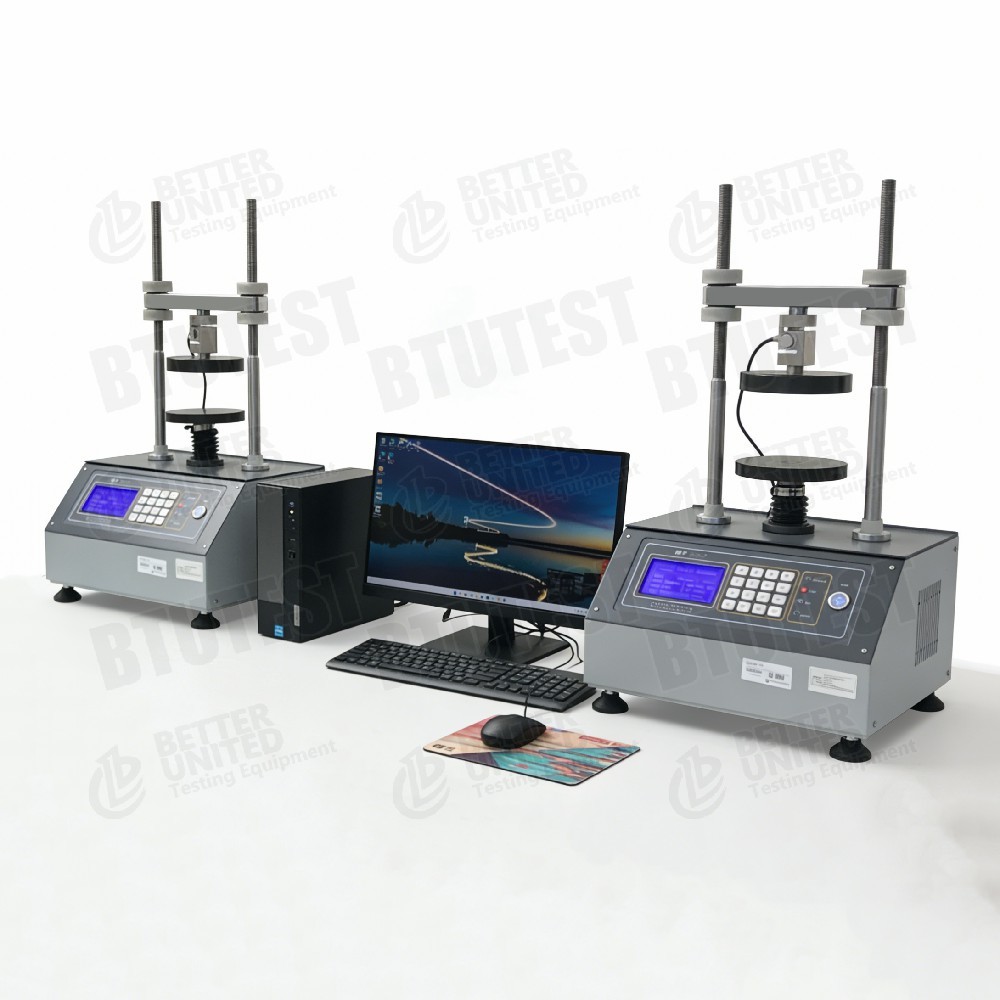
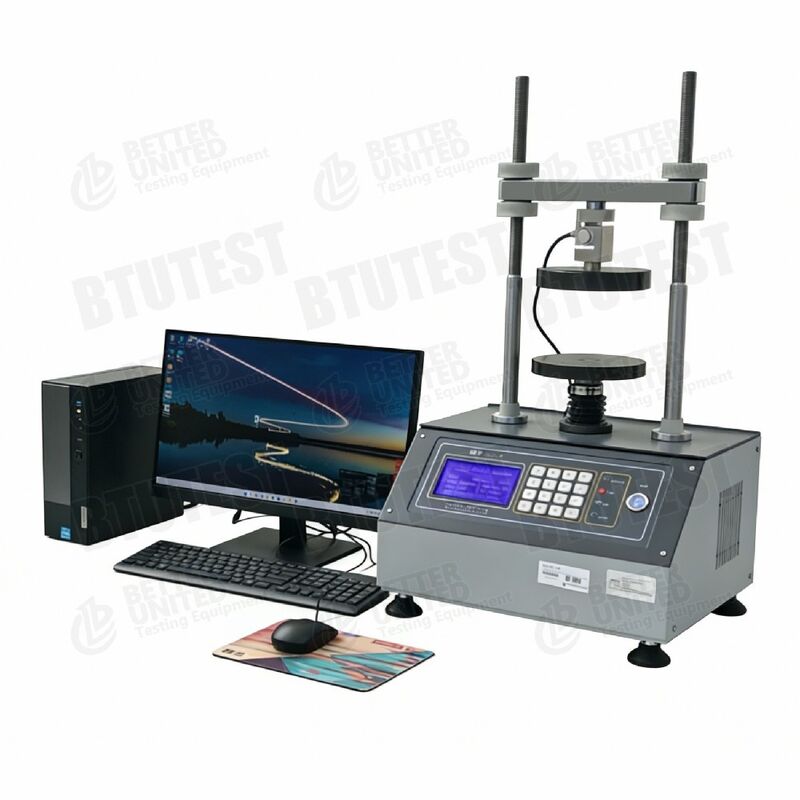
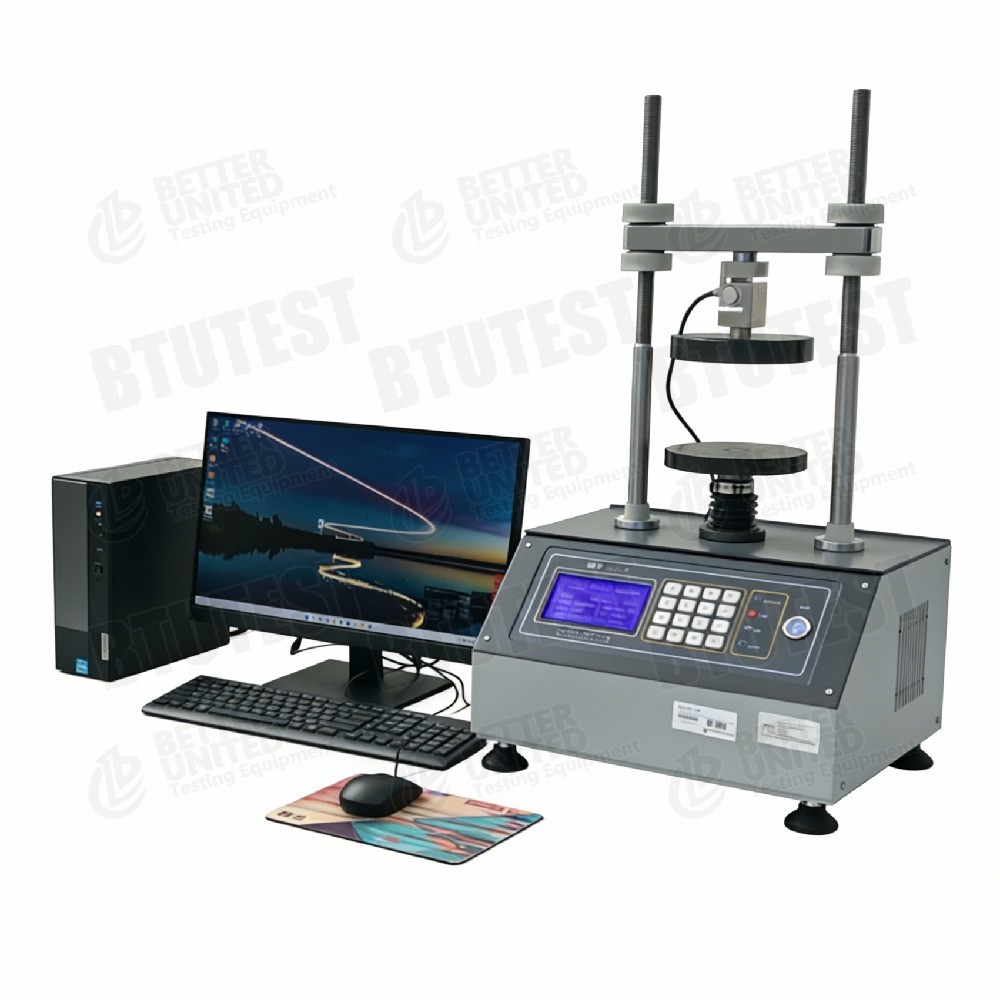
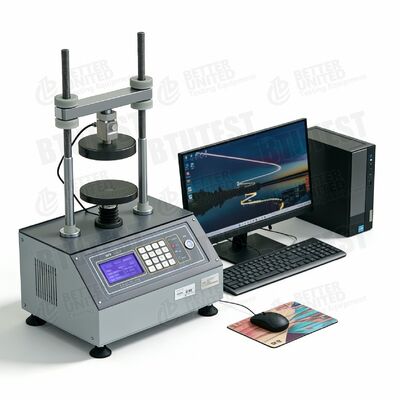
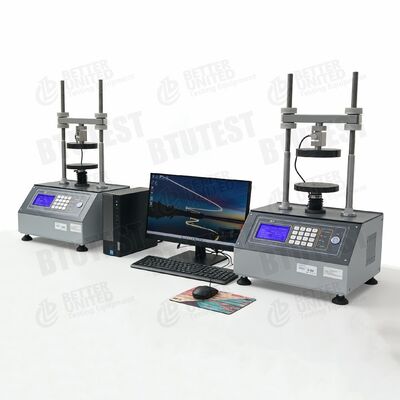
This equipment is a Fully Automatic Unconfined Compression Apparatus (BTU-WXY series), including models WXY-1F, WXY-3F, and WXY-6F. It is mainly used for unconfined compressive strength testing in geotechnical engineering (i.e., uniaxial compression test without confining pressure). The apparatus enables fully automatic control, data acquisition, and processing throughout the test, real-time display of various curves, and automatic generation of standard-compliant test tables and curves.
2. Test Standards
3. Specification (Parameter)
| Model | Max. specimen size (mm) | Max. axial force (kN) | Shearing speed (mm/min) |
| BTU-WXY-1F | Ø101 × H200 | 10 | 0.00001 ~ 6 |
| BTU-WXY-3F | Ø101 × H200 | 30 | 0.00001 ~ 6 |
| BTU-WXY-6F | Ø101 × H200 | 60 | 0.00001 ~ 6 |
4. Detail (technical details)
l Specimen size: Max. Ø101 mm × H200 mm, a standard size for unconfined tests.
l Axial force ranges: Three optional capacities – 10kN, 30kN, 60kN – allowing selection of an appropriate load range based on soil strength to improve measurement accuracy.
l Shearing speed: 0.00001 ~ 6 mm/min, wide adjustable range, supporting both ultra-slow creep-type failure tests and conventional speeds (e.g., 1–2 mm/min) for standard tests.
l Software functions:
u Fully automatic control of shearing speed and loading process
u Real-time acquisition and display of displacement, stress, strain, and other curves
u Automatic generation of standard-compliant tables and curves after the test
u Supports data export and printing
5. Application
l Road and subgrade engineering: Determine unconfined compressive strength of soils to evaluate bearing capacity
l Slope and excavation engineering: Obtain undrained shear strength
l Soft soil evaluation: Quality control of soft clays, compacted fills
l Material comparison: Strength comparison tests of different stabilized soils (cement/lime treated soils)
l Teaching laboratories: Basic soil mechanics experimental instruction
6. Advantages
l Fully automatic operation: No manual intervention required for shearing speed or data recording, improving test efficiency and repeatability
l Selectable load ranges(10/30/60kN): Different models cover different strength ranges; alternatively, a single unit may accommodate multiple ranges by changing sensors (depending on configuration)
l Ultra-low speed capability: 0.00001 mm/min for studying failure processes or creep characteristics
l Highly integrated software: From control and acquisition to report generation – all in one, lowering operational barriers
l Compact design: Simpler than triaxial apparatus, suitable for field laboratories or rapid testing
7. What To Choose (selection guide)
| Specimen type / strength range | Recommended model | Reason |
| Soft clay, clay (qu < 200 kPa) | WXY-1F (10kN) | Range matches, better sensor accuracy |
| Ordinary cohesive soil, silt (qu ~ 200–600 kPa) | WXY-3F (30kN) | Common range, with margin |
| Stiff clay, cement-stabilized soil, treated soil | WXY-6F (60kN) | Suitable for high-strength materials, avoids overloading |
| Teaching lab (various soil types) | WXY-3F or WXY-6F | Broader coverage, suits both soft and hard soils |
| Ultra-slow failure process study | Any model | All models support 0.00001 mm/min |
8. Process Flow
1. Specimen preparation→ Prepare a cylindrical soil specimen of Ø101×H200 mm (undisturbed or remoulded)
2. Mount specimen→ Place the specimen centered on the lower platen; adjust the upper platen to contact the specimen surface (apply a minimal initial seating load)
3. Parameter setting→ Set shearing speed and data acquisition frequency in the software
4. Start test→ The system automatically applies axial load at the set speed, acquiring axial force and displacement in real time
5. Data monitoring→ Software plots stress-strain curve, axial force vs. time curve, etc., in real time
6. Failure determination→ Stop when a peak stress is followed by continued loading to 15–20% axial strain, or when the specimen shows obvious failure
7. Result processing→ Calculate unconfined compressive strength qu; if needed, calculate undrained shear strength Su = qu/2
8. Report output→ Software automatically generates standard-compliant tables and stress-strain curves; supports printing or export
Enter Your Message

Try our best,make things better. People first,Innovative Productivity,Common Solutions
| Hebei Better United Import And Export Co., Ltd. |
| Hejie Town,Xianxian County,Cangzhou City,Hebei Province,China |
| 86-151-2879-5929 |
| sales@btutest.com |