
logo
Send Message
Hebei Better United Import And Export Co., Ltd.

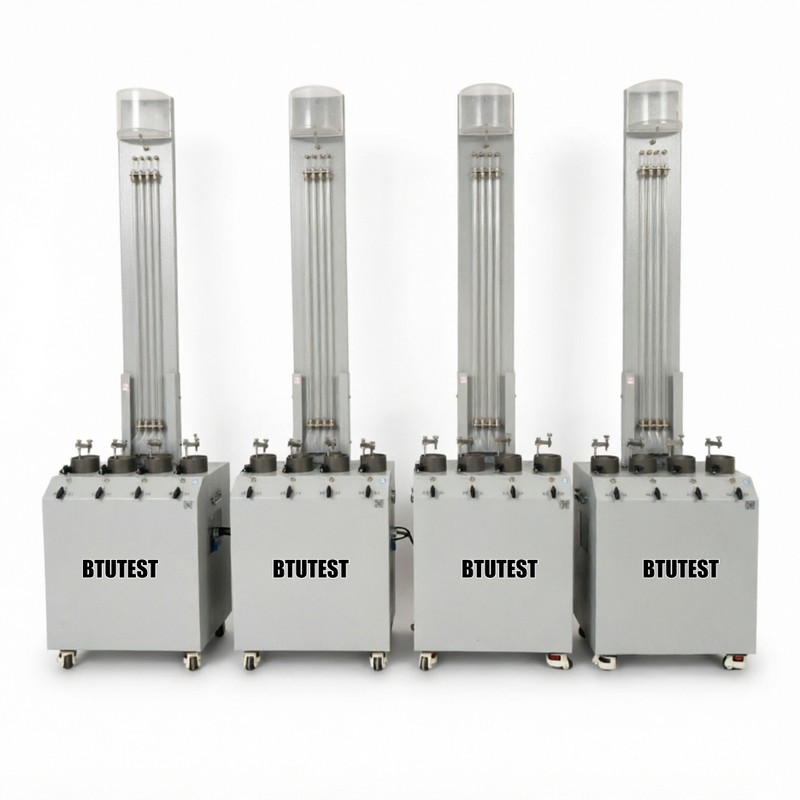
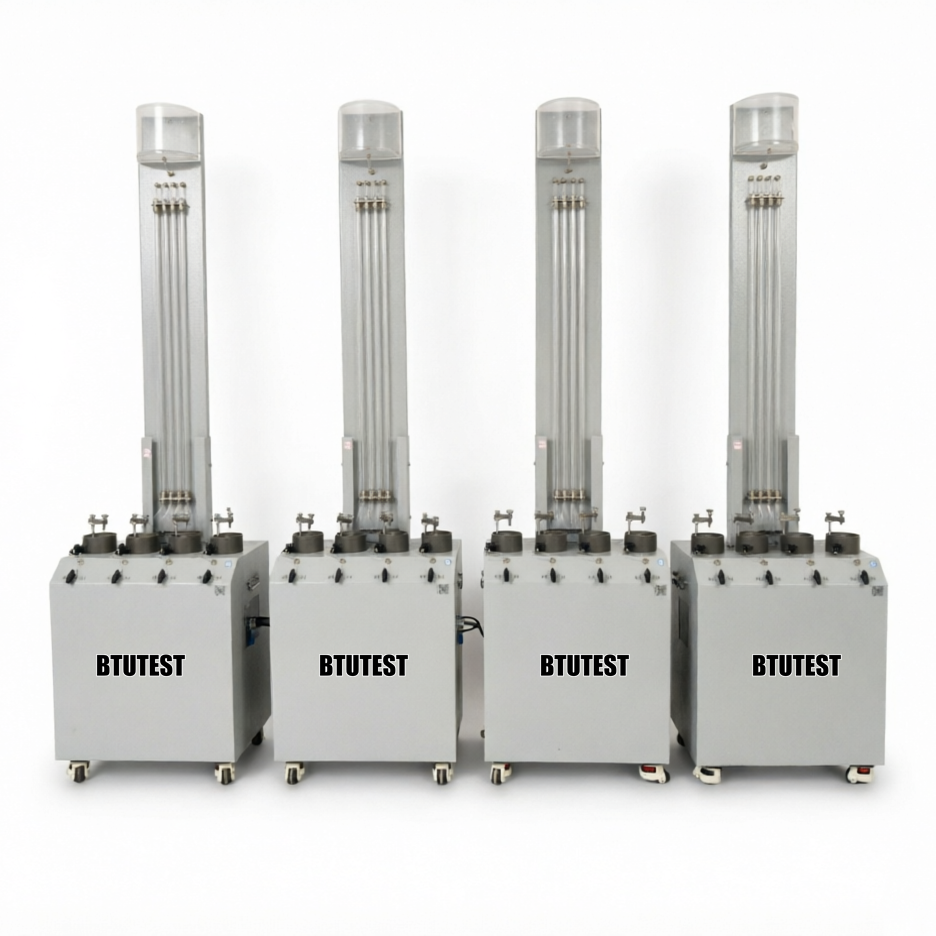
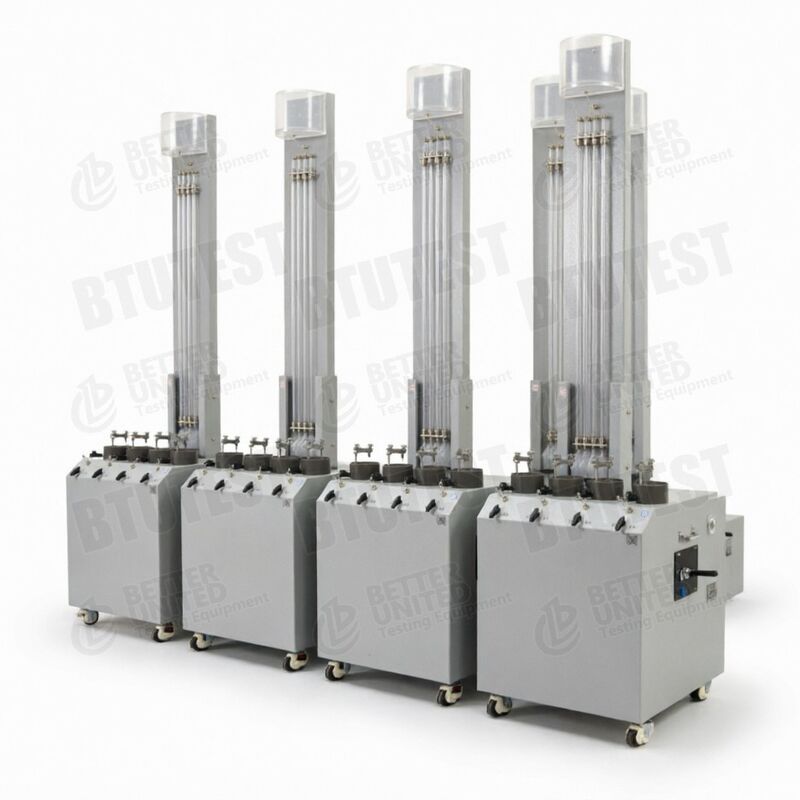
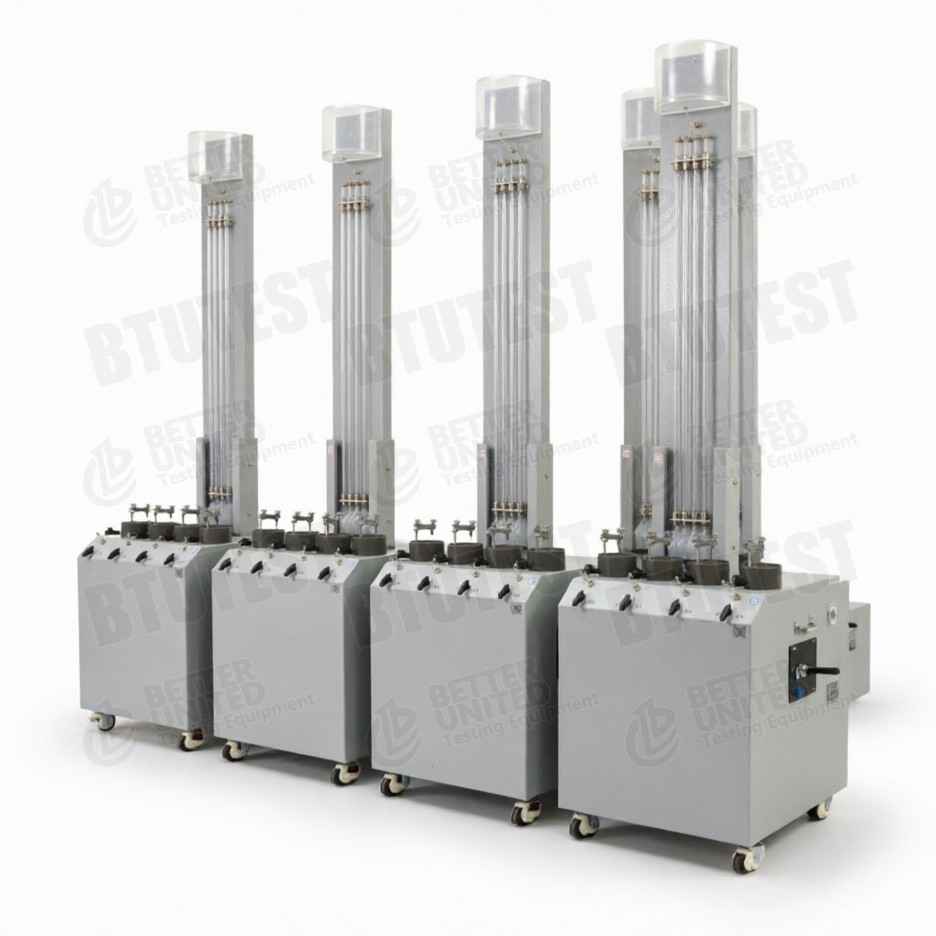
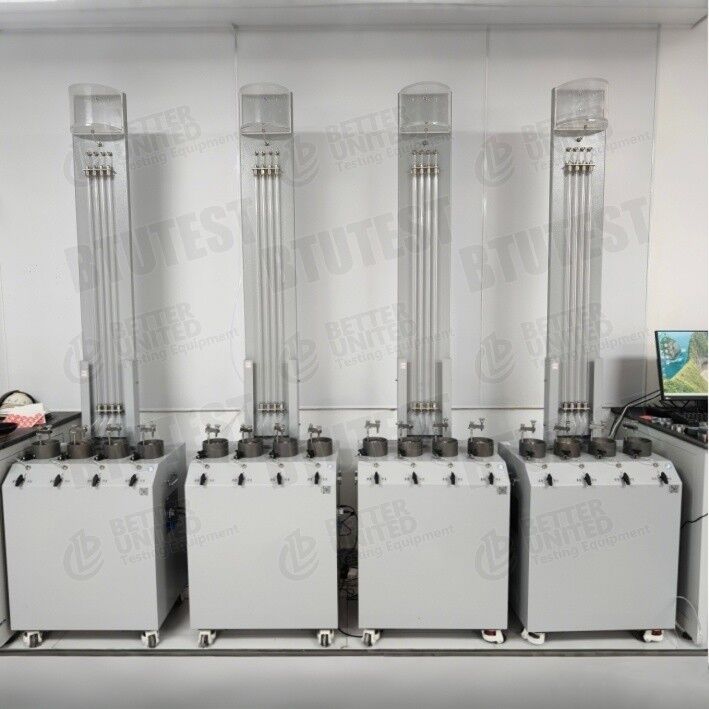
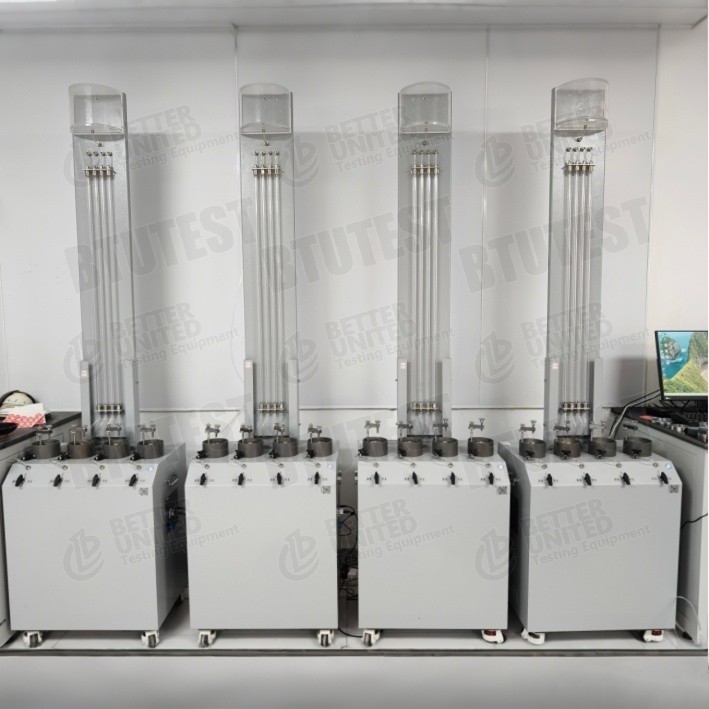
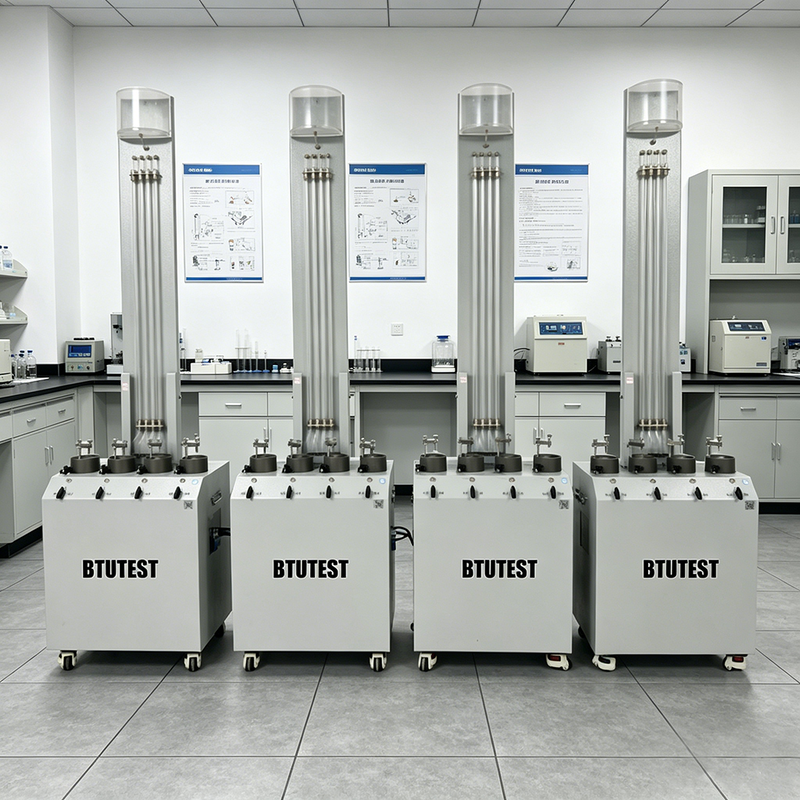
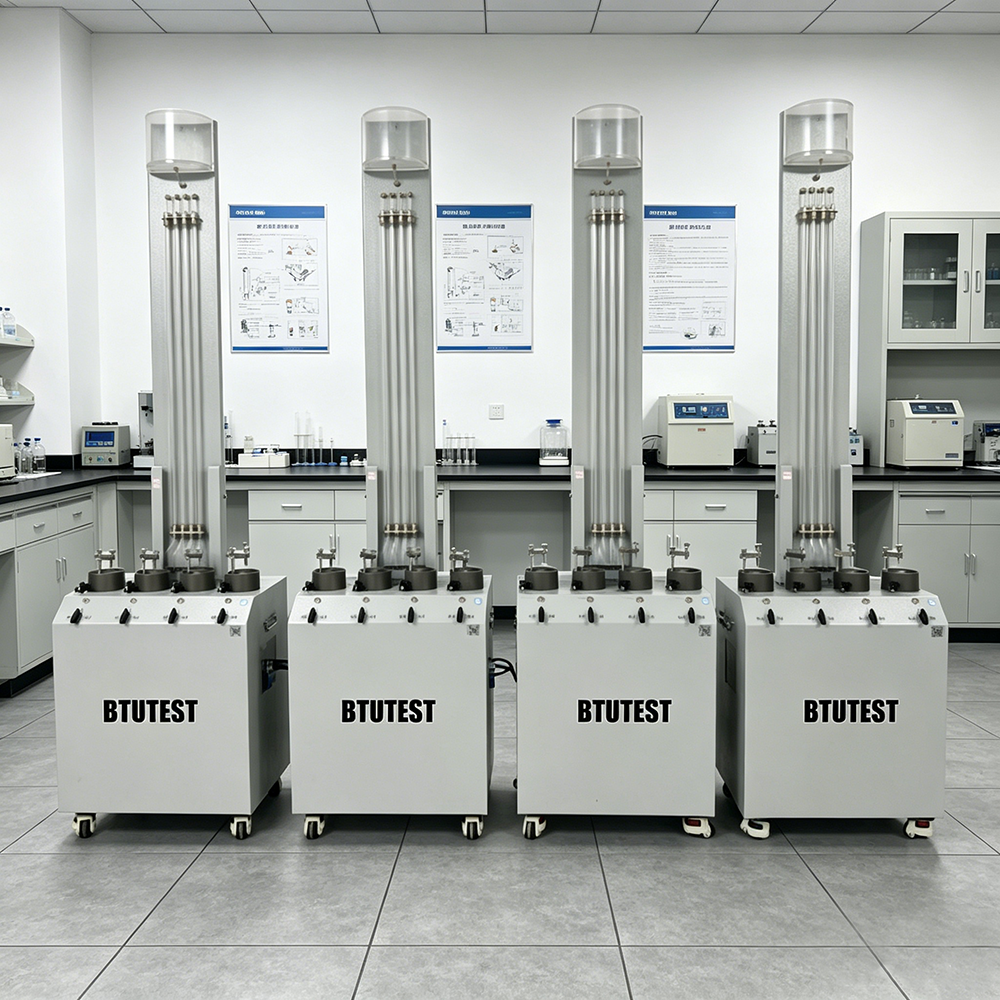
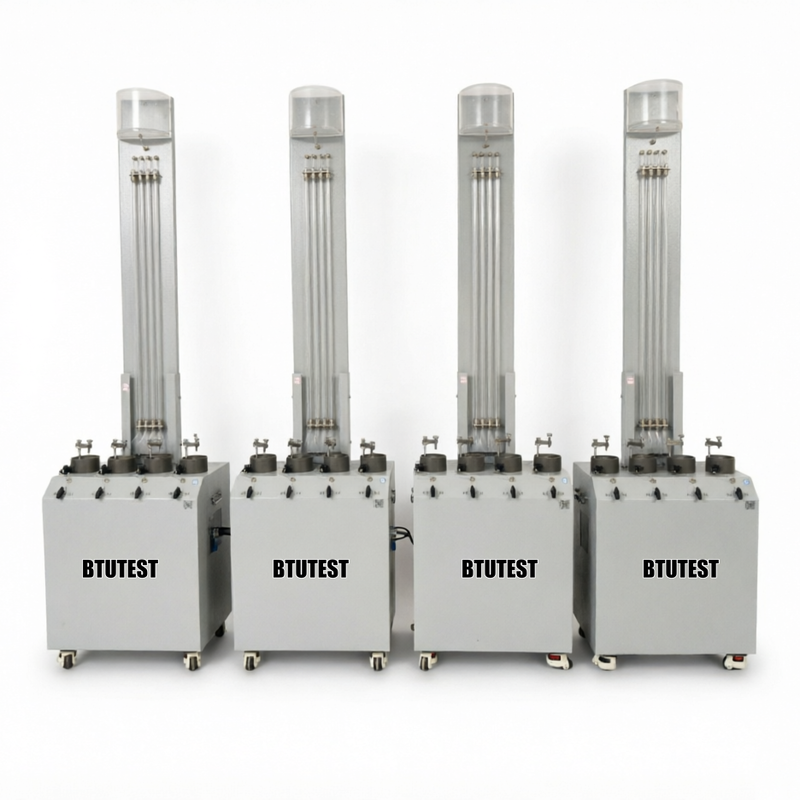
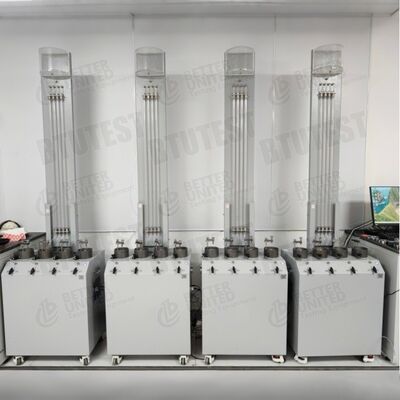
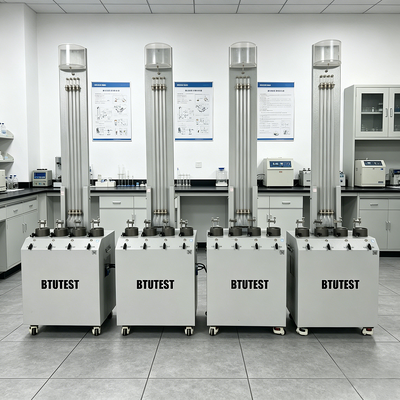
Smart Four-Unit Falling Head Permeameter

Product Details:
Place of Origin: Made in China
Brand Name: BTUTEST
Certification: SGS, INTERTEK
Model Number: BTU-FHP-4
Payment & Shipping Terms:
Minimum Order Quantity: 1 set
Price: Negotiable
Packaging Details: Soil Testing Equipment Standard export wooden box
Delivery Time: 6 days after payment
Payment Terms: L/C, D/A, D/P, T/T, Western Union
Supply Ability: 100 sets per month
  • Detail Information
  • Product Description

Detail Information

Name: Smart Four-Unit Falling Head Permeameter Instrument Name: Smart Four‑unit Falling Head Permeameter For Fine‑grained Soils
Structure: Four Units (4 Independent Permeameter Cells) Specimen Diameter: 61.8 mm (area 30 cm²)
Specimen Height: 40 mm (flow Path Length) Falling Head Tube Cross‑sectional Area: 0.785 cm²

Product Description

Smart Four-Unit Falling Head Permeameter for Fine‑Grained Soils

Model BTU-FHP-4

Description

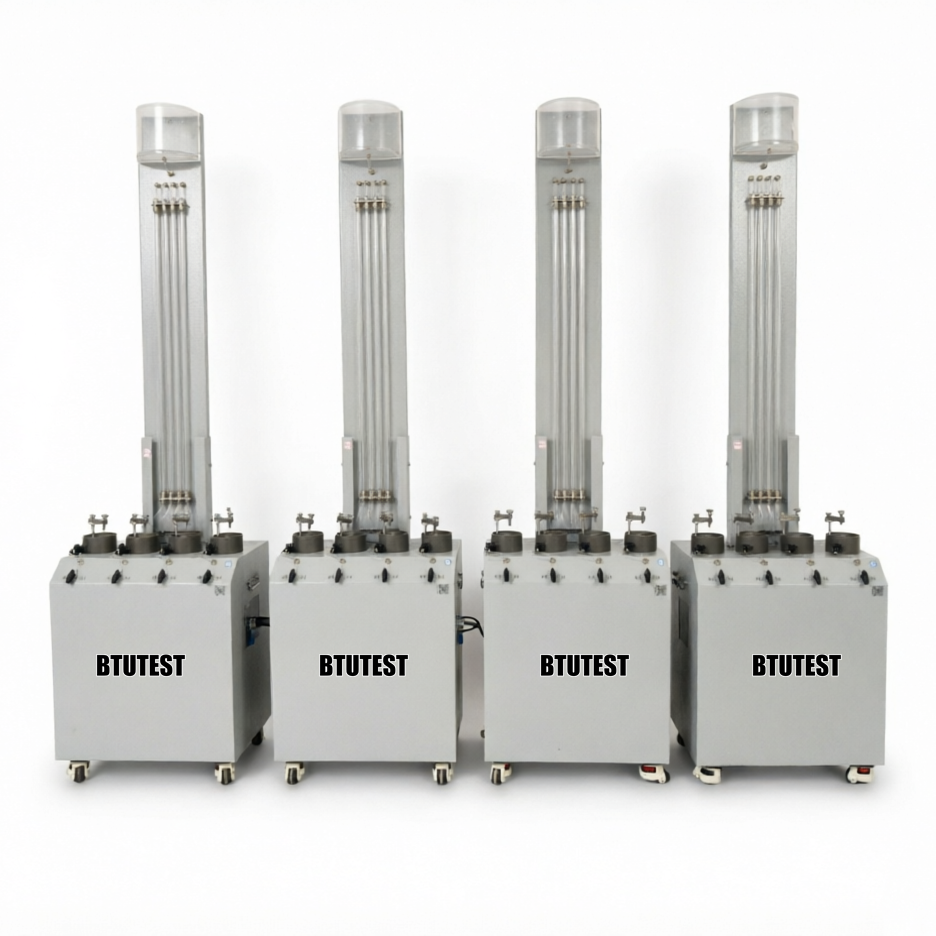
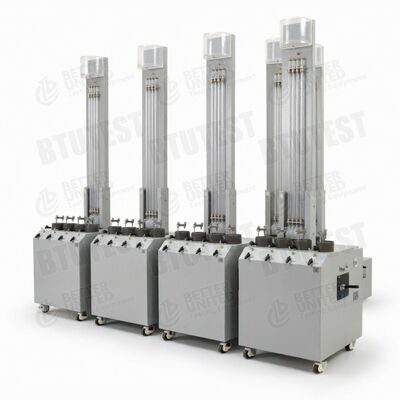
This equipment is a smart four‑unit falling head permeameter for fine‑grained soils, model BTU-FHP-4, used to determine the permeability coefficient of fine‑grained soils (silt, silty clay, clay, and environmental soils). It features a four‑unit structure, allowing simultaneous falling head permeability tests on four specimens, replacing the traditional Type 55 permeameter. Main features:

  • Fully automatic permeability coefficient tester
  • Specimen diameter 61.8 mm (area 30 cm²)
  • Specimen height 40 mm (flow path length)
  • Cross‑sectional area of the falling head tube 0.785 cm²
  • Liquid level sensor: range 2000 mm water head, resolution 0.1 mm, accuracy ±0.15% FS
  • Water reservoir: 6 L, sealed to maintain water cleanliness
  • Equipped with data acquisition system and software, real‑time display of water head height, test status, etc.
  • High‑speed communication interface with computer; software monitors real‑time operating curves, data storage and acquisition

Test Standards (International)

  • ASTM D5084(Standard test method for permeability of soils – falling head method)
  • ASTM D5856(Permeability of soil using flexible wall permeameter)
  • ISO 17892‑11(Geotechnical testing – Permeability test)
  • BS 1377‑6(British Standard – Permeability test)
  • Chinese SL 237-042(Geotechnical test procedure – Falling head permeability test)
  • JGS 0563(Japanese permeability test standard)

The equipment is suitable for falling head permeability tests on fine‑grained soils and can meet the requirements of the above standards regarding specimen size, water head measurement, data acquisition, etc.

Specification

Parameter Specification
Model BTU-FHP-4
Instrument name Smart four‑unit falling head permeameter for fine‑grained soils
Structure Four units (4 independent permeameter cells)
Specimen diameter 61.8 mm (area 30 cm²)
Specimen height 40 mm (flow path length)
Falling head tube cross‑sectional area 0.785 cm²
Liquid level sensor Range 2000 mm water head, resolution 0.1 mm, accuracy ±0.15% FS
Water reservoir 6 L, sealed
Data acquisition System and software included; real‑time display of water head, test status
Communication interface High‑speed interface Smart Four-Unit Falling Head Permeameter 0
Software functions Real‑time monitoring of curves, data storage and acquisition
Applicable soil types Silt, silty clay, clay, environmental soils
 

Detail

  • Four‑unit independent structure– Four specimens can be tested simultaneously, greatly improving efficiency; each permeameter cell is independent to avoid interference.
  • Designed for fine‑grained soils– Specimen diameter 61.8 mm, height 40 mm, conforming to standard specifications for fine‑grained soil permeability tests.
  • Falling head method– Suitable for low‑permeability soils (k = 10⁻⁵ to 10⁻⁸ cm/s), calculates permeability coefficient from the decay of water head over time.
  • High‑precision liquid level sensor– Range 2000 mm water head, resolution 0.1 mm, accuracy ±0.15% FS – far superior to manual reading.
  • Sealed water reservoir– 6 L capacity; sealed design prevents contamination and evaporation of the water source.
  • Fully automatic acquisition and software– Real‑time display of water head decay curves, automatic calculation of permeability coefficient, automatic data storage, curve playback.
  • Replaces traditional Type 55 permeameter– Traditional Type 55 is single‑unit with manual reading; this equipment is four‑unit and fully automatic, greatly improving efficiency and accuracy.
  • Clear applicability– Silt, silty clay, clay, and environmental soils (e.g., contaminated soil, solidified/stabilised soil).

Application

  • Geotechnical site investigation– Determine permeability coefficients of natural fine‑grained soil layers for seepage analysis.
  • Fill engineering– Evaluate permeability of embankments, dam fills, and subgrades.
  • Environmental geotechnics– Measure permeability of contaminated soils and solidified/stabilised soils to assess barrier performance.
  • Teaching and research– University soil mechanics laboratories for student experiments and research testing.
  • Replacement of old equipment– Upgrade from traditional Type 55 permeameters for higher automation.

Advantages

  • Four‑unit high efficiency– Four specimens tested in one run, four times the efficiency of a single‑unit device.
  • Fully automatic measurement– Liquid level sensors automatically record water head changes; software automatically calculates permeability coefficient, eliminating human reading errors.
  • High precision– Water head resolution 0.1 mm, accuracy 0.15% FS – superior to manual reading (typically 1 mm).
  • Sealed water reservoir– Prevents water contamination and evaporation, ensuring stable water quality.
  • Real‑time curve monitoring– Software displays real‑time water head vs. time curves for easy test status assessment.
  • Automatic data storage– Test data can be exported for easy report generation.
  • Wide applicability– Silt, clay, silty clay, and environmental soils.
  • Upgrades traditional equipment– More advanced and convenient than Type 55 permeameters.

What To Choose

Select this equipment or compare with other types based on testing requirements:

Requirement Recommendation Reason
Need to test fine‑grained soils (silt, clay) Very suitable Specifically designed for fine‑grained soils
Need simultaneous testing of multiple specimens (duplicates or comparisons) Four‑unit structure is highly efficient Saves time
Need high‑precision permeability coefficients (research grade) 0.1 mm resolution, 0.15% accuracy Meets high requirements
Only coarse‑grained soils (sand, gravel) Not suitable – need constant head permeameter Falling head method is for fine‑grained soils
Limited budget, small testing volume Consider single‑unit Type 55 permeameter (manual) Lower cost but less efficient
Need on‑site rapid testing Not suitable – laboratory equipment Requires sample transport to lab
Need to test contaminated or special environmental soils Suitable (check chemical compatibility) Standard configuration is generally compatible
 

Process Flow

Example:Four‑unit falling head permeability test (fine‑grained soil)

  • Specimen preparation
    • Cut undisturbed fine‑grained soil or prepare remoulded specimen using a 61.8 mm × 40 mm cutting ring.
    • Measure initial water content and saturate the specimen (vacuum or water immersion).
  • Specimen installation
    • Place the saturated specimen into the permeameter cell (with porous stone at the bottom), ensuring no air leaks or sidewall leakage.
    • Mount the four permeameter cells onto the four‑unit base and connect the falling head tubes.
    • Connect the water reservoir and tubing, ensuring all connections are sealed.
  • De‑airing and saturation
    • Open the water inlet valve to allow water to flow upward through the specimen, expelling air bubbles from the specimen and lines.
    • Close the air vent valve to achieve full saturation of the specimen.
  • Set test parameters
    • In the software, input: specimen height (40 mm), specimen area (30 cm²), falling head tube cross‑sectional area (0.785 cm²).
    • Set initial water head (e.g., 1800 mm) and final water head (e.g., 200 mm).
    • Set sampling interval (e.g., 1 second or auto‑trigger).
  • Start the test
    • The software begins recording water head vs. time (automatically reading from the liquid level sensor).
    • Real‑time plot of water head decay curve (semi‑log scale).
    • The test automatically ends when the water head drops to the final value (or can be stopped manually).
  • Data recording and calculation
    • The software automatically records water head and time data.
    • Calculates the permeability coefficient using the falling head formula:
      e a = falling head tube cross‑sectional area, L = specimen height, A = specimen area, t = time interval, h₁ and h₂ are the corresponding water heads.
    • Multiple k values can be calculated over different time intervals and averaged.
  • Cleaning
    • After the test, close the water inlet, remove the specimen.
    • Clean the permeameter cells, tubing, and water reservoir.

Summary:The BTU-FHP-4 is a smart four‑unit falling head permeameter designed specifically for fine‑grained soils such as silt, clay, and silty clay. It can test four specimens simultaneously. Featuring a high‑precision liquid level sensor (0.1 mm resolution), fully automatic software, real‑time water head‑time curve display, and automatic permeability coefficient calculation, it replaces the traditional Type 55 permeameter and greatly improves efficiency and accuracy. It is suitable for geotechnical site investigation, fill engineering, environmental geotechnics, and other fields. Note that this equipment is not suitable for coarse‑grained soils (which require a constant head permeameter) and is intended for laboratory use.


Get in touch with us

Enter Your Message

You Might Be Into These