
logo
Send Message
Hebei Better United Import And Export Co., Ltd.

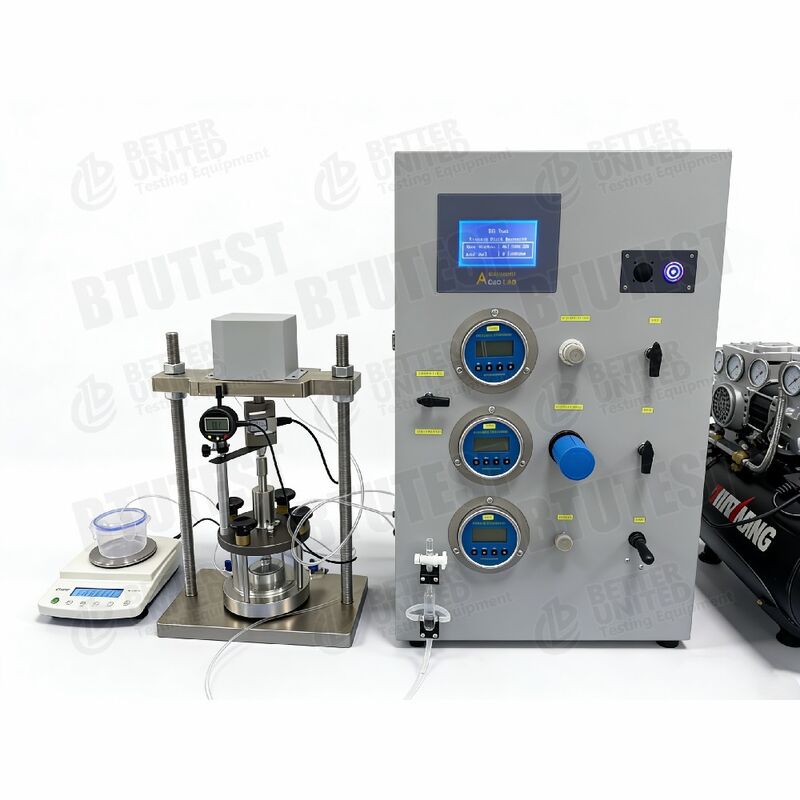
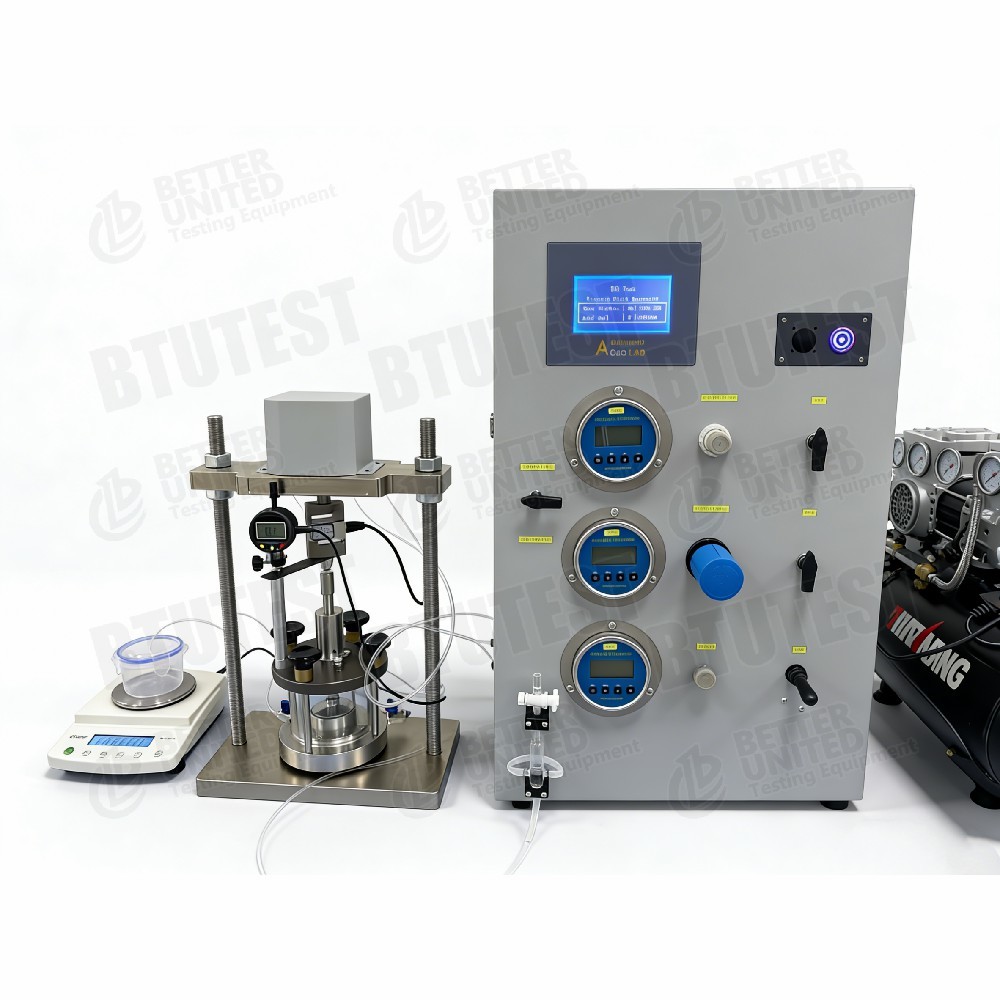
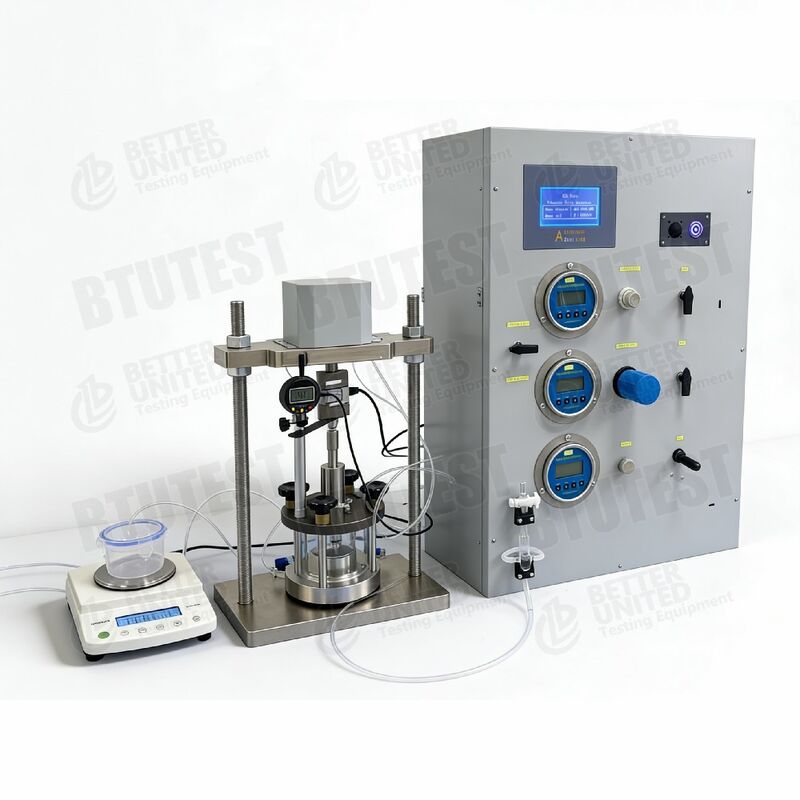
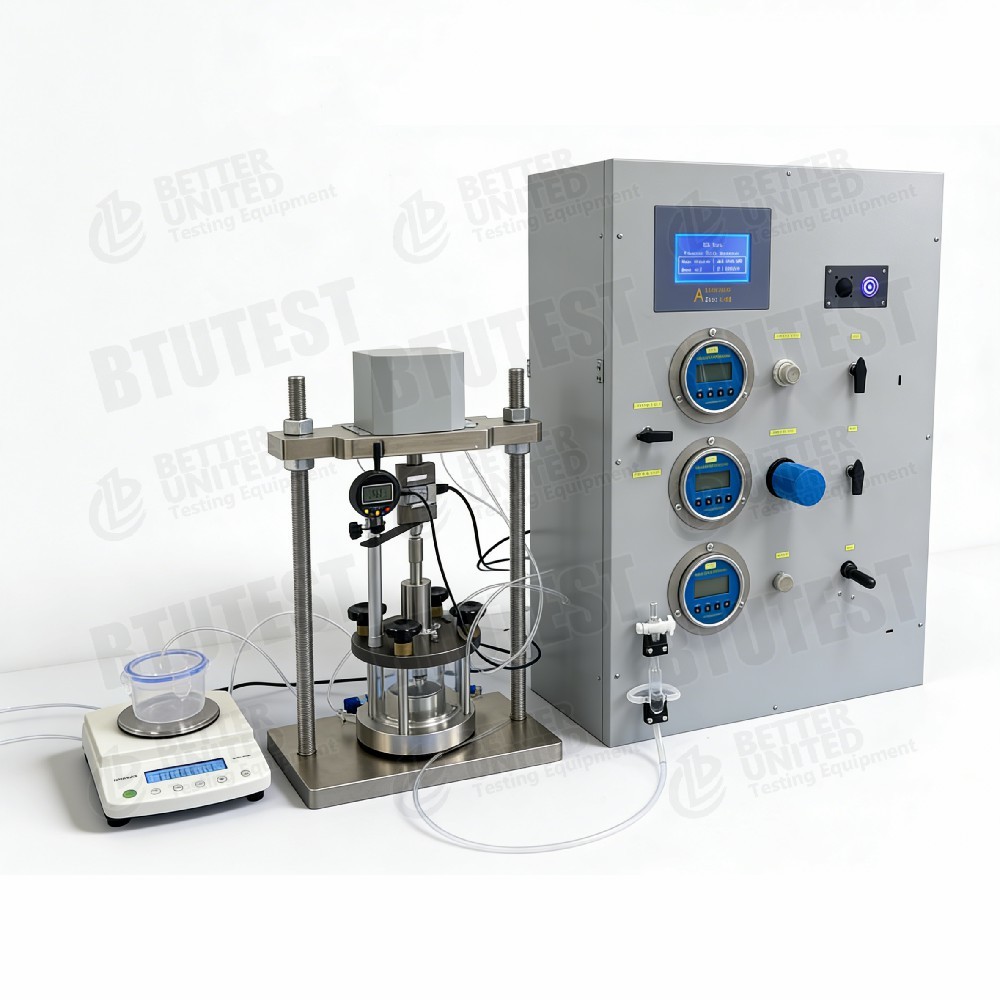
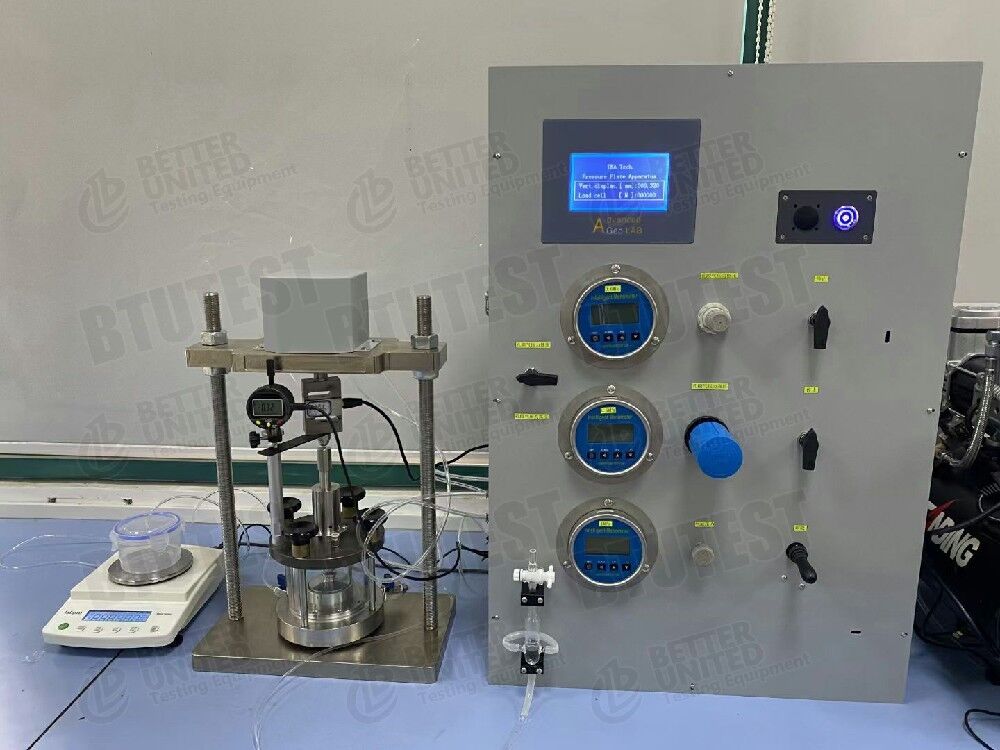
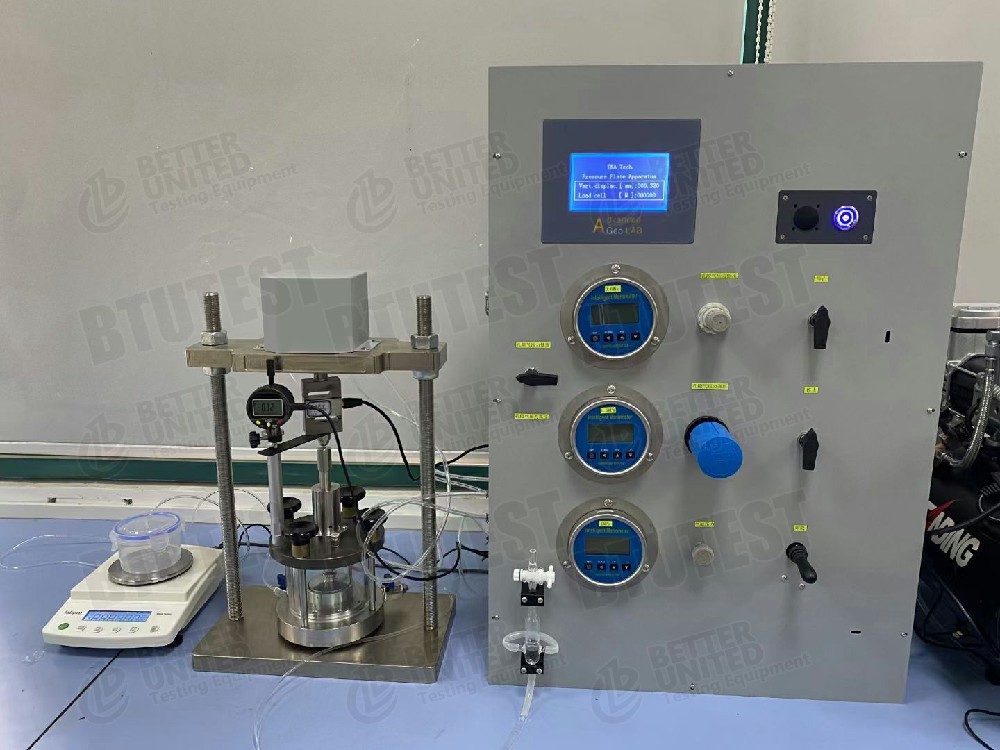
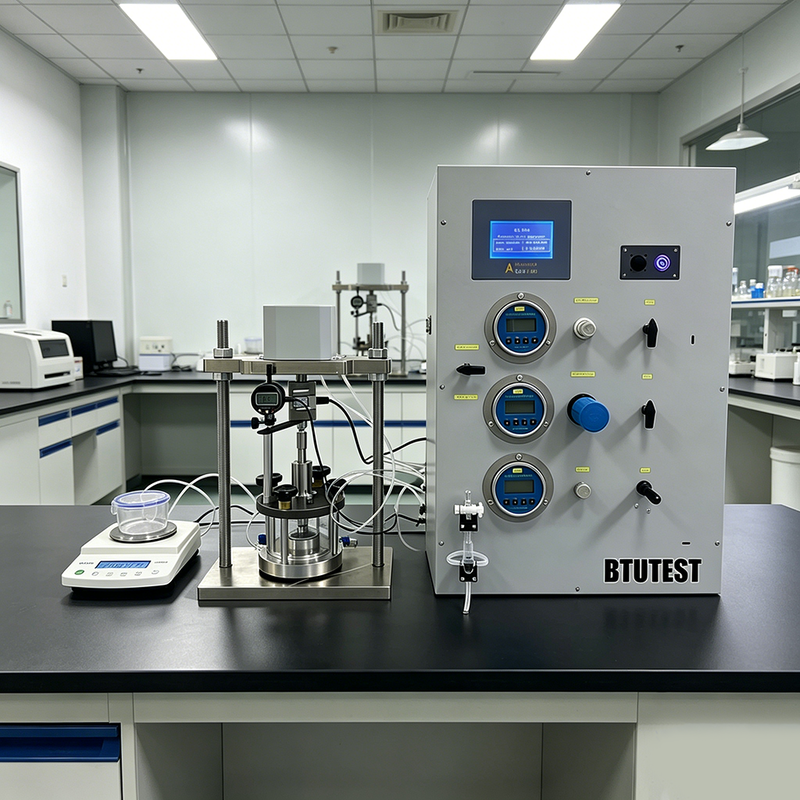
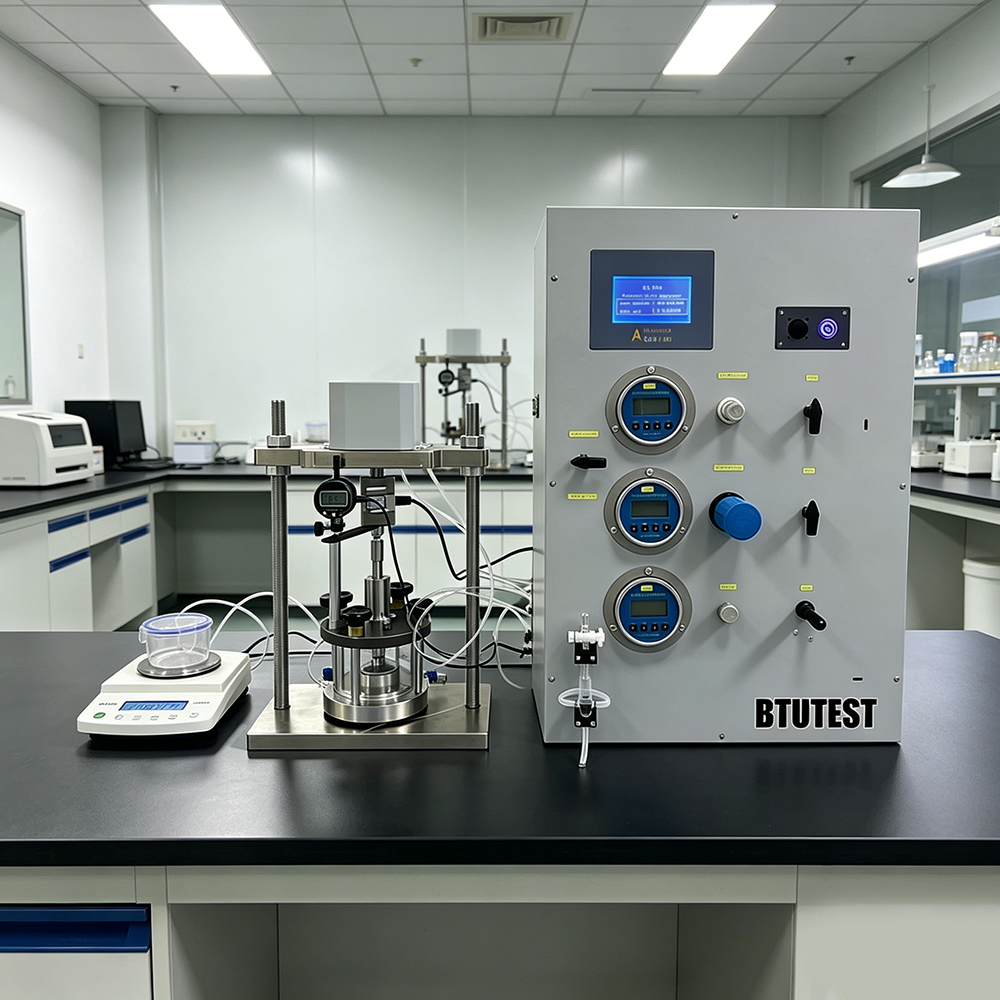
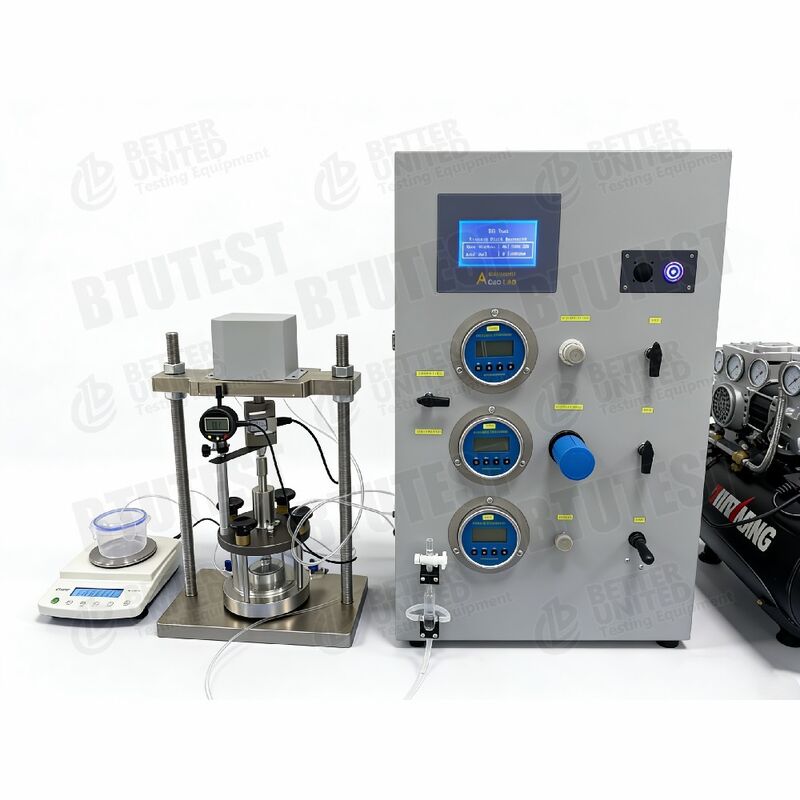
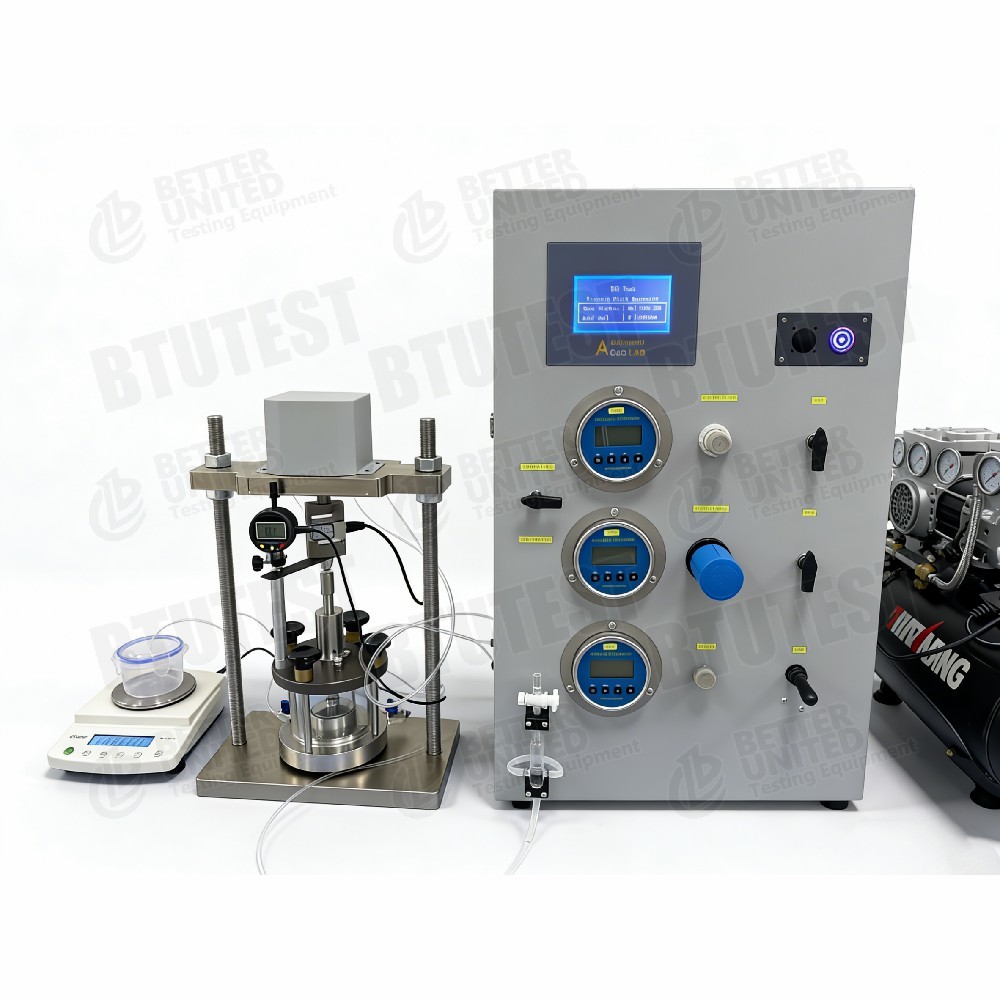
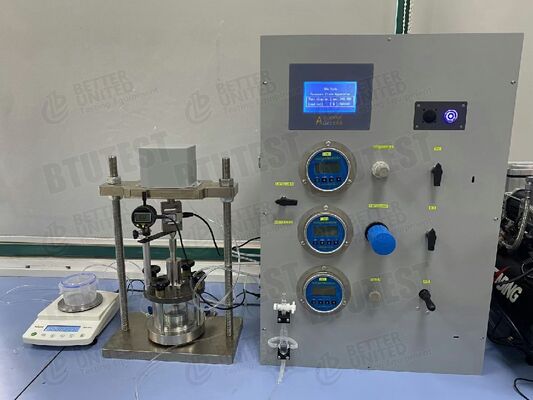
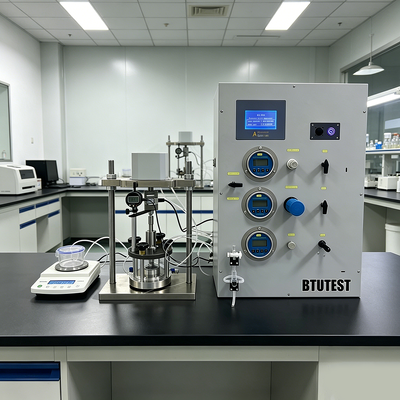
Coarse‑Grained Soil Pressure Membrane Apparatus

Product Details:
Place of Origin: Made in China
Brand Name: BTUTEST
Certification: SGS, INTERTEK
Model Number: BTU‑SWCC‑1
Payment & Shipping Terms:
Minimum Order Quantity: 1 set
Price: Negotiable
Packaging Details: Soil Testing Equipment Standard export wooden box
Delivery Time: 6 days after payment
Payment Terms: L/C, D/A, D/P, T/T, Western Union
Supply Ability: 100 sets per month
  • Detail Information
  • Product Description

Detail Information

Name: Coarse‑Grained Soil Pressure Membrane Apparatus Specimen Size: Φ61.8mm × H20mm (standard)
Controlled Suction: 15 Bars (1500 KPa) Ceramic Disk Air‑entry Value: 15 Bars
Optional Specimen Sizes: Φ70mm × H25mm, Φ90mm × H25mm Supply Pressure Regulation Range: 0 – 1.5 MPa

Product Description

Description

This series of instruments is designed for unsaturated soil testing to determine the Soil‑Water Characteristic Curve (SWCC) – i.e., the relationship between matric suction and soil water content (volumetric water content, gravimetric water content, or degree of saturation). The apparatus uses the axis‑translation technique to precisely apply matric suction to the specimen by controlling air pressure, thereby obtaining a complete SWCC. It is widely used in unsaturated soil mechanics, slope stability analysis, foundation settlement prediction, and related fields.

Two models are available:

  • BTU‑SWCC‑1(standard pressure plate apparatus)
  • BTU‑SWCC‑2(coarse‑grained soil pressure membrane apparatus), which has a larger internal chamber capable of holding multiple stacked ceramic disks – suitable for high‑throughput or coarse‑grained soil testing.

Test Standards

The equipment is suitable for the following international standards that include pressure plate / pressure membrane test methods:

  • ASTM D6836(Standard test methods for determination of the soil water characteristic curve): Method B (pressure chamber with volume measurement) and Method C (pressure chamber with gravimetric measurement) cover suction ranges from 0 to 1500 kPa, which is exactly the range of a 15‑Bar pressure plate apparatus.
  • ISO 11274(Soil quality – Determination of the water‑retention characteristic – Laboratory methods): Clause 4.4 specifically describes the use of a pressure plate extractor to determine soil water retention over a pressure range of approximately 5 kPa to 1500 kPa.
  • ASTM D2325(Standard test method for capillary‑moisture relationships for coarse‑ and medium‑textured soils by pressure‑membrane apparatus – historical standard, superseded by D6836)
  • GB/T 50123‑2019(Standard for geotechnical testing method – Unsaturated soil testing section)

Specification

BTU‑SWCC‑1 (Standard Pressure Plate Apparatus)

Item Parameter
Specimen size Φ61.8mm × H20mm (standard)
Optional specimen sizes Φ70mm × H25mm, Φ90mm × H25mm
Controlled suction 15 Bars (1500 kPa)
Ceramic disk air‑entry value 15 Bars
Supply pressure regulation range 0 – 1.5 MPa
Pressure gauge accuracy Class 0.25
Vertical pneumatic loading frame Bi‑directional loading cylinder
Loading cylinder capacity 0 – 5 kN
Loading cylinder displacement 0 – 50 mm
LCD display system Real‑time display of axial force and displacement
Volume measurement device 0 – 200 ml, accuracy ±0.01 ml, includes acquisition channel
Optional temperature control system 0 – +90℃
Software Data acquisition and processing software

BTU‑SWCC‑2 (Coarse‑Grained Soil Pressure Membrane Apparatus)

Item Parameter
Coarse‑grained soil specimen size Φ150mm × H50mm
Chamber dimensions ≥ Ø100mm × 300mm
Chamber configuration Can hold up to 2 stacked ceramic disks
Ceramic disk air‑entry value ≥ 1.5 MPa (15 Bars)
Ceramic disk diameter 12 inches (30 cm)
Simultaneous test capacity 48 specimens (≈1cm high), 24 specimens (3cm high), 12 specimens (6cm high)
Pressure regulation range 0 – 15 Bar with high‑precision regulator
Standard ceramic disks 2 disks of 5 Bar, 1 disk of 15 Bar
Standard cutting rings 30 rings of 39.1mm diameter
 

Detail

  • Core principle (Axis‑Translation Technique): Air pressure is applied to the pressure chamber via a pressure controller. This air pressure equals the matric suction applied to the specimen. Because the ceramic disk has a high air‑entry value (15 Bars, higher than the applied air pressure), it prevents air breakthrough while allowing pore water to pass through the ceramic disk to the drainage line for measurement. This is the standard method for SWCC determination of unsaturated soils and is widely validated.
  • High‑air‑entry ceramic disk (15 Bar): The 15 Bar ceramic disk is the critical component of the apparatus. Its extremely small pore size prevents air passage even at matric suctions up to 1500 kPa, ensuring that pore water pressure remains at atmospheric pressure throughout the test. The BTU‑SWCC‑2 also includes 5 Bar ceramic disks for lower‑suction tests.
  • Vertical pneumatic loading system: Equipped with a bi‑directional loading cylinder (0‑5 kN force, 0‑50 mm displacement), it allows application of vertical load under K₀ conditions (consolidated state). This simulates in‑situ stress conditions for stress‑dependent SWCC (SDSWCC) testing.
  • Dual pressure gauges and regulator: Class 0.25 high‑accuracy pressure gauge and regulator with adjustable supply pressure 0‑1.5 MPa ensure precise suction control.
  • Volume measurement device: 0‑200 ml range, ±0.01 ml accuracy, accurately measures specimen drainage, enabling calculation of volumetric water content change. Dedicated acquisition channel for automated data collection.
  • LCD display system: Real‑time display of axial force and displacement for easy monitoring.
  • Data acquisition and processing software: Dedicated software automatically records drainage vs. time, calculates water content changes, generates SWCC curves, and outputs key parameters (air‑entry value, residual water content, etc.).
  • Optional temperature control system: 0 – +90℃ allows study of temperature effects on unsaturated soil water retention.
  • High‑capacity design (BTU‑SWCC‑2): The internal chamber can hold up to 48 cutting ring specimens simultaneously, dramatically improving batch testing efficiency.

Application

  • Determination of soil‑water characteristic curve (SWCC) of unsaturated soils (drying and wetting paths)
  • Study of the relationship between matric suction and soil water content
  • Slope stability analysis (SWCC is fundamental for establishing unsaturated soil shear strength theory)
  • Bearing capacity and settlement prediction of foundations (key parameter in unsaturated soil mechanics)
  • Seepage characteristic analysis (determination of unsaturated hydraulic conductivity)
  • Evaluation of the influence of groundwater table changes on soil engineering behavior
  • Performance assessment of landfill liner systems
  • Hydro‑mechanical coupling behavior of unsaturated soils
  • Water retention evaluation of bentonite‑amended or stabilized soils
  • Climate change adaptation studies for infrastructure

Advantages


  • Wide suction range: Maximum controlled suction 15 Bar (1500 kPa) – fully conforms to ASTM D6836 Methods B/C, covering the suction range of most unsaturated soils.
  • High‑precision suction control: Class 0.25 pressure gauge and precision regulator provide industry‑leading suction control accuracy.
  • Stress‑dependent SWCC testing capability: Unique vertical pneumatic loading system allows vertical load application (0‑5 kN) under K₀ conditions – enables stress‑dependent SWCC (SDSWCC) testing that truly simulates in‑situ stress conditions, a feature not available on standard pressure plate apparatus.
  • Large volume measurement range: 0‑200 ml drainage measurement range with ±0.01 ml accuracy – suitable for various soil types.
  • Real‑time data monitoring: LCD screen displays axial force and displacement for easy test monitoring.
  • Multiple specimen size options: Supports Φ61.8mm, Φ70mm, Φ90mm; coarse‑grained model supports Φ150mm specimens – meets different testing requirements.
  • High throughput (BTU‑SWCC‑2): Tests up to 48 specimens simultaneously – greatly improves laboratory efficiency.
  • Optional temperature control: 0 – +90℃ optional system allows study of temperature effects on unsaturated soil behavior.
  • Automated data acquisition: Dedicated software automatically calculates and plots SWCC curves – reduces manual data processing errors.
  • Standardized test procedure: Fully conforms to ASTM D6836 and ISO 11274 – test results are internationally recognized.

What To Choose

Requirement Recommended Model
Routine unsaturated soil SWCC tests (small batch) BTU‑SWCC‑1 (standard Φ61.8mm size)
Large‑diameter coarse‑grained soils or high‑throughput batch testing BTU‑SWCC‑2 (Φ150mm coarse‑grained, up to 48 specimens simultaneously)
Stress‑dependent SWCC (K₀ condition) testing needed BTU‑SWCC‑1 (vertical pneumatic loading 0‑5 kN)
Need a wide range of specimen sizes BTU‑SWCC‑1 (optional Φ70mm, Φ90mm)
High‑precision drainage measurement required Both models (0‑200 ml, ±0.01 ml)
Temperature effect studies (e.g., cold/thermal region engineering) BTU‑SWCC‑1 (optional 0‑+90℃ temperature control)
High air‑entry value (≥15 Bar) needed Both models can be equipped with 15 Bar ceramic disks
 

Process Flow

  • Specimen preparation: Prepare a soil specimen of the specified size according to standard procedures; measure initial water content; place into a cutting ring.
  • Saturate ceramic disk: Fully saturate the 15 Bar high‑air‑entry ceramic disk and remove all air bubbles.
  • Specimen installation: Place the saturated ceramic disk at the bottom of the pressure chamber; place the specimen on top of the ceramic disk, ensuring good contact.
  • Connect drainage system: Connect the drainage line to the volume measurement device (0‑200 ml range, ±0.01 ml accuracy).
  • Apply air pressure: Gradually apply the target air pressure (0‑1.5 MPa, freely adjustable) using the high‑precision regulator – this represents the desired matric suction.
  • Measure drainage & determine equilibrium: When drainage of the soil specimen at this suction reaches equilibrium, record the cumulative drainage volume using the volume measurement device. Equilibrium is typically considered reached when successive readings (e.g., over 24 hours) change by less than 0.01 ml.
  • Increase suction stepwise: According to the test plan, gradually increase the air pressure (thus increasing matric suction) and repeat steps 5‑6 to obtain drainage data at multiple suction points.
  • Unload and weigh specimen: After completing all suction points, release the air pressure, remove the specimen, and measure the final water content.
  • Data calculation: Using the drainage volumes at each suction step together with initial and final water contents, back‑calculate the volumetric water content (or degree of saturation) at each suction point.
  • SWCC curve fitting: Plot suction values against corresponding volumetric water contents on a semi‑logarithmic graph; use professional software to perform curve fitting and obtain the complete SWCC.
  • Extract parameters: From the SWCC curve, extract key parameters – air‑entry value (AEV), residual water content, slope of the curve, etc.
  • Report generation: Produce a test report that includes the SWCC curve and key parameters.


Get in touch with us

Enter Your Message

You Might Be Into These