
logo
Send Message
Hebei Better United Import And Export Co., Ltd.

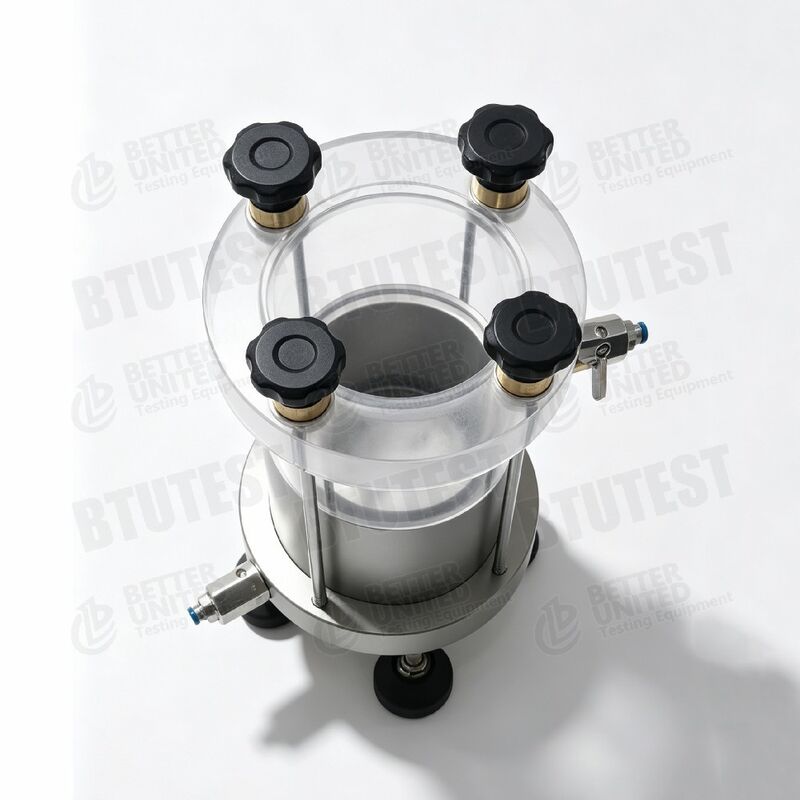
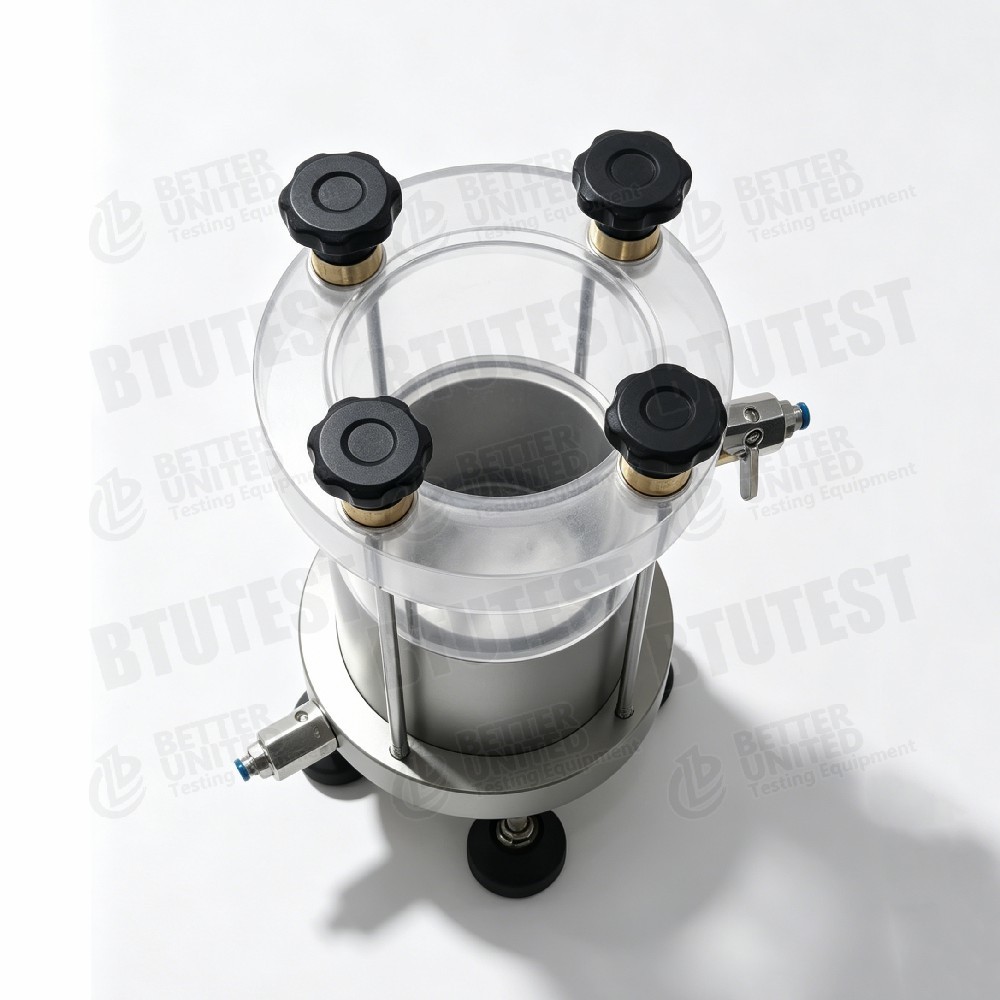
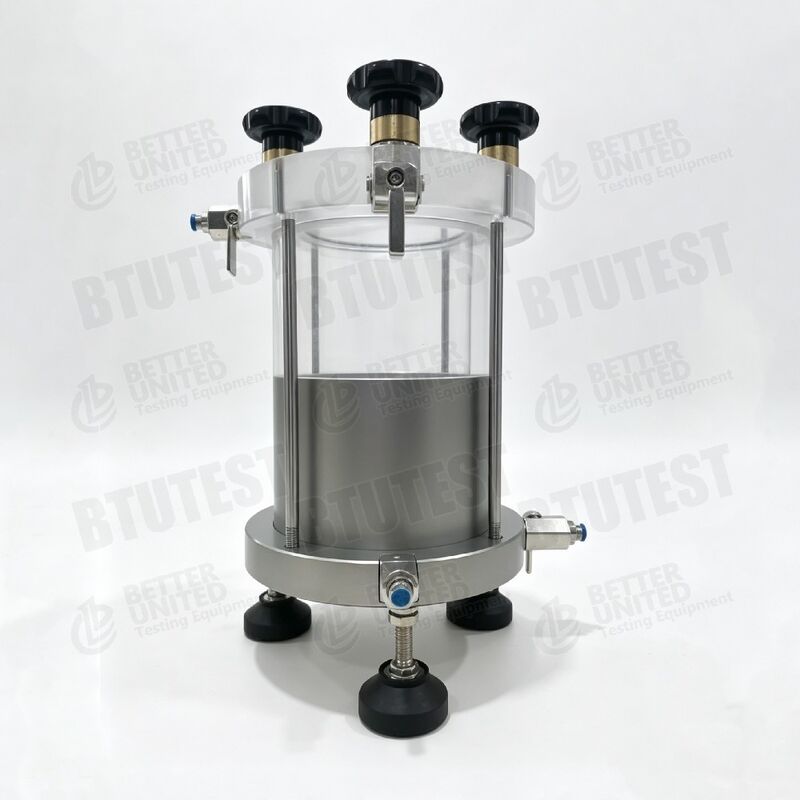
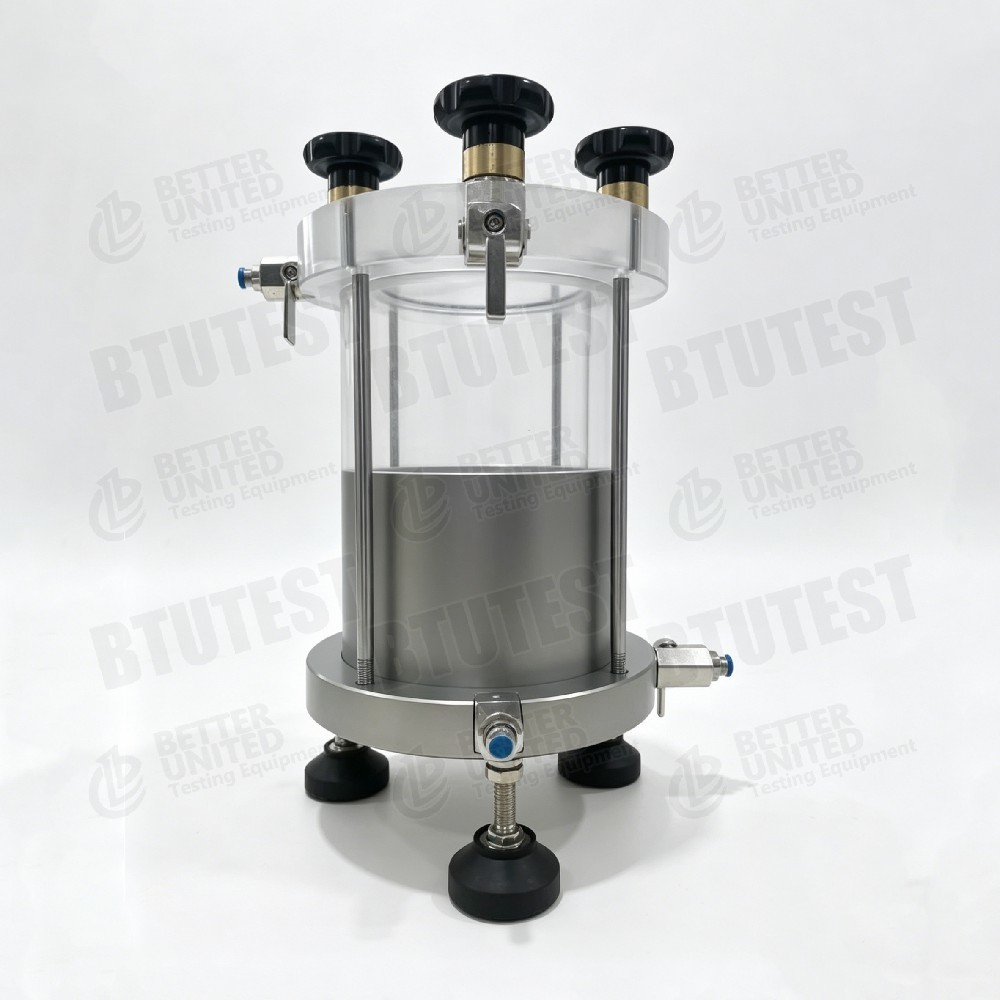
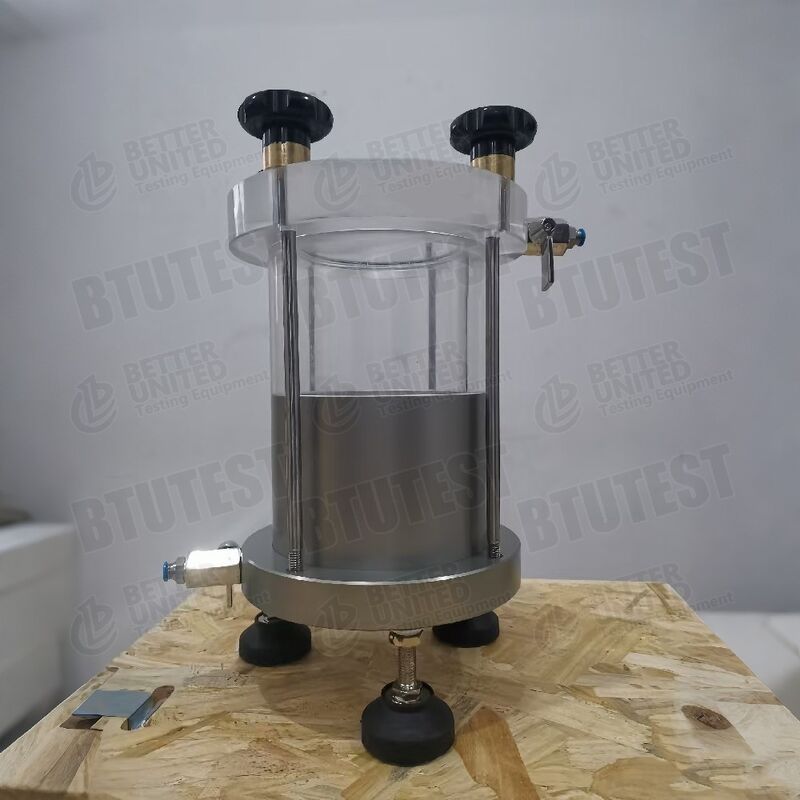
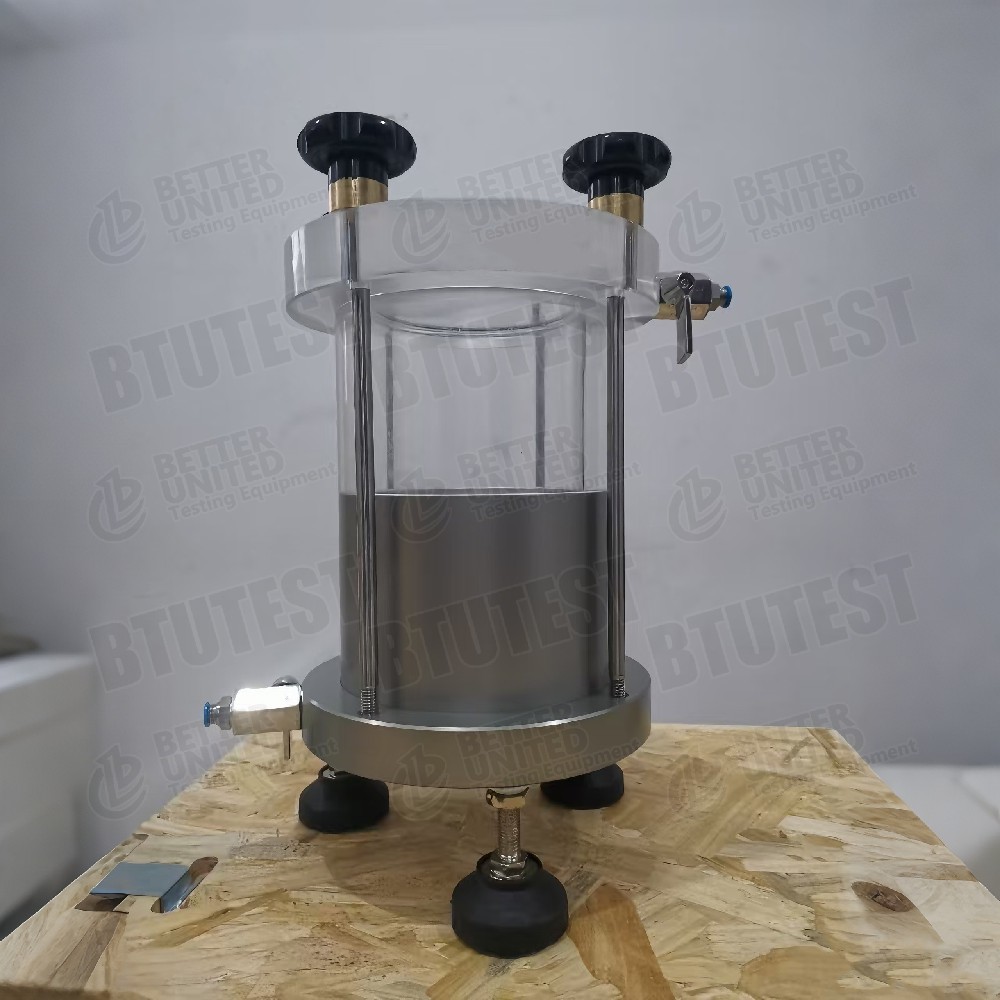
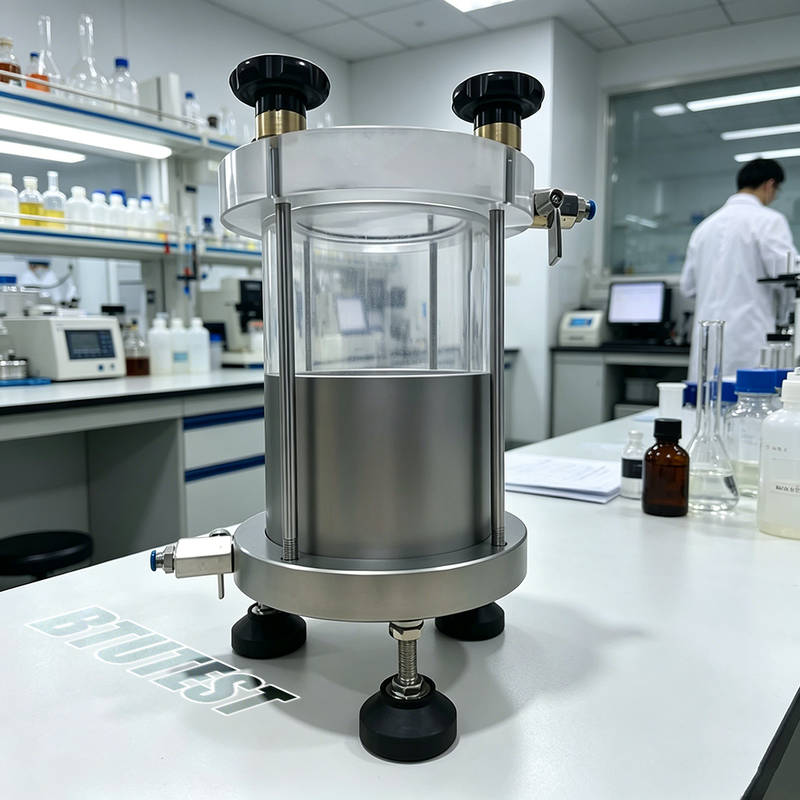
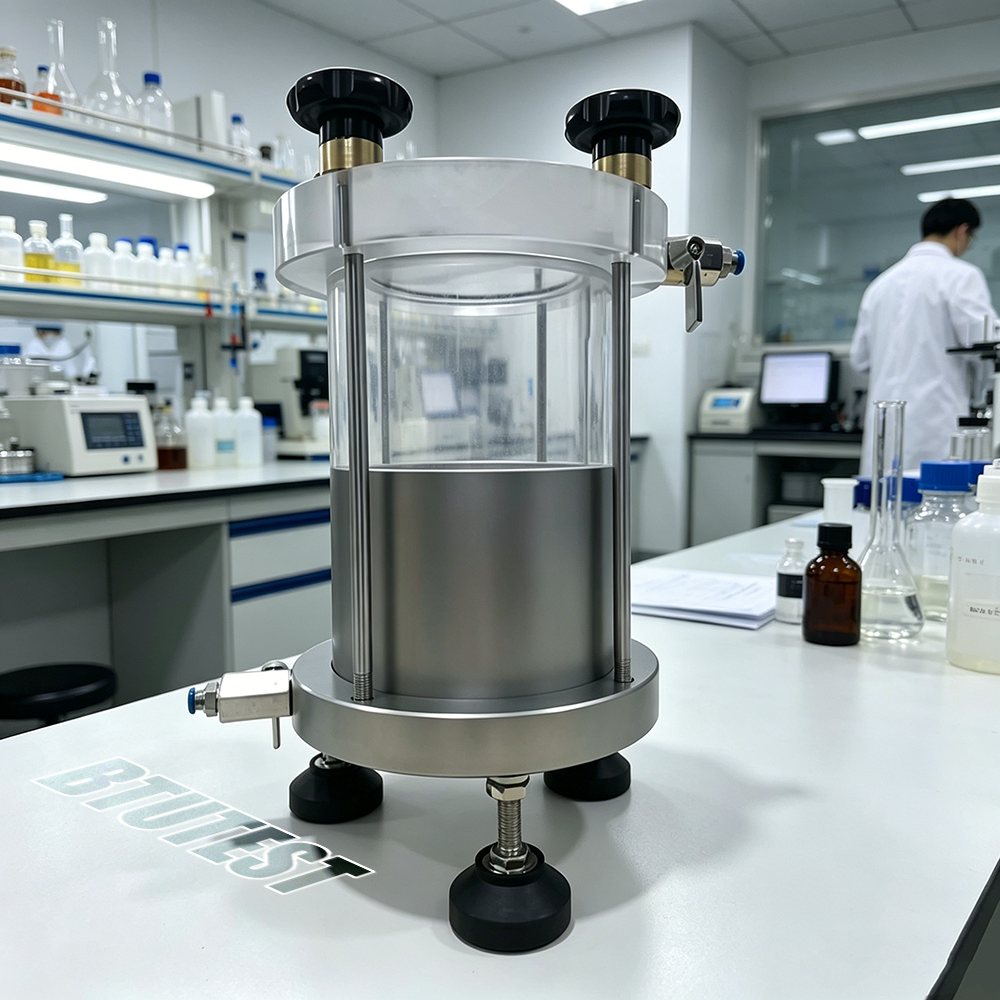
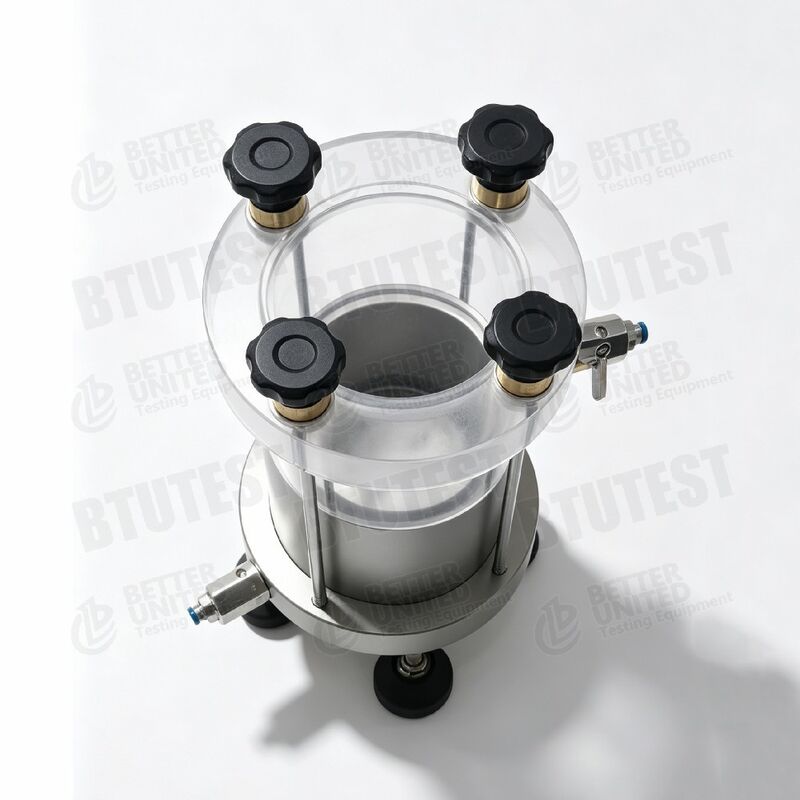
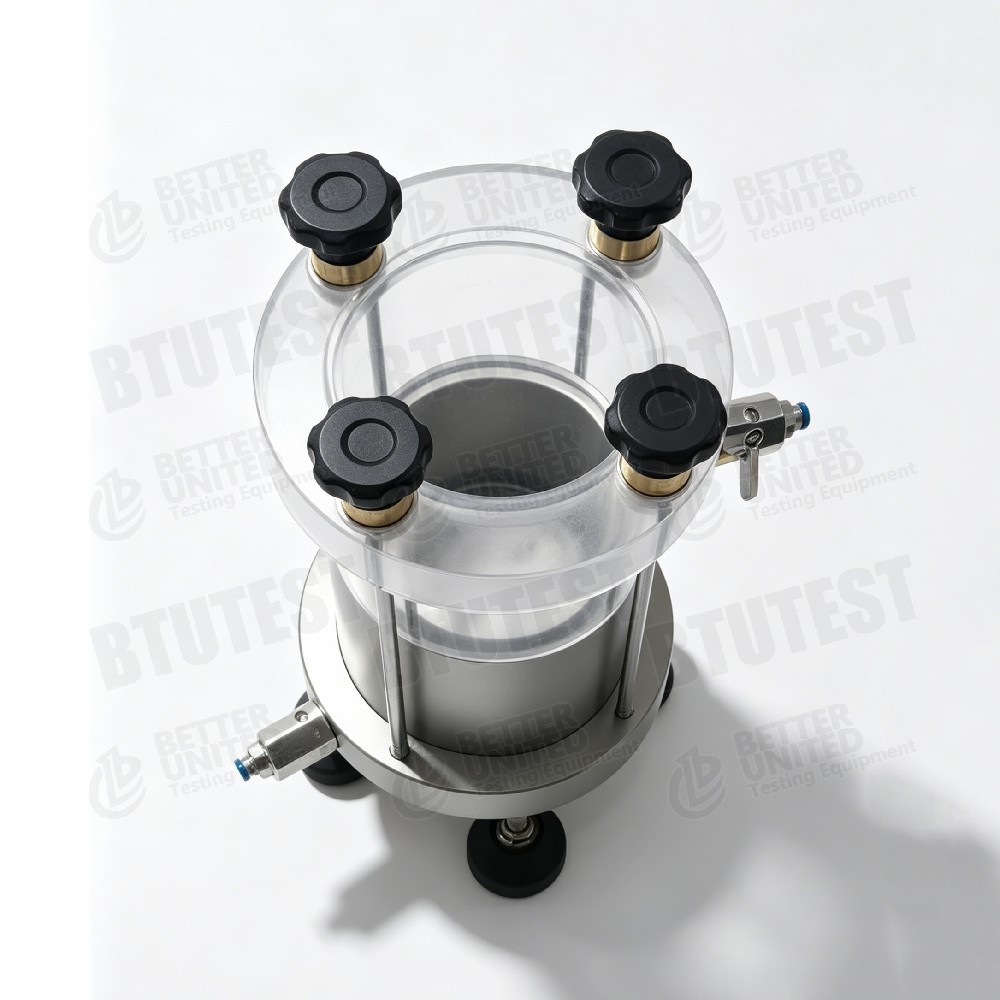
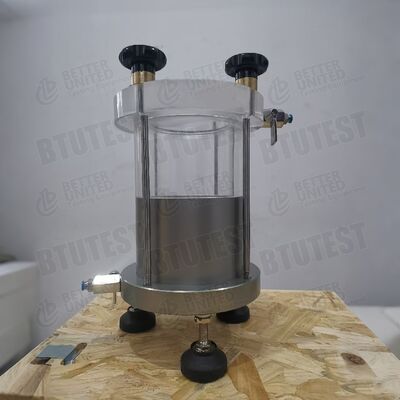
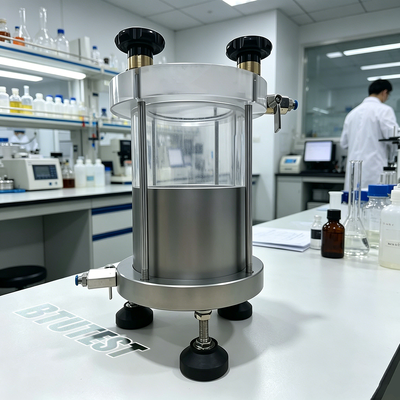
contaminant isolation device

Product Details:
Place of Origin: Made in China
Brand Name: BTUTEST
Certification: SGS, INTERTEK
Model Number: BTU-PIA-1
Payment & Shipping Terms:
Minimum Order Quantity: 1 set
Price: Negotiable
Packaging Details: Soil Testing Equipment Standard export wooden box
Delivery Time: 6 days after payment
Payment Terms: L/C, D/A, D/P, T/T, Western Union
Supply Ability: 100 sets per month
  • Detail Information
  • Product Description

Detail Information

Name: Contaminant Isolation Device Model: BTU-PIA-1
Maximum Volume: 0.3 L Main Components: Diaphragm, Upper Chamber, Lower Chamber, Tubing

Product Description

Description

The BTU-PIA series contaminant isolation device is a laboratory apparatus designed for contaminant isolation and pressure loading in geotechnical research. It uses a diaphragm structure to physically isolate contaminants from the pressure loading system, preventing cross‑contamination and ensuring test safety and data accuracy. Three models are available (PIA‑1, PIA‑2, PIA‑3), differing primarily in maximum volume, suitable for various scales of contaminant migration, permeability, or diffusion tests.

Test Standards

  • ASTM D7100(Standard test method for hydraulic conductivity of geosynthetic clay liners)
  • ASTM D5887(Standard test method for measurement of index flux through saturated geosynthetic clay liner specimens)
  • ISO 15175(Soil quality – Characterization of soil related to groundwater protection)
  • GB/T 50123‑2019(Standard for geotechnical testing method – Contaminant migration section)

Note: This device is an auxiliary component; the applicable standard is typically determined by the primary test method.

Specification

Model Maximum Volume Main Components
BTU-PIA-1 0.3 L Diaphragm, upper chamber, lower chamber, tubing
BTU-PIA-2 1.8 L Diaphragm, upper chamber, lower chamber, tubing
BTU-PIA-3 8.0 L Diaphragm, upper chamber, lower chamber, tubing
 

Common specifications:

  • Structure: Diaphragm separates upper and lower chambers
  • Material: Corrosion‑resistant (exact material not specified – presumed stainless steel or chemical‑resistant material)
  • Function: Applies pressure while isolating contaminants from the pressure system

Detail

  • Core component – Diaphragm: Flexible and corrosion‑resistant; separates the upper pressurizing medium (e.g., air or water) from the lower contaminant.
  • Upper chamber: Connected to a pressure source (e.g., air pump, hydraulic pump) to apply pressure to the diaphragm.
  • Lower chamber: Holds contaminant solution or soil leachate; connected via tubing to the geotechnical test system.
  • Tubing: Transports contaminants or connects to test equipment; includes sealing fittings.
  • Operating principle: When the upper chamber is pressurized, the diaphragm deforms downward, uniformly transmitting pressure to the lower contaminant without direct contact between the two.
  • Applications: Contaminant migration tests, hazardous waste permeability tests, chemical compatibility tests, etc.

Application

  • Studies on contaminant migration in soils (e.g., heavy metals, organic pollutants)
  • Permeability testing of landfill liner systems
  • Compatibility testing between hazardous chemicals and geotechnical materials
  • Pressure loading and isolation requirements in contaminated soil remediation research
  • Auxiliary device for environmental geotechnical laboratories to prevent cross‑contamination

Advantages

  • Contaminant isolation: Diaphragm completely separates the pressure medium from the contaminant, avoiding contamination of pressure sensors, tubing, and the environment.
  • High safety: Prevents leakage of hazardous substances, protecting operators and equipment.
  • Uniform pressure transmission: Flexible diaphragm ensures uniform pressure application to the contaminant surface or specimen.
  • Multiple volume options: 0.3L / 1.8L / 8L – suitable for small‑scale to medium‑scale tests.
  • Simple and reliable construction: No complex electronic parts; easy to clean, maintain, and replace the diaphragm.
  • Cost‑effective: Priced from 6,000 to 20,000 CNY – good value for laboratory use.

What To Choose

Requirement Recommended Model
Small‑volume, low‑flow contaminant tests (e.g., micro‑permeation) BTU-PIA-1 (0.3L)
Conventional soil column or permeability tests with moderate contaminant volume BTU-PIA-2 (1.8L)
Large‑volume or long‑duration tests (e.g., large soil columns, simulated field contamination) BTU-PIA-3 (8L)
Need accurate pressure loading with contamination prevention Any model – choose according to volume matching the main test equipment
Limited budget and small test scale BTU-PIA-1
 

Process Flow

  • Prepare the device: Check diaphragm integrity; clean upper/lower chambers and tubing.
  • Connect tubing: Connect the outlet of the lower chamber to the geotechnical test system (e.g., permeameter, soil column).
  • Add contaminant: Inject the desired contaminant solution or collect leachate into the lower chamber.
  • Connect pressure source: Connect the upper chamber to a pneumatic or hydraulic pressure source (e.g., pressure regulator, water pump).
  • Apply pressure: Adjust the pressure source to pressurize the upper chamber; the diaphragm transmits pressure to the contaminant.
  • Conduct test: Under pressure, the contaminant flows into the soil specimen or measurement system – perform migration/permeability test.
  • Release pressure and clean: After the test, release pressure, disassemble the device, safely dispose of residual contaminant, clean, and replace the diaphragm if needed.


Get in touch with us

Enter Your Message

You Might Be Into These