
logo
Send Message
Hebei Better United Import And Export Co., Ltd.

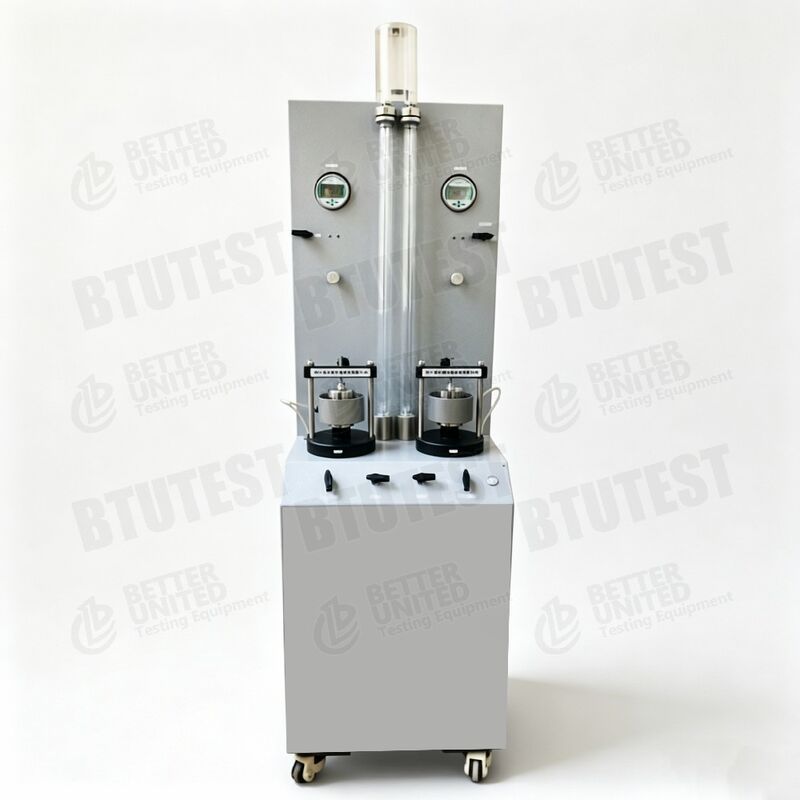
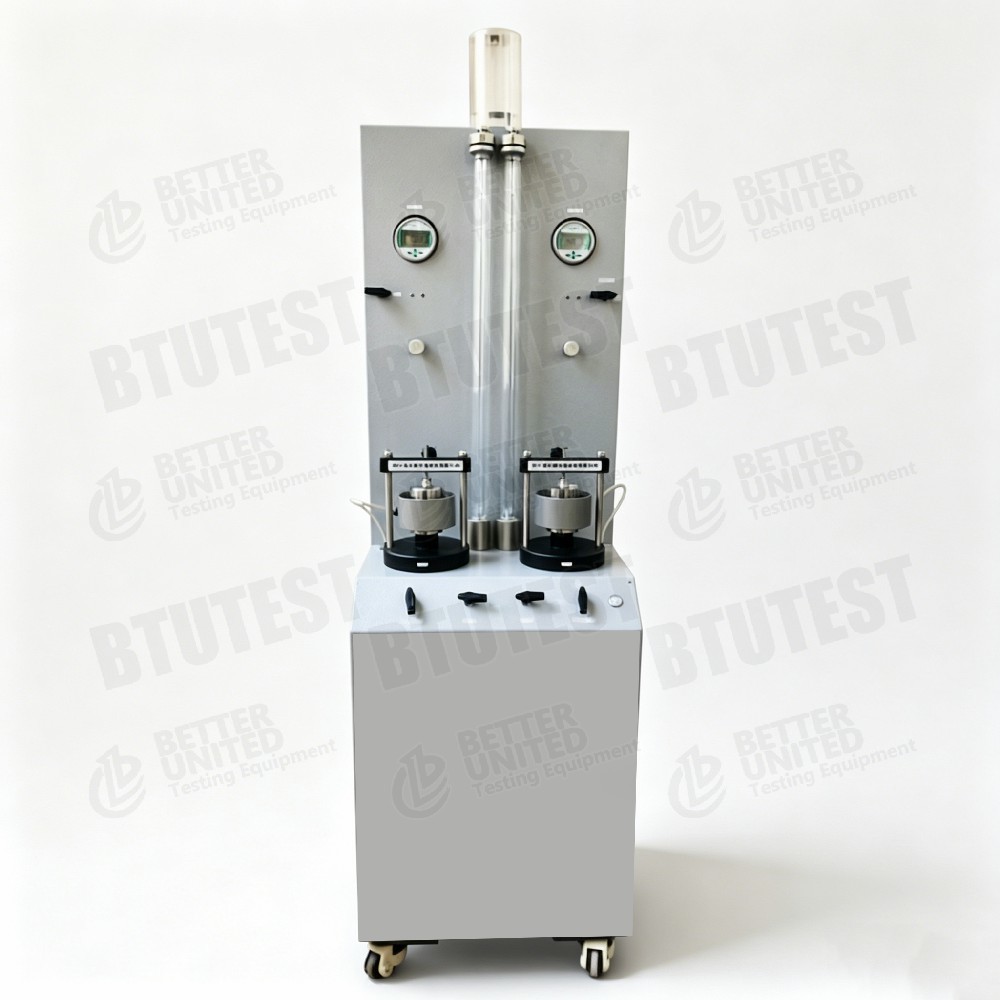
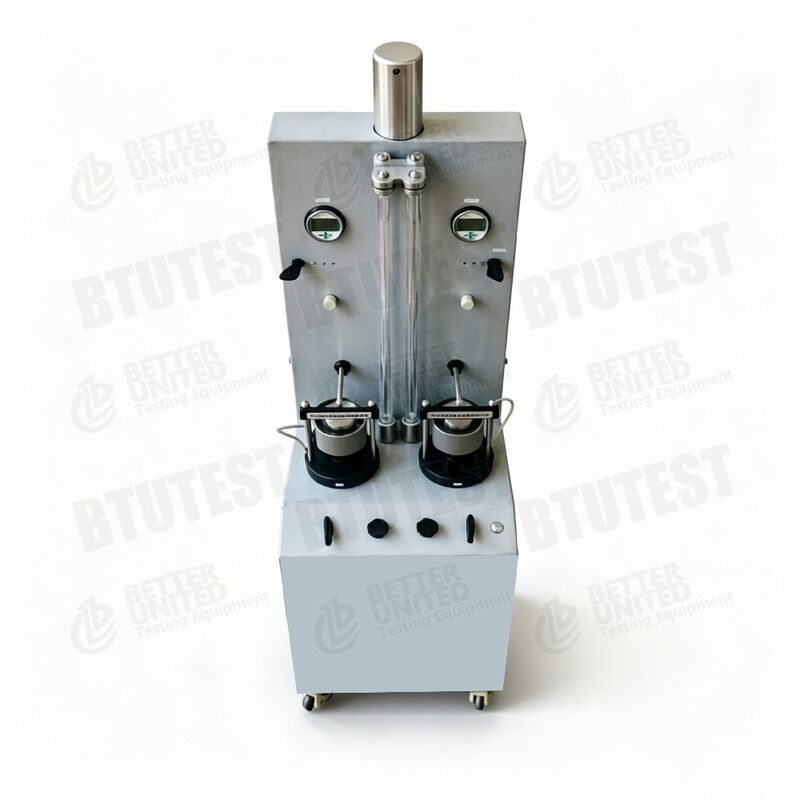
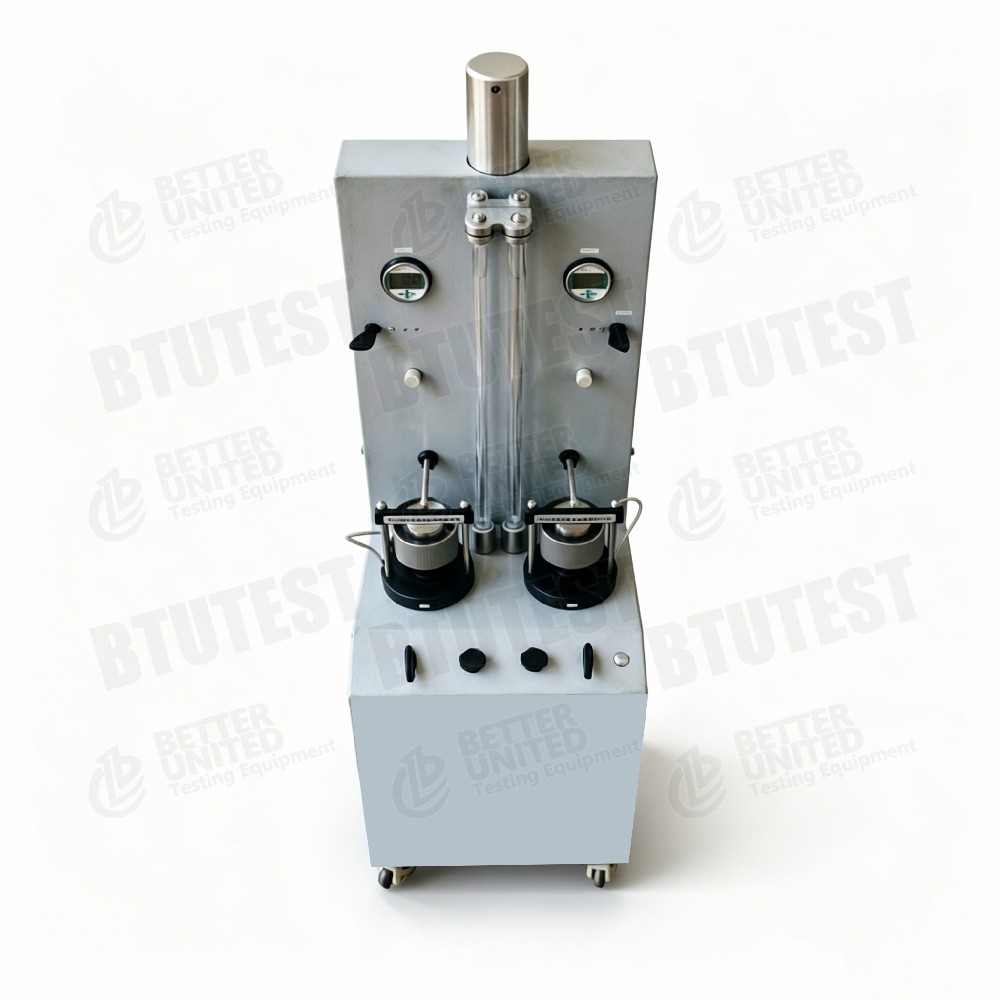
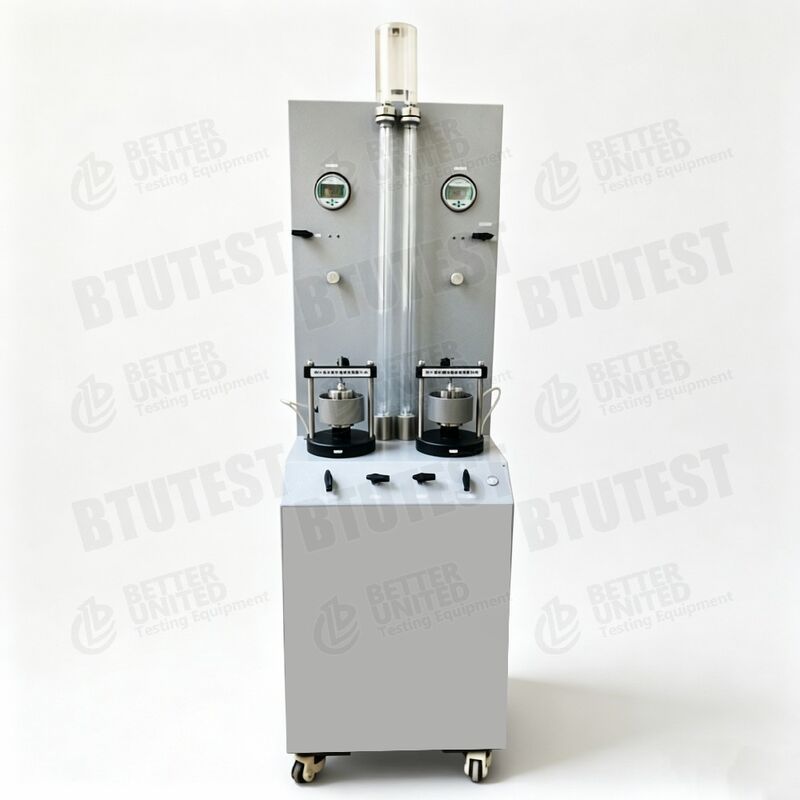
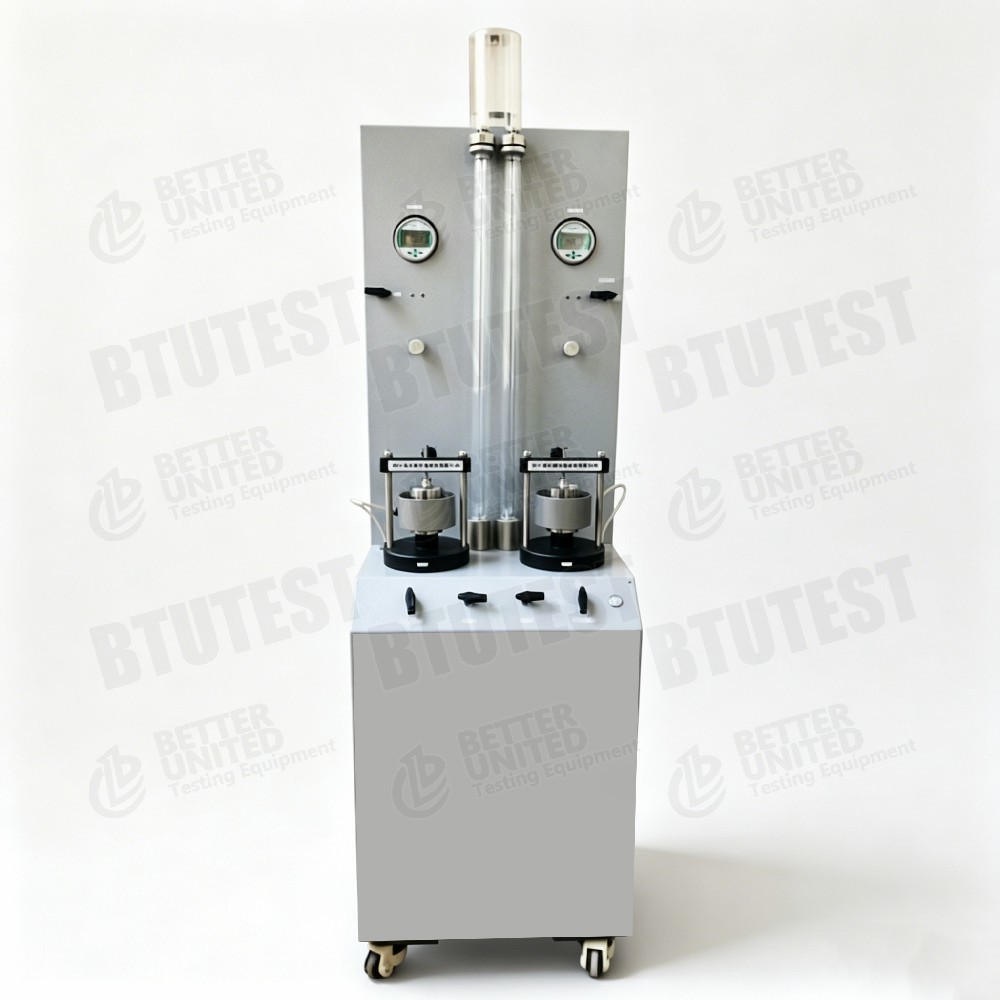
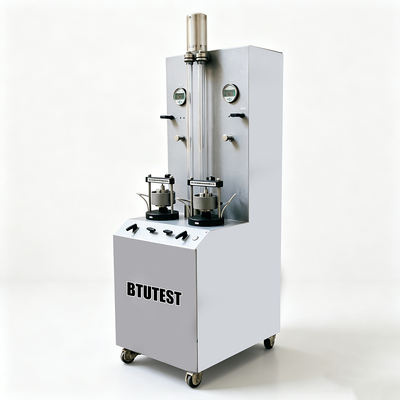
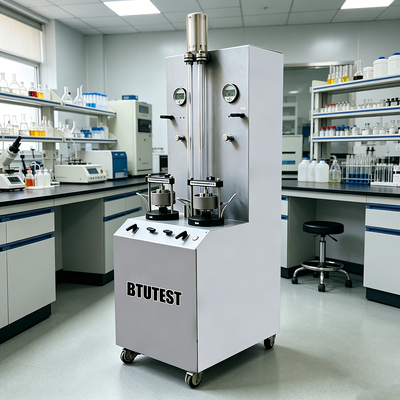
Dual‑gang variable head automatic permeameter

Product Details:
Place of Origin: Made in China
Brand Name: BTUTEST
Certification: SGS, INTERTEK
Model Number: BTU-STC-2AP
Payment & Shipping Terms:
Minimum Order Quantity: 1 set
Price: Negotiable
Packaging Details: Soil Testing Equipment Standard export wooden box
Delivery Time: 6 days after payment
Payment Terms: L/C, D/A, D/P, T/T, Western Union
Supply Ability: 100 sets per month
  • Detail Information
  • Product Description

Detail Information

Structure: Dual‑gang (2 Independent Channels) Specimen Diameter: ≥ 61.8 Mm
Specimen Cross‑sectional Area: ≥ 30 Cm² Specimen Height: 40 Mm / 20 Mm
Consolidation Pressure Range: 0 – 800 KPa Permeability Pressure Range: 0 – 200 KPa

Product Description

Description

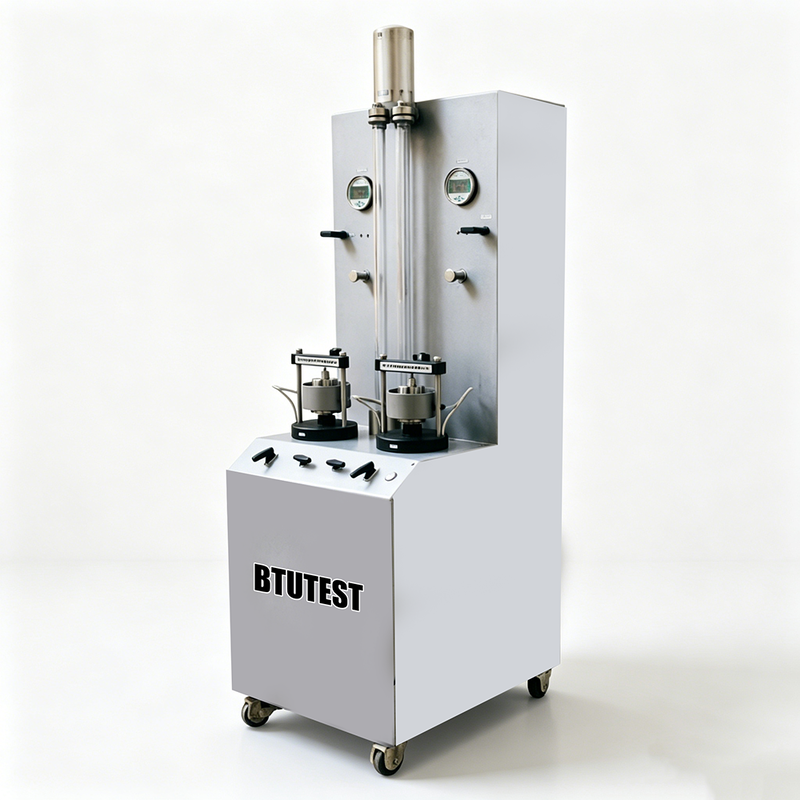
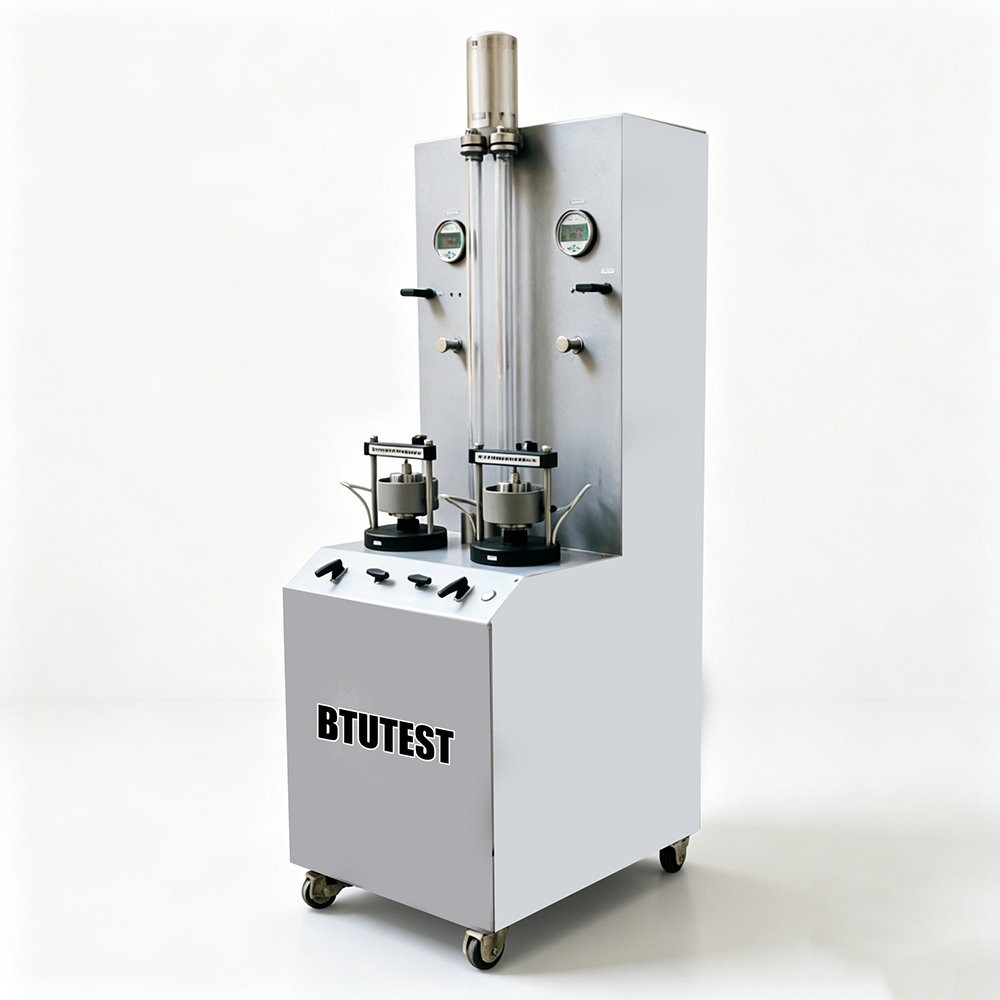
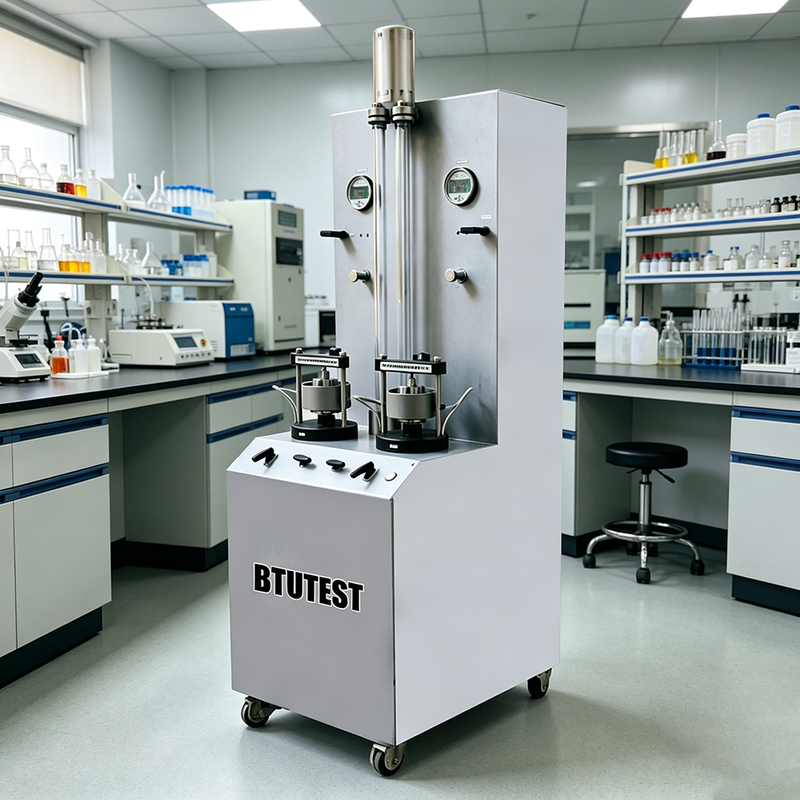
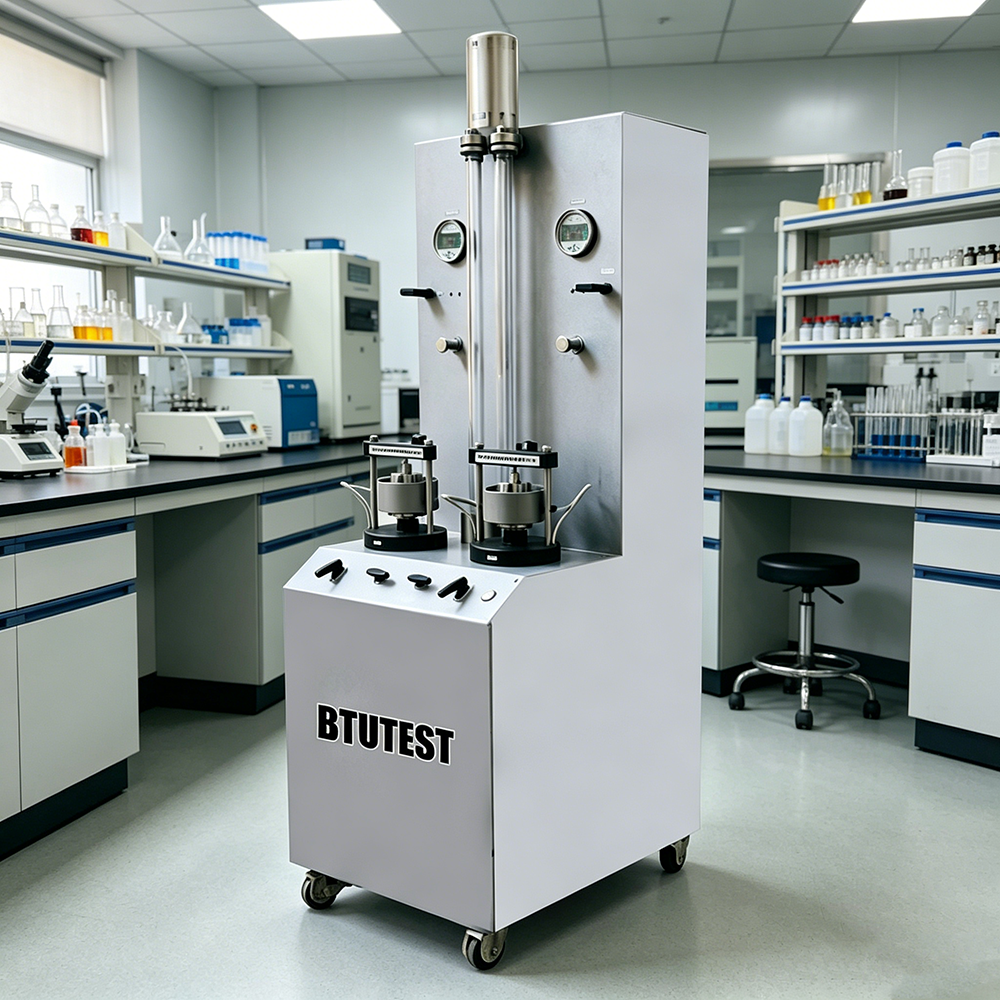
The BTU-STC-2AP dual‑gang variable head automatic permeameter is a laboratory apparatus that integrates consolidation and permeability testing. It can simultaneously apply consolidation pressure and seepage pressure, measuring the permeability coefficient of soil specimens using the variable head method. The instrument includes a built‑in multi‑channel 16‑bit AD acquisition unit and dedicated data acquisition and processing software, enabling automated measurement of water level changes and consolidation deformation. It is suitable for permeability studies of fine‑grained soils and some coarse‑grained soils.

Test Standards

  • ASTM D5084(Standard test methods for measurement of hydraulic conductivity of soils using variable head)
  • ASTM D2435(Standard test methods for one‑dimensional consolidation properties of soils)
  • ISO 17892‑11(Geotechnical laboratory testing – Determination of permeability)
  • GB/T 50123‑2019(Standard for geotechnical testing method – Variable head permeability and consolidation tests)

Specification

Item Parameter
Structure Dual‑gang (2 independent channels)
Specimen diameter ≥ 61.8 mm
Specimen cross‑sectional area ≥ 30 cm²
Specimen height 40 mm / 20 mm
Consolidation pressure range 0 – 800 kPa
Permeability pressure range 0 – 200 kPa
Specimen compression ≥ 10 mm
Variable head cross‑sectional area ≥ 0.785 cm²
Water level measurement range 0 – 40 cm (differential pressure sensor)
Water level measurement accuracy ≥ 0.1 cm (likely means ≤0.1 cm; typical accuracy is higher)
Vertical displacement sensor (optional) 0‑12.7 mm, accuracy ±0.01 mm
Power supply 24 V DC, power ≤ 24 W
Data acquisition system Built‑in multi‑channel 16‑bit AD acquisition unit, USB communication, capable of acquiring 2 channels of digital dial gauges and 2 channels of volume change sensors
Software BTU Data Acquisition & Processing Software V2.1
 

Detail

  • Consolidation pressure application system: Composed of a pressure regulator, LCD digital pressure gauge, cylinder pressure piston, cylinder, linear bearing, ball valve set, and reaction frame – enables precise control of consolidation pressure.
  • Permeability cell: Includes cutting ring, upper/lower porous stones, pressure cap, guide ring, sealing ring, clamping ring, fixing screws, cell base, and quick‑connect fittings – complete structure with good sealing.
  • Permeability pressure application system: Uses a pressure regulator, air‑water conversion permeameter tube, LCD digital pressure gauge, and ball valve set to provide stable and controllable seepage pressure.
  • Instrument base: Made of bent sheet metal, integrates the permeability cell, loading frame, and cylinder; the front panel is equipped with 6 ball valve assemblies, power switch button, etc.
  • Water level measurement: A volume change sensor (or differential pressure sensor) measures water level changes with a range of 0–40 cm and accuracy of 0.1 cm.
  • Display and control: The panel includes precision LCD digital displays, air‑water conversion measuring tube, pressure regulator, and water supply tank.
  • Data acquisition: Built‑in 16‑bit AD acquisition unit connects to a computer via USB, simultaneously acquiring 2 channels of displacement and 2 channels of volume change signals.
  • Low power design: 24 V DC power supply, ≤24 W – suitable for long‑duration tests.
  • Optional accessory: Vertical displacement sensor (0‑12.7 mm, accuracy ±0.01 mm) for measuring consolidation deformation.

Application

  • Variable head permeability coefficient determination for fine‑grained soils (clays, silts) and some sandy soils
  • Combined consolidation‑permeability tests to study the effect of pressure on permeability
  • Evaluation of seepage characteristics for earth dam cores, roadbeds, and impervious materials
  • Automated teaching and research in university and institutional geotechnical laboratories
  • Obtaining permeability parameters of soil layers in geotechnical site investigations

Advantages

  • Dual‑gang design: Tests two specimens simultaneously, improving efficiency and saving time.
  • Integrated consolidation + permeability: Allows application of consolidation pressure to simulate in‑situ stress conditions before permeability testing – more representative of actual field conditions.
  • Highly automated: Built‑in acquisition unit + software automatically records water level changes and consolidation deformation, reducing human error.
  • Wide water level measurement range: 0–40 cm with 0.1 cm accuracy – meets variable head test requirements.
  • Precise pressure control: Uses LCD digital pressure gauges, pressure regulators, and cylinders – consolidation pressure up to 800 kPa, permeability pressure up to 200 kPa.
  • Low power & safe: 24 V DC supply, low power consumption – suitable for long‑term laboratory operation.
  • Flexible options: Optional high‑precision displacement sensors for simultaneous consolidation compression measurement.

What To Choose

Requirement Recommendation
Need simultaneous consolidation and permeability testing Integrated design – allows variable head test immediately after consolidation
Variable head permeability testing of fine‑grained soils Accepts φ≥61.8mm specimens, meets standard geotechnical test requirements
Improve test efficiency Dual‑gang structure – tests 2 samples in one run, reduces repetitive work
Automated data acquisition Built‑in 16‑bit AD + software – automatically records water level and displacement, generates curves
Simulate in‑situ stress conditions Consolidation pressure 0-800 kPa – can simulate stresses at various depths
Low power, safe operation 24 V DC, ≤24 W – suitable for unattended long‑duration tests
 

Process Flow

  • Specimen preparation: Prepare a soil specimen of φ61.8mm × 40mm (or 20mm) according to standard procedures.
  • Specimen installation: Place the specimen into the permeability cell (cutting ring + upper/lower porous stones), install sealing components, and tighten.
  • System connection: Connect the consolidation pressure system, permeability pressure system, water level sensor, and optional displacement sensor.
  • Apply consolidation pressure: Set the desired consolidation pressure (0–800 kPa) using the pressure regulator; allow the specimen to consolidate under the specified pressure, recording compression.
  • Apply permeability pressure: After consolidation stabilizes, set the permeability pressure (0–200 kPa) and start the variable head permeability test.
  • Data acquisition: The software automatically records water level drop (or volume change sensor readings) vs. time, and optionally records displacement changes.
  • Calculate permeability coefficient: The software automatically computes the permeability coefficient using the variable head formula.
  • Generate report: Produce a test report including water level‑time curves, permeability coefficient results, and consolidation deformation data.


Get in touch with us

Enter Your Message

You Might Be Into These