
logo
Send Message
Hebei Better United Import And Export Co., Ltd.

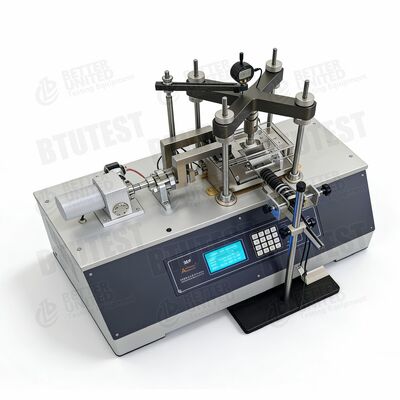
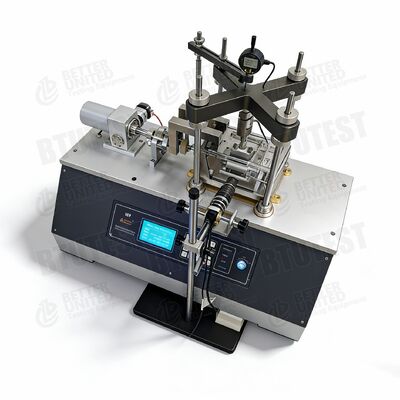
Automatic Transparent Direct Shear Apparatus

Product Details:
Place of Origin: Made in China
Brand Name: BTUTEST
Certification: SGS, INTERTEK
Model Number: BTU-TDSA-10F
Payment & Shipping Terms:
Minimum Order Quantity: 1 set
Price: Negotiable
Packaging Details: Soil Testing Equipment Standard export wooden box
Delivery Time: 6 days after payment
Payment Terms: L/C, D/A, D/P, T/T, Western Union
Supply Ability: 100 sets per month
  • Detail Information
  • Product Description

Detail Information

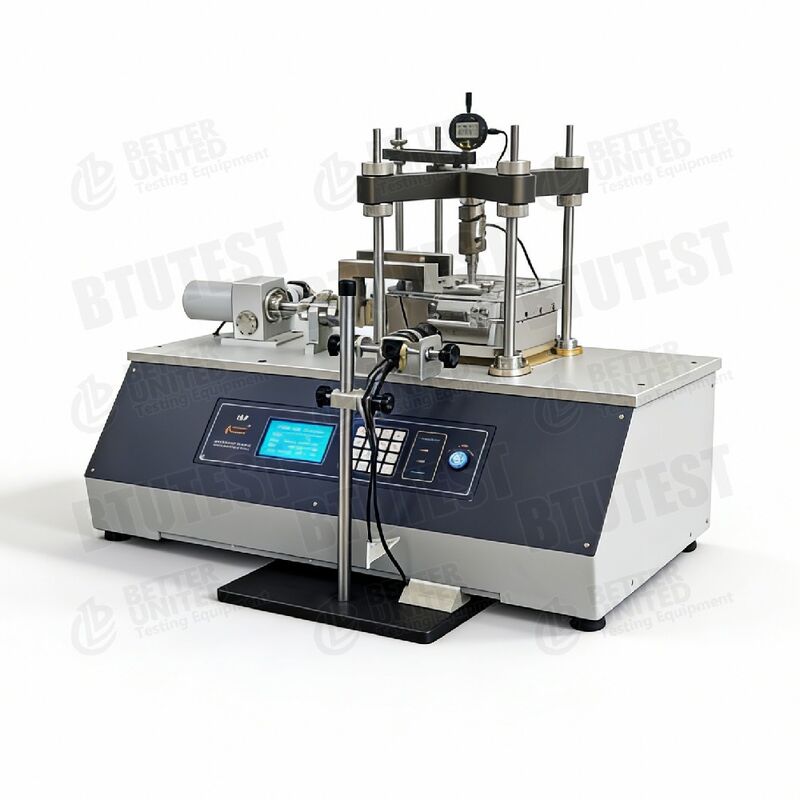
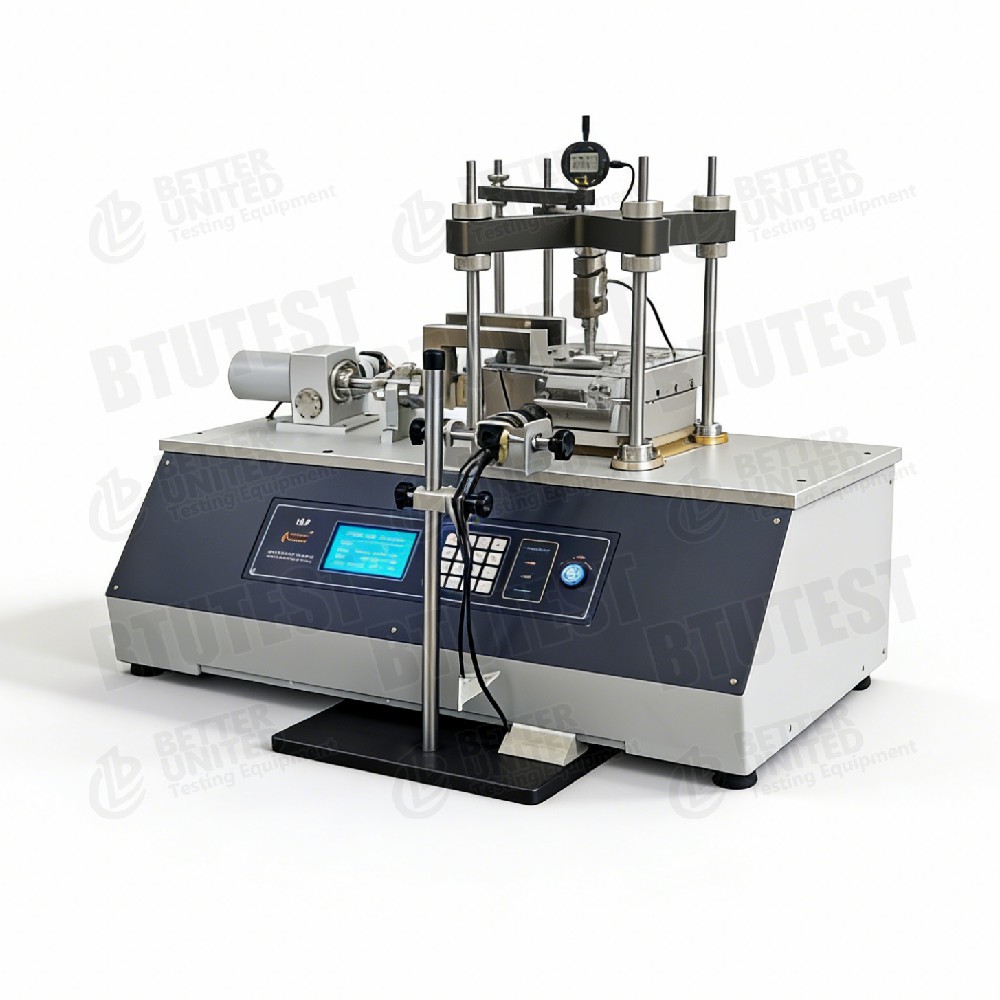
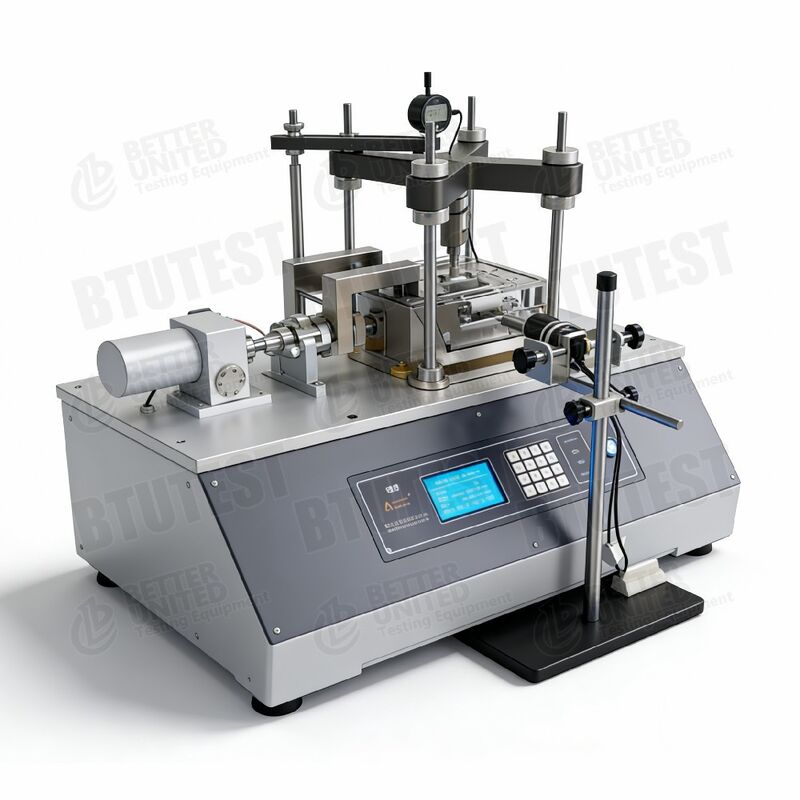
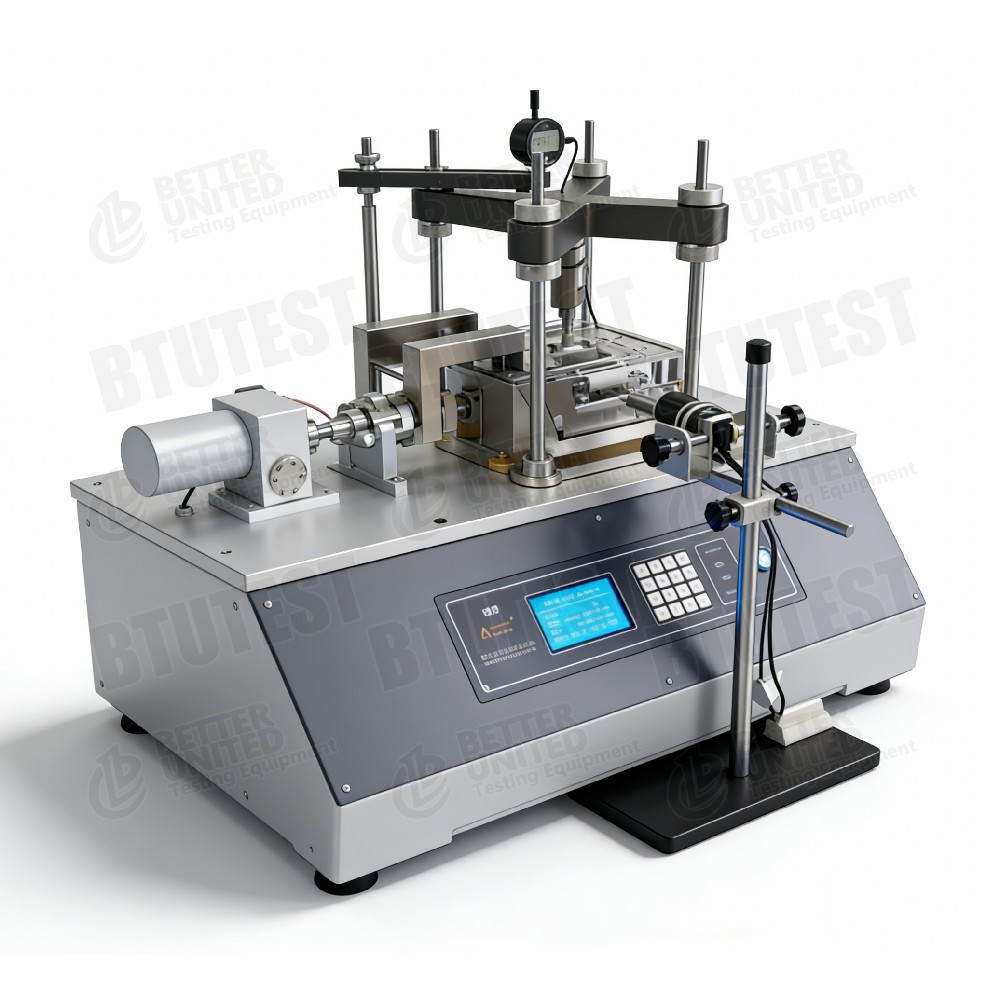
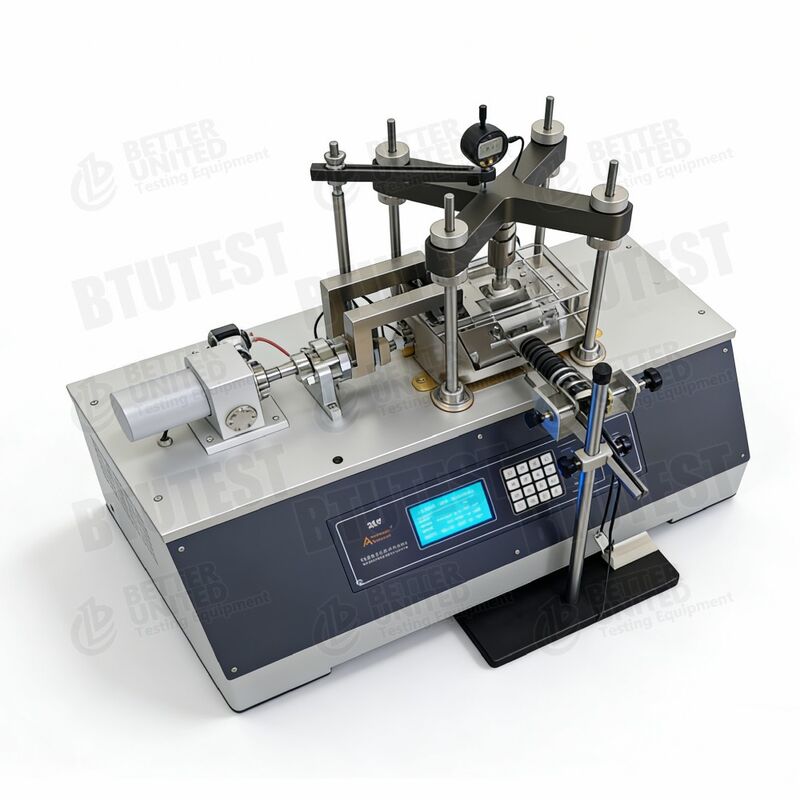
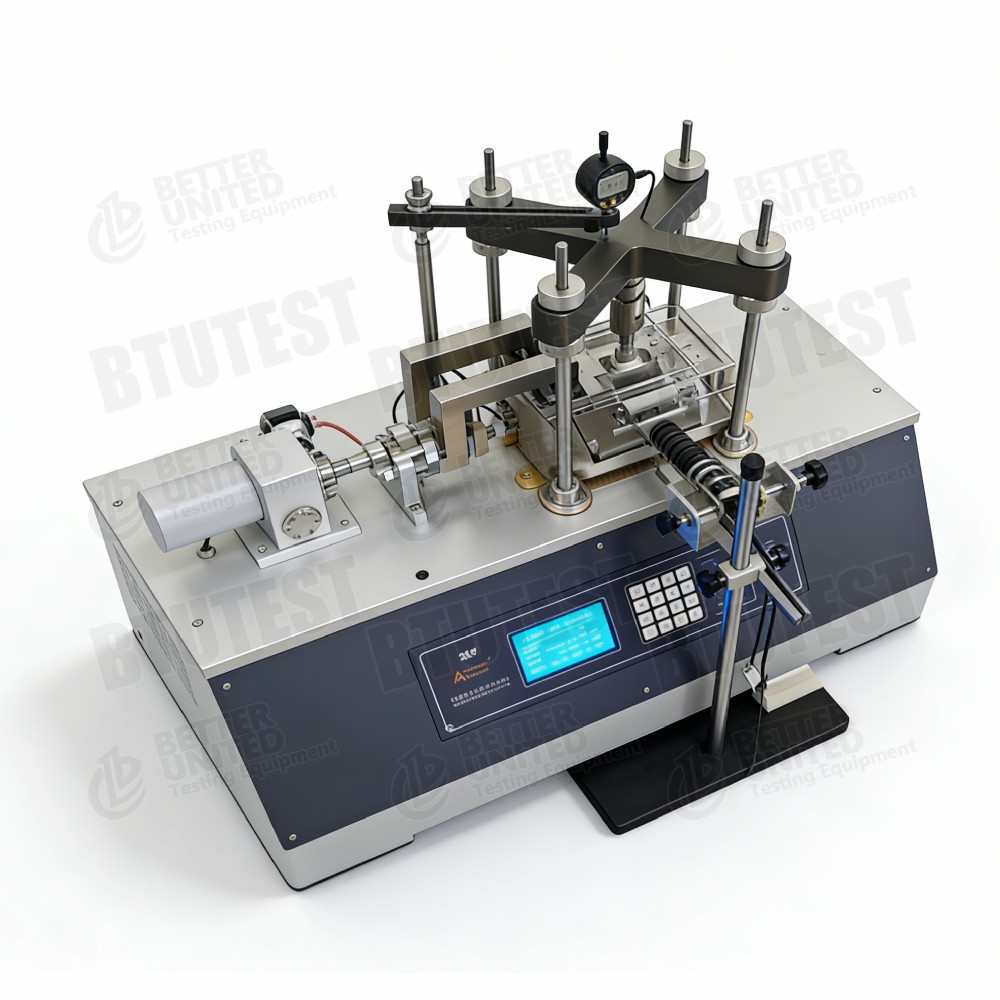
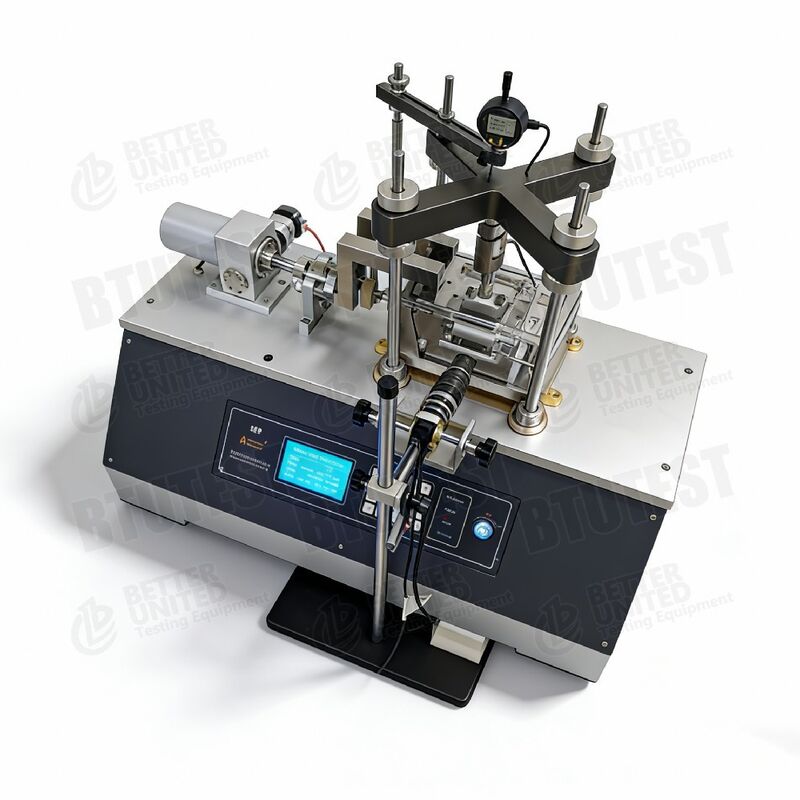
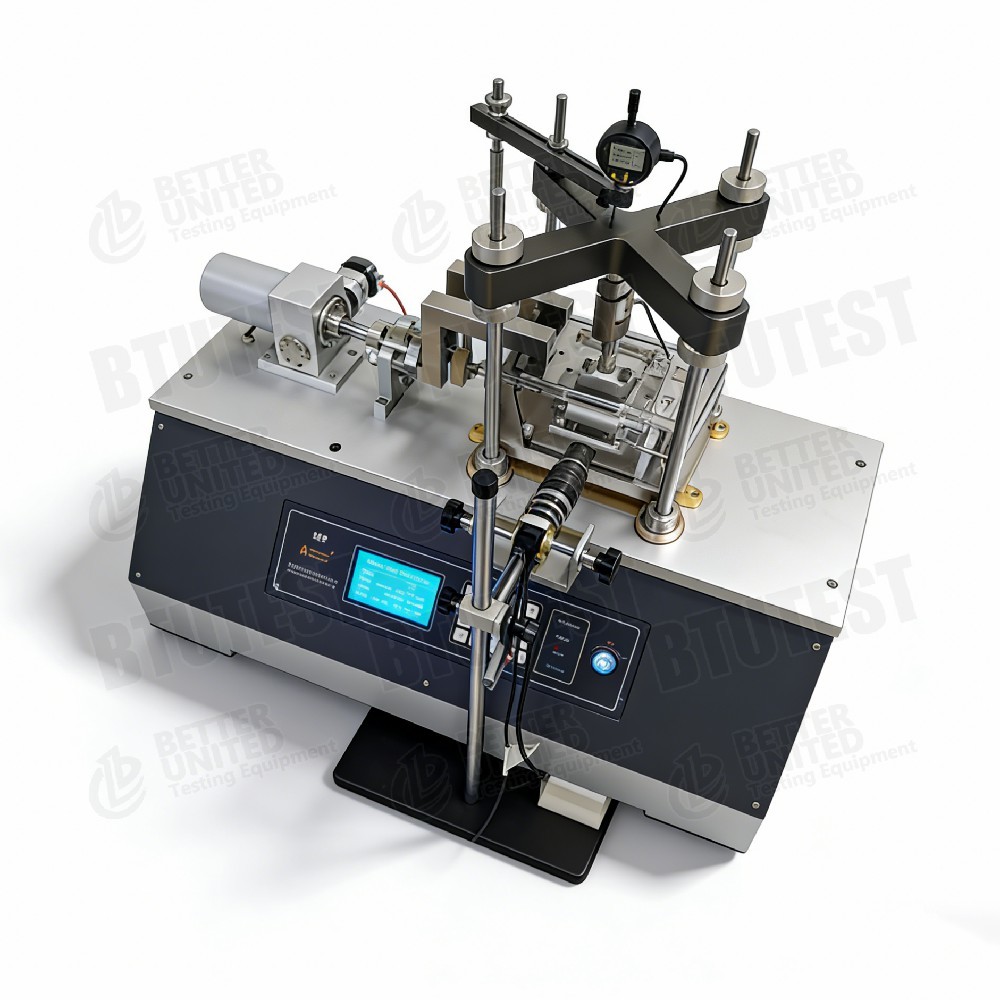
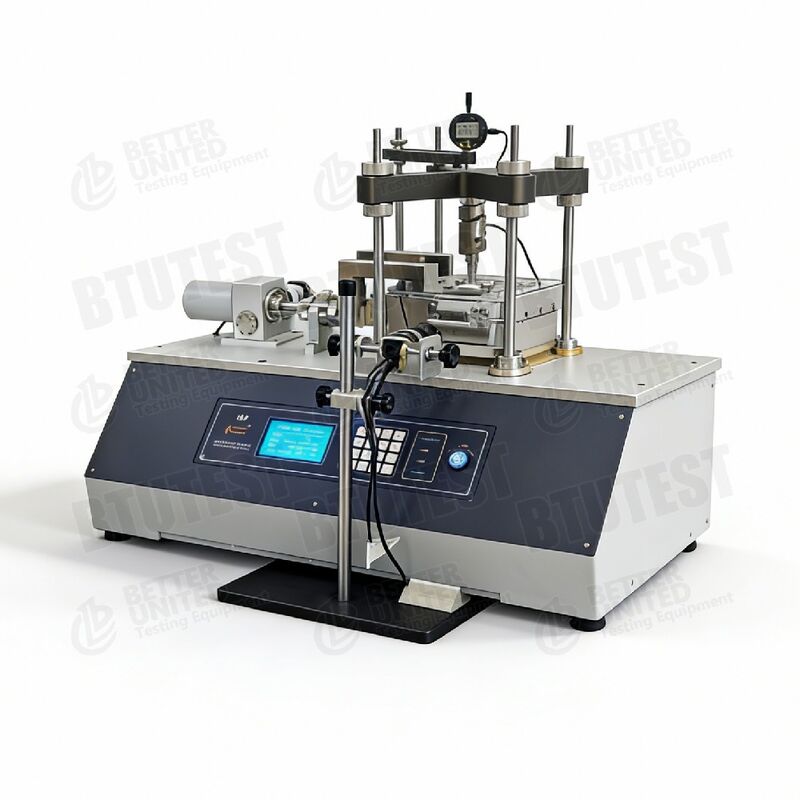
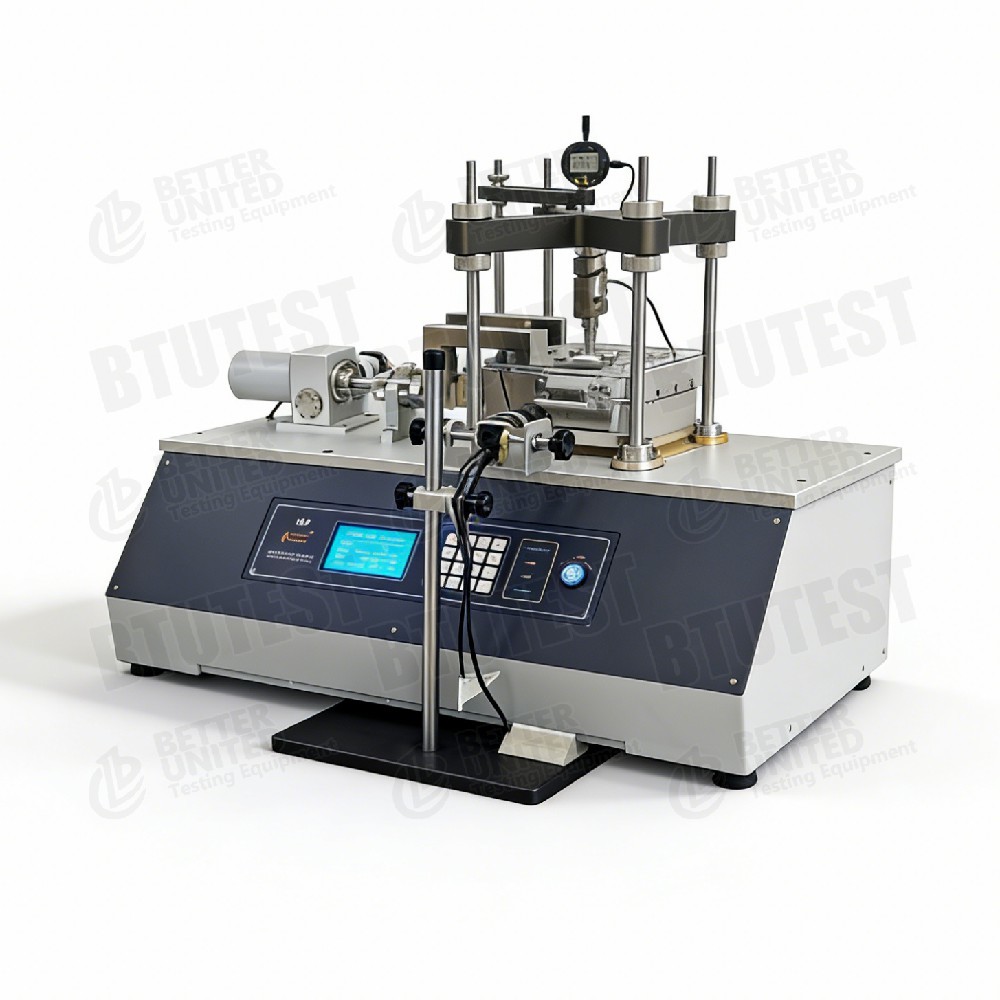
Model: BTU-TDSA-10F Instrument Name: Fully Automatic Transparent Direct Shear Apparatus (transparent Soil Direct Shear Apparatus)
Transparent Shear Box: Square 100 mm And 60 mm; Both Upper And Lower Specimens Immersed In Water To Maintain Saturation; Includes Interface Shear Box Vertical Loading System: Max. Normal Force 5 kN, Accuracy ±0.1% FS, Servo Feedback, Fully Software‑controlled
Horizontal Loading System: 0‑5 kN, Accuracy ±0.1% FS, Shear Rate 0.00001‑9.99999 mm/min Stepless Vertical Displacement: Range 0‑12.7 mm, Resolution 0.01 mm, Real‑time Computer Acquisition

Product Description

Fully Automatic Transparent Direct Shear Apparatus

Automatic Transparent Direct Shear Apparatus 0

Description

This equipment is a fully automatic transparent direct shear apparatus (transparent soil direct shear apparatus), model BTU-TDSA-10F, specifically designed for observing the micro‑mechanical behaviour of transparent soil (or transparent geomaterials). It uses a transparent shear box and can be combined with optical systems to directly observe internal deformations, particle movements, shear band evolution, and other microscopic phenomena during shearing.

Main functions include:

  • Standard consolidation, standard shear, fast shear, and cyclic shear tests on transparent soil
  • Direct shear rheological (creep) test
  • Pseudo‑dynamic shear test (positive/negative shear strain control)
  • Interface shear test
  • Consolidation and shear tests of geomaterials at the microscopic scale

Key features:

  • Transparent shear box (square 100 mm and 60 mm); both upper and lower specimens are immersed in water to maintain saturation
  • Vertical loading system: max. normal force 5 kN, accuracy ±0.1% FS
  • Horizontal loading system: 0‑5 kN, accuracy ±0.1% FS, shear rate 0.00001‑9.99999 mm/min stepless
  • Vertical displacement: range 0‑12.7 mm, resolution 0.01 mm, real‑time computer acquisition
  • Software‑controlled fully automatic loading with servo feedback
  • Includes a computer‑based data acquisition and control software

Test Standards (International)

  • ASTM D3080(Direct shear test)
  • ASTM D5321(Interface shear)
  • ASTM D6528(Simple shear – similar principle)
  • ASTM D7608(Residual strength)
  • ISO 17892‑10(Direct shear test)
  • BS 1377‑7(Direct shear test)

Because transparent soil is a physical model material used to simulate natural soils, its test methods generally follow those for natural soils. The transparent design is primarily for microscopic observation and does not alter the mechanical testing requirements.

Specification

Based on the screenshot:

Parameter Specification
Model BTU-TDSA-10F
Instrument name Fully automatic transparent direct shear apparatus (transparent soil direct shear apparatus)
Transparent shear box Square 100 mm and 60 mm; both upper and lower specimens immersed in water to maintain saturation; includes interface shear box
Vertical loading system Max. normal force 5 kN, accuracy ±0.1% FS, servo feedback, fully software‑controlled
Horizontal loading system 0‑5 kN, accuracy ±0.1% FS, shear rate 0.00001‑9.99999 mm/min stepless
Vertical displacement Range 0‑12.7 mm, resolution 0.01 mm, real‑time computer acquisition
Control method Fully automatic software control + servo feedback
Software One set of computer‑based data acquisition and control software
Test functions Standard consolidation, standard shear, fast shear, cyclic shear, direct shear creep (rheology), pseudo‑dynamic shear (positive/negative strain control), interface shear, microscopic consolidation and shear

Detail

  • Transparent shear box– Made of transparent material (e.g., acrylic or high‑strength glass), allowing optical systems (cameras, microscopes, PIV) to directly observe the interior of the specimen. Both upper and lower specimens are immersed in water to keep the transparent soil saturated and avoid refractive index mismatch.
  • Two box sizes– Provides 100 mm and 60 mm square shear boxes to accommodate different model scales.
  • Interface shear box– Optional or standard, used to study interface friction between transparent soil and structures (e.g., transparent plates, model piles).
  • Servo feedback control– Both normal and horizontal loading use closed‑loop servo motor control for precise stress or strain path application.
  • Pseudo‑dynamic shear test– Capable of positive/negative shear strain control (i.e., cyclic shear direction reversal) to simulate cyclic or dynamic loading.
  • Microscopic consolidation and shear– Combined with transparent soil and optical observation, allows study of particle‑scale consolidation compression and shear deformation mechanisms.
  • High‑precision displacement measurement– Vertical displacement resolution 0.01 mm (10 μm), meeting microscopic deformation observation requirements.
  • Software functions– Fully automatic data acquisition and control, real‑time curve display, support for multiple test modules.

Application

  • Transparent soil testing– Use transparent soil to simulate natural sand or clay; combine with optical observation (e.g., PIV) to study internal deformation, shear band development, particle rotation, and other microscopic mechanisms.
  • Foundations and footings– Observe soil displacement fields around pile foundations or shallow footings during shearing.
  • Slope stability– Simulate slope shear failure and observe the formation and evolution of slip surfaces.
  • Interface shear– Study soil‑structure interaction (retaining walls, pipes, geomembranes).
  • Cyclic and dynamic loading– Study deformation accumulation and strength degradation under earthquake or wave loading (pseudo‑dynamic shear).
  • Creep behaviour– Observe rheological behaviour under long‑term loading.
  • Teaching demonstrations– Visually demonstrate the shear failure process of soil for geotechnical teaching.

Advantages

  • Visualised shearing process– The transparent shear box combined with an optical system allows direct observation of internal specimen deformation, overcoming the limitation of conventional direct shear apparatuses (which can only observe the exterior or post‑failure surfaces).
  • Two box sizes– 100 mm and 60 mm boxes allow flexibility for different research scales.
  • Saturated environment– Both upper and lower specimens are immersed in water to keep the transparent soil fully saturated and avoid air bubbles that could interfere with optical imaging.
  • Fully automatic servo control– High‑precision loading; programmable complex stress paths (cyclic, creep, positive/negative strain, etc.).
  • Pseudo‑dynamic shear– Capable of positive/negative alternating strain control, more closely simulating actual seismic or wave loading.
  • Interface shear capability– Extendable to soil‑structure interface studies.
  • Compatible with microscopic observation– Combined with PIV and other techniques, provides rich data such as displacement fields, strain fields, etc.
  • Multi‑function– Integrates standard direct shear, fast shear, cyclic shear, creep, interface shear, and microscopic observation into one instrument.

What To Choose

Select the apparatus or configuration based on testing requirements:

Requirement Recommended Configuration Reason
Mainly microscopic deformation observation of transparent soil Standard 100 mm or 60 mm transparent shear box + optical observation system (purchased separately) Transparent box is the core
Need soil‑structure interface study Optional interface shear box Specialised fixture to simulate structural material
Need cyclic or pseudo‑dynamic shear Already supported; confirm software includes the corresponding module No extra hardware needed
Need creep testing Already supported; confirm software includes rheology module Long‑term data acquisition
Larger specimen size (e.g., 100 mm) Choose 100 mm shear box Accommodates more transparent soil particles
Only routine direct shear (no transparency needed) Consider a conventional direct shear apparatus (lower cost) Transparent design adds cost
Need higher normal force (>5 kN) Consult manufacturer for customisation This model max is 5 kN
Teaching demonstration Standard configuration + camera (user supplied) Visualisation is intuitive

Process Flow

Example:Standard direct shear test on transparent soil (fast shear, with PIV observation)

  • Transparent soil preparation
    • Mix transparent solid particles (e.g., fused quartz) with a pore fluid having a matching refractive index (often a blended oil) to prepare saturated transparent soil.
    • Place the transparent soil into the lower 100 mm square shear box and level the surface.
  • Install shear box and optical system
    • Place the shear box assembly into the direct shear loading position.
    • Install the transparent upper shear box; both upper and lower specimens are submerged in the pore fluid (maintain saturation).
    • Position a camera (e.g., CCD) and light source beside or above the shear box, connected to a computer.
    • Install the vertical loading plate and displacement sensor.
  • Apply normal stress
    • Set the target normal stress (e.g., 100 kPa) via software; the servo system automatically applies and maintains constant stress.
    • Record normal displacement (consolidation) until stable.
  • Set shear parameters
    • In the software, select “fast shear module” or “standard shear module”.
    • Set shear rate (e.g., 0.8 mm/min).
    • Set shear displacement limit (e.g., 6 mm).
    • Start the optical acquisition software (e.g., PIV) and prepare for image capture.
  • Start shearing
    • Start the horizontal loading system to move the shear box.
    • The computer records shear force, shear displacement, normal displacement, and time in real time.
    • Simultaneously, capture images of particle movement inside the transparent soil at a set frame rate.
  • Synchronised observation
    • PIV software processes the image sequence to calculate displacement fields, strain fields, shear band location, and other microscopic parameters.
    • Time‑synchronise the mechanical curves with the microscopic deformation images.
  • Stop condition
    • Automatically stops when the preset shear displacement is reached or after a clear peak shear stress drop.
  • Disassembly and cleaning
    • Unload normal force, remove the shear box, clean the transparent soil and pore fluid (note proper disposal/recycling).
  • Data processing
    • Software calculates peak shear stress and plots shear stress‑displacement curve.
    • Combine with PIV analysis results to obtain shear band thickness, particle rotation angles, local strain, and other microscopic information.
    • Generate test report (including mechanical curves and image analysis results).

For cyclic or pseudo‑dynamic shear: Set positive/negative strain amplitude and number of cycles; the software automatically controls direction reversal.
For interface shear: Replace with the interface shear box and fix the structural material (e.g., a transparent acrylic plate) to one side of the shear box.

Summary:The BTU-TDSA-10F is a fully automatic transparent direct shear apparatus featuring a transparent shear box and servo control. It supports multiple shear modes (standard, fast, cyclic, creep, pseudo‑dynamic, interface). Its core advantage is the visualisation of internal deformation, making it suitable for micro‑geomechanics, interface behaviour studies, teaching demonstrations, and more. Selection should consider the specimen size (100 mm / 60 mm) and whether interface shear is needed. The optical observation system (camera, light source, PIV software) must be purchased separately by the user.

Get in touch with us

Enter Your Message

You Might Be Into These