







|
Product Details:
|
|
| Place of Origin: | China |
|---|---|
| Brand Name: | BTUTEST |
| Certification: | CE |
| Model Number: | BTU-DDS-5F |
|
Payment & Shipping Terms:
|
|
| Minimum Order Quantity: | 1 |
| Price: | USD 11470 to 42857 $ |
| Packaging Details: | WOODEN CASE PACKAGE |
| Delivery Time: | 31 days |
| Payment Terms: | L/C, D/A, D/P, T/T, Western Union |
| Supply Ability: | 5 set |
|
Detail Information |
|||
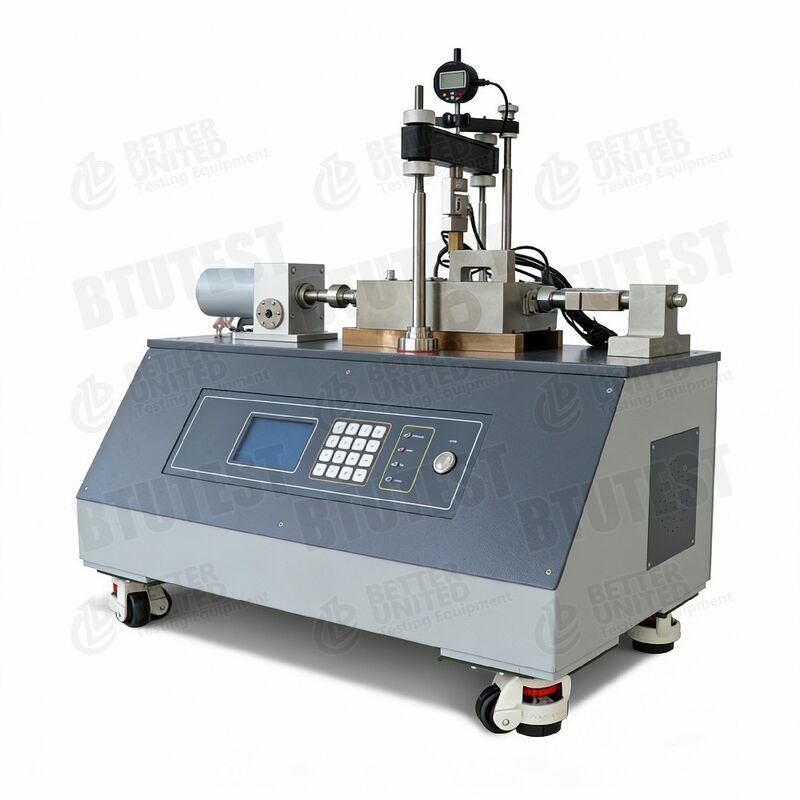
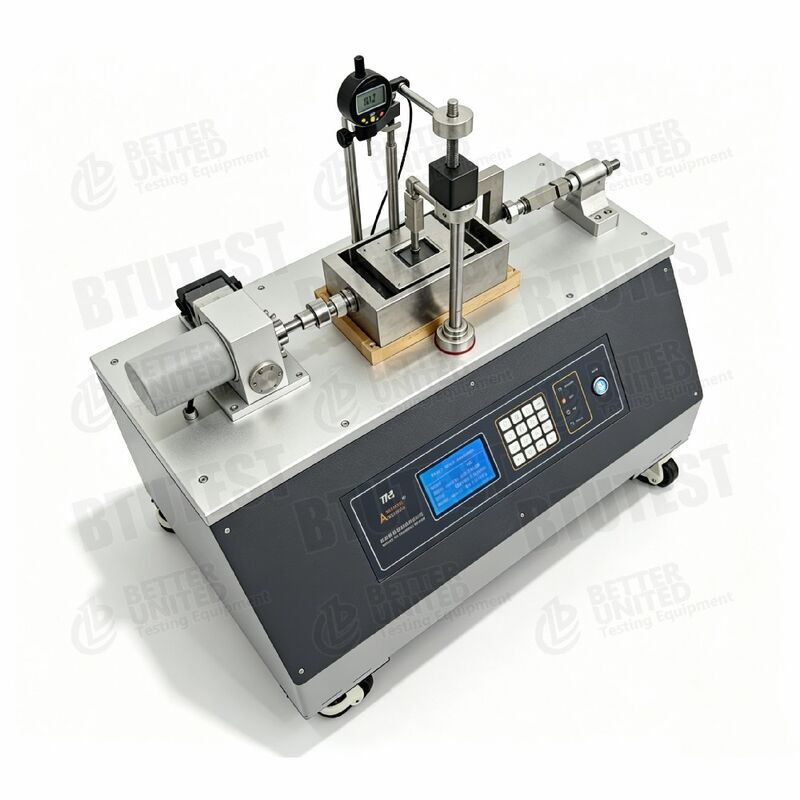
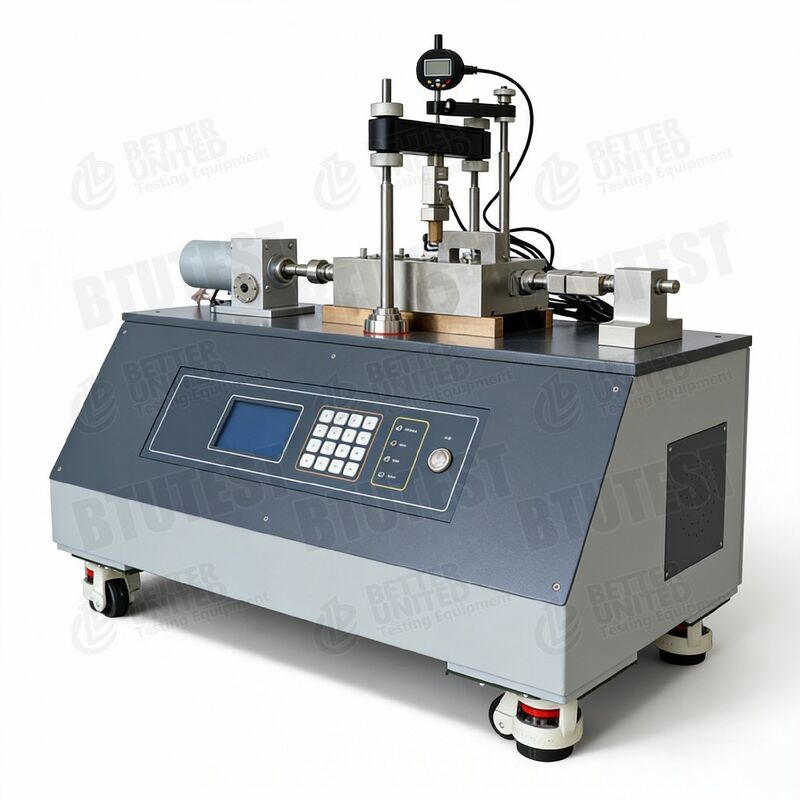
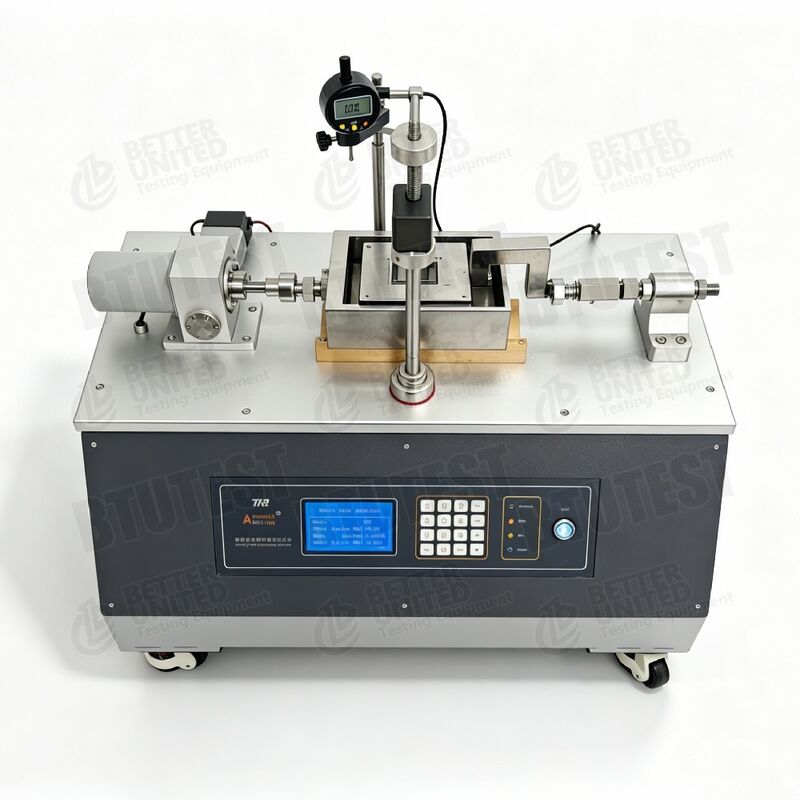
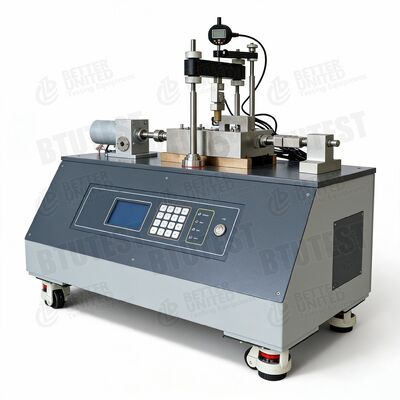
| Shear Box (standard): | Square 100×100 mm, 60×60 mm; Optional Round: Ø50, 61.4, 61.8, 63.5, 70, 100 mm | Vertical Loading System: | Pneumatic, With Load Cell And Displacement Transducer |
|---|---|---|---|
| Horizontal Loading System: | Mechanical, With Load Cell And Displacement Transducer | Max. Vertical Load: | 5 kN |
| Vertical Load Cell: | Range 5 kN, Resolution 1 N, Accuracy ±0.15% FS | Shear Rate: | 0.00001 – 9.99999 mm/min, Stepless |
Product Description
Direct shear apparatus
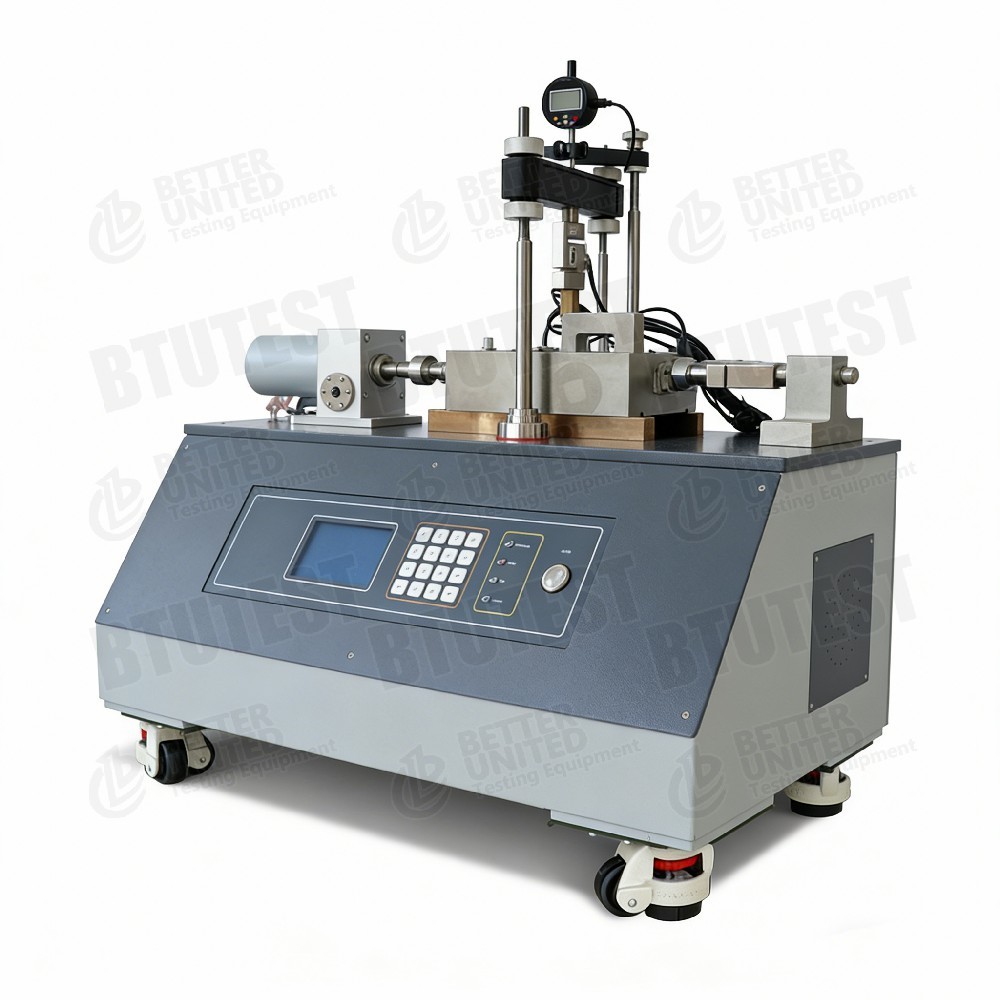
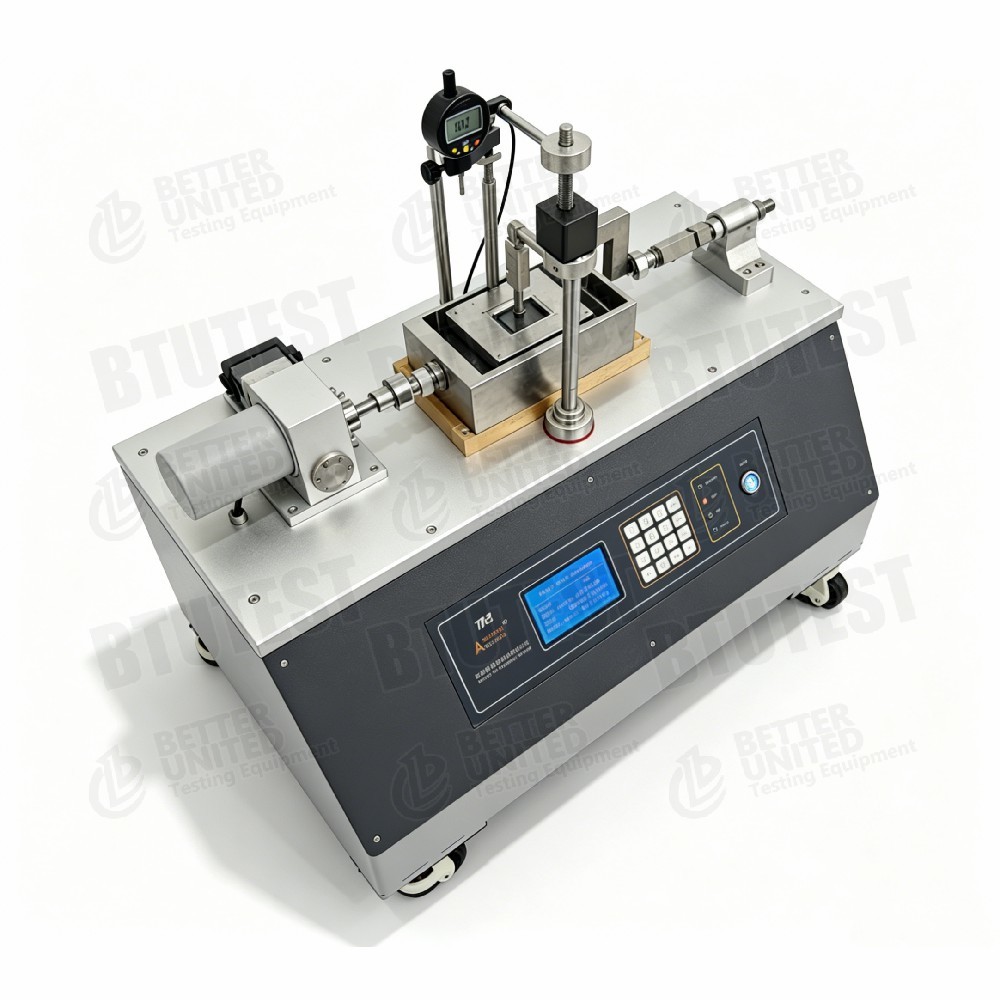
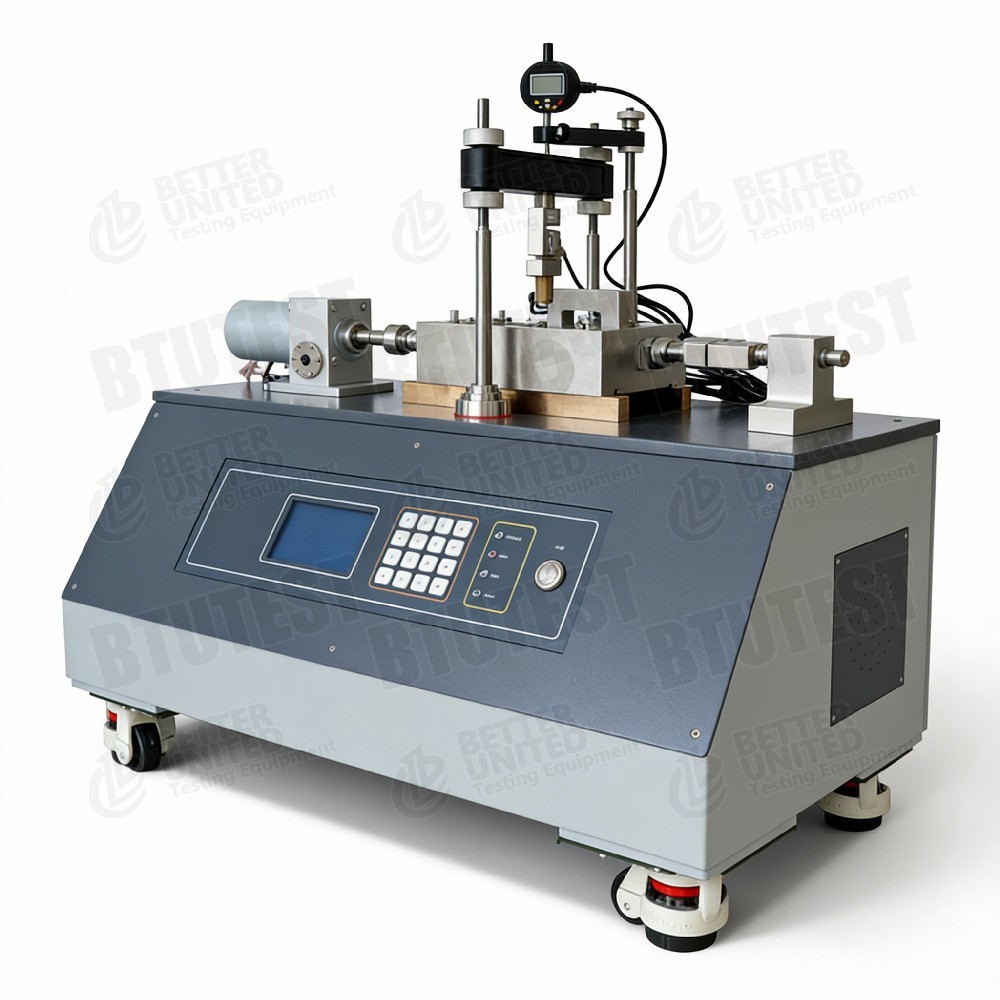
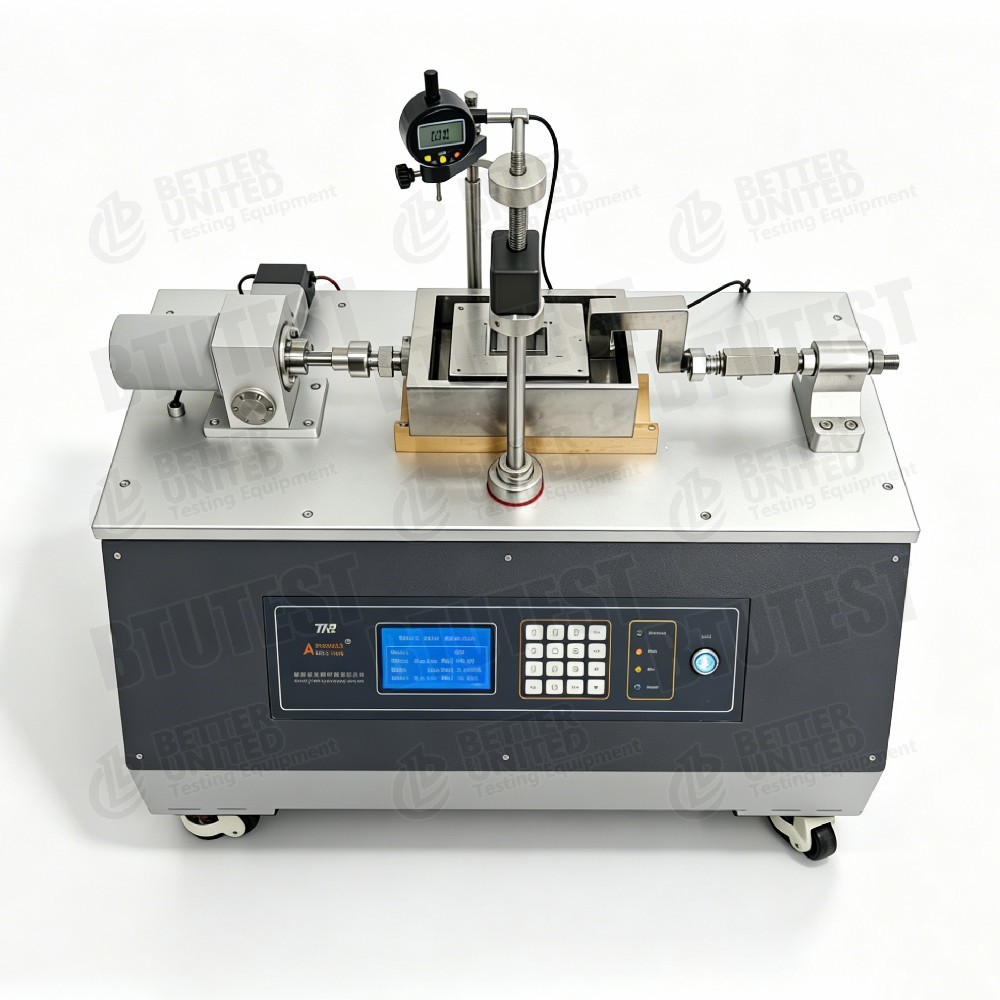
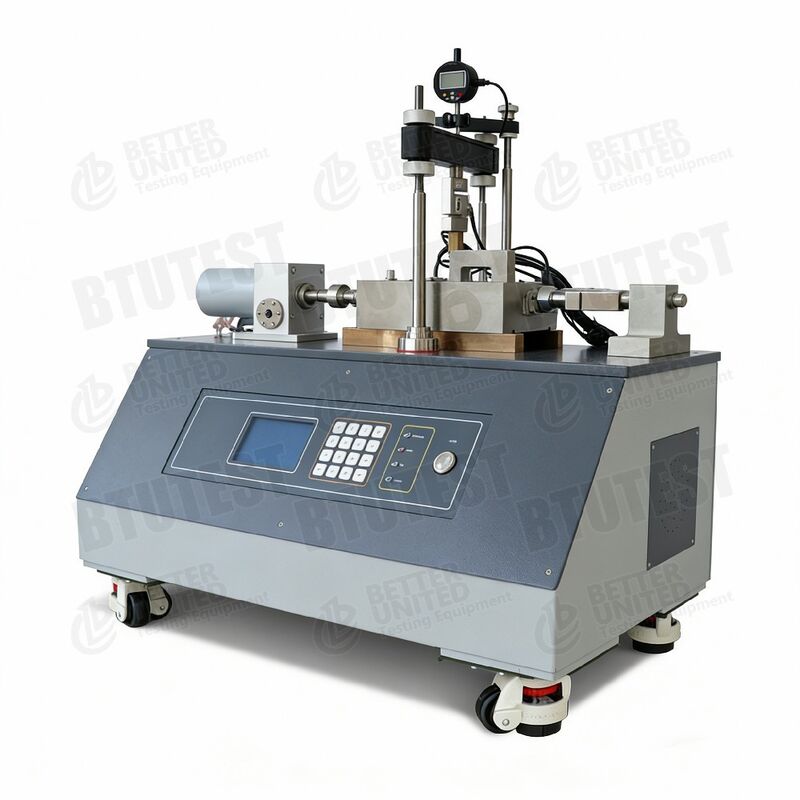
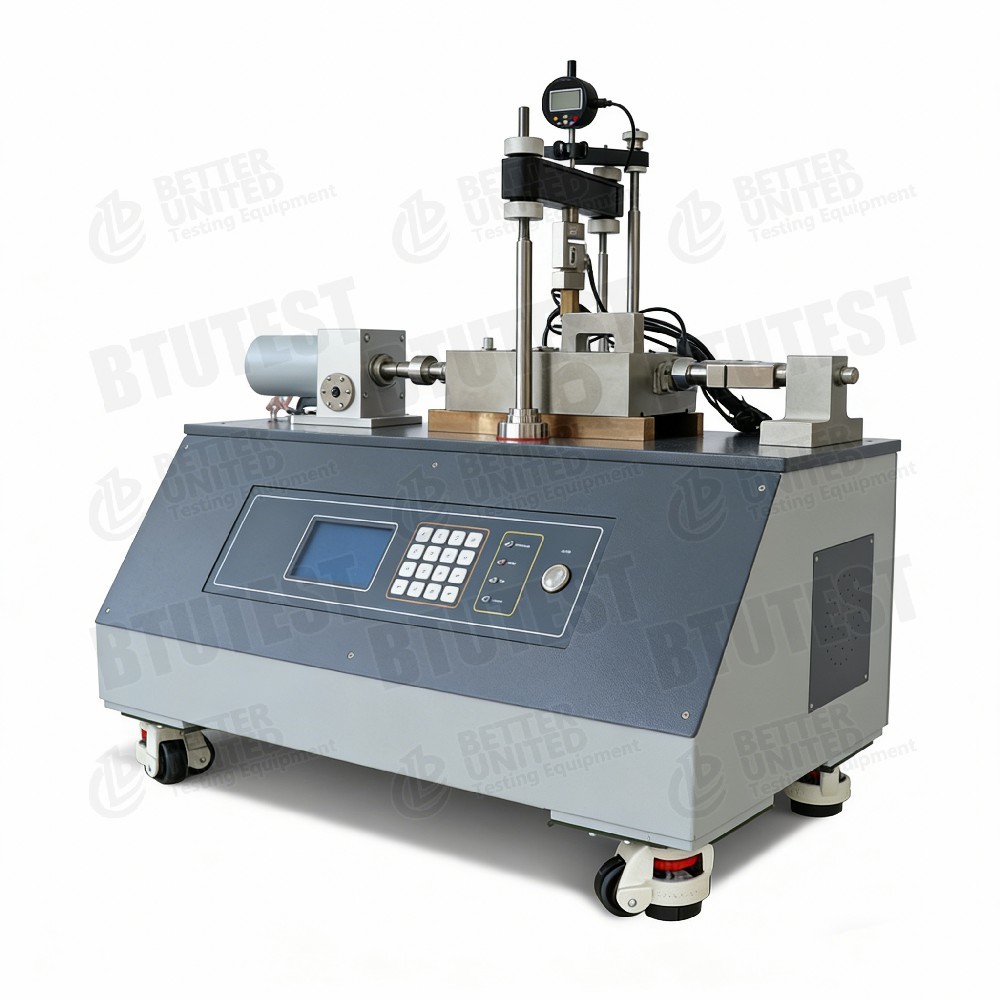
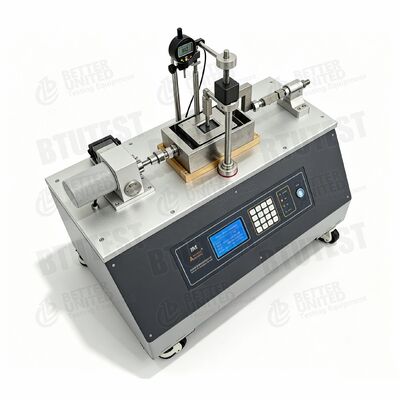
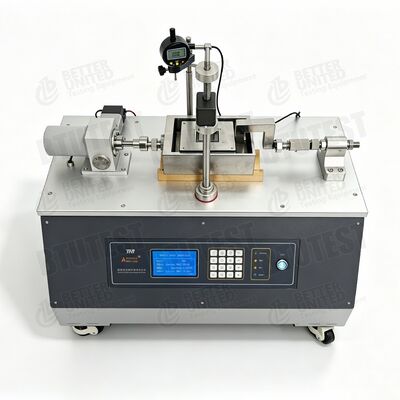
The BTU-DDS-5F Fully Automated Direct/Residual Shear Systemis designed for determining the shear strength and residual shear strength of soils, targeting academic laboratories and research institutions. Compared to traditional systems, it features:
ASTM D3080(Standard test method for direct shear test of soils)
ASTM D6467(Ring shear residual strength – similar reciprocating shear principle)
ASTM D7608(Residual strength of saturated cohesive soils)
ISO 17892‑10(Direct shear test)
BS 1377‑7(Direct shear test)
The reciprocating shear capability for residual strength meets the requirements of these standards regarding shear rate, normal stress, and residual strength determination.
| Parameter | Specification |
| Model | BTU-DDS-5F |
| Shear box (standard) | Square 100×100 mm, 60×60 mm; Optional round: Ø50, 61.4, 61.8, 63.5, 70, 100 mm |
| Vertical loading system | Pneumatic, with load cell and displacement transducer |
| Horizontal loading system | Mechanical, with load cell and displacement transducer |
| Servo control system | Strain and stress control |
| Data acquisition | Collects sensor data |
| Master frame | For mounting components |
| Software | Data acquisition and system control |
| Max. vertical load | 5 kN |
| Max. horizontal shear force | 5 kN |
| Vertical load cell | Range 5 kN, resolution 1 N, accuracy ±0.15% FS |
| Horizontal load cell | Range 5 kN, resolution 1 N, accuracy ±0.15% FS |
| Vertical displacement | Digital dial indicator, range 12.7 mm, resolution 1 μm, accuracy 3 μm |
| Horizontal displacement | Motor encoder, resolution 1 μm, accuracy 3 μm |
| Shear rate | 0.00001 – 9.99999 mm/min, stepless |
| Software modules | Data logging, standard consolidation, standard shearing, fast shear, reciprocating shear |
| Power voltage | 110–240 V |
| Working temperature | 0 ℃ – 45 ℃ |
| Instrument size | 820×500×770 mm |
Select the system or accessories based on testing needs:
1. Peak strength only (conventional direct shear) – Use standard shear box (100×100 mm or 60×60 mm) and “standard shearing” or “fast shear” module.
2. Residual strength (reciprocating shear)– Core function of this system; select “reciprocating shear” module, set cycles and displacement amplitude.
3. Different specimen sizes–
- Fine‑grained soil / standard ring samples: round Ø61.8 mm box.
- Coarse or disturbed soil: square 100×100 mm or 60×60 mm.
- Other sizes (Ø50, Ø70, Ø100, etc.) available on request.
4. Normal loading method– Standard pneumatic loading requires compressed air supply. If no air source, choose mechanical motor‑driven loading option.
5. Budget– Fully automatic system is more expensive. If budget is limited and reciprocating shear or automatic normal loading is not needed, consider a traditional lever‑type direct shear apparatus.
6. Software modules– Standard configuration includes data logging, consolidation, shearing, fast shear, reciprocating shear. Confirm whether additional post‑processing or reporting functions are required.
Example: Consolidated undrained reciprocating shear (residual strength) on saturated clay
1. Specimen preparation – Cut or remould specimen (e.g., Ø61.8 mm round or 60×60 mm square). Saturate (vacuum or water immersion), measure initial water content and density.
2. Specimen installation – Place specimen in lower shear box, align upper box, install porous stones and loading plate. Mount vertical loading piston, connect vertical load cell and vertical displacement transducer (digital dial indicator). Centre the loading rod with the shear box top indent.
3. Apply normal stress – Set target normal stress (e.g., 100 kPa) via pneumatic system. In software, select “standard consolidation module”; record vertical deformation until consolidation is stable.
4. Set shear parameters –
- Select “reciprocating shear module”.
- Set shear rate (e.g., 0.5 mm/min).
- Set shear direction: forward to a displacement (e.g., 5 mm), then reverse; define number of cycles.
- Set stop conditions (e.g., total displacement 10 mm or shear stress stabilisation).
5. Start shearing– Close drainage valve (undrained) or keep open (drained). Start test. The horizontal stepper motor drives the shear box. Software records shear stress, shear displacement, vertical displacement (volume change), time, etc. Real‑time shear stress‑displacement curve.
6. Reciprocating shear– At forward displacement limit, motor automatically reverses. After several cycles, shear stress stabilises – this is the residual strength.
7. End and disassembly – Stop shearing, unload normal stress. Remove specimen, observe shear surface, clean shear box and sensors.
8. Data processing – Software automatically identifies peak and residual shear stresses for each shear direction. For tests at different normal stresses, plot residual strength envelope, calculate residual friction angle φᵣ and residual cohesion cᵣ. Generate test report (curves, parameters).
For fast shear or standard shear (no reciprocation): Select “fast shear module” or “standard shear module”, set shear rate and stop displacement, shear in one direction until failure.
Summary:The BTU-DDS-5F is a fully automated direct/residual shear system featuring pneumatic normal loading, reciprocating shear, a wide shear rate range, and high‑accuracy sensors. It is suitable for both conventional direct shear and residual strength testing. Selection should consider specimen size, need for reciprocating shear, and availability of compressed air. It is especially valuable for landslide research requiring residual strength of slip zone soils.
Enter Your Message

Try our best,make things better. People first,Innovative Productivity,Common Solutions
| Hebei Better United Import And Export Co., Ltd. |
| Hejie Town,Xianxian County,Cangzhou City,Hebei Province,China |
| 86-151-2879-5929 |
| sales@btutest.com |