
logo
Send Message
Hebei Better United Import And Export Co., Ltd.

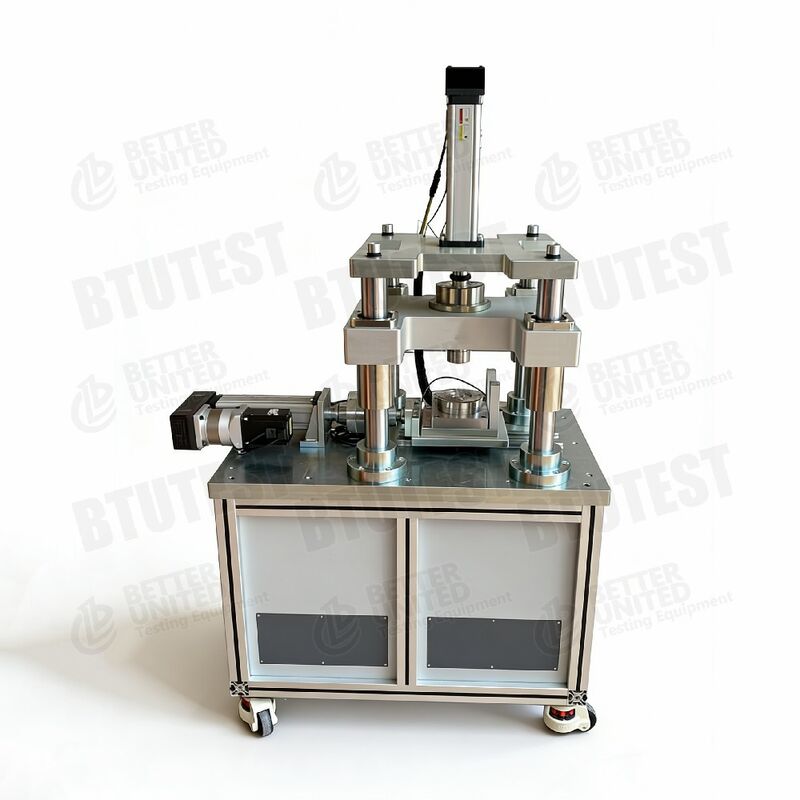
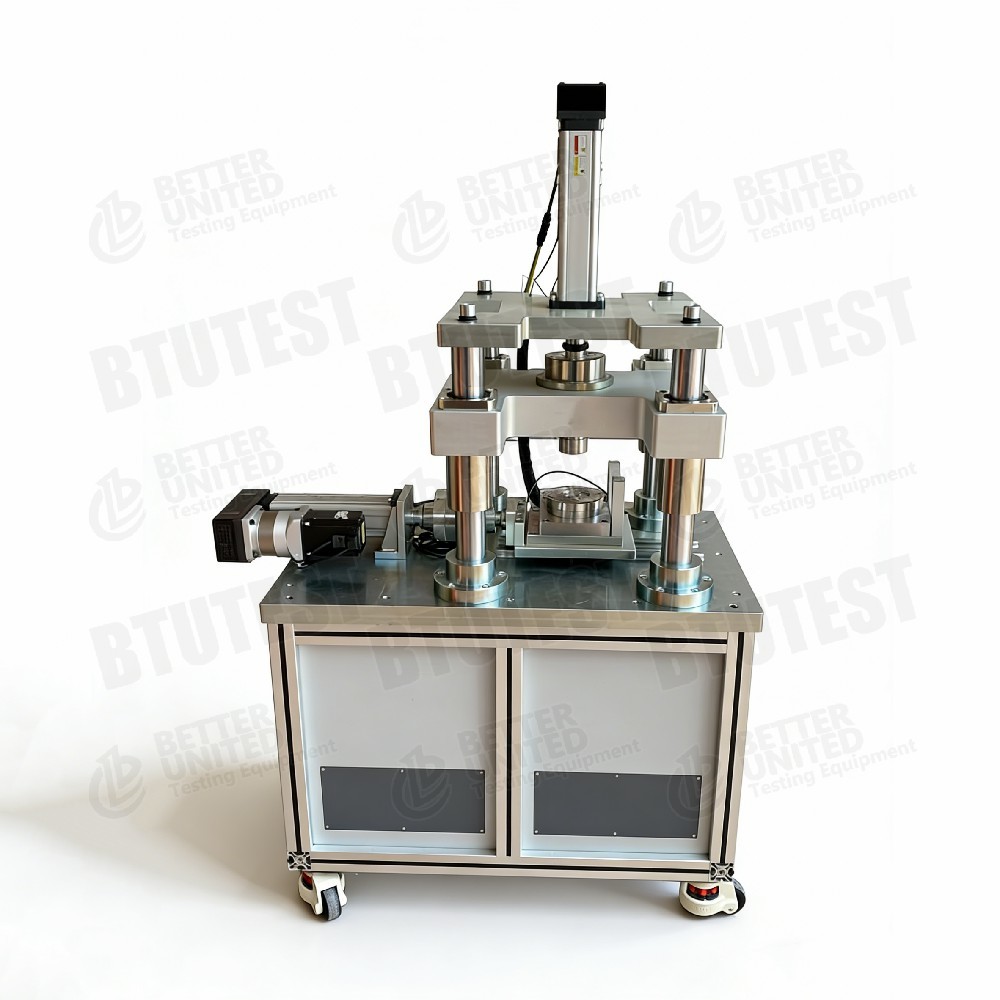
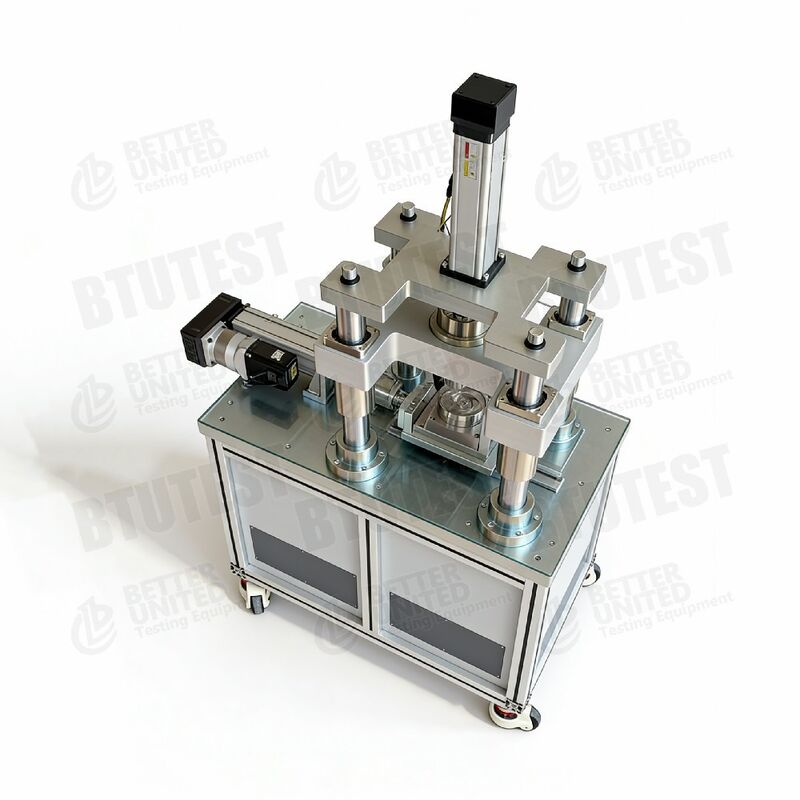
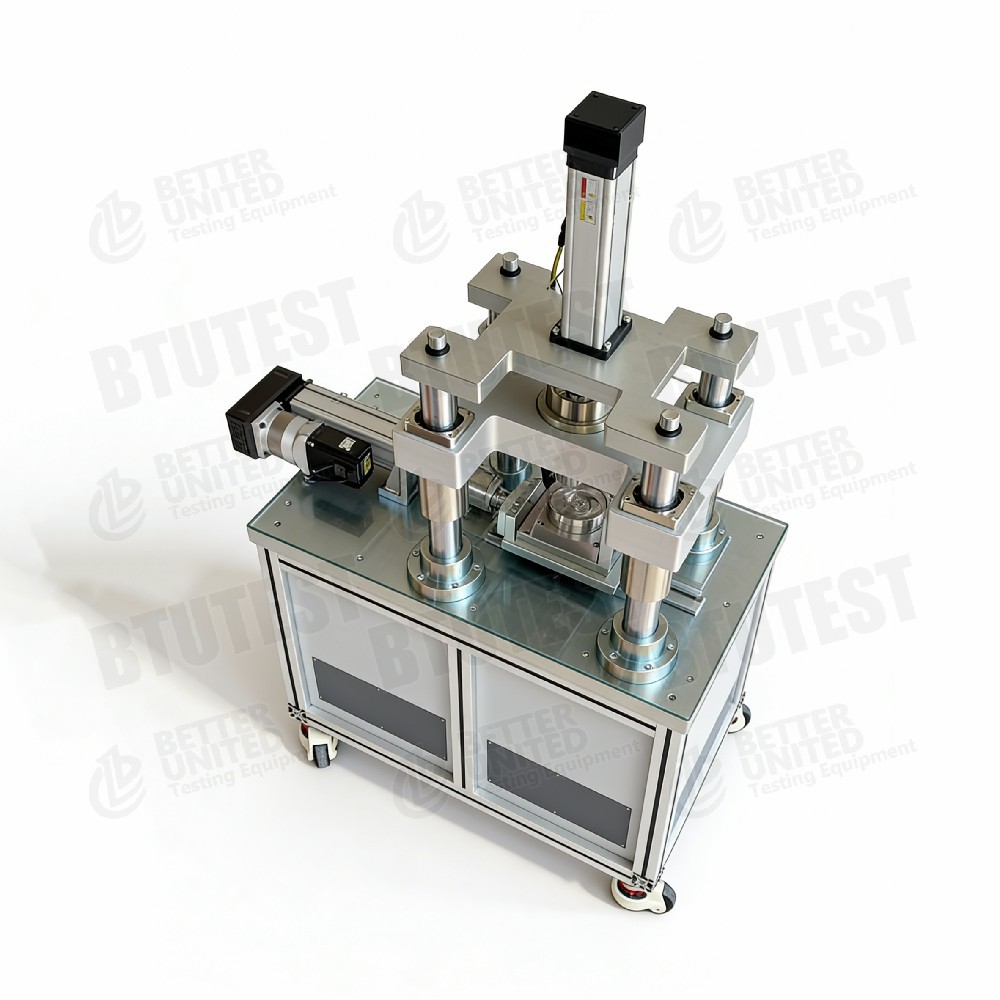
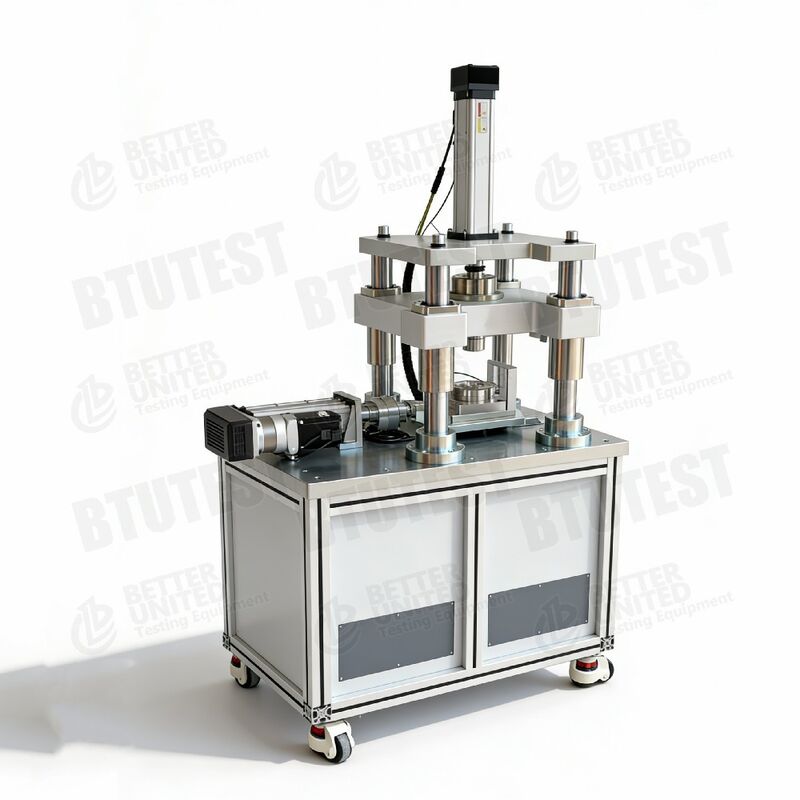
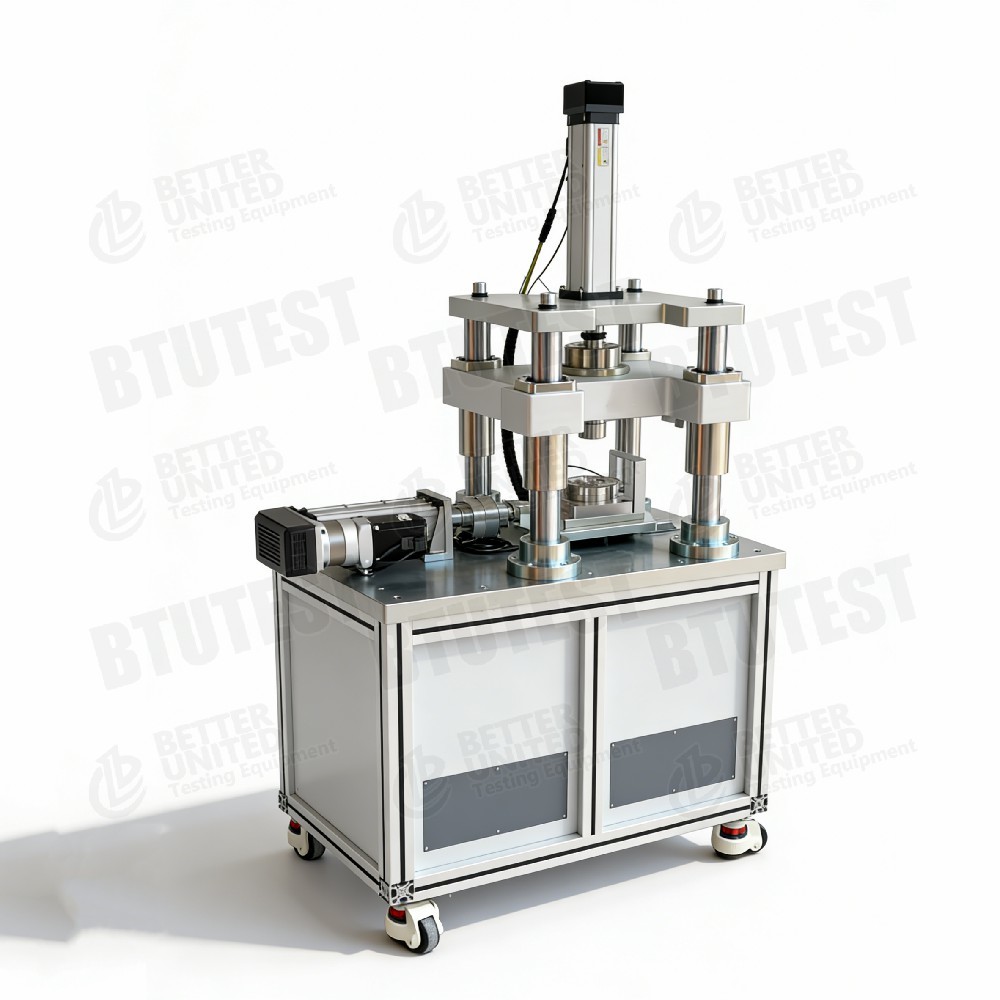
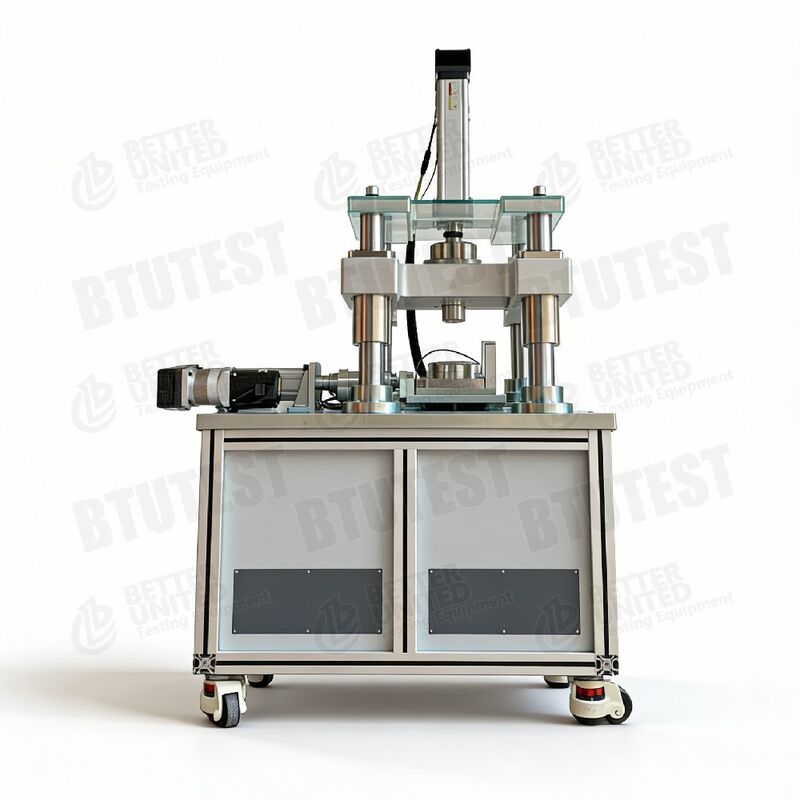
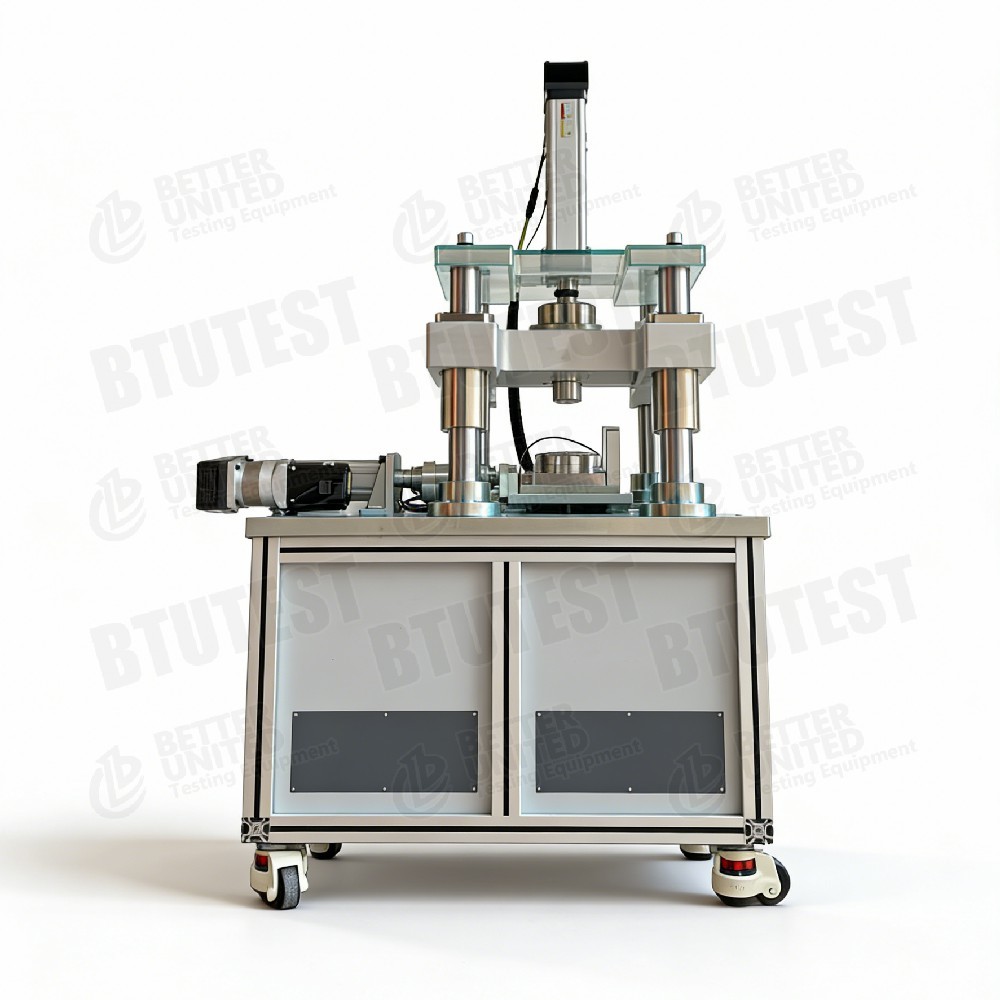
Automatic Servo‑Controlled Simple Shear Apparatus

Product Details:
Place of Origin: Made in China
Brand Name: BTUTEST
Certification: SGS, INTERTEK
Model Number: BTU‑DSSA‑1 (static), DSSA‑2 (dynamic), DSSA‑3 (tri‑directional + dynamic)
Payment & Shipping Terms:
Minimum Order Quantity: 1 set
Price: Negotiable
Packaging Details: Soil Testing Equipment Standard export wooden box
Delivery Time: 6 days after payment
Payment Terms: L/C, D/A, D/P, T/T, Western Union
Supply Ability: 100 sets per month
  • Detail Information
  • Product Description

Detail Information

Name: Automatic Servo‑Controlled Simple Shear Apparatus Warranty: 1 Year
Max. Axial Force: Servo Motor Mechanical Loading, Range 0–10 kN Shearing Speed (mm/min): 30 Stacking Rings, Each 2 mm Thick, Inner Diameter 61.8 mm
Cell Pressure: Corresponding Normal Stress 0–3.2 MPa Vertical Force Sensor Accuracy: ±0.1% FS
Horizontal Loading System: Servo Motor Actuator, Range 0–10 kN, Accuracy ±0.1% FS

Product Description

                                            Automatic Servo‑Controlled Simple Shear Apparatus


Description

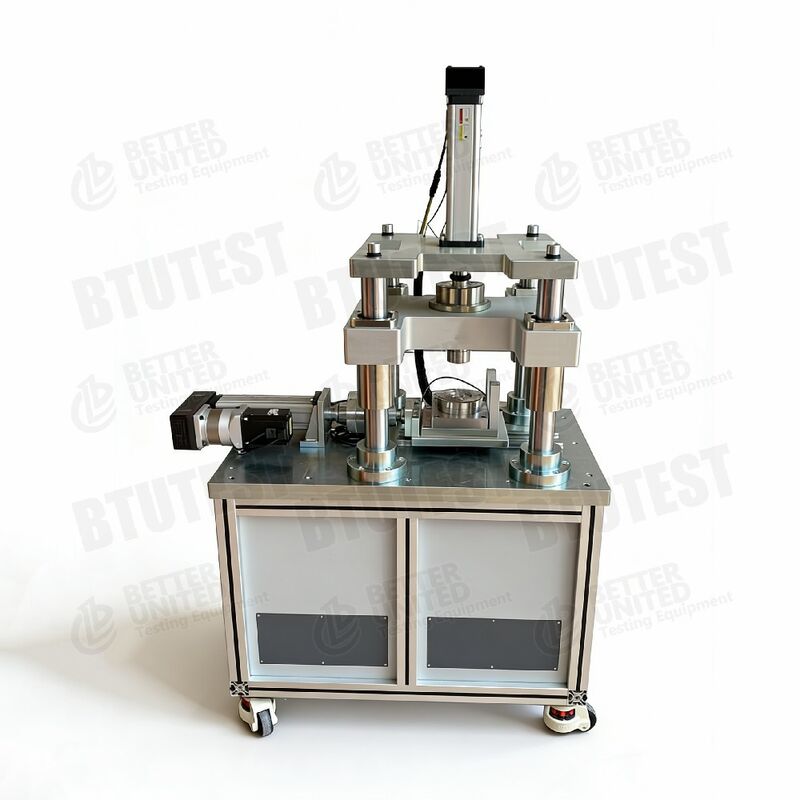
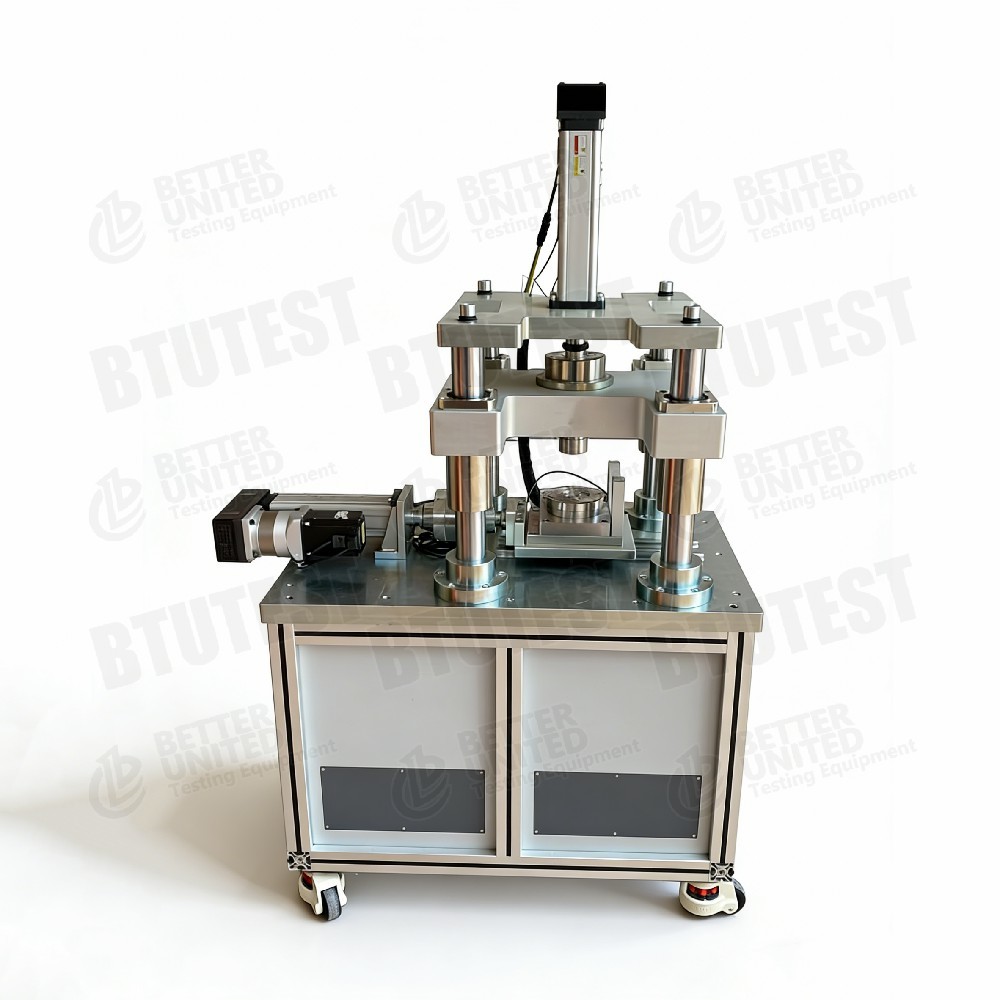
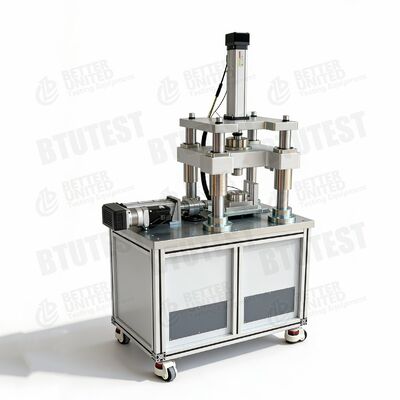
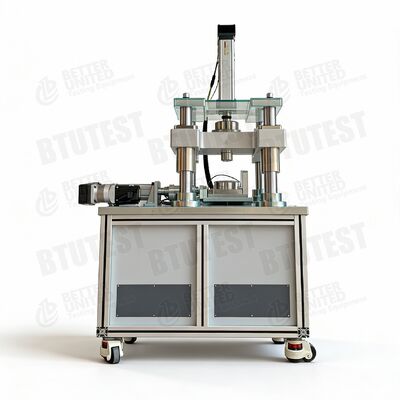
This equipment is theBTU fully automatic servo‑controlled simple shear apparatus, available in the following models:

  • BTU‑DSSA‑1: Standard (static)
  • BTU‑DSSA‑2: Dynamic (cyclic dynamic loading in X‑direction)
  • BTU‑DSSA‑3: Tri‑directional + dynamic loading

The system mainly consists of:

  • A main frame (providing the loading framework)
  • A vertical servo motor loading system (0–10 kN)
  • A horizontal servo motor loading system (0–10 kN)
  • 30 simple shear stacking rings (shear box, inner diameter 61.8 mm, each ring thickness 2 mm)
  • Supporting software system

Main functions:

  • Passive active height control
  • Stress‑controlled or strain‑controlled loading
  • Static simple shear tests under drained (constant load) or undrained (constant volume) conditions, with or without shear bias
  • Cyclic dynamic simple shear tests in the X‑direction (DSSA‑2/3)

Test Standards (International)

  • ASTM D6528(Standard test method for consolidated undrained simple shear testing)
  • ASTM D7608(Residual strength of saturated cohesive soils – simple shear variant is less common)
  • ISO 17892‑9(Cyclic triaxial – similar principles apply)
  • BS 1377‑8(Simple shear test section)
  • JGS 0563(Japanese simple shear test method)


The equipment can meet the requirements for shear rate, normal stress, drained/undrained conditions, dynamic loading, etc. specified in the above standards.

Specification


Parameter Specification
Models BTU‑DSSA‑1 (static), DSSA‑2 (dynamic), DSSA‑3 (tri‑directional + dynamic)
Shear box construction 30 stacking rings, each 2 mm thick, inner diameter 61.8 mm
Ring surface treatment Ground by surface grinder to reduce friction
Drainage / pore pressure Drainage ports at bottom and top of shear box; equipped with pore pressure sensor
Vertical loading system Servo motor mechanical loading, range 0–10 kN, corresponding normal stress 0–3.2 MPa
Vertical force sensor accuracy ±0.1% FS
Vertical displacement measurement Linear encoder (precise, noise‑free)
Horizontal loading system Servo motor actuator, range 0–10 kN, accuracy ±0.1% FS
Horizontal displacement measurement Linear encoder
Control modes Stress control or strain control
Test types Static simple shear (drained/undrained, with or without bias); cyclic dynamic simple shear (X‑direction)
Data acquisition Automatic acquisition of force, displacement, pore pressure, time, etc.; plots force‑time and stress‑displacement curves
 

Detail

  • Stacking ring design– 30 rings each 2 mm thick, inner diameter 61.8 mm. The rings allow horizontal relative displacement while maintaining free vertical deformation, simulating simple shear conditions.
  • Friction control– Each ring surface is precision‑ground using a surface grinder to minimise inter‑ring friction, improving shear stress measurement accuracy.
  • Drainage and pore pressure measurement– Drainage ports at bottom and top allow consolidation and drained tests. A pore pressure sensor monitors pore water pressure changes during undrained shearing.
  • Vertical loading system– Servo motor driven mechanical loading (no pneumatic or hydraulic pressure required), fast response, high accuracy. Vertical displacement is measured by a linear encoder (no mechanical noise).
  • Horizontal loading system– Servo motor actuator for static or dynamic (cyclic) loading. Dynamic models (DSSA‑2/3) can apply waveform loading (sine, square, etc.) in the X‑direction.
  • Control modes– Passive active height control: maintains constant volume (undrained) or constant load (drained) during shearing. Supports stress‑controlled or strain‑controlled paths.
  • Tri‑directional loading (DSSA‑3)– In addition to vertical and horizontal X‑direction, can apply Y‑direction (third direction) loads to simulate more complex stress states.

Application

  • Simple shear behaviour of soils– Simulates pure shear stress states in the field (e.g., horizontal sliding of foundations, soil behind retaining walls).
  • Consolidated undrained / consolidated drained strength– Determines shear strength parameters (c, φ) under drained or undrained conditions.
  • Cyclic dynamic loading– Simulates earthquake, wave, traffic loading to study soil deformation and strength degradation (dynamic simple shear).
  • Unsaturated soil tests(requires unsaturated accessories) – Study the effect of suction on shear strength.
  • Soft soils and saturated sands– Liquefaction potential assessment, cyclic softening behaviour.
  • Slope stability and foundation design– Provides strength parameters more consistent with actual stress paths.


Advantages

  • Fully automatic servo control– Both vertical and horizontal axes use servo motor closed‑loop control, high loading accuracy, fast response.
  • 30 stacking rings– Compared to conventional direct shear, simple shear more realistically simulates continuous soil deformation, avoids stress concentration, and allows large shear displacements.
  • Low‑friction rings– Precision‑ground surfaces reduce inter‑ring friction, improving shear stress measurement accuracy.
  • Flexible drained/undrained switching– Drainage valve and pore pressure sensor allow simulation of different field drainage conditions.
  • Dynamic loading capability(DSSA‑2/3) – Enables cyclic simple shear tests to study soil behaviour under dynamic loads (e.g., liquefaction, cyclic softening).
  • Tri‑directional loading (DSSA‑3)– Can simulate complex stress paths (e.g., principal stress rotation).
  • High‑precision displacement measurement– Linear encoders provide noise‑free, high‑resolution displacement data.
  • Integrated software– Automatically acquires data, plots force‑time and stress‑displacement curves, and generates reports.

What To Choose

Select the model according to testing requirements:


Requirement Recommended Model Reason
Conventional static simple shear (drained/undrained, no cyclic loading) BTU‑DSSA‑1 Lower cost, meets basic simple shear requirements
Need cyclic dynamic loading (e.g., earthquake, wave simulation) BTU‑DSSA‑2 X‑direction dynamic loading capability, cyclic simple shear
Need tri‑directional loading (complex stress paths, e.g., principal stress rotation) BTU‑DSSA‑3 Applies Y‑direction load in addition to vertical and X‑direction; suitable for advanced research
Simultaneous need for dynamic and tri‑directional loading BTU‑DSSA‑3 This model combines both dynamic and tri‑directional functions
Only undrained simple shear of saturated soft soil DSSA‑1 sufficient No need for dynamic or tri‑directional
Study cyclic liquefaction behaviour DSSA‑2 or DSSA‑3 Dynamic loading is essential
Limited budget but want future upgrade potential Recommend purchasing DSSA‑2 or DSSA‑3 basic frame Modules can be expanded later (confirm with manufacturer)


Note: For special specimen sizes (e.g., 100 mm diameter), custom order from the manufacturer is required.


Process Flow

Example:Undrained cyclic simple shear test on saturated clay (DSSA‑2)


  • Specimen preparation
    • Cut undisturbed soil or prepare remoulded specimen using a Ø61.8 mm cutting ring.
    • Saturate (vacuum or back pressure saturation), measure initial water content and density.


  • Specimen installation
    • Place the specimen into the stacking ring shear box, with porous stones and filter paper on top and bottom.
    • Install the top cap and pore pressure sensor.
    • Position the shear box in the main frame and connect vertical and horizontal loading rods.


  • Consolidation
    • Apply the target normal stress (e.g., 100 kPa), open drainage valve, and allow consolidation.
    • Record vertical deformation until stable (consolidation complete).


  • Set test parameters
    • In the software, select test type: undrained (constant volume) cyclic simple shear.
    • Set cyclic loading parameters: waveform (e.g., sine), frequency (e.g., 1 Hz), cyclic stress ratio (CSR), number of cycles.
    • Set stop conditions: strain threshold (e.g., 5% double amplitude strain) or preset number of cycles.


  • Start cyclic shearing
    • Close drainage valve (undrained).
    • Horizontal servo motor applies cyclic shear stress (or strain).
    • Software records in real time: shear stress, shear strain, vertical displacement, pore pressure, cycle number.
    • Real‑time plots: shear stress‑strain hysteresis loops, pore pressure vs. number of cycles.


  • Stop condition
    • Automatically stop when preset number of cycles is reached or strain threshold (e.g., liquefaction criterion) is met.


  • End and disassembly
    • Unload vertical stress, open drainage valve to drain water.
    • Remove specimen, observe failure mode (if any), clean stacking rings and sensors.


  • Data processing
    • Software automatically calculates for each cycle: secant shear modulus, damping ratio, pore pressure ratio.
    • Plots cyclic stress ratio vs. number of cycles to liquefaction (liquefaction strength curve).
    • Generates test report (including curves and parameters).


For static simple shear (DSSA‑1):

  • No cyclic loading; shear rate is constant 
  • During undrained shearing, monitor pore pressure until peak or residual strength.


For tri‑directional loading (DSSA‑3):

  • In addition to vertical and horizontal X‑direction, apply Y‑direction load (e.g., lateral stress).
  • Set stress/strain paths for all three directions in the software.


Summary:The BTU‑DSSA series of fully automatic servo‑controlled simple shear apparatus offers complete solutions from static simple shear to cyclic dynamic and tri‑directional loading. The 30‑stacking‑ring design, low‑friction surface finishing, and high‑precision servo control make it an advanced device for studying simple shear behaviour of soils. Selection should be based on whether cyclic dynamic testing or complex tri‑directional stress paths are required. Conventional undrained simple shear of saturated soils can use DSSA‑1; earthquake liquefaction studies require DSSA‑2; advanced constitutive model validation is best served by DSSA‑3.


Get in touch with us

Enter Your Message

You Might Be Into These