
logo
Send Message
Hebei Better United Import And Export Co., Ltd.

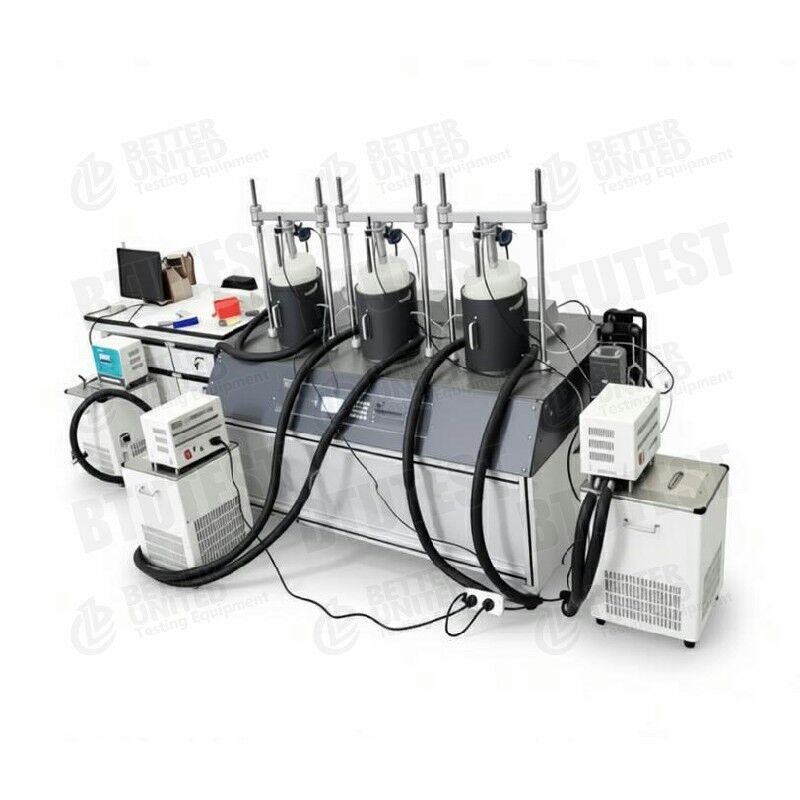
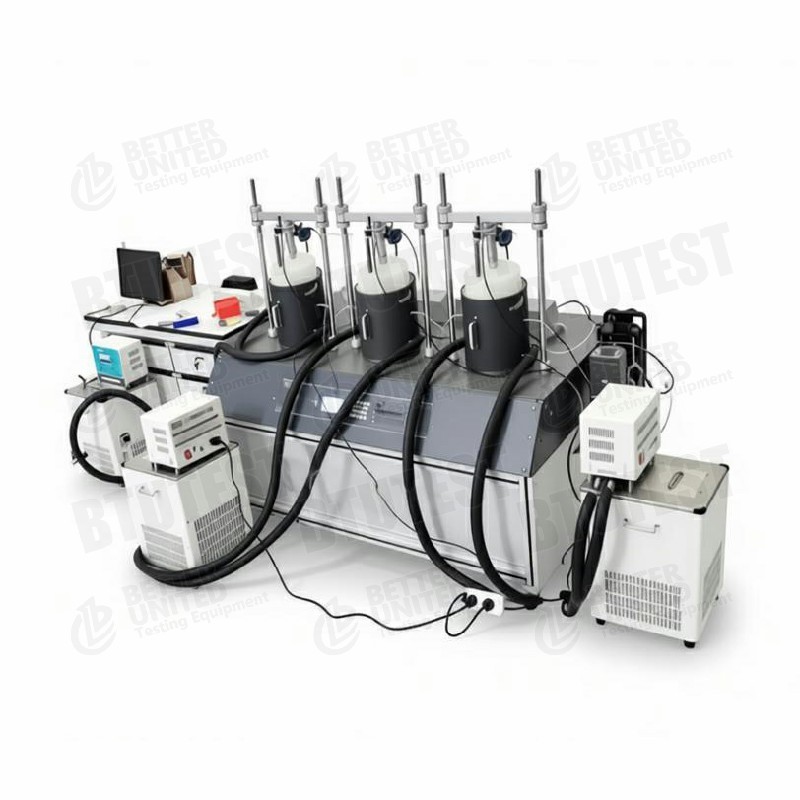
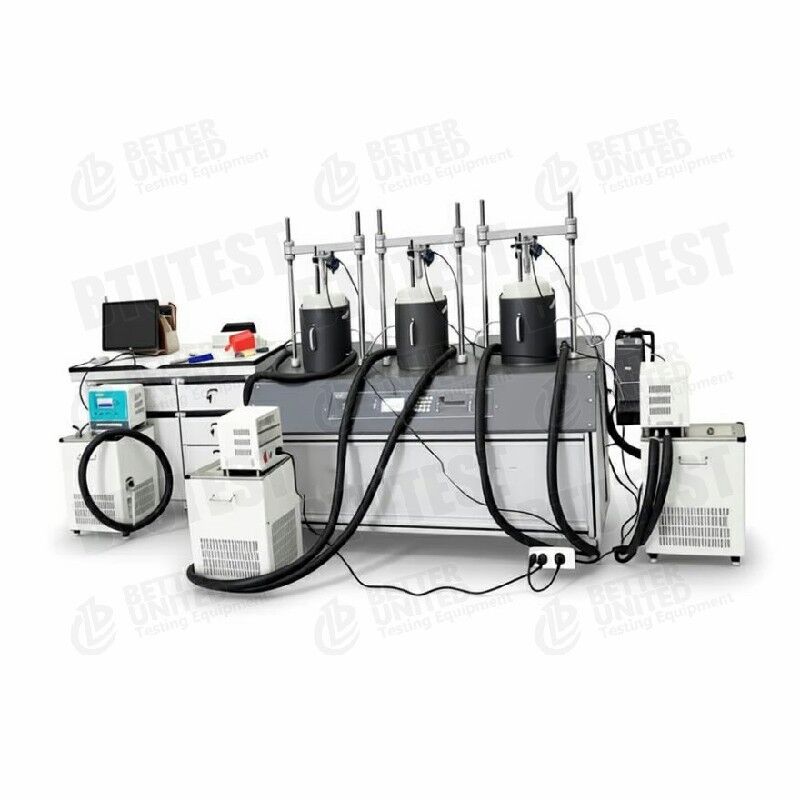
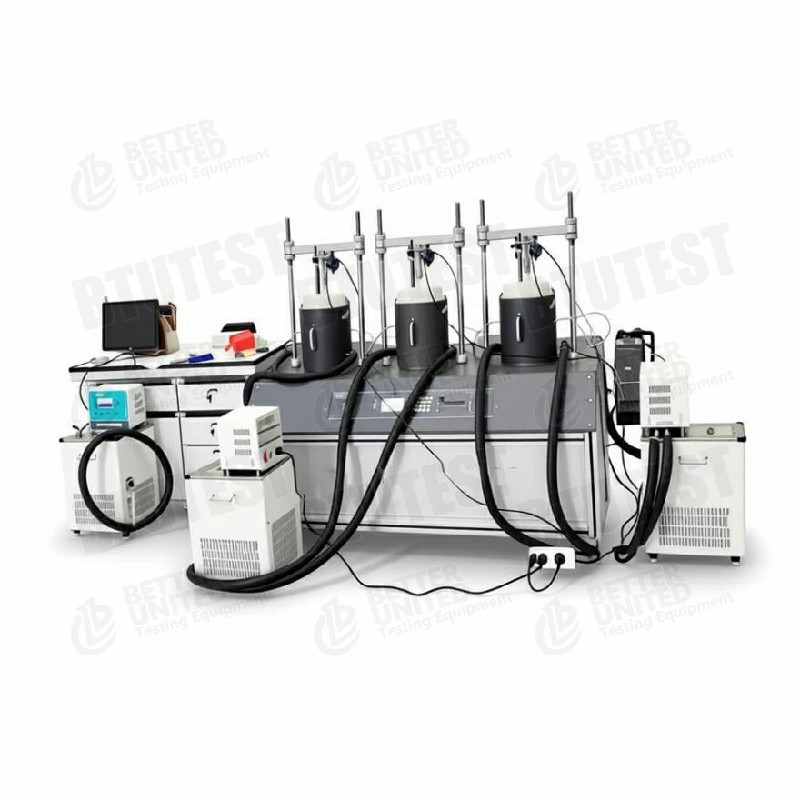
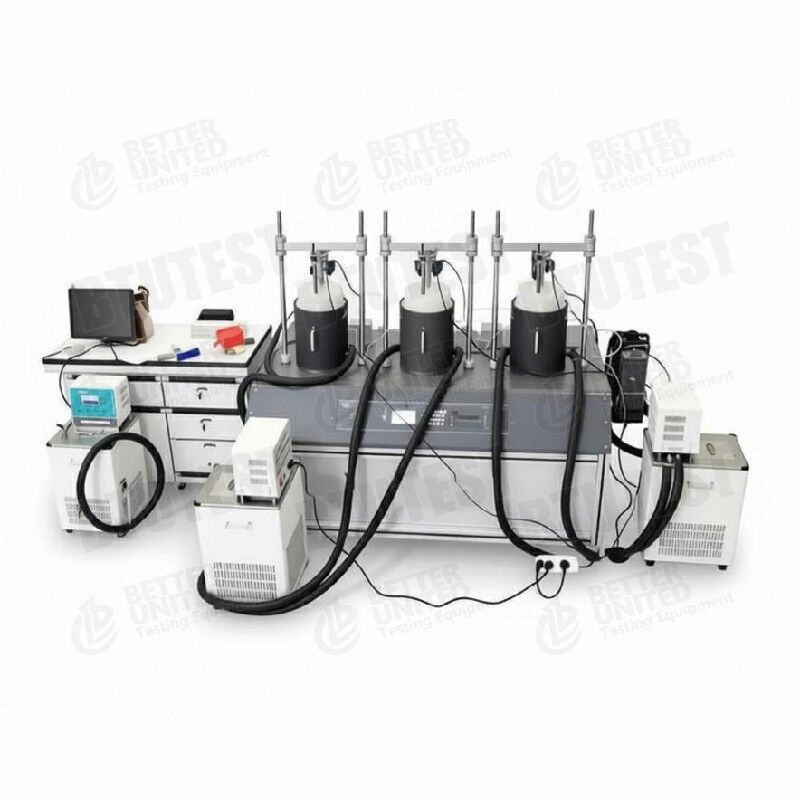
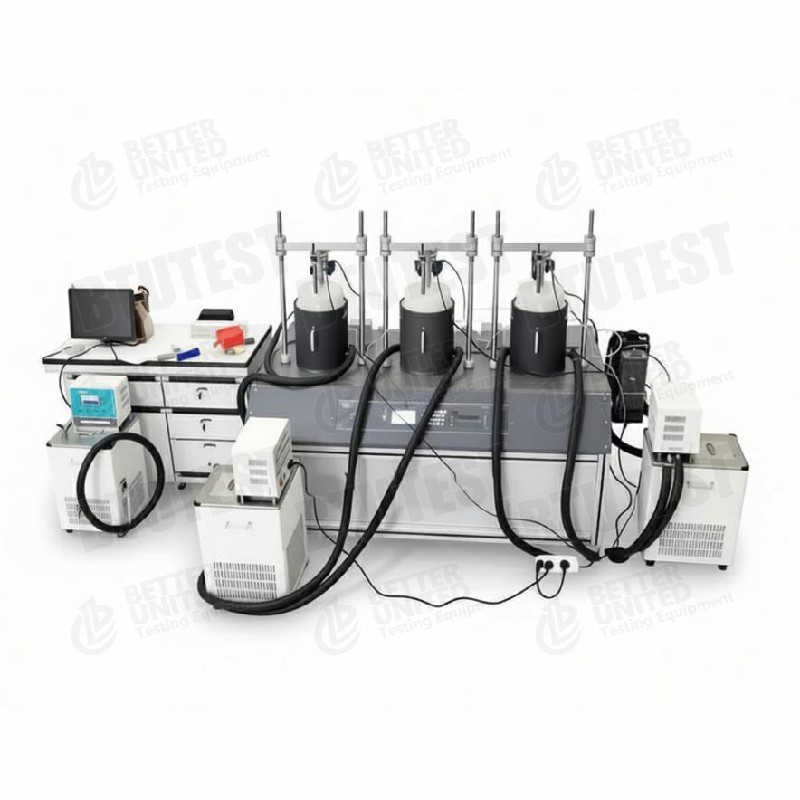
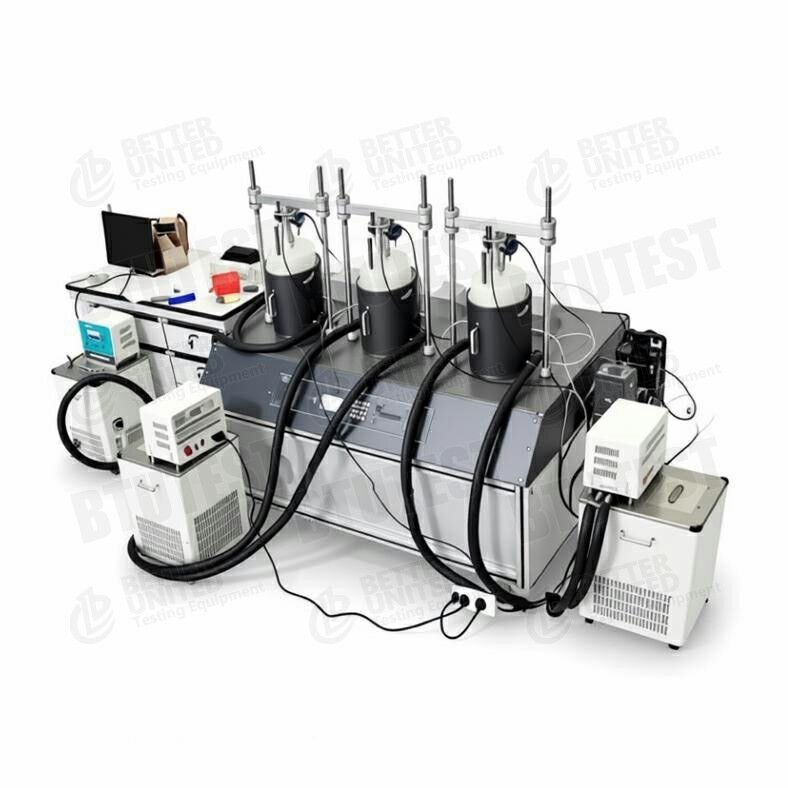
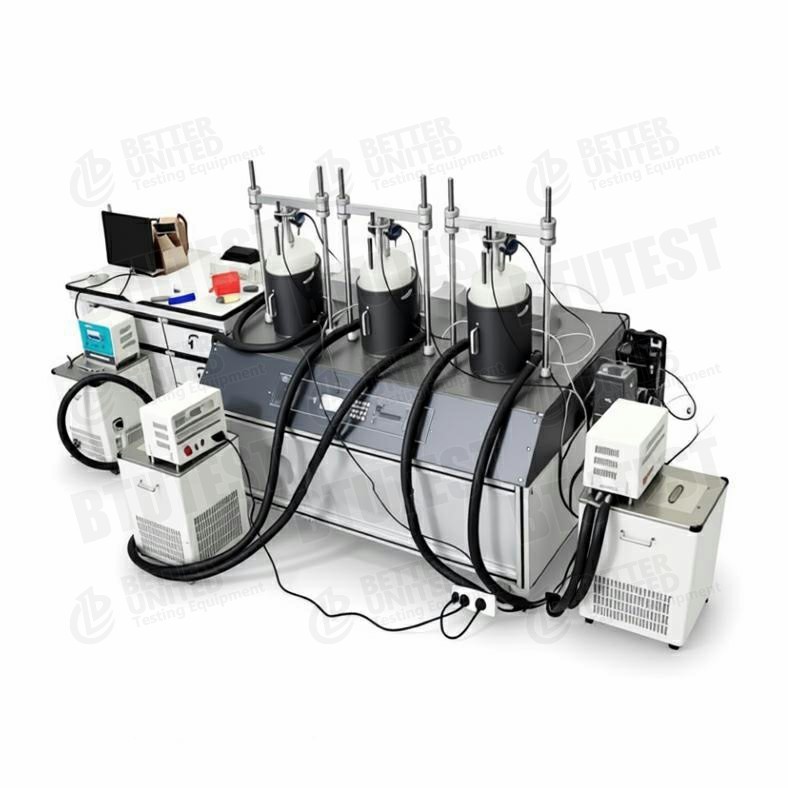
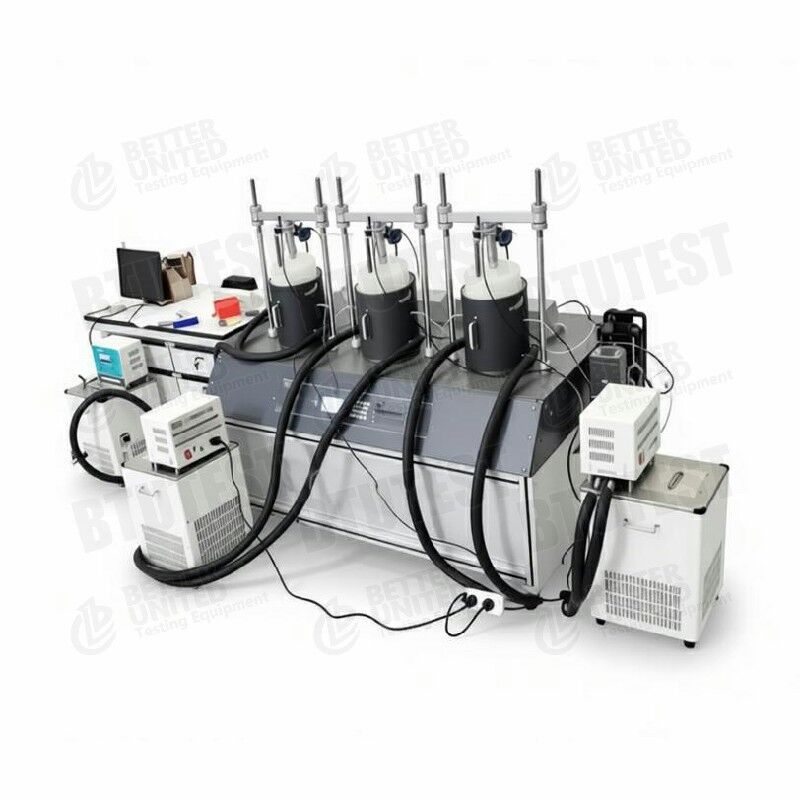
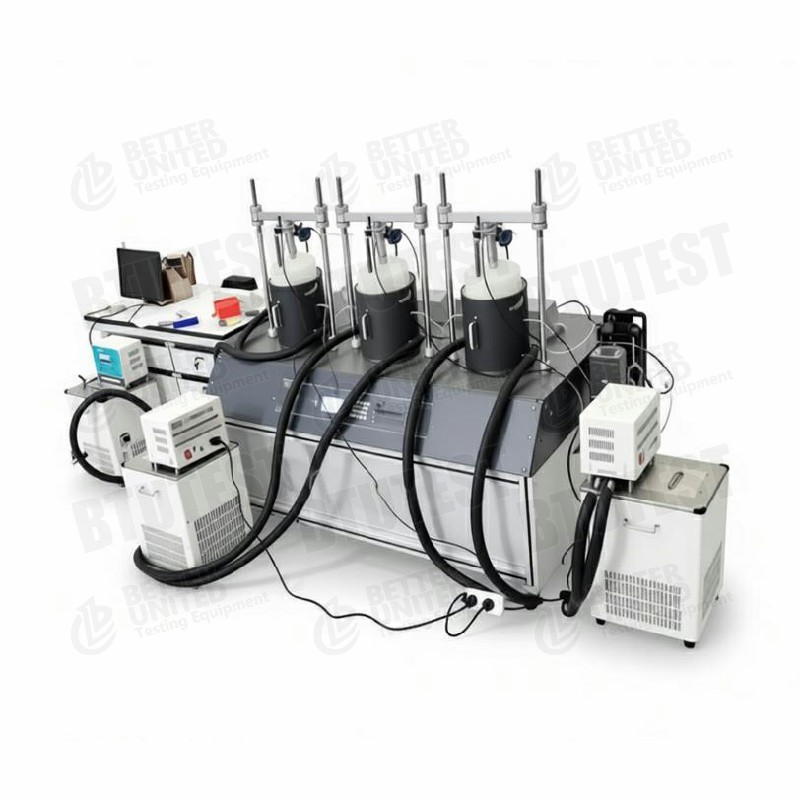
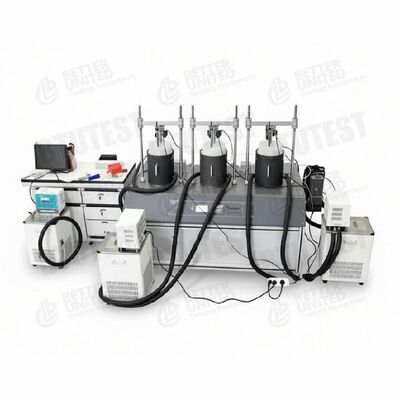
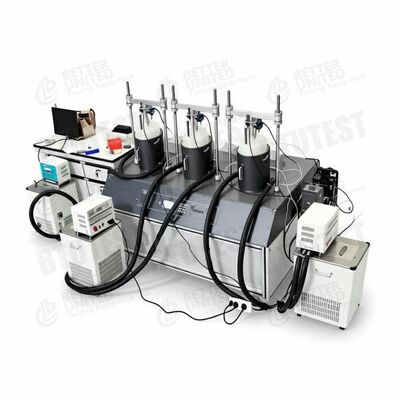
Automatic Triple-Unit Temperature-Controlled Creep Triaxial Apparatus

Product Details:
Place of Origin: Made in China
Brand Name: BTUTEST
Certification: SGS, INTERTEK
Model Number: BTU-TCA-3T
Payment & Shipping Terms:
Minimum Order Quantity: 1 set
Price: Negotiable
Packaging Details: Soil Testing Equipment Standard export wooden box
Delivery Time: 6 days after payment
Payment Terms: L/C, D/A, D/P, T/T, Western Union
Supply Ability: 100 sets per month
  • Detail Information
  • Product Description

Detail Information

Name: Automatic Triple-Unit Temperature-Controlled Creep Triaxial Apparatus Warranty: 1 Year
Max. Specimen Size: Ø39.1mm×80mm, Ø61.8mm×125mm Max. Axial Force: 30 KN
Shearing Speed (mm/min): 0.00001 ~ 9.99999 Mm/min, Stepless Adjustment Cell Pressure: 0~2 MPa, Resolution 1kPa, Accuracy ±0.1% F.S

Product Description

                                             Automatic Triple-Unit Temperature-Controlled Creep Triaxial Apparatus


1. Description

This equipment is a Fully Automatic Triple-Unit Temperature-Controlled Creep Triaxial Apparatus (BTU-TCA-3T). It is an advanced geotechnical testing system integratingtemperature control, triaxial shearing, and creep testing. It adopts adual-chamber temperature-controlled pressure celland provides precise temperature control from -30℃ to +100℃, with bothstrain-controlled and stress-controlledoperation modes. The system includes three independent testing units (triple-unit) that allow simultaneous testing of multiple specimens for creep or triaxial tests. The software covers conventional triaxial, k0 consolidation, stress path, andtriaxial creepmodules, making it suitable for long-term deformation and temperature‑coupled studies.


---


2. Test Standards

  • ASTM D7181(Consolidated Drained Triaxial Compression Test)
  • ASTM D4767(Consolidated Undrained Triaxial Compression Test)
  • ASTM D2850(Unconsolidated Undrained Triaxial Compression Test)
  • ASTM D7078(Creep test methods)
  • BS 1377(British Standards for soil testing)
  • SL 237-1999(Chinese specification for soil testing)

Temperature control and creep aspects may follow relevant research specifications or custom procedures.


---


3. Specification (Parameter )


Parameter Specification
Model BTU-TCA-3T
Specimen sizes Ø39.1mm×80mm, Ø61.8mm×125mm
Temperature control range -30℃ ~ +100℃, accuracy ±0.1℃ (sensor embedded at specimen base)
Max. axial force 30 kN
Load cell 30 kN, accuracy ±0.1% F.S
Shearing speed 0.00001 ~ 9.99999 mm/min, stepless adjustment
Max. stroke 100 mm
Cell pressure 0~2 MPa, resolution 1kPa, accuracy ±0.1% F.S
Back pressure 0~2 MPa, resolution 1kPa, accuracy ±0.1% F.S
Drainage/volume change measurement ≥200 ml, resolution 0.001 ml
Pore water pressure 0~2 MPa, resolution 1kPa, accuracy ±0.1% F.S
Triple-unit configuration Three independent testing units, can operate simultaneously
Software Rheological triaxial testing software with multiple modules


Software modules: Data acquisition, back pressure saturation, UU, CU, CD, k0 consolidation, stress path, triaxial creep


---


4. Detail (technical details)

  • Dual-chamber temperature-controlled pressure cell: Dual-chamber design with circulating temperature-control liquid, reducing interference with cell pressure and volume change measurements.
  • Temperature sensor embedded at specimen base: Measures the actual internal temperature of the specimen rather than ambient temperature, with accuracy ±0.1℃.
  • Wide temperature control range: -30℃ ~ +100℃, covering frozen soil, high-temperature geotechnics, energy piles, etc.
  • High-precision loading system: Shearing speed as low as 0.00001 mm/min, suitable for long-term creep tests; maximum axial force 30 kN.
  • Dual control modes: Supports bothstrain-controlled(constant rate shearing) andstress-controlled(constant load application) modes – the latter being essential for creep tests.
  • High-resolution drainage/volume change measurement: Resolution 0.001 ml, capacity ≥200 ml, suitable for detecting small volume changes during long-term creep.
  • Triple-unit structure: Three independent pressure cells and loading axes, allowing simultaneous testing of three different specimens (same or different conditions), significantly improving testing efficiency.


---


5. Application

  • Long-term settlement studies of soft soils: Simulating creep behaviour of soft soils under constant loading
  • Frozen soil and cold-region engineering: Creep and strength characteristics at sub-zero temperatures (-30℃)
  • Energy piles and ground source heat pumps: Effect of temperature cycles on soil creep around piles
  • Nuclear waste repositories: Long-term deformation of buffer materials under temperature‑stress coupling
  • High-filled embankments and dams: Deformation prediction under long-term loading
  • Constitutive model parameter calibration: Determining parameters for creep and rheological models
  • Teaching and research: Complex stress‑temperature‑time coupled testing


---


6. Advantages

  • Wide temperature control range(-30℃ ~ +100℃): covers frozen soil, high temperature, and ambient temperature conditions
  • True specimen temperature measurement: Sensor embedded at specimen base for more accurate temperature control
  • Dual control modes(strain + stress): meets both creep and conventional triaxial requirements
  • Ultra-low shearing speed capability: 0.00001 mm/min, suitable for long-term rheology
  • High-resolution drainage/volume change: 0.001 ml, suitable for detecting small volume changes
  • Triple independent testing units: Three systems independently controlled, high efficiency, suitable for comparative tests
  • Modular software: Includes advanced modules such as k0, stress path, and creep
  • Software: Convenient


---


8. What To Choose (selection guide)


Requirement Recommended configuration Reason
Only routine triaxial tests (no temperature, no creep) Choose TTS series or WXY series Lower cost, sufficient functionality
Need long-term creep tests (ambient temperature) TCA-3T + creep module Stress control + high-resolution volume change
Need sub-zero creep tests (frozen soil) TCA-3T (-30℃) Only model covering -30℃
Need high-temperature creep (e.g., >50℃) TCA-3T (up to ~100℃) Covers high-temperature scenarios
Need to test multiple specimens simultaneously (comparative tests) TCA-3T triple-unit configuration Three independent units, high efficiency
Need k0 + stress path + creep combined TCA-3T standard software Software includes all modules
Need higher axial force (>30kN) Choose TTS-100S or TTS-200S This model max 30kN
Need larger specimens (>Ø61.8mm) Choose TTS-6S or above This model max Ø61.8mm


---


9. Process Flow


  • Specimen preparation→ Prepare saturated/unsaturated soil specimens of Ø39.1mm×80mm or Ø61.8mm×125mm
  • Mount pressure cell→ Install specimen in the dual-chamber temperature-controlled pressure cell; connect cell pressure, back pressure, and pore pressure lines; embed temperature sensor at base
  • Set temperature→ Set target temperature (e.g., -20℃, +5℃, +60℃); wait for temperature to stabilize (accuracy ±0.1℃)
  • Saturation and consolidation→ Back pressure saturation → B-check → Isotropic consolidation or k0 consolidation (optional)
  • Creep stage (stress-controlled)→ Apply constant axial stress (or constant cell pressure/deviatoric stress); record axial deformation and volume change over time
  • Shearing stage (strain-controlled, optional)→ After creep, shear at constant rate to failure; determine residual strength
  • Data acquisition→ Long-term monitoring (hours to months): axial force/stress, displacement/strain, volume change, drainage, pore pressure, temperature
  • Parallel multi‑specimen testing→ The triple-unit system can perform creep tests on three different specimens under different temperature/stress conditions simultaneously
  • Post-processing→ Plot creep curves (strain vs. time), isochronous stress-strain curves, creep rate curves, etc.; determine creep parameters (e.g., secondary creep rate, creep failure threshold)
  • Report output→ Automatically generate test tables and curves; support export and printing


Get in touch with us

Enter Your Message

You Might Be Into These