
logo
Send Message
Hebei Better United Import And Export Co., Ltd.

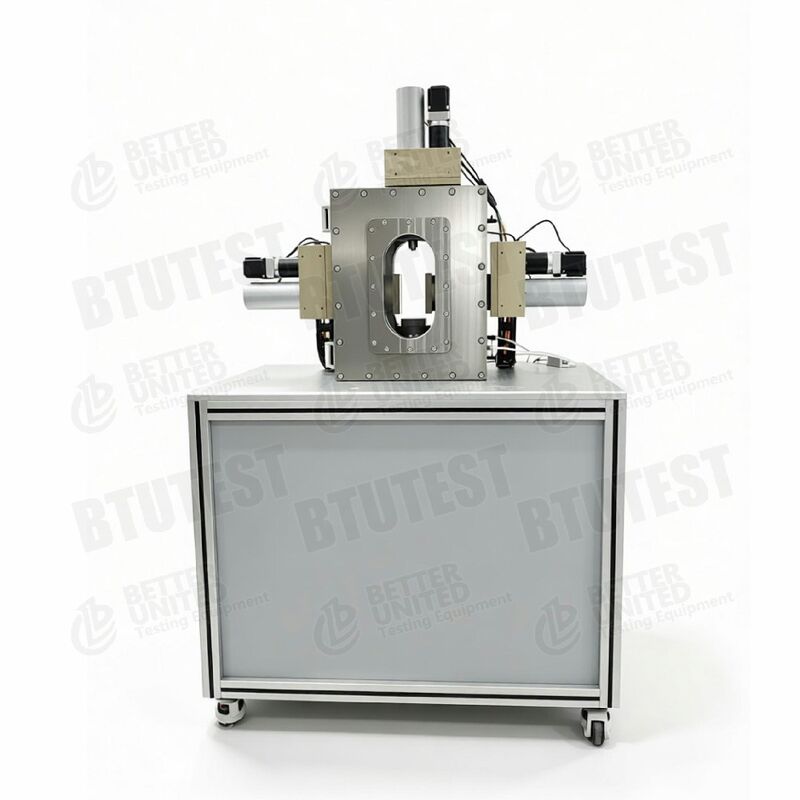
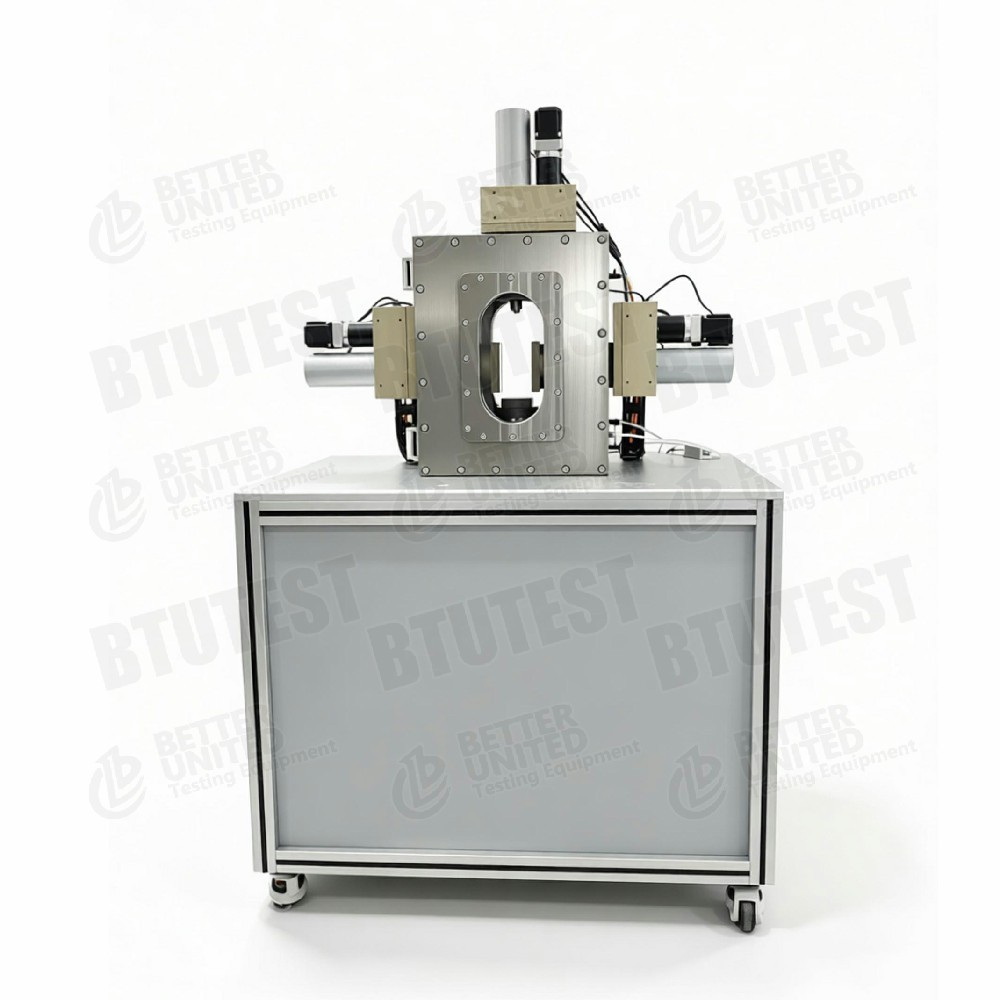
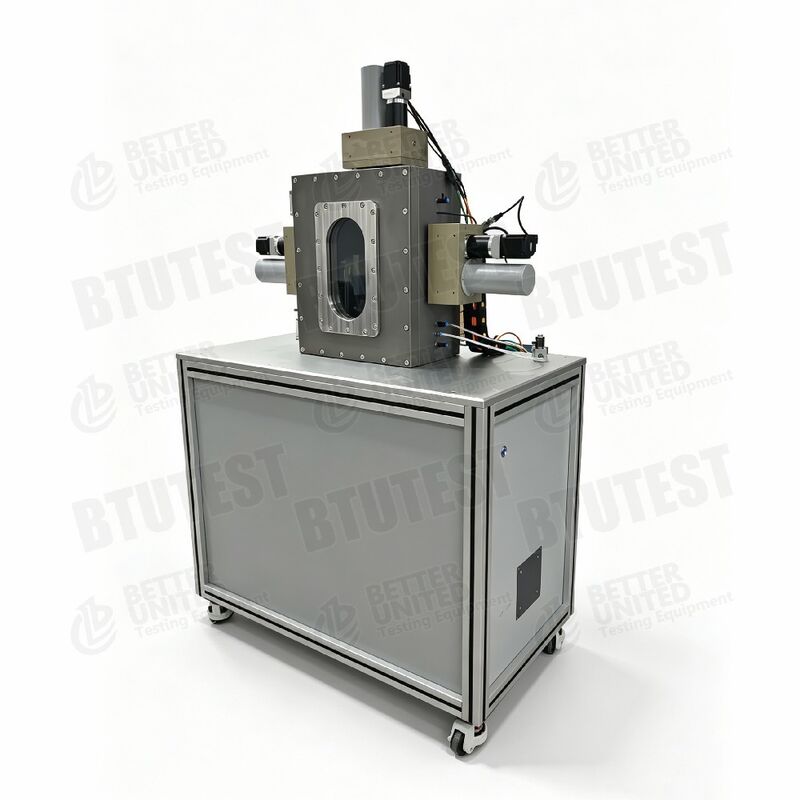
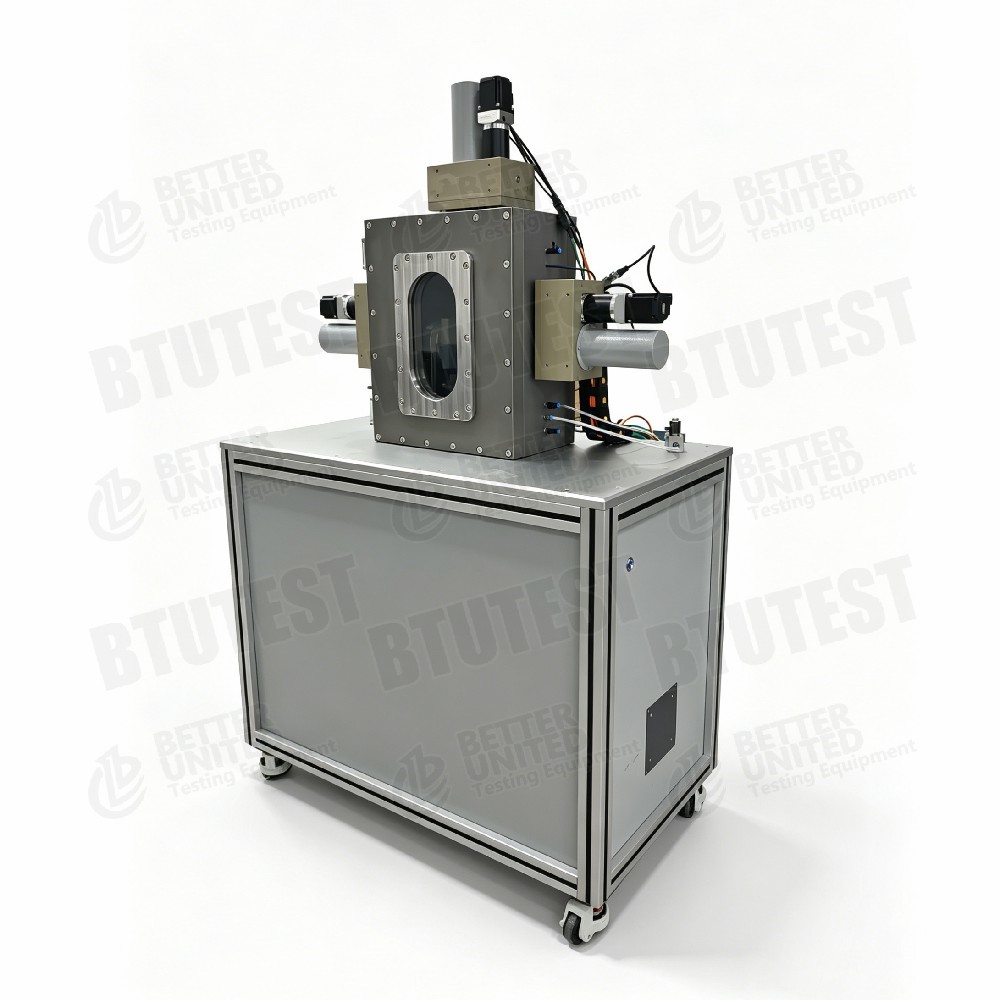
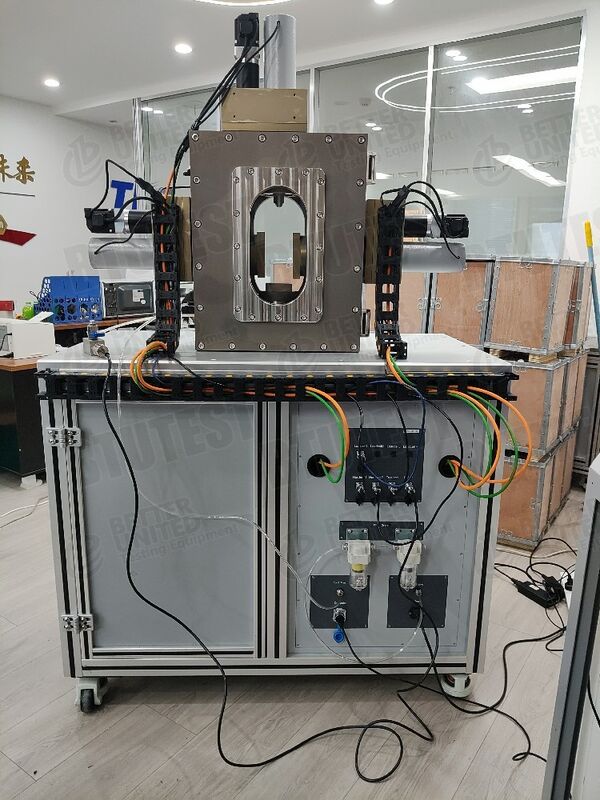
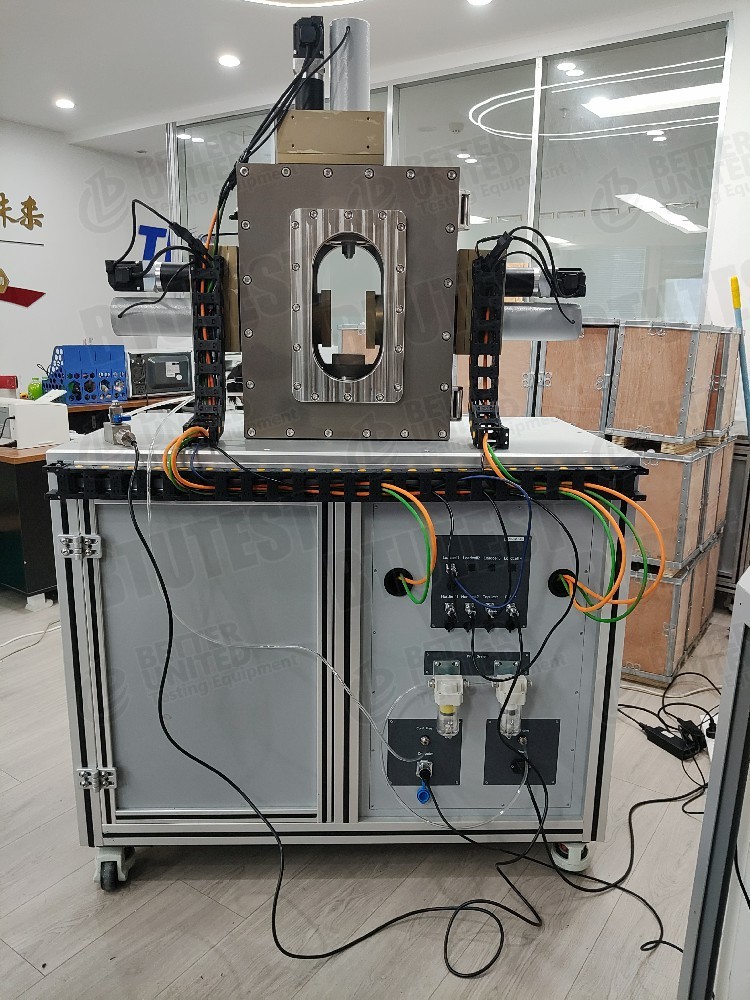
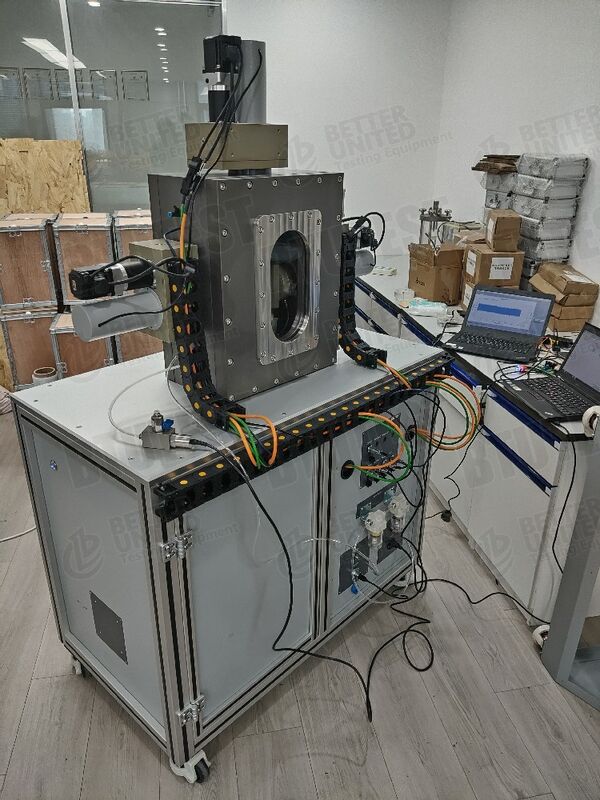
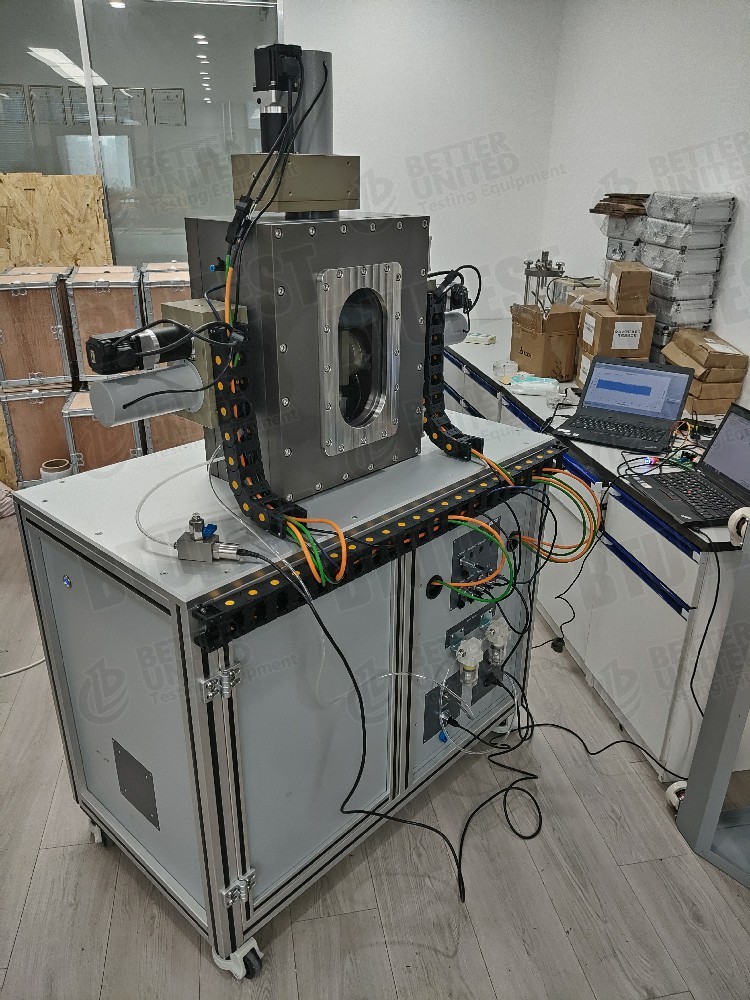
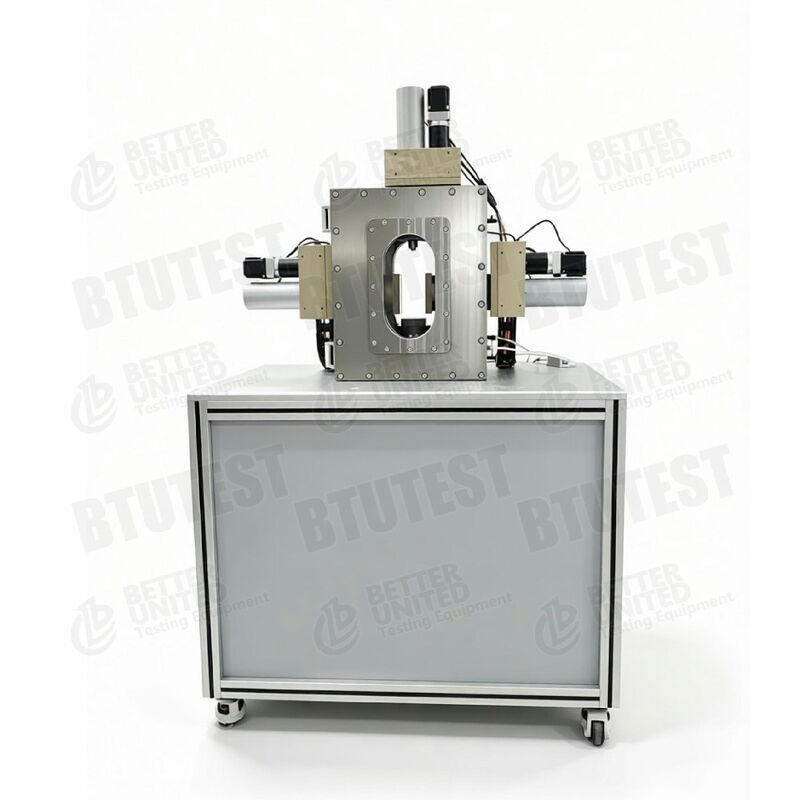
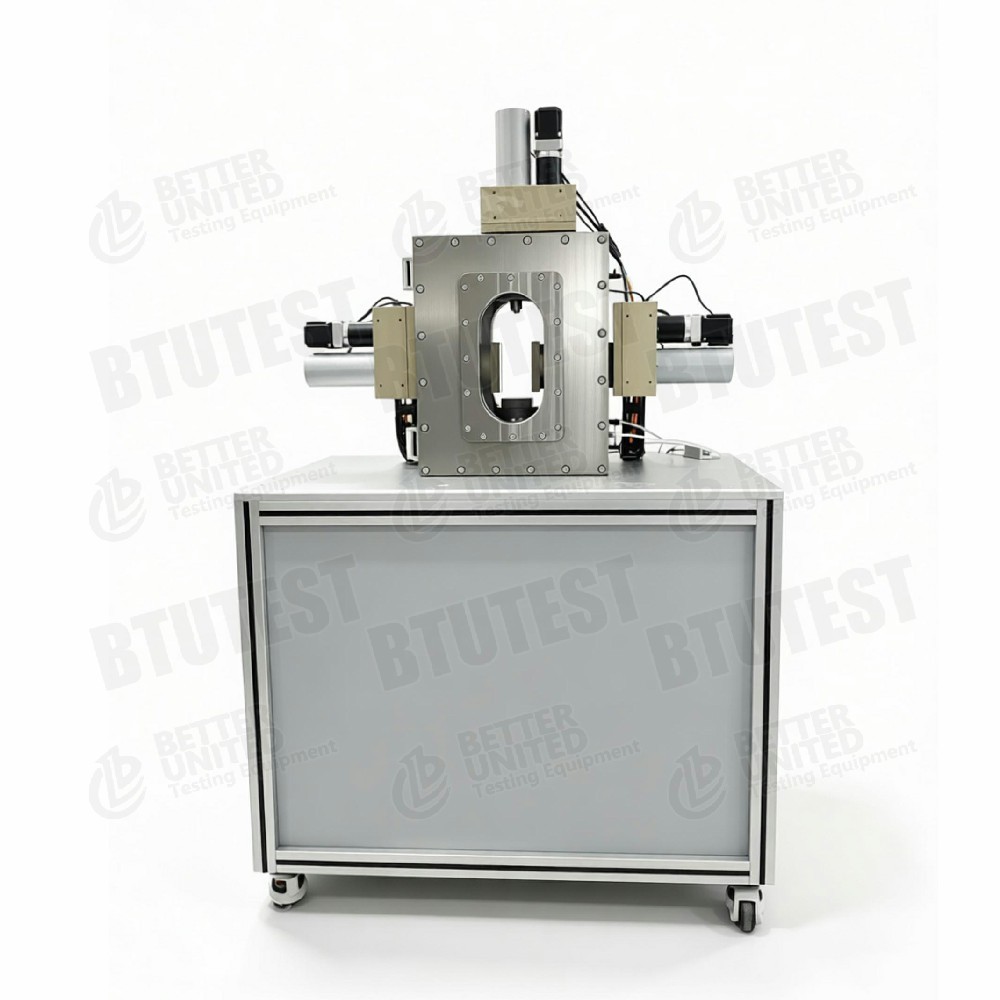
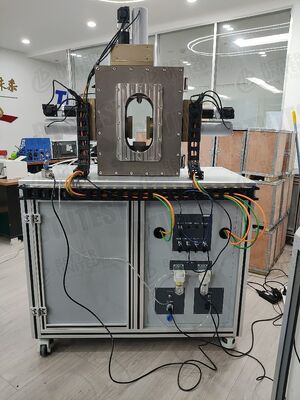
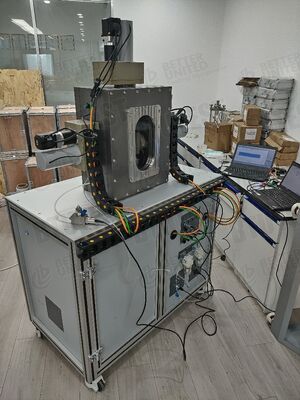
Automatic True Triaxial Apparatus

Product Details:
Place of Origin: Made in China
Brand Name: BTUTEST
Certification: SGS, INTERTEK
Model Number: BTU-TTA-1
Payment & Shipping Terms:
Minimum Order Quantity: 1 set
Price: Negotiable
Packaging Details: Soil Testing Equipment Standard export wooden box
Delivery Time: 6 days after payment
Payment Terms: L/C, D/A, D/P, T/T, Western Union
Supply Ability: 100 sets per month
  • Detail Information
  • Product Description

Detail Information

Name: Automatic True Triaxial Apparatus Max Specimen Size (mm): 70×35×70 (circular Optional)
Major Principal Stress: 0-10kN Intermediate Principal Stress: 0-5kN
Minor Principal Stress: 0-0.9MPa Back Pressure: 0-1MPa (accuracy 1kPa)

Product Description

1. Description

The Fully Automatic True Triaxial Apparatus (multi-field coupling), model BTU-TTA series, is an advanced geotechnical testing system capable of applying independent stress control (open-loop and closed-loop) on three mutually perpendicular axes of a cubic specimen. It supports various triaxial tests on both saturated and unsaturated soils. Optional modules include permeability testing (constant head), bender element tests (P-wave and S-wave), and a temperature control module -30 °C ~ 90 °C, enabling the study of soil mechanical behavior under multi‑field (stress‑water‑thermal) coupling conditions.

2. Test Standards

The BTU-TTA Series Fully Automatic True Triaxial Apparatus (Multi-field Coupling) is designed and manufactured to meet or exceed the latest requirements of the following international standards:

  • ASTM D7181(Consolidated undrained triaxial compression test)
  • ASTM D4767(Consolidated drained triaxial compression test)
  • ASTM D5084(Permeability of soils, constant/falling head)
  • ASTM D5298(Suction test for unsaturated soils)
  • ASTM D8295(Shear wave velocity measurement using bender elements)
  • ISO 17892‑8(Undrained triaxial test)
  • ISO 17892‑9(Cyclic triaxial test, if applicable)

3. Specification

Model

Max Specimen Size

(mm)

Major Principal Stress Intermediate Principal Stress Minor Principal Stress Back Pressure Pore Pressure Pore Air Pressure Volume Change Load Sensor Type
BTU-TTA-1 70×35×70 (circular optional) 0-10kN 0-5kN 0-0.9MPa 0-1MPa (accuracy 1kPa) 0-1MPa (accuracy 1kPa) None 0-250mL (±0.01mL) External
BTU-TTA-2 70×35×70 (circular optional) 0-10kN 0-5kN 0-0.9MPa 0-1MPa (accuracy 1kPa) 0-1MPa (accuracy 1kPa) None 0-250mL (±0.01mL) Built-in Underwater
BTU-TTA-3 70×70×140 (circular optional) 0-15kN 0-15kN 0-0.9MPa 0-1MPa (accuracy 1kPa) 0-1MPa (accuracy 1kPa) None 0-250mL (±0.01mL) External
BTU-TTA-4 70×70×140 (circular optional) 0-15kN 0-15kN 0-0.9MPa 0-1MPa (accuracy 1kPa) 0-1MPa (accuracy 1kPa) None 0-250mL (±0.01mL) Built-in Underwater
BTU-TTA-5 70×70×140 (unsaturated soil) 0-20kN 0-15kN 0-0.9MPa 0-1MPa (accuracy 1kPa) 0-1MPa (accuracy 1kPa) 0-0.9MPa 0-250mL (±0.01mL) Built-in Underwater
BTU-TTA-7 70×70×140 (dynamic loading) 0-15kN (5kN/5Hz dynamic) 0-15kN 0-0.9MPa 0-1MPa (accuracy 1kPa) 0-1MPa (accuracy 1kPa) 0-0.9MPa 0-250mL (±0.01mL) Built-in Underwater
 

4. Detail

The main functions listed in the document are as follows:

  • Independent three-axis stress control: Open-loop and closed-loop stress control on each of the three axes of a cubic specimen (true triaxial stress state, σ₁ ≠ σ₂ ≠ σ₃).
  • Saturated/unsaturated triaxial tests: Various conventional triaxial tests (e.g., CU, CD, UU) on unsaturated or saturated soils.
  • Two-direction constant-head permeability (optional): Constant-head permeability tests can be performed on two axes of the cubic specimen.
  • Unsaturated equal-suction permeability (optional): Constant-head permeability test under equal suction conditions on unsaturated specimens.
  • Bender element testing (optional): P-wave and S-wave measurements.
  • Temperature control module (optional): Temperature range -30 °C ~ 90 °C for multi-field (stress‑water‑thermal) coupling.

5. Application

  • Constitutive modeling of soils under complex stress paths (true triaxial stress state simulation)
  • Unsaturated soil mechanics (suction‑controlled strength, deformation, permeability)
  • Multi‑field coupling problems: frozen soil (sub‑zero temperature), high‑temperature environments, nuclear waste disposal, energy pile foundations, etc.
  • Anisotropic mechanical behavior (independent loading in three directions)
  • Dynamic modulus, damping ratio, shear wave velocity measurements (bender elements)
  • Permeability anisotropy studies (hydraulic conductivity in different directions)

6. Advantages

  • Truly independent triaxial loading: Independent control of σ₁, σ₂, σ₃ allows simulation of realistic in‑situ stress states (e.g., where K₀ ≠ K₁).
  • Multi‑field coupling capability: Optional temperature control, permeability, suction control – suitable for geotechnical tests under complex environments.
  • Fully automatic control: Open‑loop/closed‑loop automatic control improves test accuracy and repeatability.
  • Highly integrated: One system can perform saturated/unsaturated triaxial, permeability, bender element, temperature control, and other tests.
  • Flexible options: Users can select permeability, bender elements, temperature control, etc., according to needs, reducing initial cost.
  • Applicable to unsaturated soils: Supports equal‑suction permeability and triaxial tests, expanding research scope.

7. Parameter Summary

Parameter Typical Value / Range (inferred)
Specimen shape Cube (common side lengths: 50 mm, 70 mm, 100 mm, etc.)
Axial loading capability Three independent directions (σ₁, σ₂, σ₃)
Control mode Open-loop / closed-loop (stress or strain)
Applicable soil types Saturated soil, unsaturated soil
Permeability test (optional) Constant head, can be performed on one or two axes
Unsaturated permeability (optional) Constant head under equal suction conditions
Bender elements (optional) P-wave and S-wave
Temperature control range (optional) -30 °C ~ 90 °C
Multi-field coupling Stress field + seepage field + temperature field
 

8. What To Choose

BTU-TTA-1/2: Suitable for small specimens (70×35×70mm) and basic tests with limited budgets;

BTU-TTA-3/4: Suitable for standard specimens (70×70×140mm) and scenarios requiring built-in underwater sensors;

BTU-TTA-5: Required for unsaturated soil tests (with pore air pressure control);

BTU-TTA-7: Advanced research requiring dynamic loading (5kN/5Hz) or bender element tests.

  • Basic configuration: Independent three‑axis stress control + saturated/unsaturated triaxial test functions (suitable for most true triaxial research).
  • Permeability anisotropy studies: Select “constant‑head permeability test on two axes”.
  • Unsaturated soil permeability: Select “constant‑head permeability test under equal suction conditions”.
  • Dynamic modulus / shear wave velocity: Select bender elements (P‑wave, S‑wave).
  • Multi‑field coupling (temperature effects): Select temperature control module Automatic True Triaxial Apparatus 0 for frozen soil or high‑temperature tests.
  • Multiple functions simultaneously: Optional modules can be combined, but compatibility should be confirmed with the manufacturer.

Users should choose modules based on research objectives (e.g., unsaturated soil, temperature, permeability anisotropy) and budget.

9. Process Flow

  • Specimen preparation: Prepare a cubic soil specimen (saturated or unsaturated, with suction control if needed).
  • Specimen installation: Place the specimen in the true triaxial pressure cell; connect loading pistons and sensors (pore pressure, confining pressure, displacement, etc.) for all three directions. If bender elements are used, install the bender element transducers.
  • Saturation / suction equilibrium(if required): Back‑pressure saturation for saturated soils; for unsaturated soils, use axis‑translation technique to control suction to the target value.
  • Consolidation: Apply initial stresses in three directions (isotropic or anisotropic); record drainage / volume change.
  • Loading stage:
    • Independently control σ₁, σ₂, σ₃ according to a preset stress path (open‑loop or closed‑loop).
    • Optionally, use constant strain rate or constant stress rate loading.
    • For permeability tests, measure flow rate under a constant hydraulic gradient.
    • For temperature‑controlled tests, set the target temperature and allow equilibration.
  • Data acquisition: Automatically record stress, strain, pore pressure, suction, permeability flow rate, temperature, bender element waveforms, etc., for all three directions.
  • Termination and unloading: Stop when preset strain, stress, or number of cycles is reached; unload and remove the specimen.
  • Data processing: Software calculates principal stress differences, volumetric strain, deviatoric stress, permeability coefficients, shear wave velocity, etc.; plots stress paths, stress‑strain curves; outputs a test report.


Get in touch with us

Enter Your Message

You Might Be Into These