







|
Product Details:
|
|
| Place of Origin: | Made in China |
|---|---|
| Brand Name: | BTUTEST |
| Certification: | SGS, INTERTEK |
| Model Number: | BTU-RDSS-30 |
|
Payment & Shipping Terms:
|
|
| Minimum Order Quantity: | 1 set |
| Price: | Negotiable |
| Packaging Details: | Soil Testing Equipment Standard export wooden box |
| Delivery Time: | 6 days after payment |
| Payment Terms: | L/C, D/A, D/P, T/T, Western Union |
| Supply Ability: | 100 sets per month |
|
Detail Information |
|||
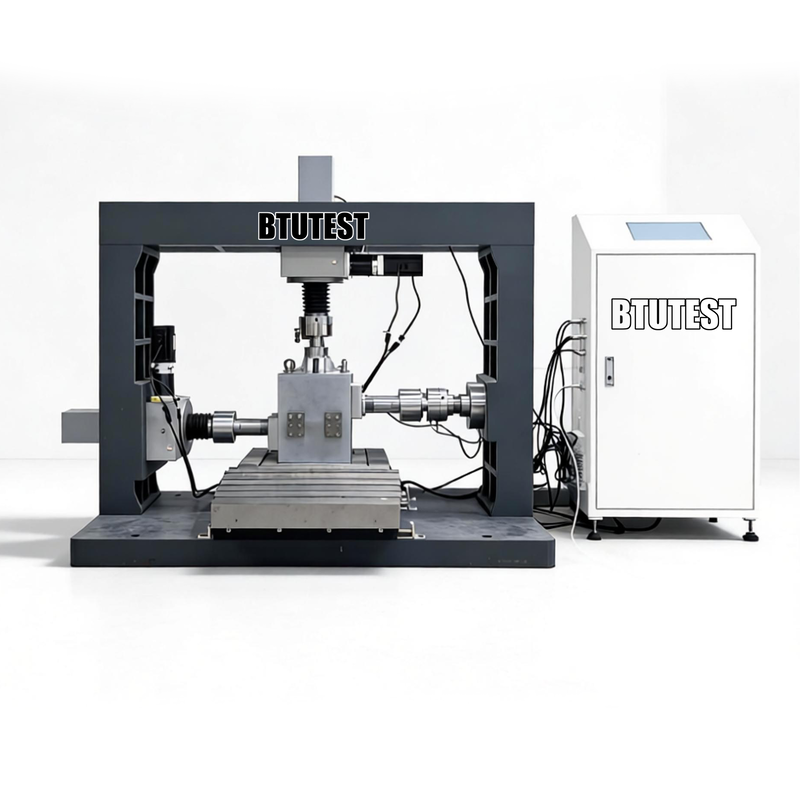
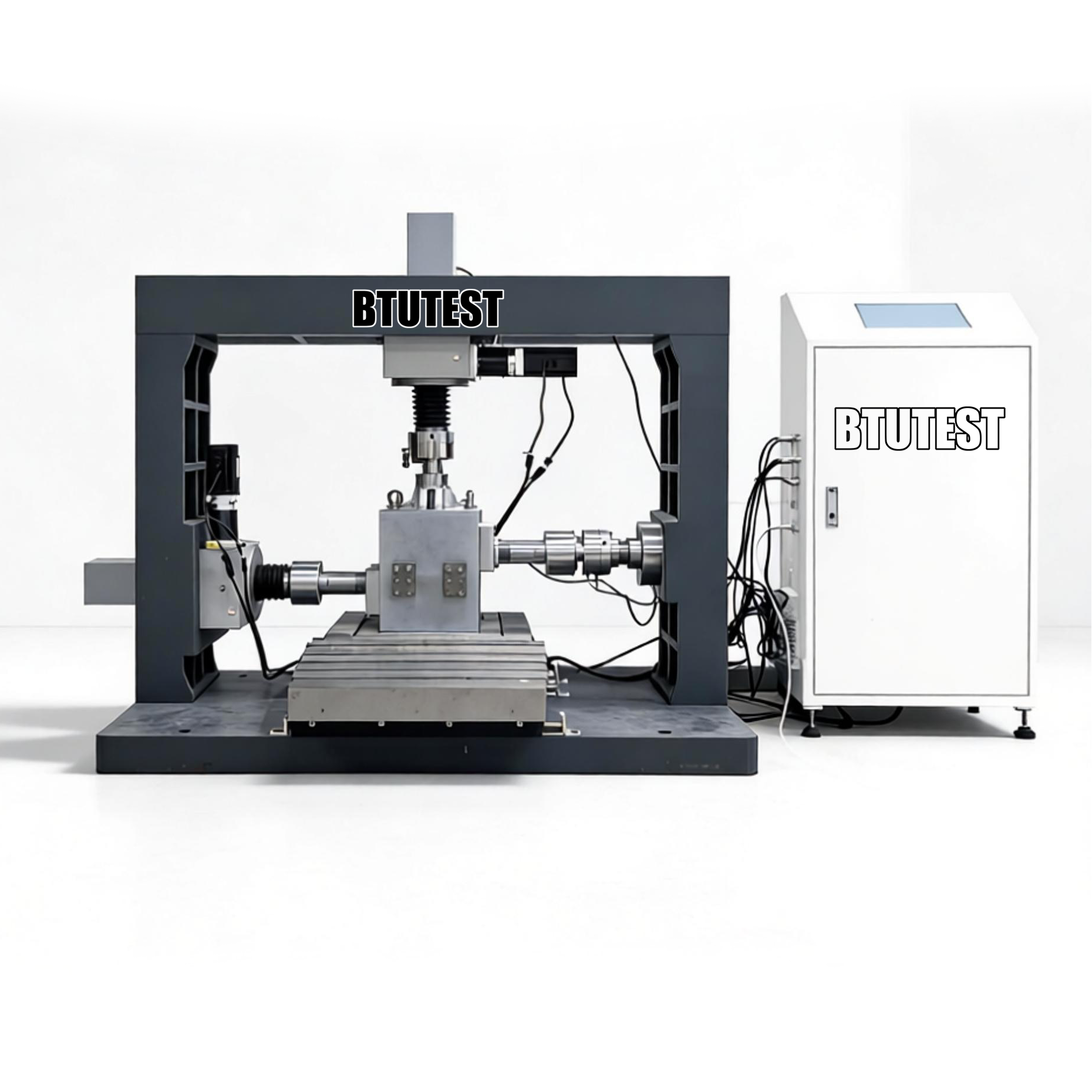
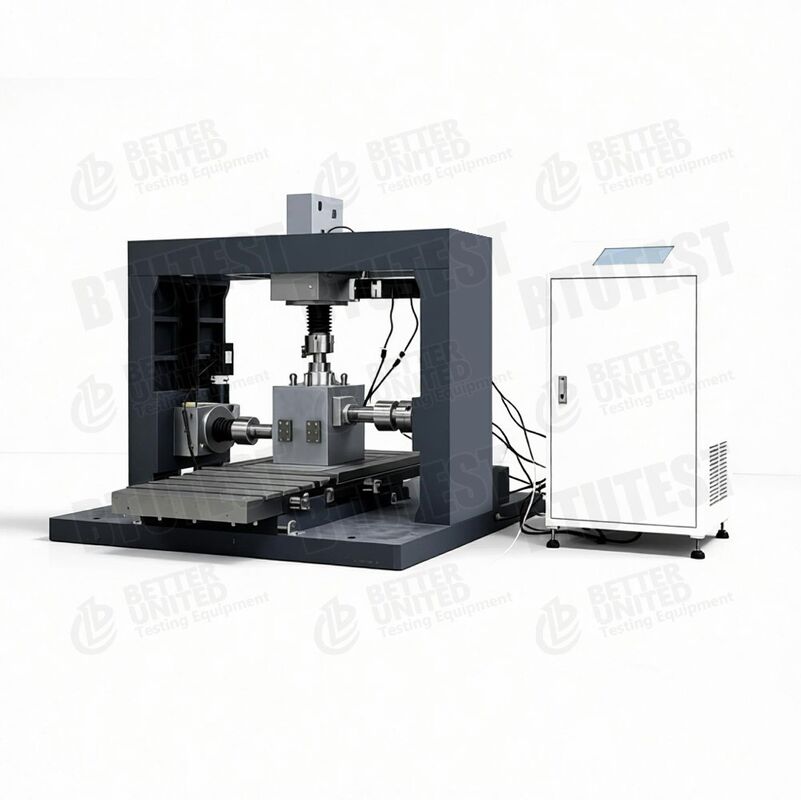
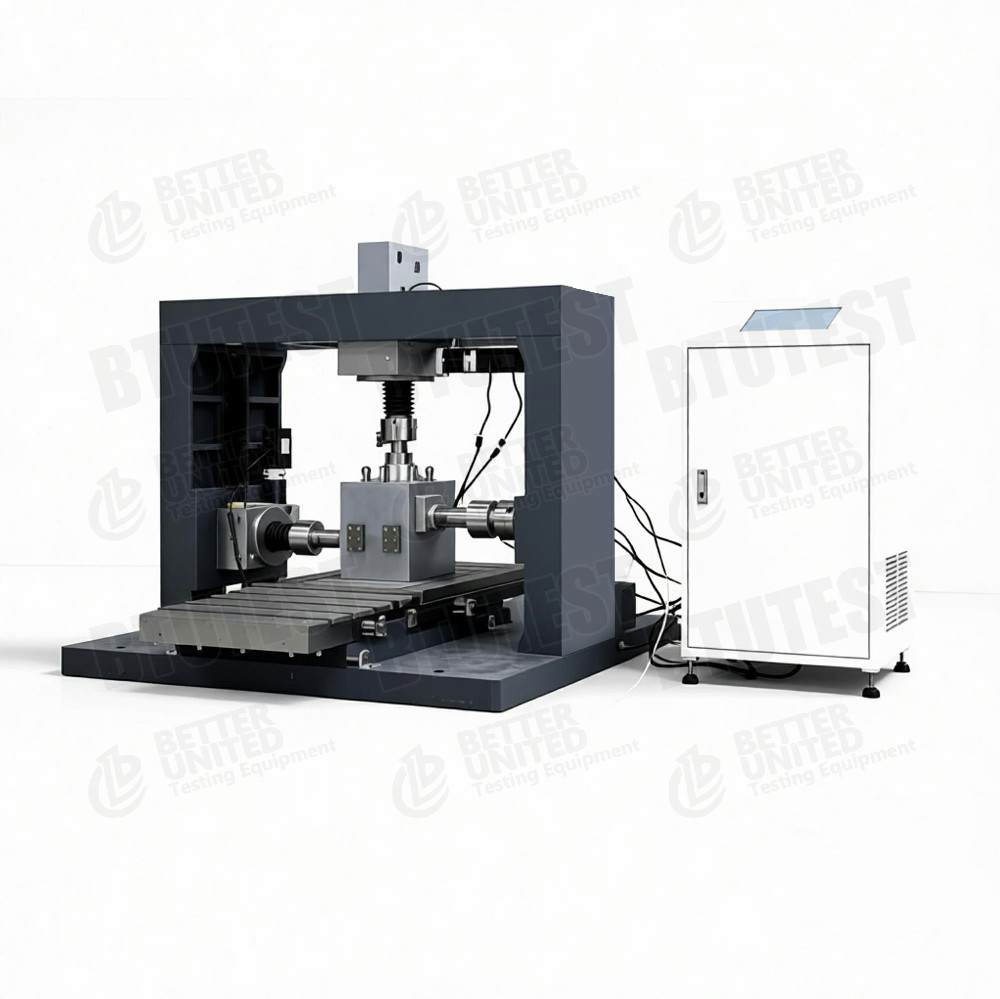
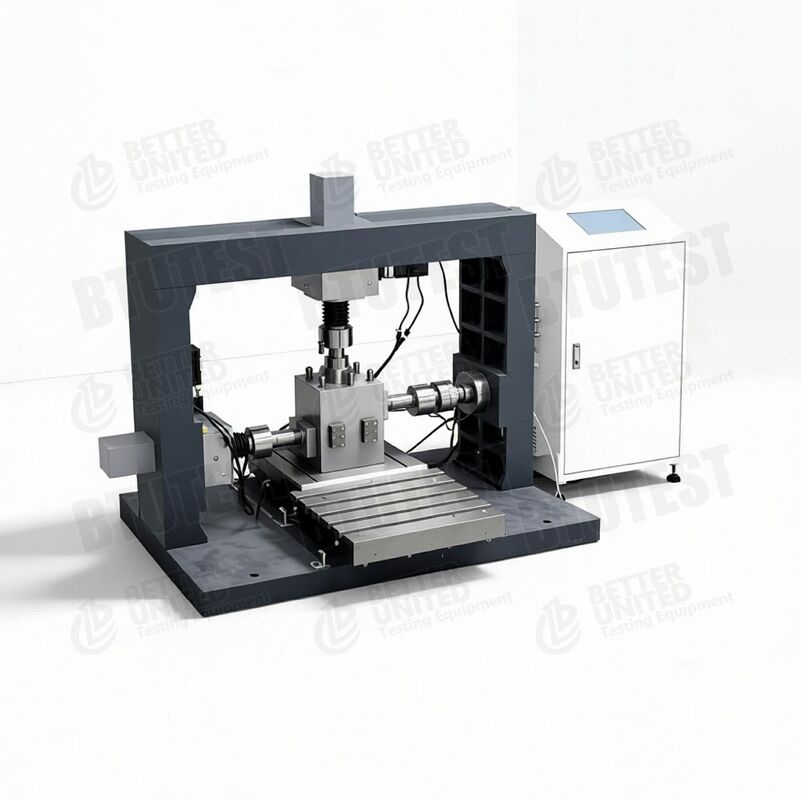
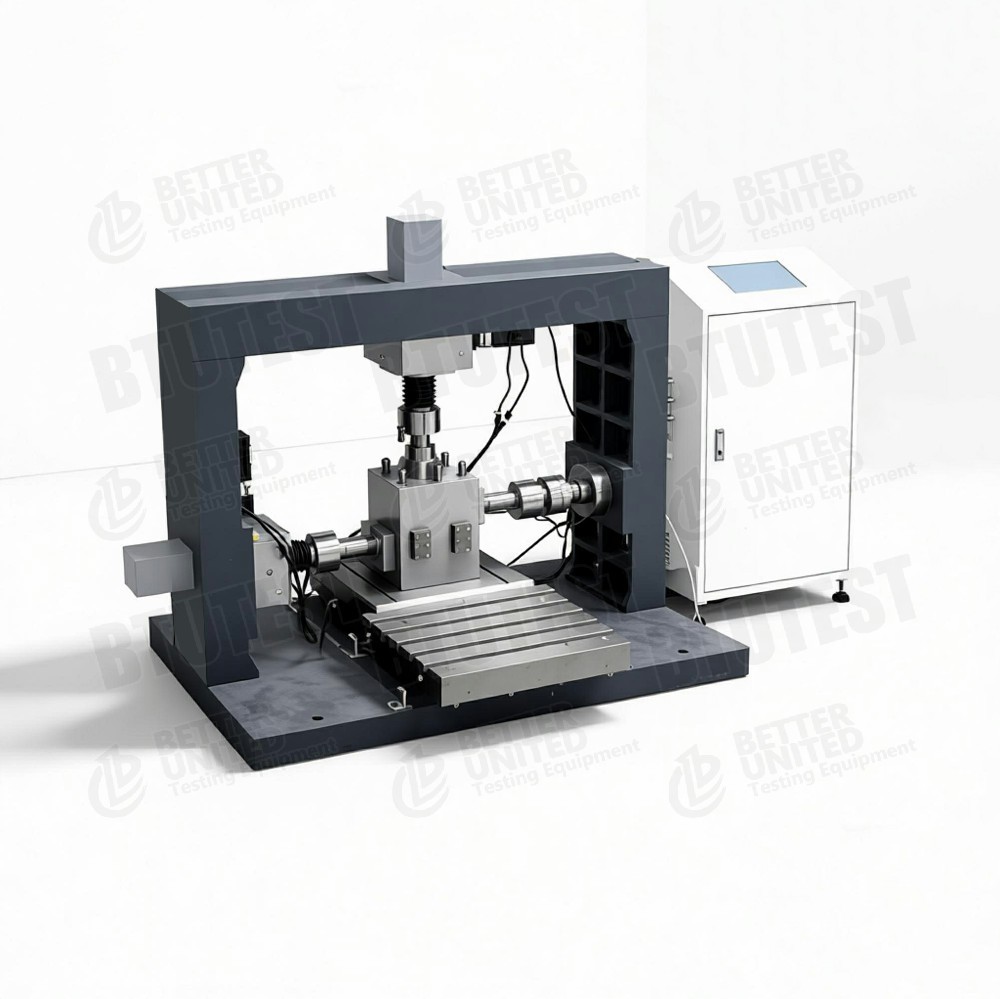
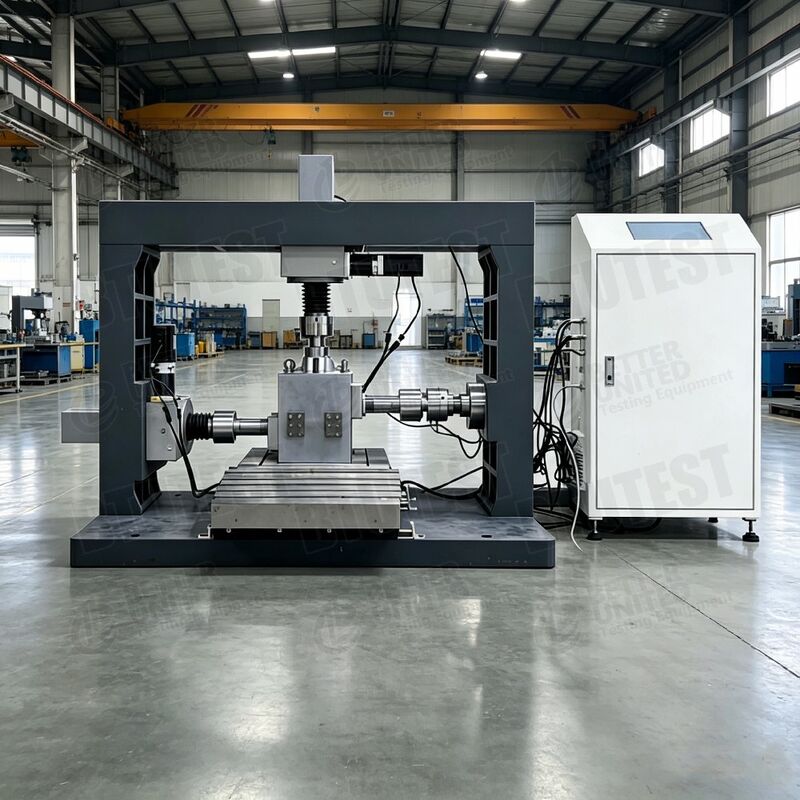
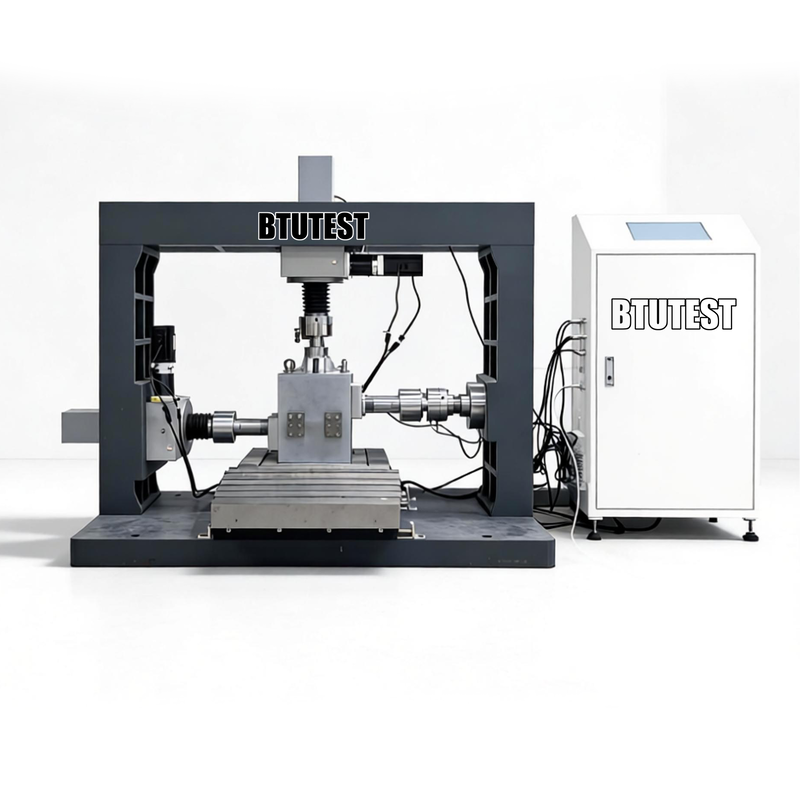
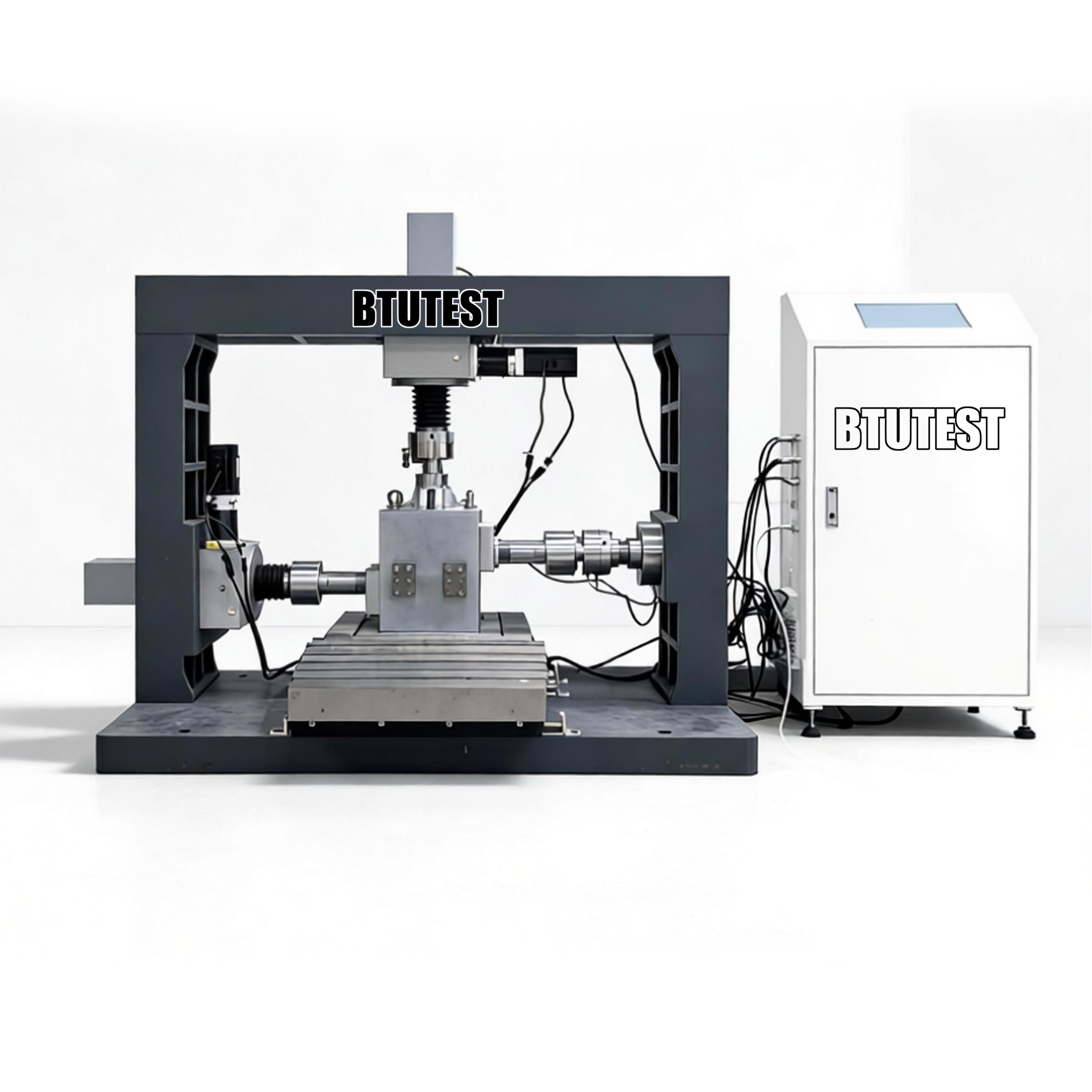
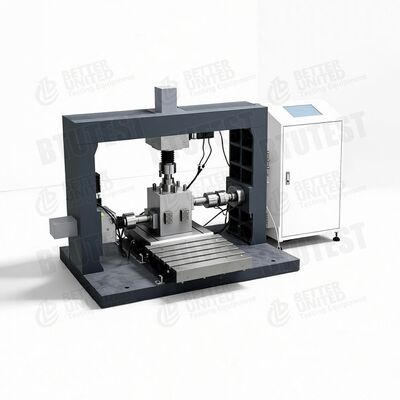
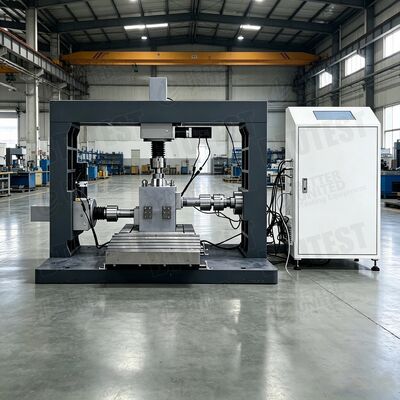
| Name: | Automatic Rock Direct Shear Apparatus | Warranty: | 1 Year |
|---|---|---|---|
| Mould: | BTU-RDSS-30 | Basic Function: | Rock Direct Shear Test |
| Shear Loading: | Servo‑controlled, 300 kN, 50 mm Stroke | Specimen Size: | 50 mm, 100 mm Diameter Cylindrical Specimens (also Square, Cubic, Fragments) |
Product Description
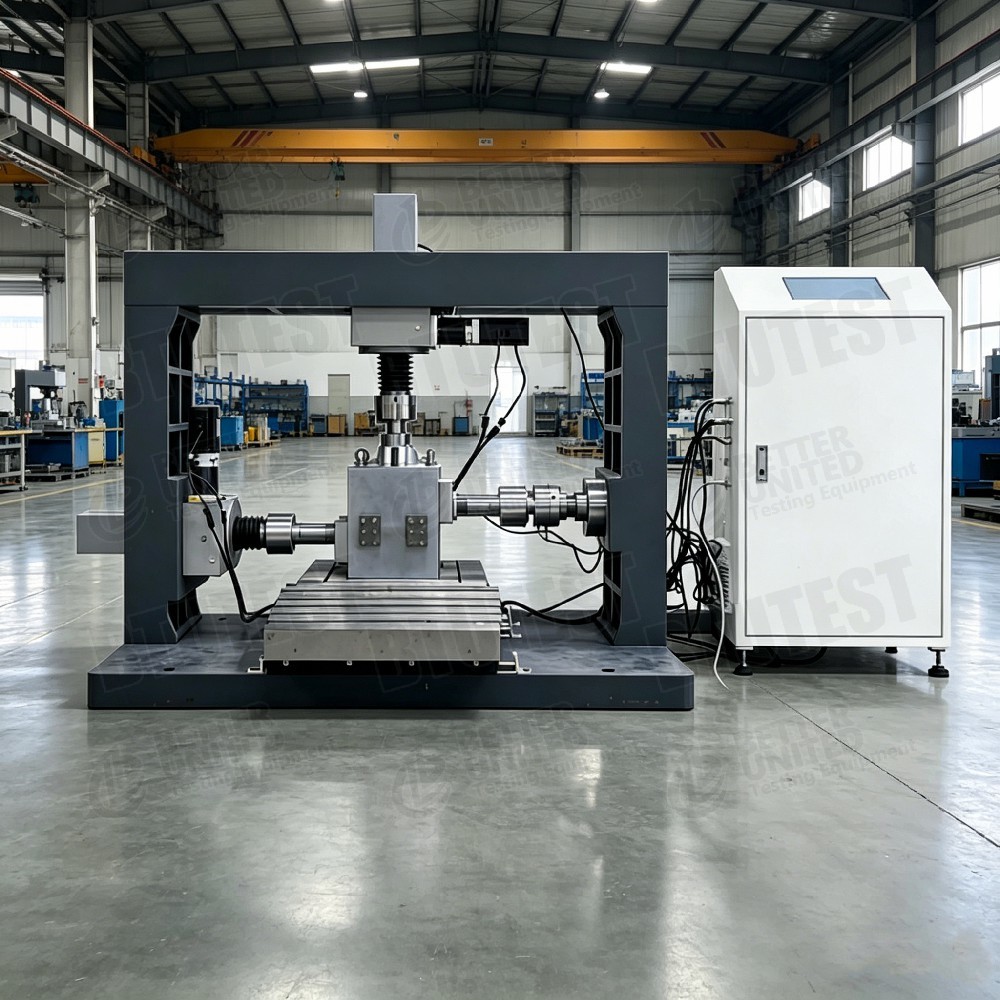
This equipment is a fully automatic rock direct shear apparatus used to determine the shear strength of rock specimens (including round, square, cubic, and rock fragments). The system useselectro‑hydraulic closed‑loop servo controlfor precise control of shear and normal loads. Main features include:
Two models are available:
The equipment meets the requirements of these standards for loading control, displacement measurement, and normal stress control in rock direct shear testing.
| Parameter | BTU-RDSS-30 | BTU-RDDA-50 |
| Basic function | Rock direct shear test | Rock direct shear, residual shear, and incremental tests |
| Shear loading | Servo‑controlled, 300 kN, 50 mm stroke | Servo‑controlled, 500 kN, 50 mm stroke |
| Normal loading | Servo‑controlled, 300 kN, 50 mm stroke | Servo‑controlled, 500 kN, 50 mm stroke |
| Specimen size | 50 mm, 100 mm diameter cylindrical specimens (also square, cubic, fragments) | 50 mm, 100 mm diameter cylindrical specimens (also square, cubic, fragments) |
| Other load ranges / sizes | 300 kN / 50 mm | 500 kN / 50 mm |
| Remarks | Fully automatic servo control | Fully automatic servo control |
| Specimen ring | 150 mm ID, 150 mm height | 150 mm ID, 150 mm height |
| Reaction frame | Rigid, mounted on linear bearings | Rigid, mounted on linear bearings |
| Control method | Electro‑hydraulic closed‑loop servo | Electro‑hydraulic closed‑loop servo |
| Software functions | Constant normal stress or constant normal stiffness, real‑time graphics | Same, plus residual shear and incremental test support |
Select the model based on testing requirements:
| Requirement | Recommended Model | Reason |
| Conventional rock direct shear test, load requirement ≤300 kN | BTU-RDSS-30 | Lower cost, meets most rock direct shear needs |
| Need residual shear (reciprocating) or incremental tests | BTU-RDDA-50 | Supports advanced test modes |
| Need to test hard rock or large specimens (>300 kN) | BTU-RDDA-50 | 500 kN load capacity |
| Testing irregular rock fragments | Both models (need appropriate specimen fixtures) | Both support fragments; consult manufacturer for fixtures |
| Need constant normal stiffness test | BTU-RDDA-50 or RDSS-30 (check software) | Both may support; RDSS-30 basic function might exclude stiffness mode |
| Limited budget, only basic direct shear | BTU-RDSS-30 | Satisfies basic requirements |
Note: The “residual shear and incremental test” functions of the BTU-RDDA-50 are very important for studying joint surface strength evolution. If such tests may be needed in the future, it is advisable to choose the 50 model directly.
Example:Rock direct shear test (constant normal stress) using BTU-RDSS-30
For residual shear or incremental testing:
Summary:The BTU-RDSS-30 and BTU-RDDA-50 are fully automatic rock direct shear apparatuses using electro‑hydraulic closed‑loop servo control. The linear bearing reaction frame ensures that the normal force remains perpendicular to the shear plane. They support multiple specimen shapes. The RDSS-30 is suitable for conventional rock direct shear (300 kN), while the RDDA-50 offers higher load capacity (500 kN) and supports residual shear and incremental tests. Selection should be based on the maximum load requirement and the need for advanced test modes. They are applicable to rock mechanics, geotechnical engineering, and geological hazard studies.
Enter Your Message

Try our best,make things better. People first,Innovative Productivity,Common Solutions
| Hebei Better United Import And Export Co., Ltd. |
| Hejie Town,Xianxian County,Cangzhou City,Hebei Province,China |
| 86-151-2879-5929 |
| sales@btutest.com |