







|
Product Details:
|
|
| Place of Origin: | Made in China |
|---|---|
| Brand Name: | Btutest |
| Certification: | SGS, INTERTEK |
| Model Number: | BTU |
|
Payment & Shipping Terms:
|
|
| Minimum Order Quantity: | 1 |
| Price: | Negotiable |
| Packaging Details: | Standard export wooden box Soil Testing Equipment |
| Delivery Time: | 5-8 work days |
| Payment Terms: | L/C, D/A, D/P, T/T, Western Union |
| Supply Ability: | 3000 sets per month |
|
Detail Information |
|||
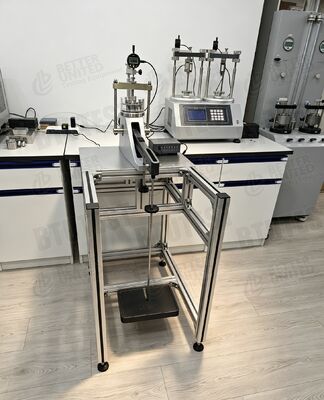
| Product Name: | 1-gang Consolidation Apparatus | Specimen Diameter: | 2 Inches (50 Mm) |
|---|---|---|---|
| Maximum Loading Pressure: | 81 Ton/sq.ft (8,800 KPa) Via 11:1 Lever Ratio | Lever Ratio: | 11:1 (fixed) |
Product Description
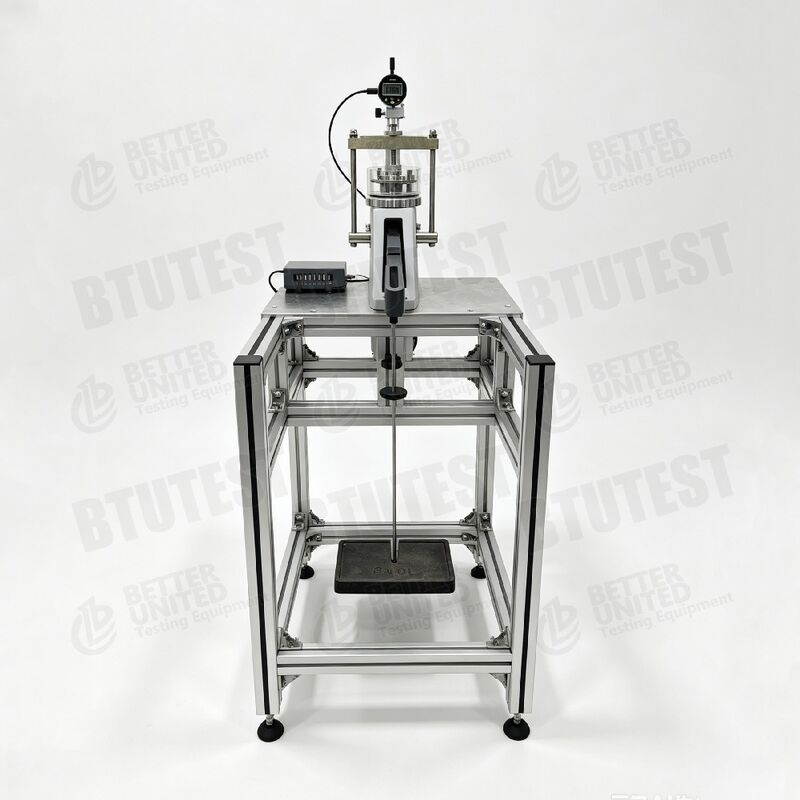
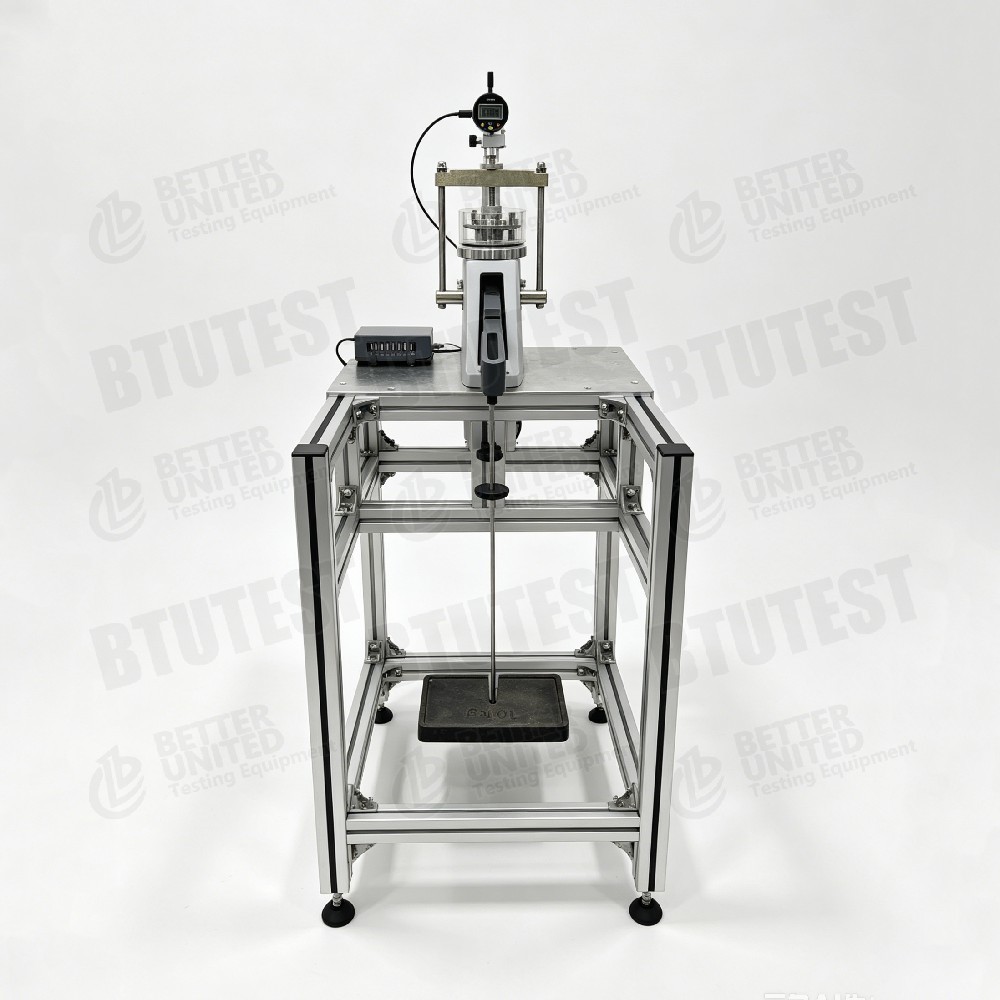
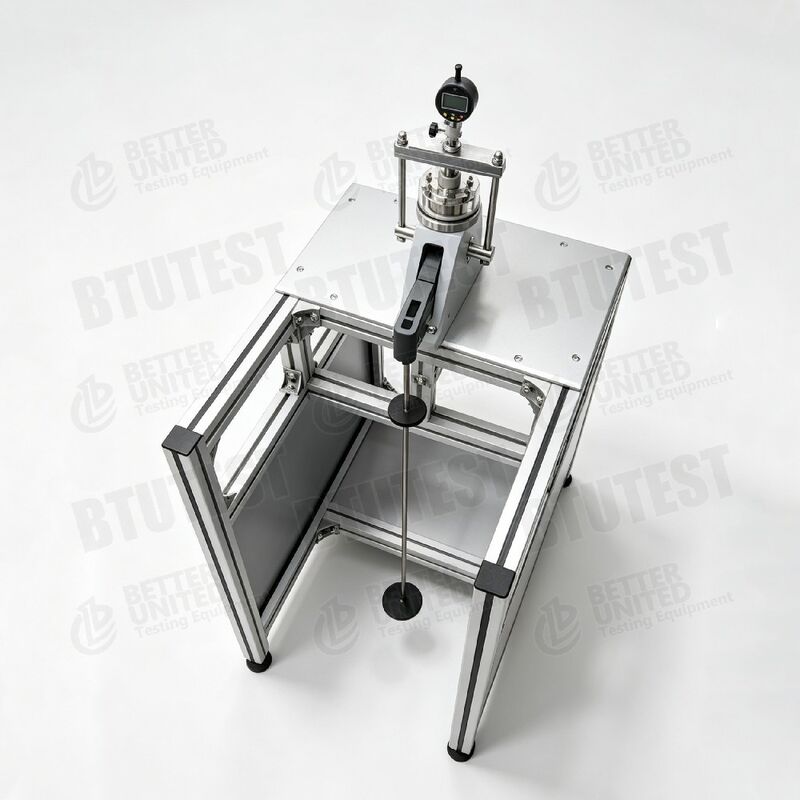
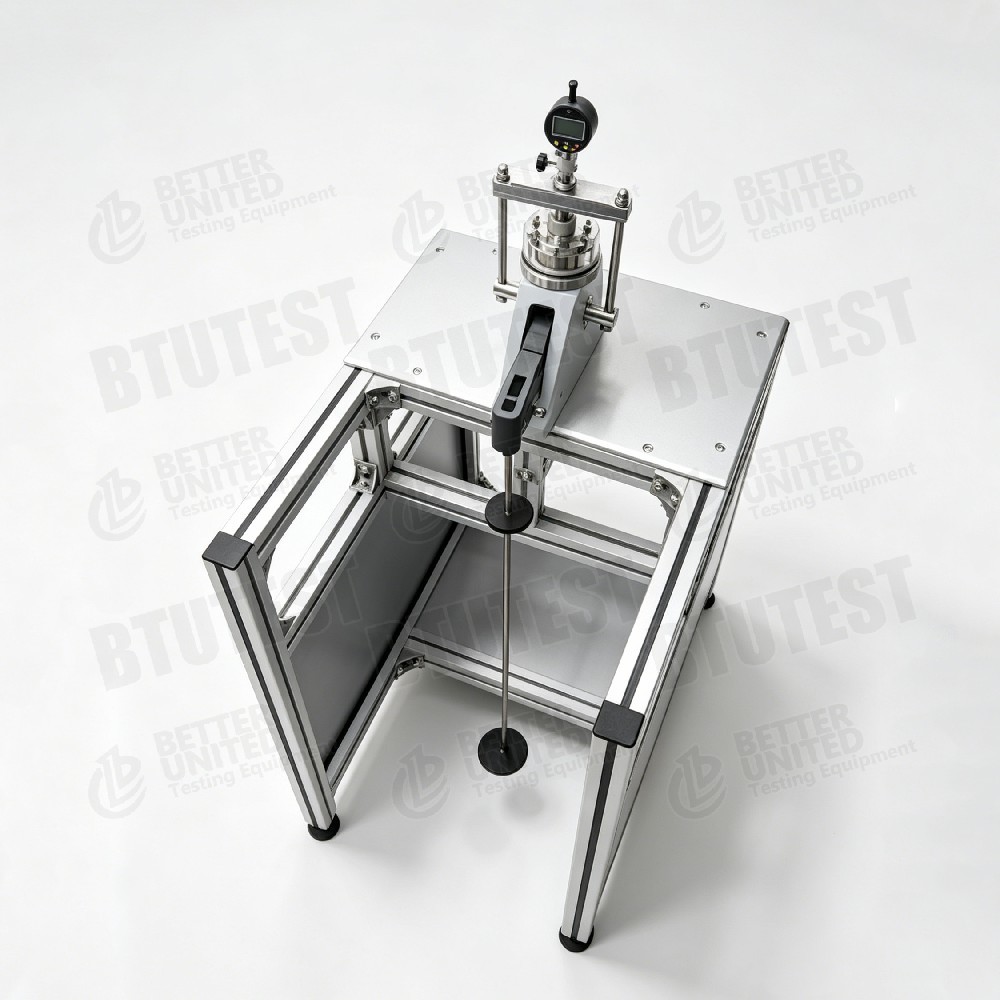
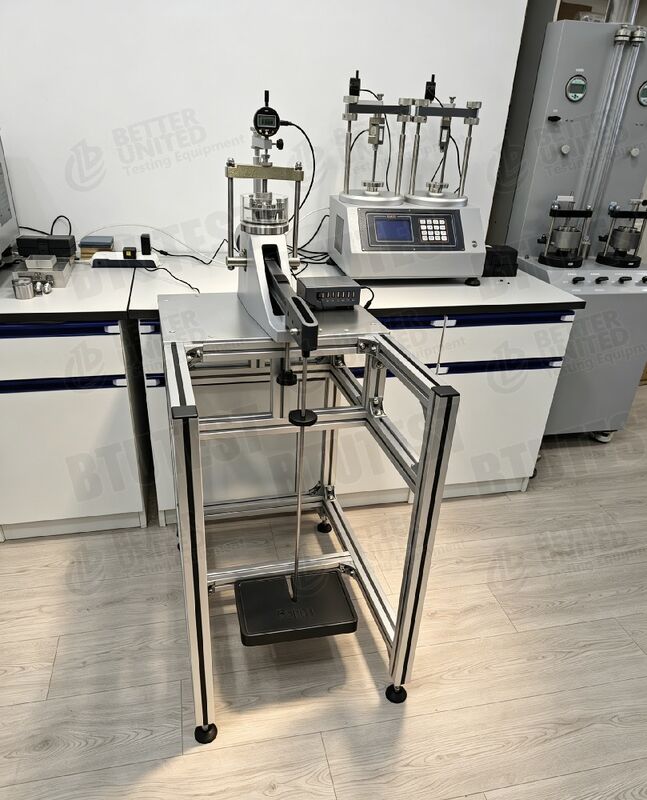
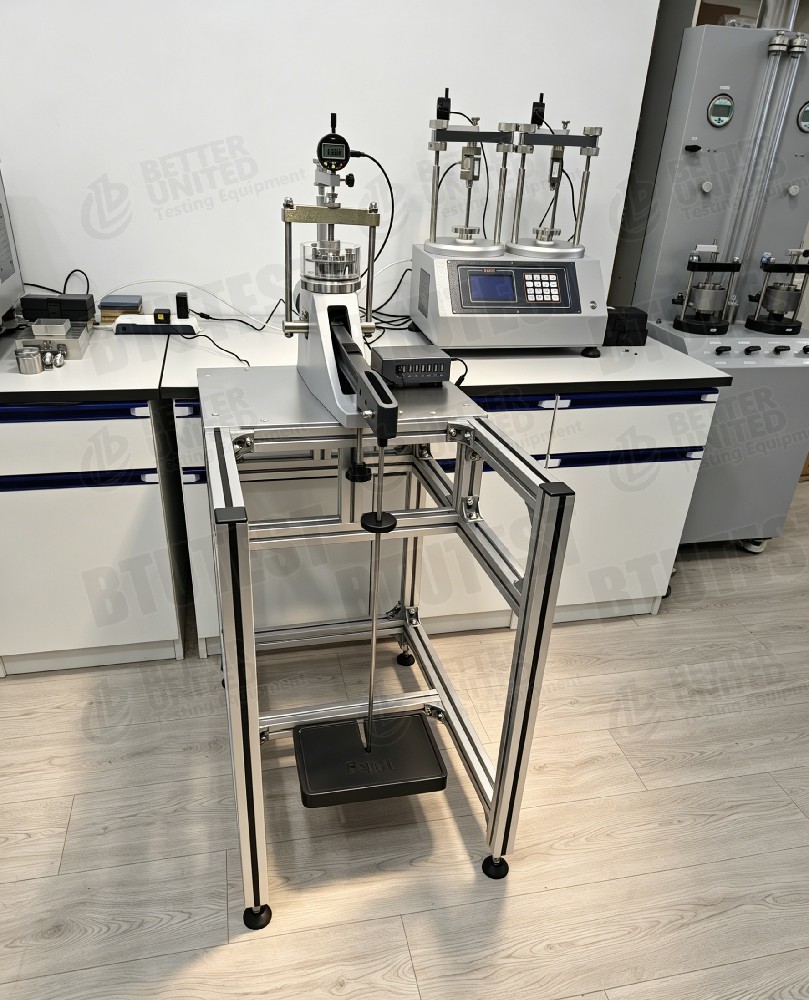
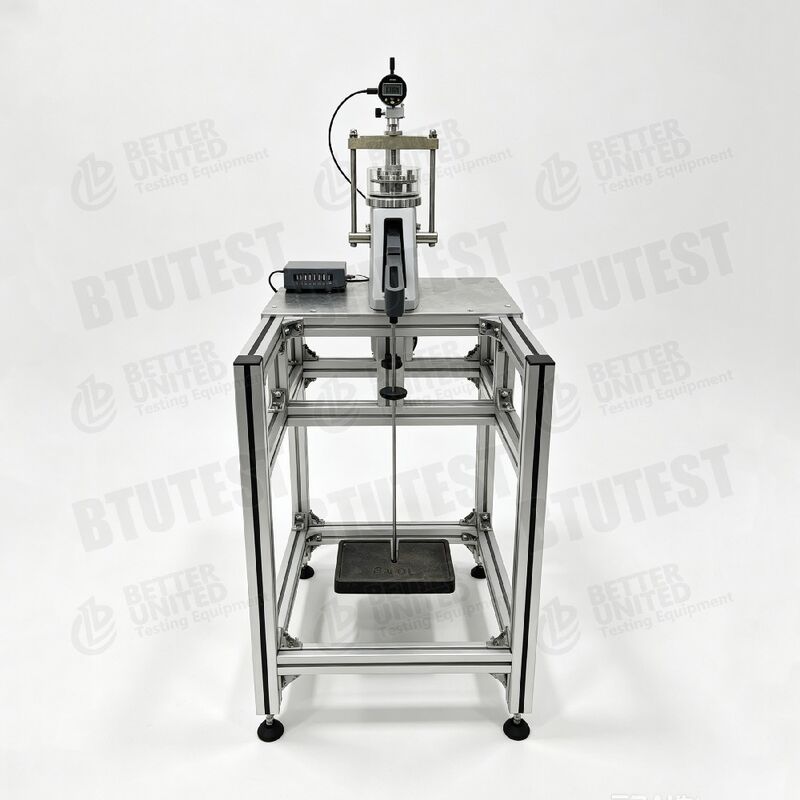
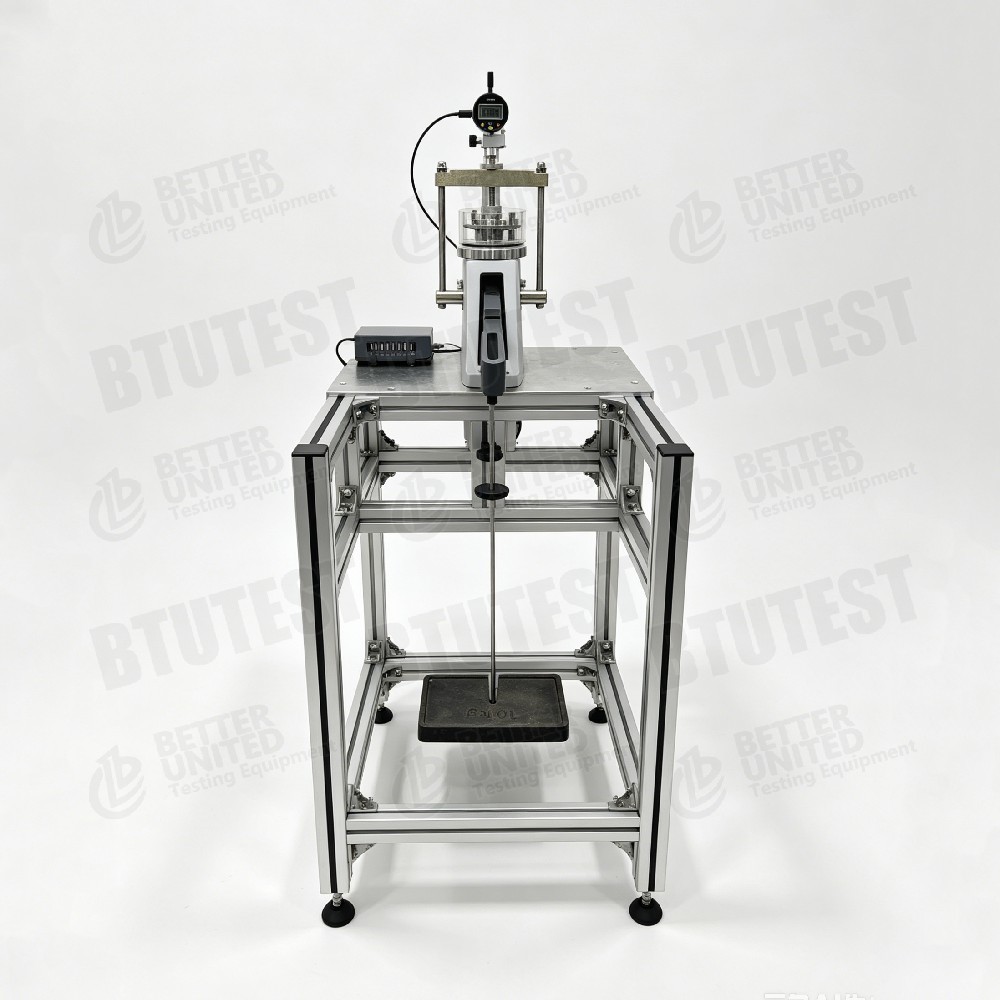
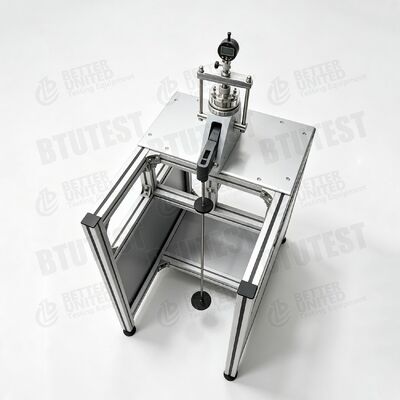
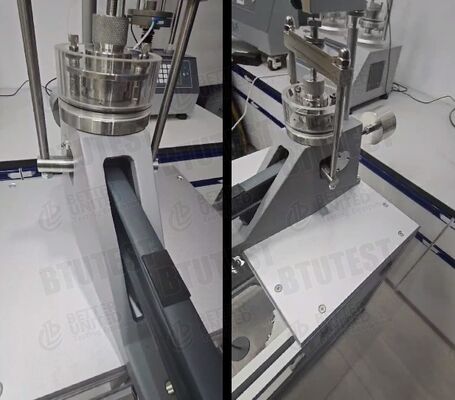
The NL5044X/001 is a table‑top single‑gang consolidation frame used to determine the long‑term consolidation characteristics of clays and other compressible soils under loads imposed by foundations and above‑ground structures. Settlement may occur even when the applied pressure is within the safe bearing capacity of the soil. The apparatus uses lever‑arm loading and can apply pressures up to 81 tons per square foot (approx. 8,800 kPa) on 50mm diameter specimens. It is suitable for predicting foundation settlement under buildings, dams, bridges, and similar structures.
The apparatus complies with the following international standards:
| Item | Parameter |
| Specimen diameter | 2 inches (50 mm) |
| Maximum loading pressure | 81 ton/sq.ft (8,800 kPa) via 11:1 lever ratio |
| Lever ratio | 11:1 (fixed) |
| Frame material | Cast aluminum + plated steel (rust‑resistant, durable) |
| Design | Compact table‑top |
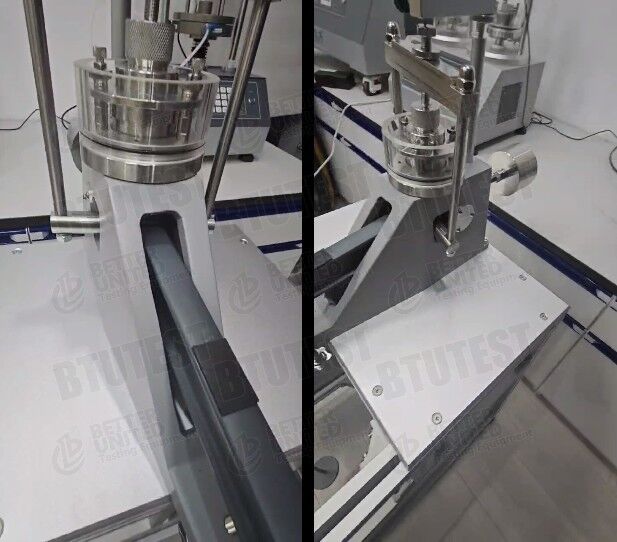
| Consolidation cell | Stainless steel cell (includes upper/lower porous discs, cutting ring), 2‑inch diameter |
| Dial gauge range / resolution | 12.7 mm travel, 0.001 mm subdivision |
| Weight set | 50kg slotted steel weights (0.25kg×2, 0.5kg×1, 1kg×2, 2kg×1, 5kg×1, 10kg×4) |
| Packing dimensions | 110×45×65 cm |
| Gross weight | Approx. 75 kg (including 50kg weights) |
| Requirement | Recommendation |
| Single‑sample high‑pressure consolidation (>5MPa) | 11:1 lever ratio, max. pressure 8.8MPa – far above conventional equipment |
| ASTM/BS compliant research | Clearly meets standards; data internationally accepted |
| Limited lab space | Table‑top design, small packing size (110×45×65cm) |
| Traditional manual reading | Standard mechanical dial gauge – simple and reliable |
| Need for consumable spares | Optional porous stones, cutting ring, filter paper available |
| Long‑term loading stability | Rigid frame + anti‑shock mechanism – suitable for extended consolidation/creep tests |
Enter Your Message

Try our best,make things better. People first,Innovative Productivity,Common Solutions
| Hebei Better United Import And Export Co., Ltd. |
| Hejie Town,Xianxian County,Cangzhou City,Hebei Province,China |
| 86-151-2879-5929 |
| sales@btutest.com |