
logo
Send Message
Hebei Better United Import And Export Co., Ltd.

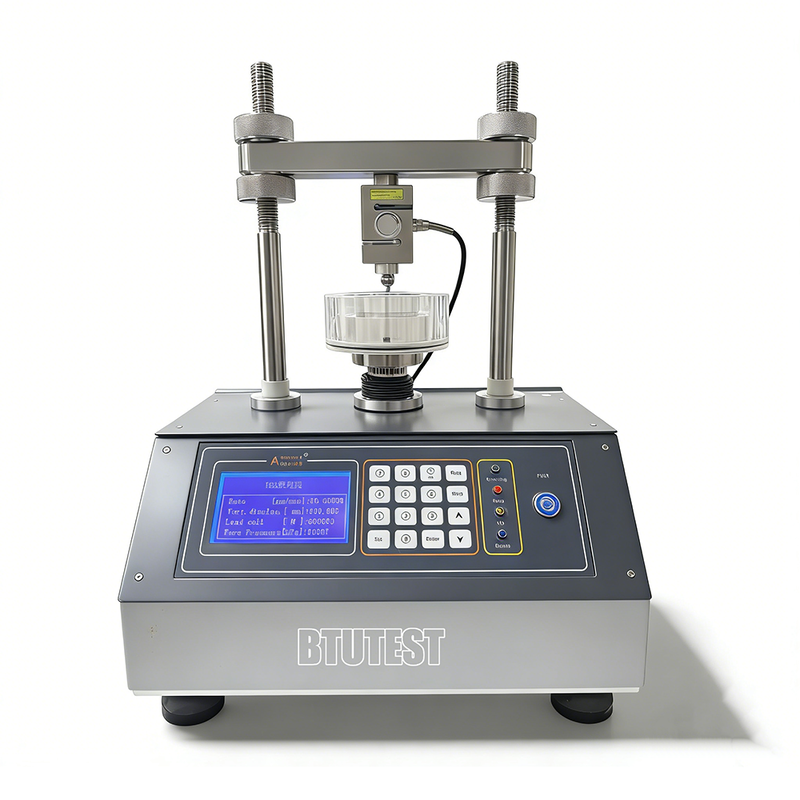
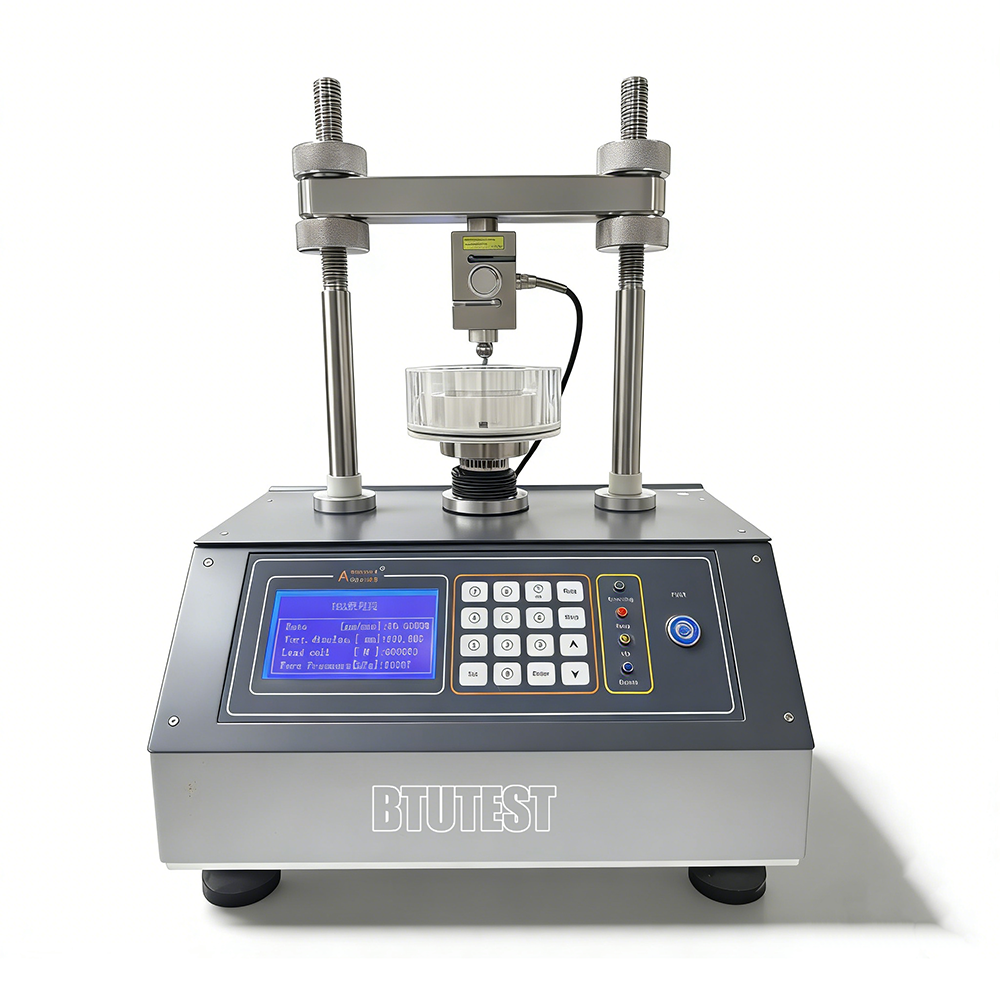
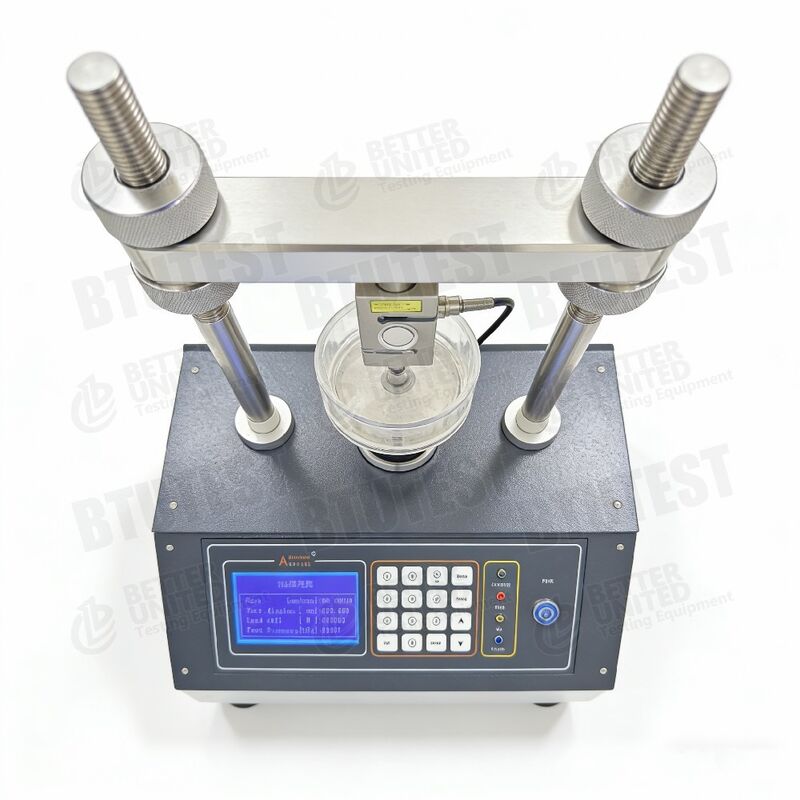
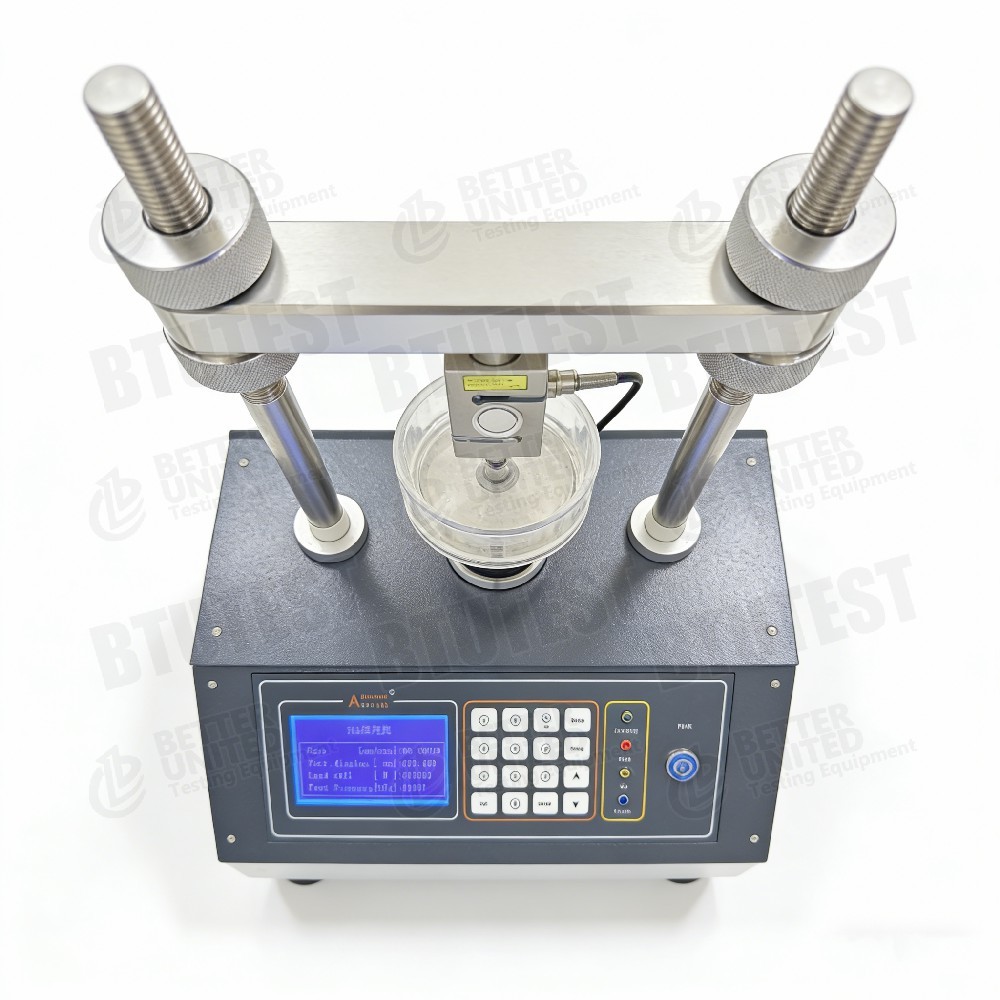
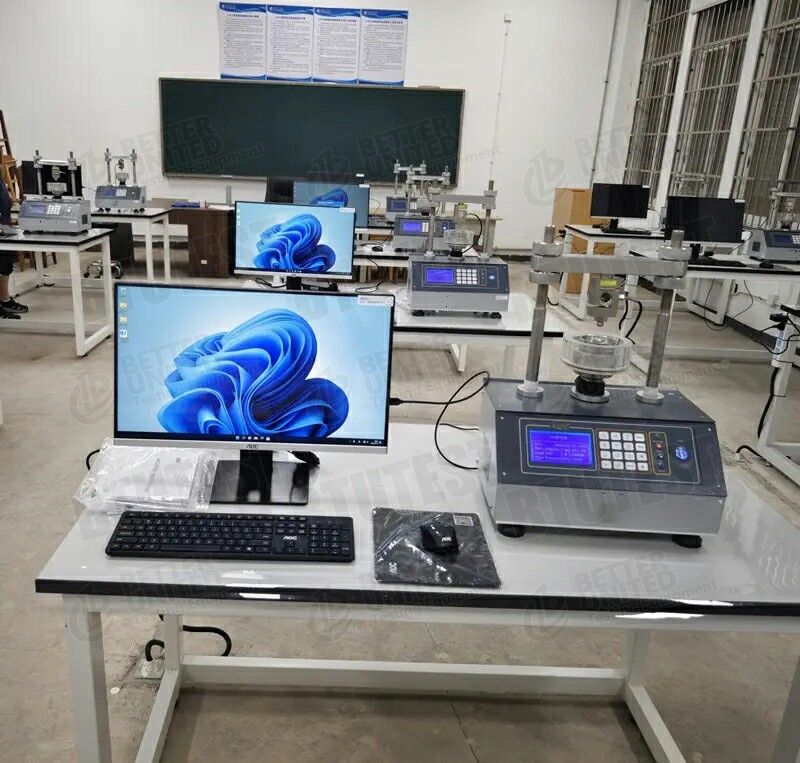
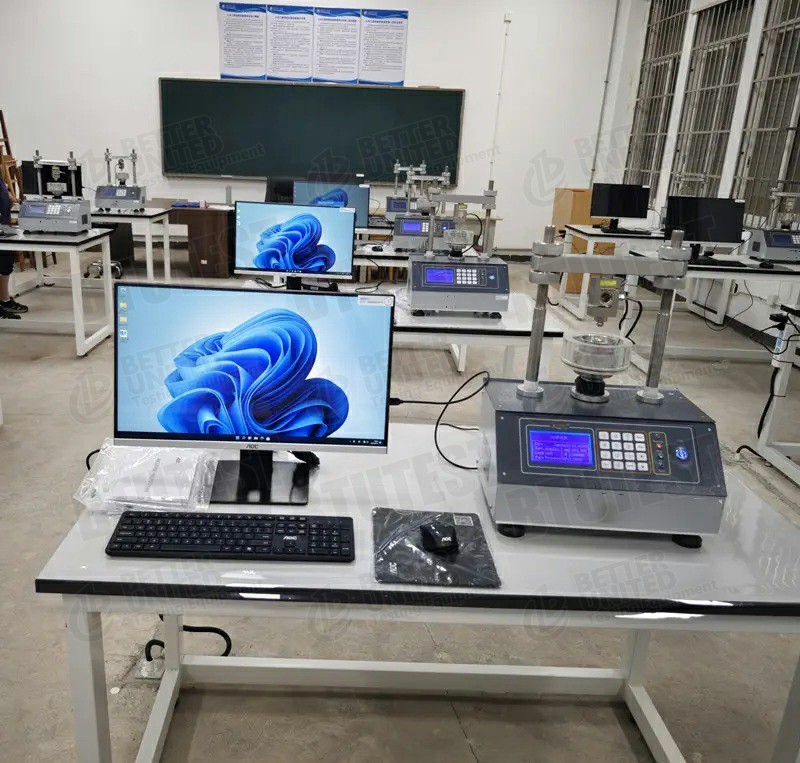
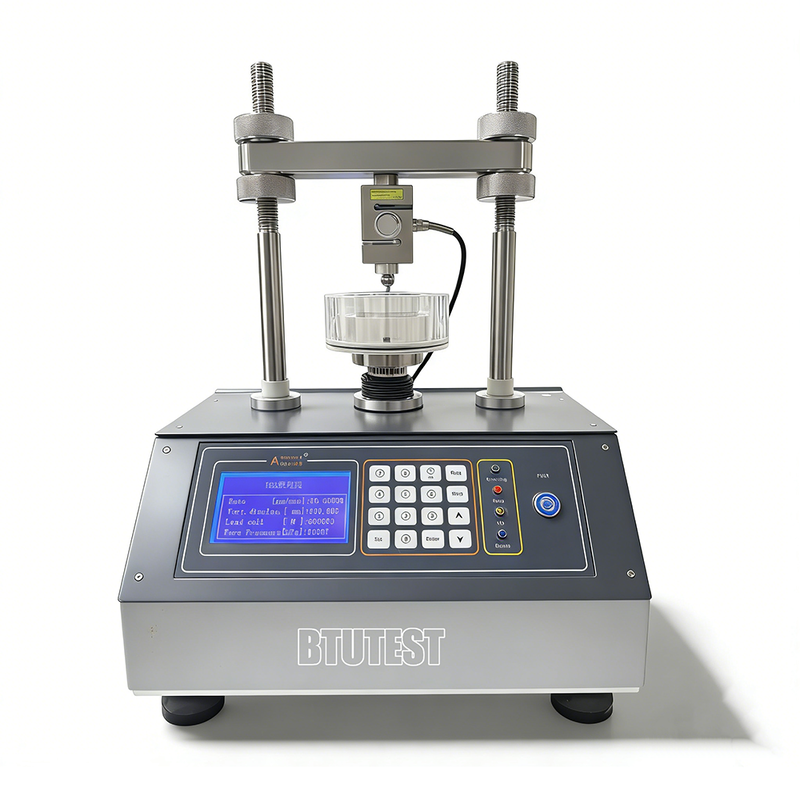
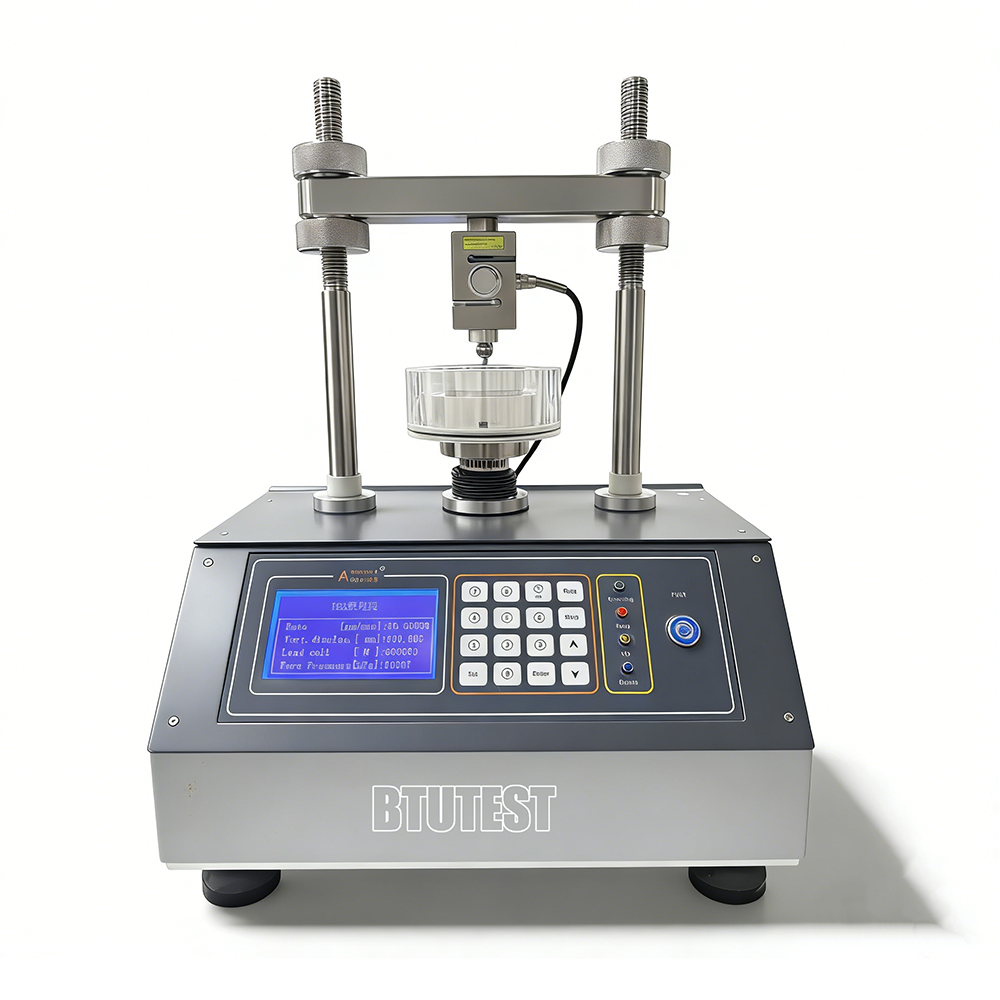
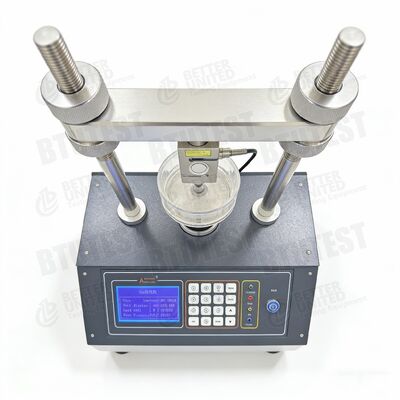
Fully Automatic Consolidation Apparatus (Mechanical)

Product Details:
Place of Origin: Made in China
Brand Name: Btutest
Certification: SGS, INTERTEK
Model Number: BTU-1
Payment & Shipping Terms:
Minimum Order Quantity: 1
Price: Negotiable
Packaging Details: Standard export wooden box Soil Testing Equipment
Delivery Time: 5-8 work days
Payment Terms: L/C, D/A, D/P, T/T, Western Union
Supply Ability: 3000 sets per month
  • Detail Information
  • Product Description

Detail Information

Product Name: Fully Automatic Consolidation Apparatus (Mechanical) Model: BTU-1
Instrument Name: Fully Automatic Consolidation Apparatus (mechanical) Control Function: Good Expandable Control Functions

Product Description

Fully Automatic Consolidation Apparatus (Mechanical) Model BTU-1

Description

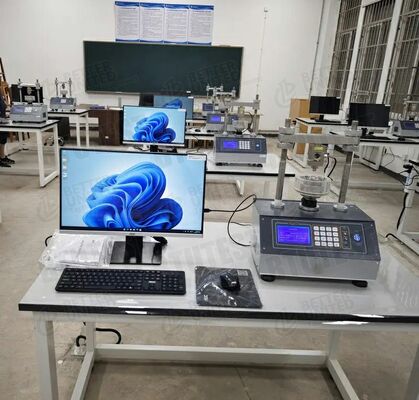
This equipment is afully automatic consolidation apparatus (mechanical), modelBTU-1, used for one‑dimensional consolidation testing of soils. It automatically applies loads and acquires data to determine soil compressibility parameters (coefficient of compressibility av, rebound modulus Es, coefficient of consolidation Cv, pre‑consolidation pressure Pc, etc.). Main features:

  • Good expandable control functions
  • Continuously applies 0‑5 MPa pressure (for specimen diameter 61.8 mm)
  • Specimen sizes: Φ61.8×H20 mm and Φ79.8×H20 mm
  • Acquisition and control software automatically obtains consolidation parameters and plots various curves (square root of time curve, log‑time curve, e‑p curve, e‑lg p curve, Cv‑P(T90) curve, Cv‑P(T50) curve, H‑P curve, etc.)

Test Standards (International)

  • ASTM D2435(One‑dimensional consolidation of soils)
  • ISO 17892‑5(Consolidation test)
  • BS 1377‑6(Consolidation test)
  • ASTM D4186(CRS consolidation, if supported)
  • ASTM D4546(Load‑unload‑reload consolidation)

The equipment can meet the requirements of these standards for loading, displacement measurement, data acquisition, etc.

Specification

Parameter Specification
Model BTU-1
Instrument name Fully automatic consolidation apparatus (mechanical)
Control function Good expandable control functions
Pressure range 0‑5 MPa (continuously applied, for Φ61.8 mm specimen)
Absolute pressure accuracy ±1 kPa
Specimen sizes Φ61.8 × H20 mm and Φ79.8 × H20 mm
Software functions Automatically calculates av, Es, Cv, Pc, etc.; plots square root of time curve, log‑time curve, e‑p curve, e‑lg p curve, Cv‑P(T90) curve, Cv‑P(T50) curve, H‑P curve, etc.


Detail

  • Mechanical loading– Uses a motor‑driven (servo or stepper) system to apply axial pressure, requiring no pneumatic or hydraulic power, offering precise control and fast response.
  • Continuous pressure application– 0‑5 MPa continuously adjustable, stepless loading, suitable for step loading or CRS continuous loading modes.
  • High pressure accuracy– Absolute accuracy ±1 kPa (approx. 0.02% FS relative to 5 MPa), far superior to conventional consolidometers.
  • Two specimen sizes
    • Φ61.8×20 mm (standard ring, area 30 cm²)
    • Φ79.8×20 mm (area 50 cm²), suitable for soils with slightly larger particles or where a larger area reduces scale effects.
  • Expandable control functions– May allow connection of multiple consolidation cells (multi‑unit) or support for multiple test modes (step loading, CRS, CRL, creep, etc.) as future upgrades.
  • Powerful post‑processing software– Automatically calculates consolidation parameters and plots standard curves, saving data processing time.
  • High pressure capability– 5 MPa can simulate overburden stress at depths >200 m (assuming γ=20 kN/m³, about 250 m).

Application

  • Routine consolidation tests– Determine compression index, coefficient of consolidation, and pre‑consolidation pressure of fine‑grained soils (clay, silty clay).
  • High‑stress consolidation– 5 MPa maximum pressure suitable for deep soils, high fills, and surcharge preloading design.
  • Larger specimen size (Φ79.8 mm)– Suitable for soils containing a small amount of coarse particles, reducing scale effects.
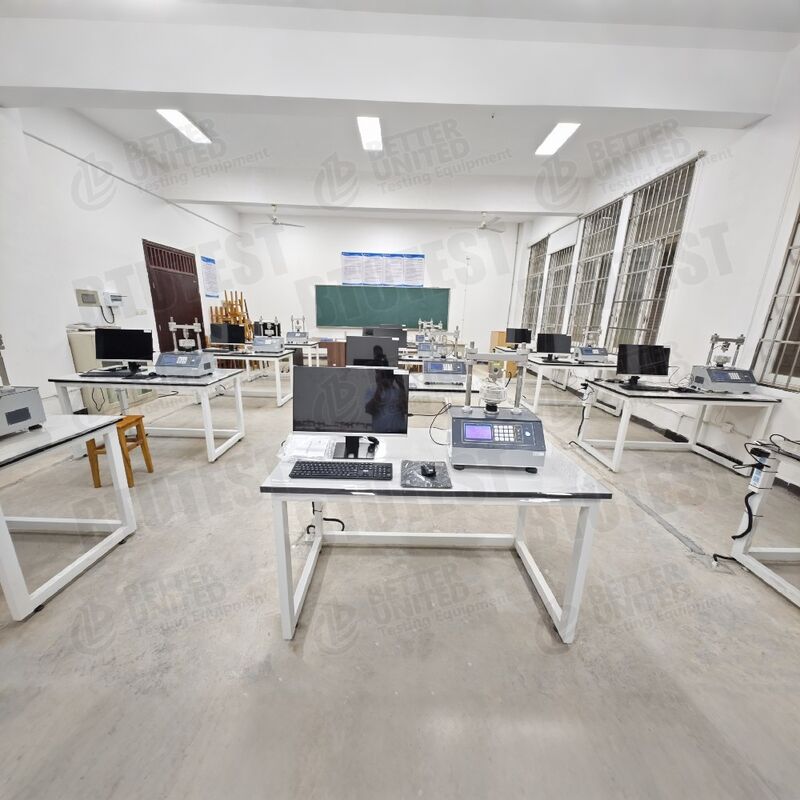
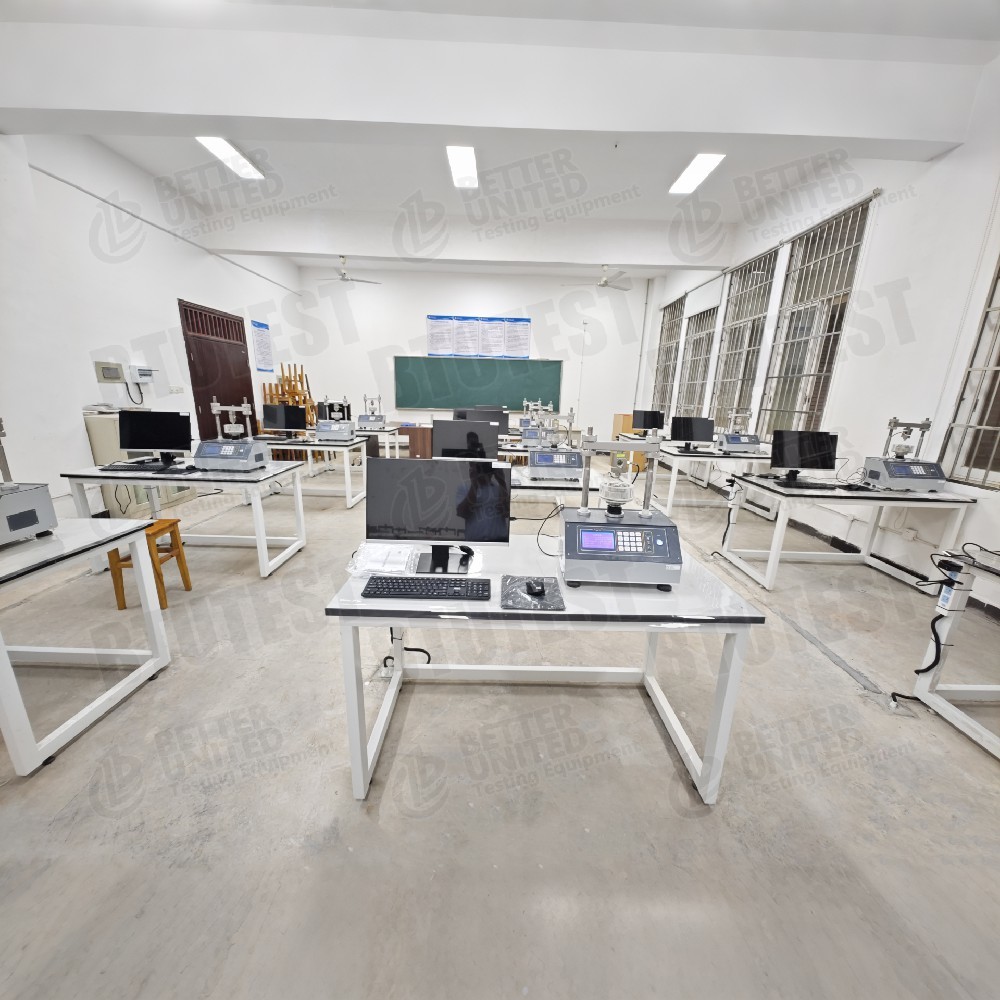
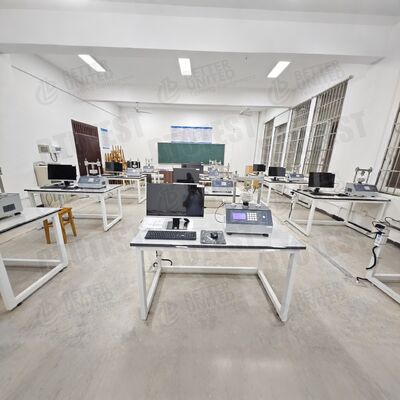
  • Research and teaching– University soil mechanics laboratories for student experiments and research.
  • Software teaching– Automatically plots curves, helping students understand consolidation theory.

Advantages

  • High‑precision pressure control– ±1 kPa absolute accuracy, far exceeding conventional consolidometers (typically ±1% FS ≈ ±50 kPa).
  • Continuous stepless loading– Allows CRS (constant rate of strain) or custom stress path consolidation tests.
  • Two specimen sizes– Flexibility to choose based on maximum particle size.
  • Good expandability– Can add multiple consolidation cells or upgrade test modules.
  • Comprehensive software– Automatically calculates parameters, generates curves with one click, reducing manual plotting effort and errors.
  • Mechanical loading– No air source required, clean, low noise, suitable for indoor laboratories.
  • High pressure– 5 MPa meets consolidation requirements for most depths.

What To Choose

Select this equipment or compare with other models based on testing requirements:

Requirement Recommendation Reason
Need high‑precision consolidation testing (research grade) Very suitable ±1 kPa accuracy, far superior to conventional
Need high‑pressure consolidation (>1.6 MPa) 5 MPa meets requirements Suitable for deep soils, high fills
Need CRS or continuous loading consolidation Supported (continuous pressure application) Programmable stress/strain paths
Specimen contains small coarse particles (≤5 mm) Choose Φ79.8 mm cell Reduces scale effects
Only routine low‑pressure consolidation (≤800 kPa) Consider a more economical model (e.g., 1.6 MPa) This model has excess capacity
Need multi‑unit simultaneous testing Confirm expandability (screenshot mentions “expandable control functions”) May allow multiple consolidation cells
Limited budget, only basic consolidation needed Choose a manual or semi‑automatic consolidometer Lower cost


Process Flow

Example:Step‑loading consolidation test (ASTM D2435)

  • Specimen preparation
    • Cut undisturbed or remoulded specimen using a Φ61.8×20 mm or Φ79.8×20 mm ring.
    • Measure initial water content and density. If saturation is required, soak or vacuum saturate.
  • Specimen installation
    • Place the ring with specimen into the consolidation cell (with porous stones and filter paper).
    • Position the cell in the loading frame and install the displacement sensor (zero it).
    • Connect the data acquisition system.
  • Apply initial seating pressure
    • Set a small pressure (e.g., 2‑5 kPa) via software to ensure good contact between the loading cap and specimen; record initial displacement reading.
  • Set test parameters
    • In the software, select “step‑loading consolidation module”.
    • Set the load sequence (e.g., 12.5, 25, 50, 100, 200, 400, 800, 1600, 3200 kPa, up to 5 MPa).
    • Set duration for each load step (e.g., 24 hours or time‑based stability criterion, such as displacement change <0.01 mm in the last hour).
    • Set data acquisition intervals (e.g., 0.1, 1, 10, 60 minutes, etc.).
  • Start the test
    • The software automatically applies the first load step via the motor and maintains constant stress.
    • The displacement sensor records vertical deformation in real time; the software plots time‑displacement curves.
    • When each load step reaches stability, the next load step is automatically applied.
  • Unloading stage (if rebound is to be measured)
    • After the maximum load is reached, perform unloading (e.g., 1600, 800, 400, 200, 100, 50, 25 kPa) to determine rebound curves.
  • End and disassembly
    • After the test, unload to zero, remove the specimen, weigh and dry to measure final water content (for correction).
  • Data processing
    • The software automatically calculates void ratio, coefficient of compressibility av, compression index Cc, and rebound index Cs for each load step.
    • Plots e‑p curve and e‑lg p curve, determines pre‑consolidation pressure Pc (Casagrande method).
    • Calculates coefficient of consolidation Cv using the square root of time method or log‑time method, and plots Cv‑P curves.
    • Generates a test report.

If the equipment supportsCRS consolidation: Set a constant strain rate (e.g., 0.01 mm/min), apply continuous loading while recording pore pressure (if equipped with a pore pressure sensor); the software calculates Cv, Cc, Pc, etc., based on CRS theory.

Summary:The BTU-1 is a fully automatic mechanical consolidation apparatus with high‑precision pressure control (±1 kPa) and a maximum pressure of 5 MPa. It supports two specimen sizes (Φ61.8 mm and Φ79.8 mm). The powerful acquisition and control software automatically calculates consolidation parameters and plots various standard curves. It is suitable for routine consolidation, high‑pressure consolidation, and research‑grade high‑precision testing. Selection should consider the required pressure range and specimen size; if only low‑pressure routine consolidation is needed, a more economical model may be considered. The expandable control functions allow future addition of multi‑unit configurations.

Get in touch with us

Enter Your Message

You Might Be Into These