







|
Product Details:
|
|
| Place of Origin: | Made in China |
|---|---|
| Brand Name: | Btutest |
| Certification: | SGS, INTERTEK |
| Model Number: | BTU-CSA-3 |
|
Payment & Shipping Terms:
|
|
| Minimum Order Quantity: | 1 |
| Price: | Negotiable |
| Packaging Details: | Standard export wooden box Soil Testing Equipment |
| Delivery Time: | 5-8 work days |
| Payment Terms: | L/C, D/A, D/P, T/T, Western Union |
| Supply Ability: | 3000 sets per month |
|
Detail Information |
|||
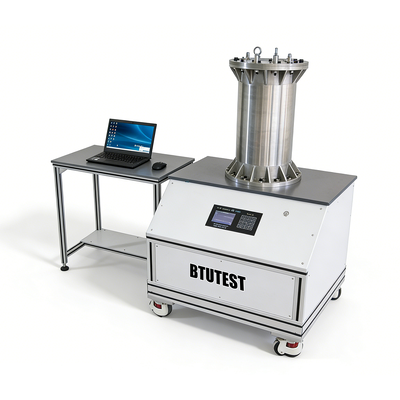
| Product Name: | Multi Functional Consolidation Apparatus | Model: | BTU-CSA-3 |
|---|---|---|---|
| Max. Axial Load: | 30 KN | Axial Effective Stroke: | 600 Mm |
Product Description
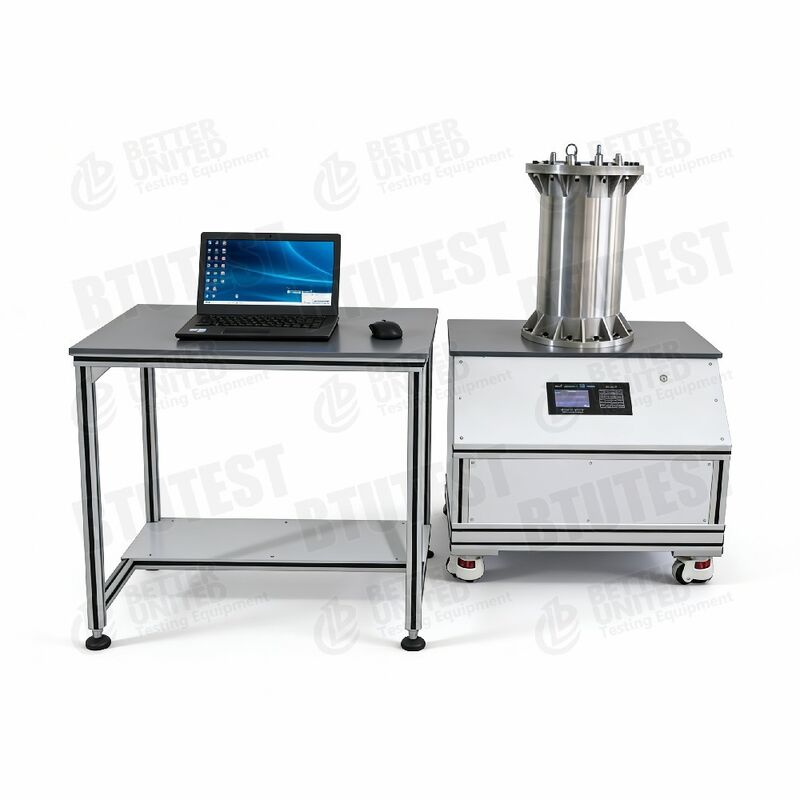
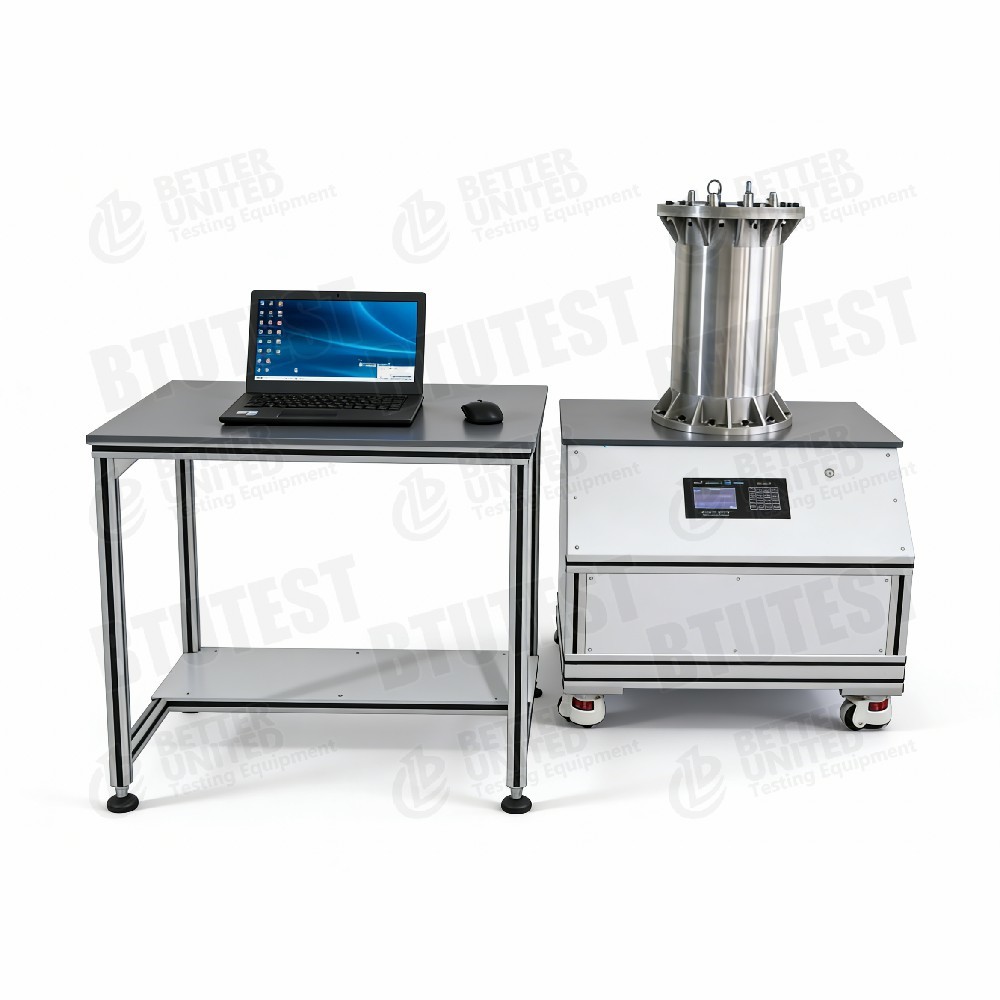
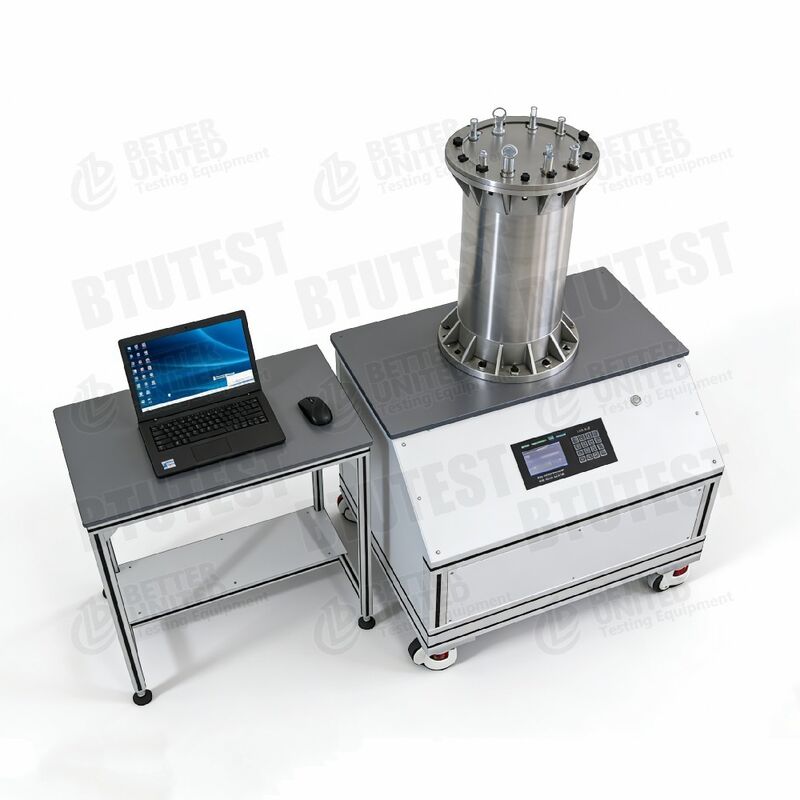
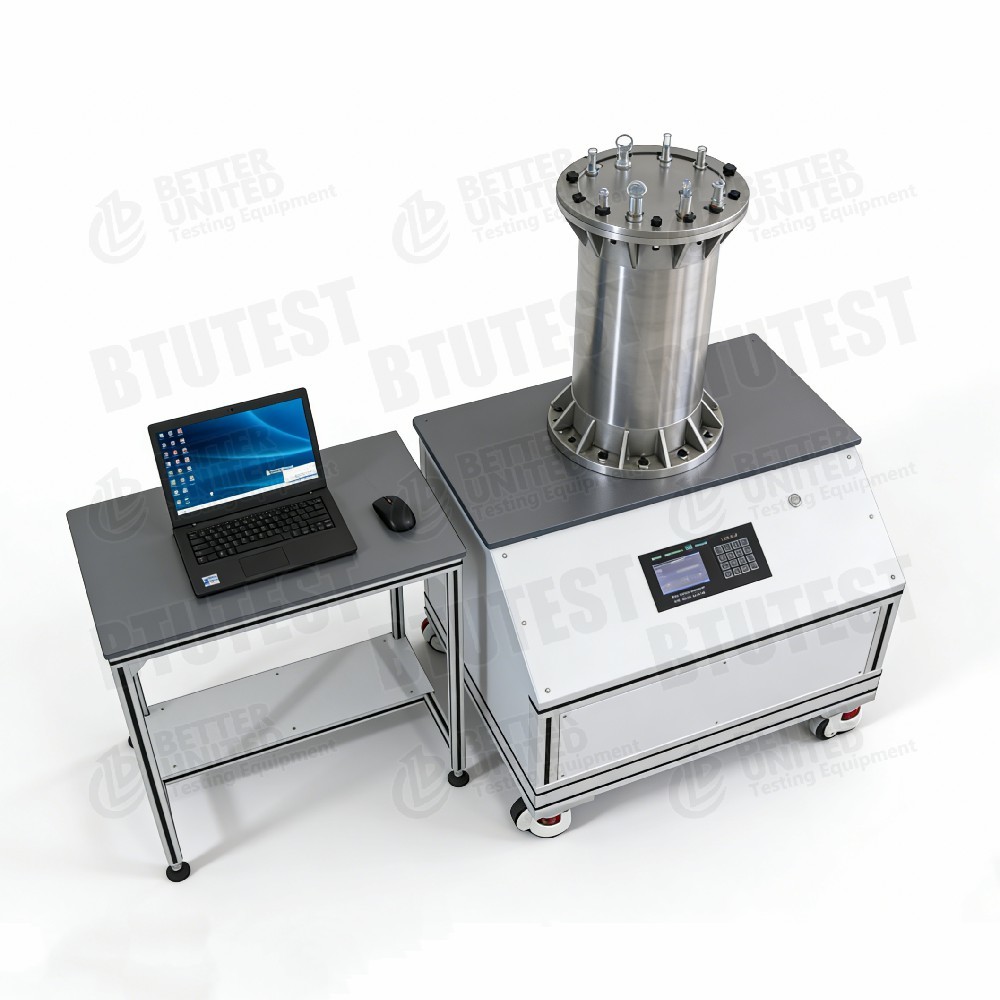
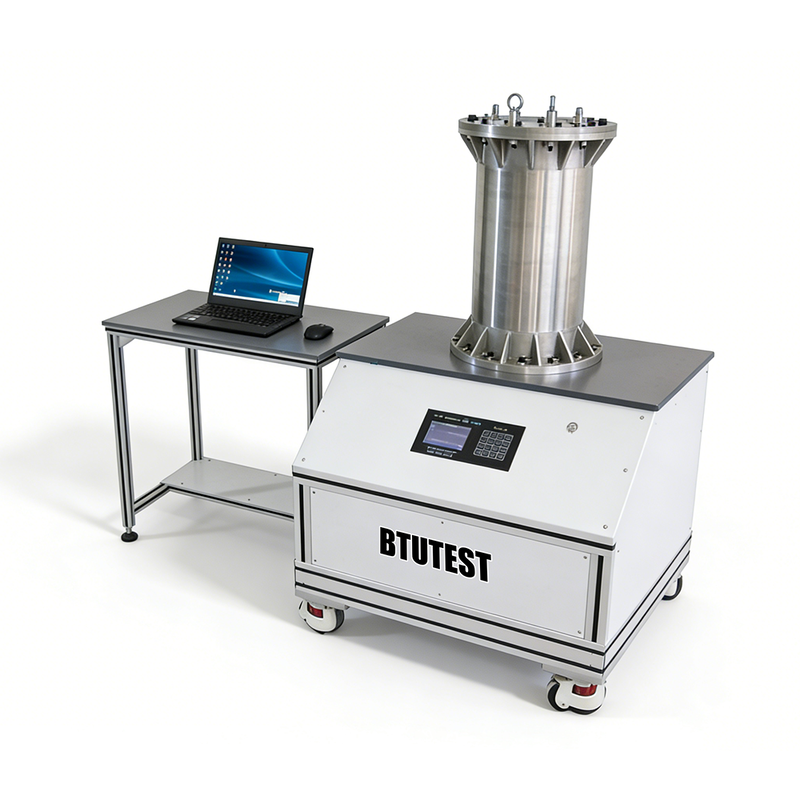
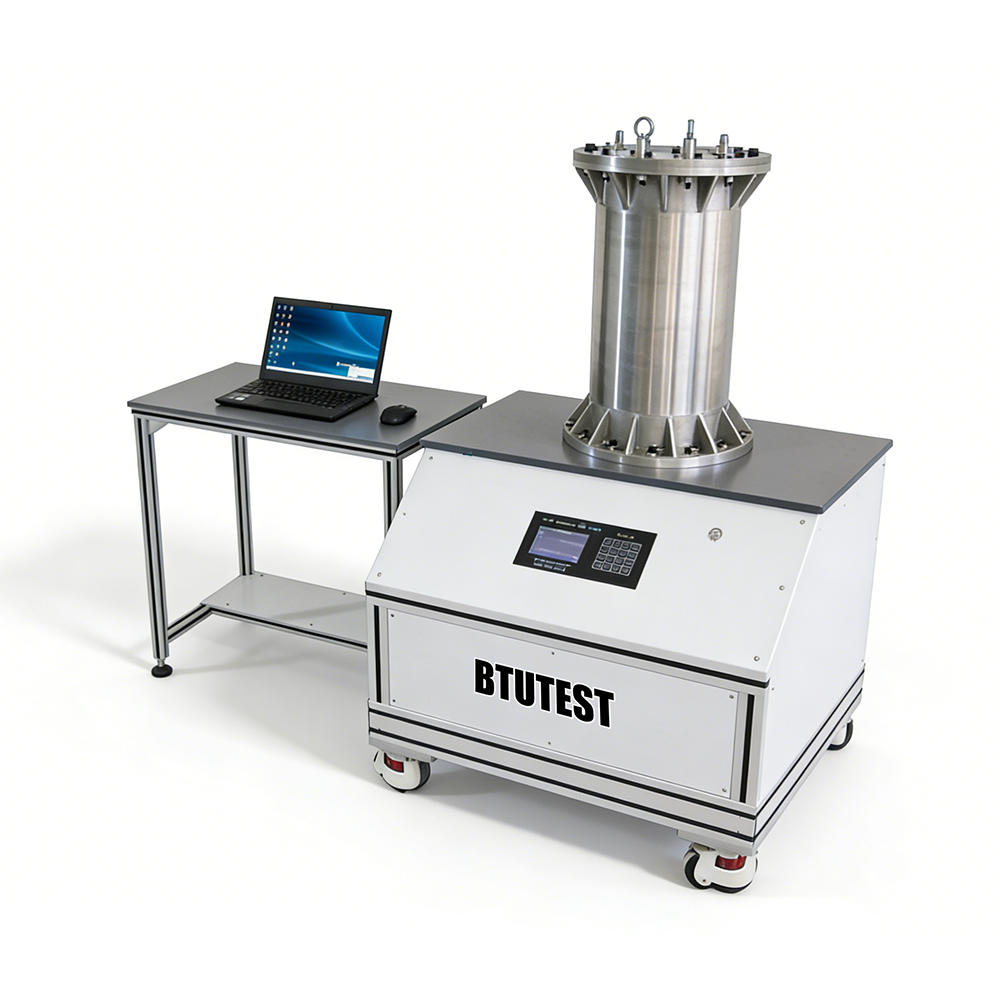
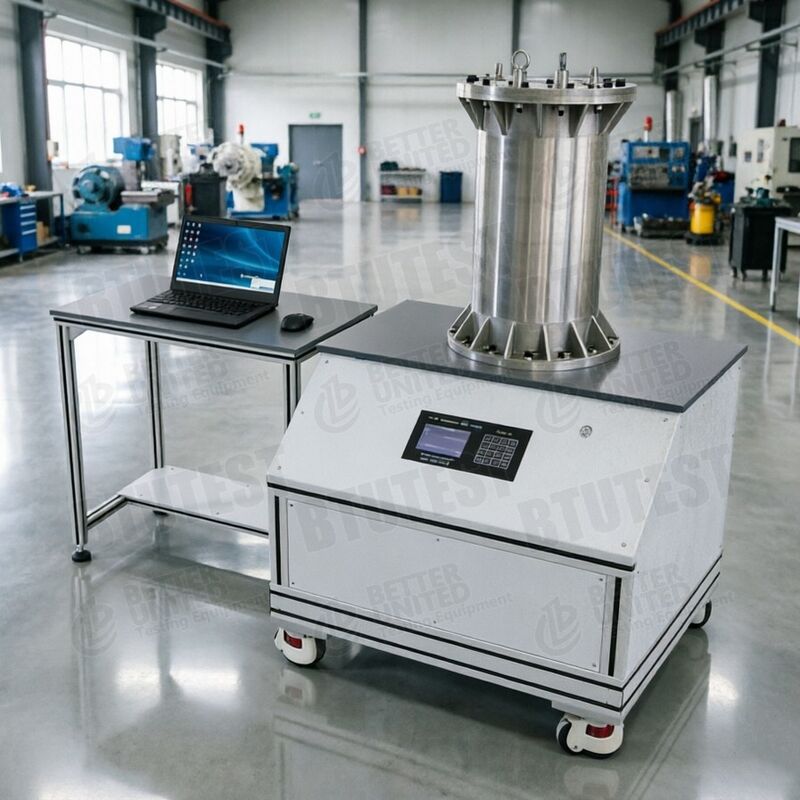
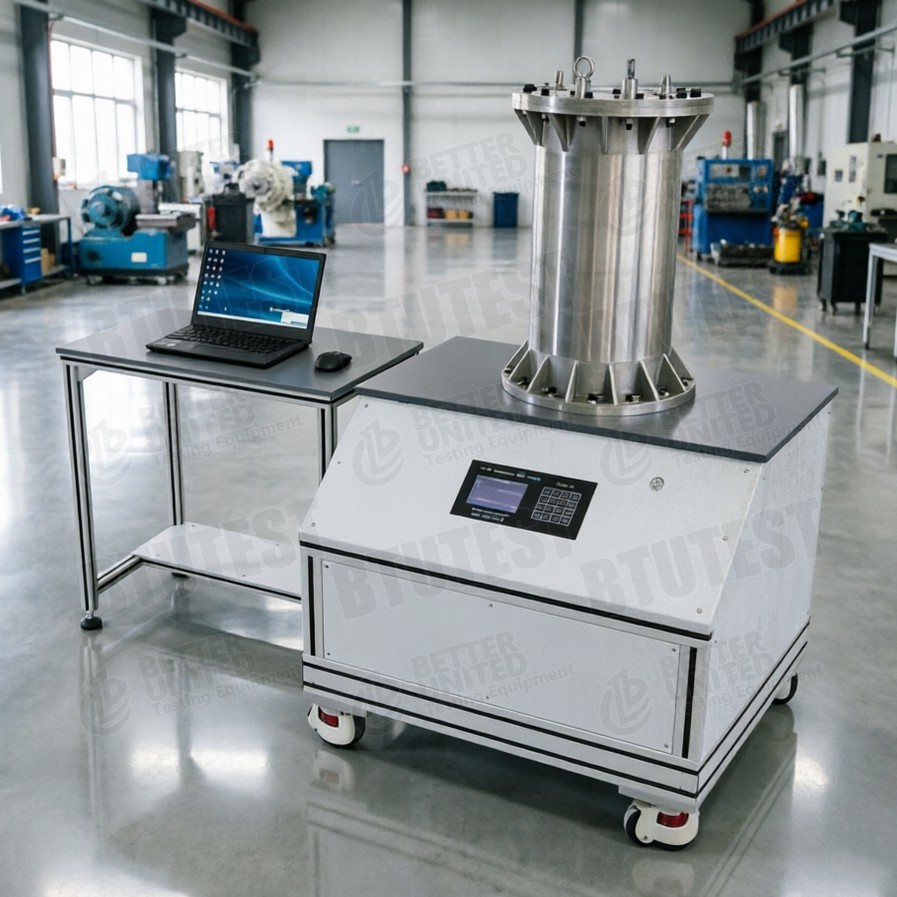
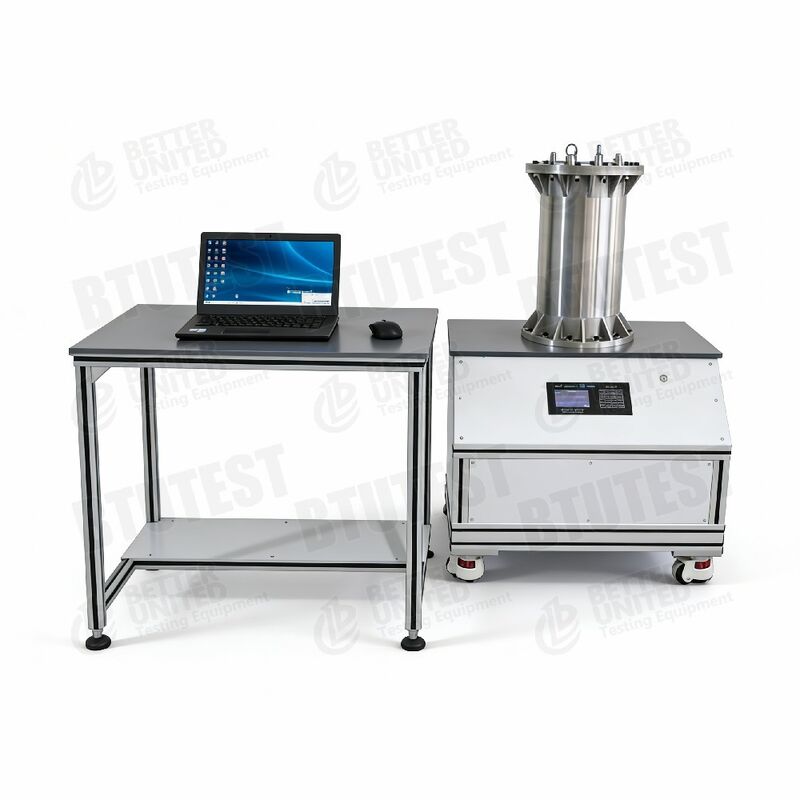
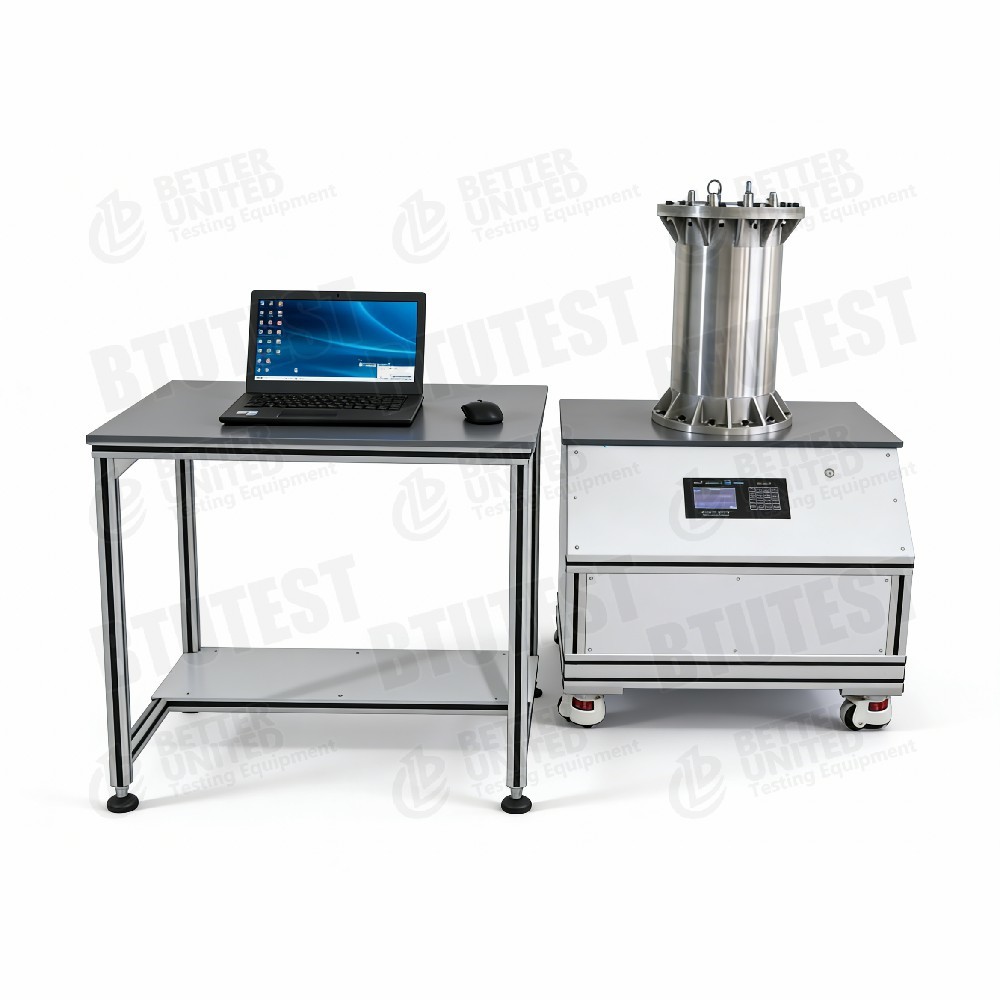
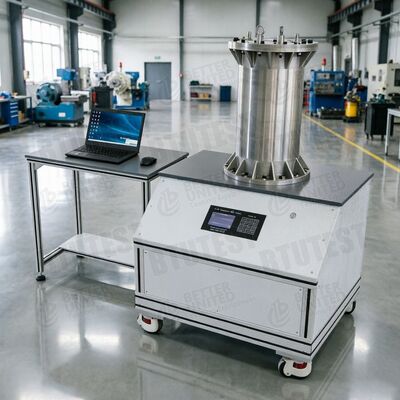
This equipment is amulti‑functional specimen preparation and testing system (multi‑functional consolidation apparatus), modelBTU-CSA-3. It is mainly used for preparing homogeneous soil specimens and performing various consolidation tests. The system offers high‑precision control of stress and deformation conditions, with a high degree of automation. The entire testing process can be computer‑controlled via servo control, with real‑time acquisition and analysis of specimen surface conditions, internal stress‑strain state, and internal pore water pressure distribution. Main functions:
The equipment can meet the requirements of these standards for loading control, displacement measurement, pore pressure monitoring, etc.
| Parameter | Specification |
| Model | BTU-CSA-3 |
| Instrument name | Multi‑functional specimen preparation and testing system (multi‑functional consolidation apparatus) |
| Control accuracy | ±0.1% of full scale |
| Control modes | Electromagnetic switch + software + LCD panel (bidirectional control) |
| Loading system | Servo motor mechanical loading |
| Load frame | Integral structure, good rigidity, stable, low vibration |
| Max. axial load | 30 kN |
| Axial effective stroke | 600 mm |
| Loading speed | 0.00001 – 9 mm/min, stepless adjustment |
| Load measurement and control accuracy | ±0.1% FS |
| Displacement measurement accuracy | ±0.1% FS (assumed, same as load) |
| Pressure cell | Custom, specimen size Ø300 mm × H600 mm, material 304 stainless steel; capable of real‑time pore water pressure measurement at multiple positions |
| Data acquisition and control system | Includes data acquisition/control system, various sensors, PC‑based acquisition and control software |
| PC software functions | Communication with lower‑level controller, automatic servo feedback control, sensor calibration; supports step loading, CRS, CRL, etc. |
| Load cell | 30 kN, with mounting accessories and data logger |
| Servo control cabinet | 240×128 LCD display, 20‑key keypad; controls vertical loading; acquires displacement, load, etc. |
| Water collection tank | 20 L, for collecting drainage from the specimen during testing |
Select this equipment or compare with other models based on testing requirements:
| Requirement | Recommendation | Reason |
| Need homogeneous specimen preparation and consolidation testing | Very suitable | Integrated specimen preparation and consolidation |
| Need large‑size specimens (coarse soils, rockfill) | Ø300×600 mm meets needs | Avoids scale effects |
| Need CRS or CRL consolidation | Supported | Standard features |
| Need multi‑position pore pressure measurement | Supported | Multiple sensors can be installed |
| Only routine small‑size consolidation (Ø61.8 mm) | Consider a small consolidometer (lower cost) | This system is large and more expensive |
| Need higher axial load (>30 kN) | Do not choose this model; select higher‑capacity model | Maximum is 30 kN |
| Only specimen preparation, no consolidation | Choose a dedicated specimen preparation apparatus | Lower cost |
| Low demand for pore pressure measurement | Simplify configuration (fewer pore pressure sensors) | Reduce cost |
Example:Homogeneous specimen preparation + CRS consolidation test (with multi‑position pore pressure measurement)
For step‑loading consolidation: Set a load sequence (e.g., 50, 100, 200, 400, 800 kPa); record displacement and pore pressure over time at each load step.
For specimen preparation only: Use the compaction program to compact layers without performing a consolidation test.
Summary:The BTU-CSA-3 is a multi‑functional specimen preparation and testing system (multi‑functional consolidation apparatus) that integrates homogeneous specimen preparation with various consolidation tests. It features a large specimen size (Ø300×600 mm), axial load up to 30 kN, stroke of 600 mm, and supports step loading, CRS, CRL, and real‑time multi‑position pore pressure measurement. Control accuracy is ±0.1% FS, with fully automatic servo closed‑loop control. It is suitable for studying consolidation characteristics of coarse‑grained soils, rockfill, and large specimens, as well as preparing homogeneous specimens. Selection should consider the required load capacity, specimen size, and need for multi‑position pore pressure measurement. For routine small‑size consolidation tests, a smaller consolidometer may be more cost‑effective.
Enter Your Message

Try our best,make things better. People first,Innovative Productivity,Common Solutions
| Hebei Better United Import And Export Co., Ltd. |
| Hejie Town,Xianxian County,Cangzhou City,Hebei Province,China |
| 86-151-2879-5929 |
| sales@btutest.com |