
logo
Send Message
Hebei Better United Import And Export Co., Ltd.

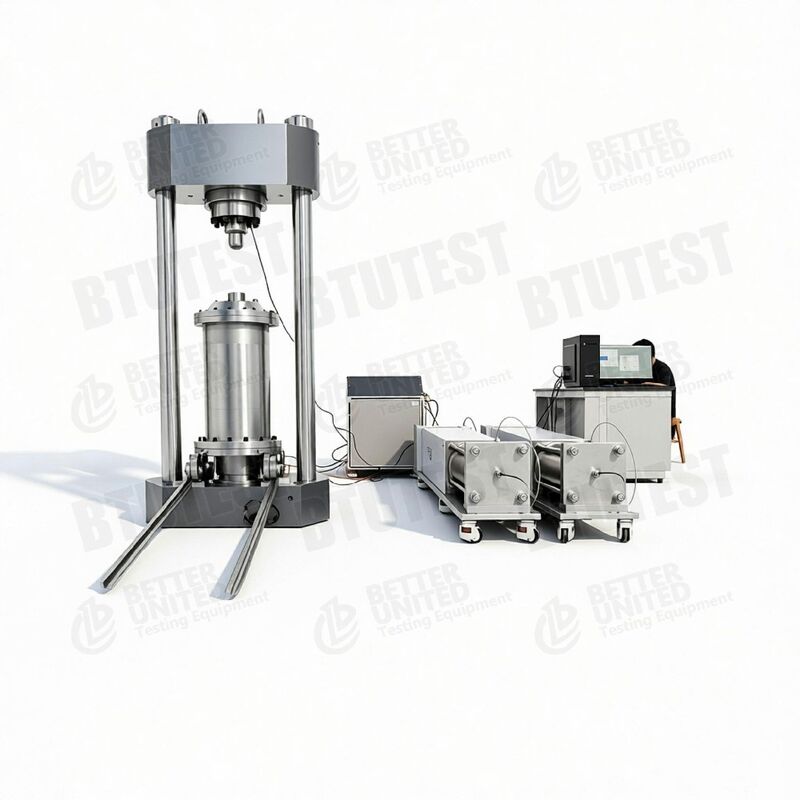
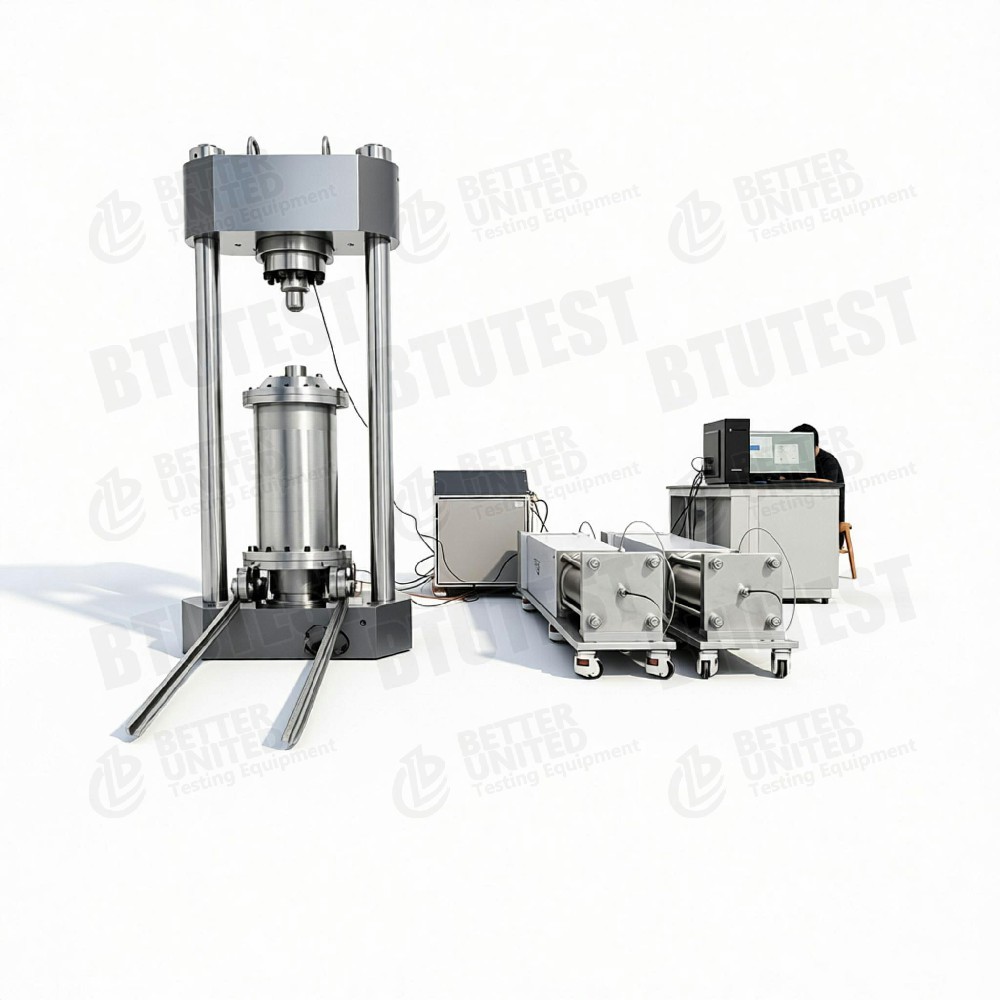
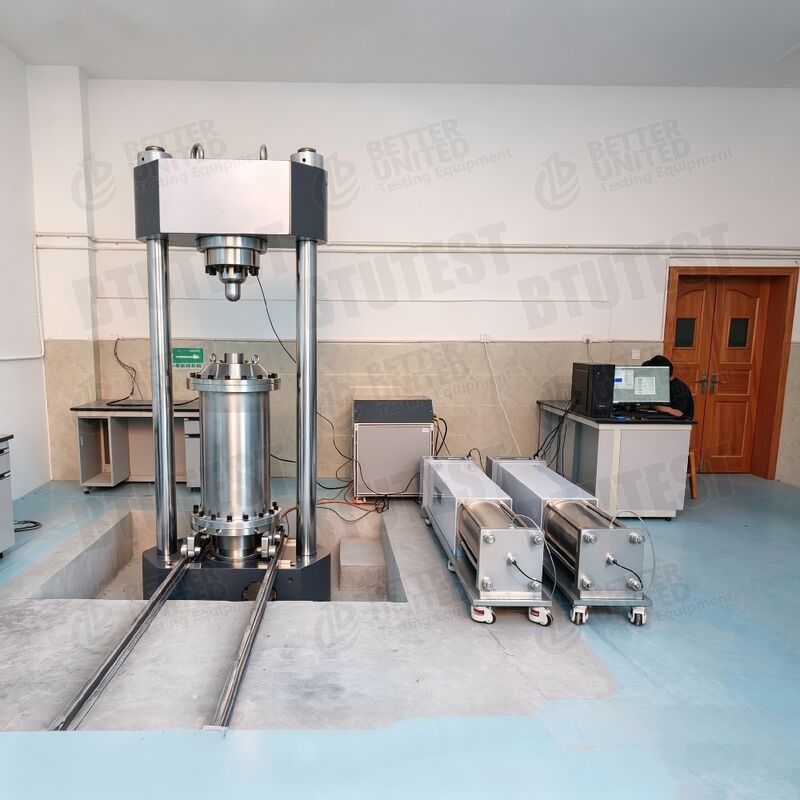
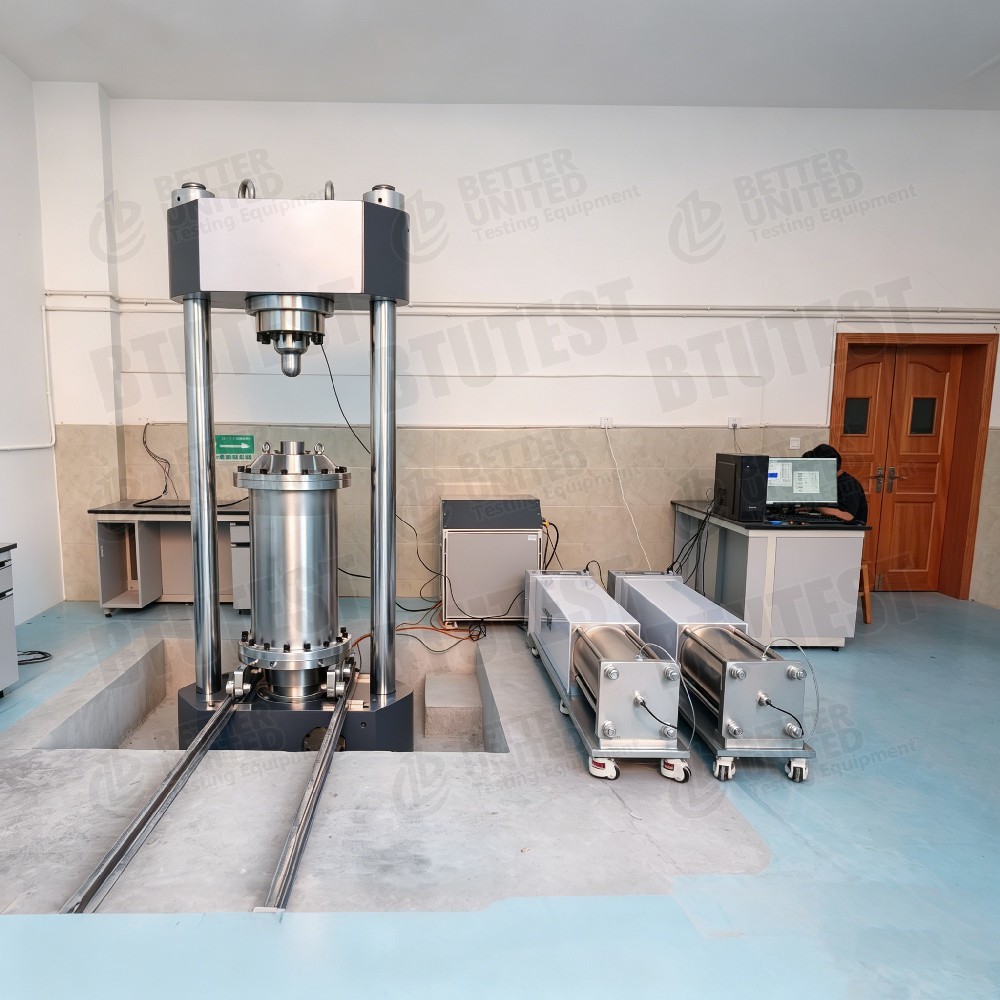
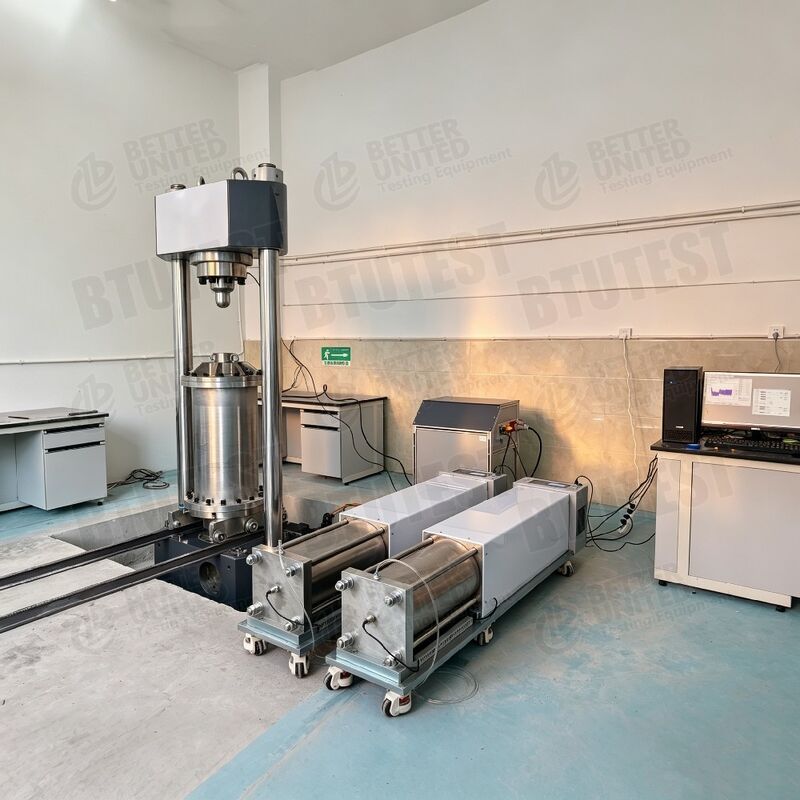
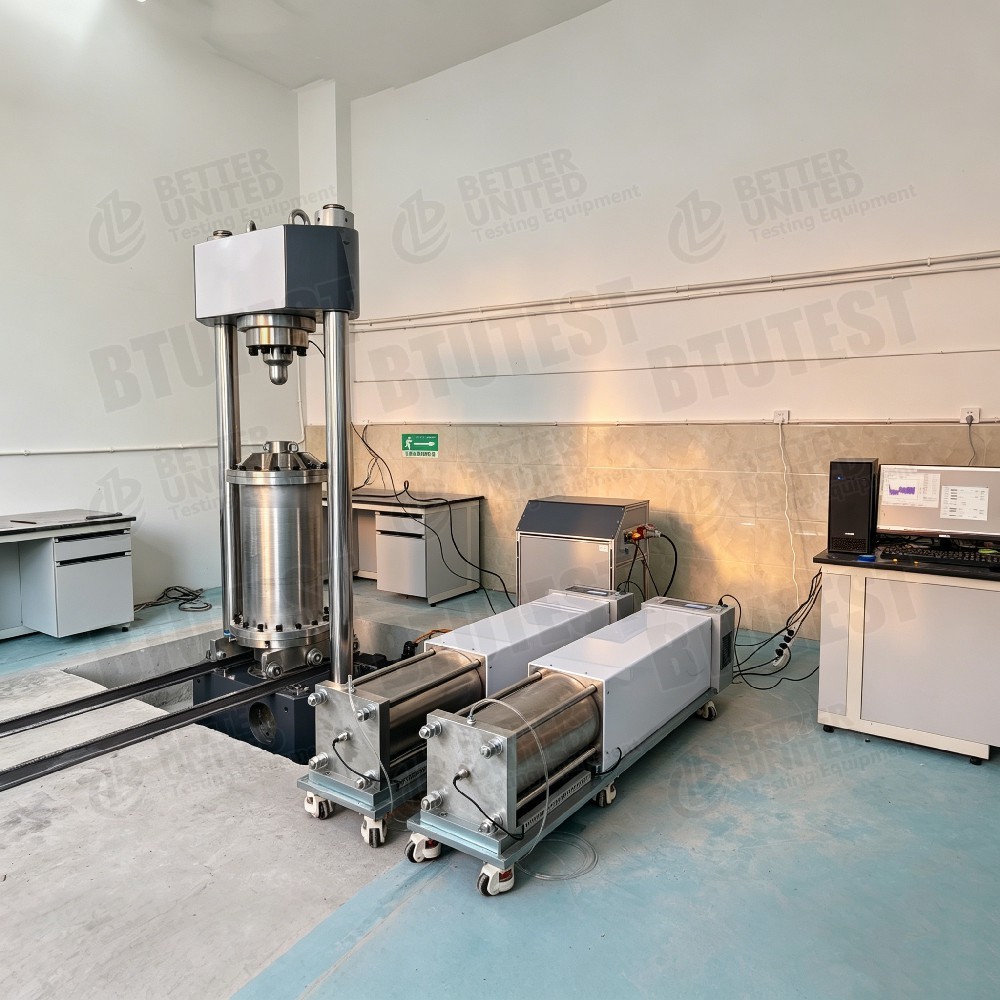
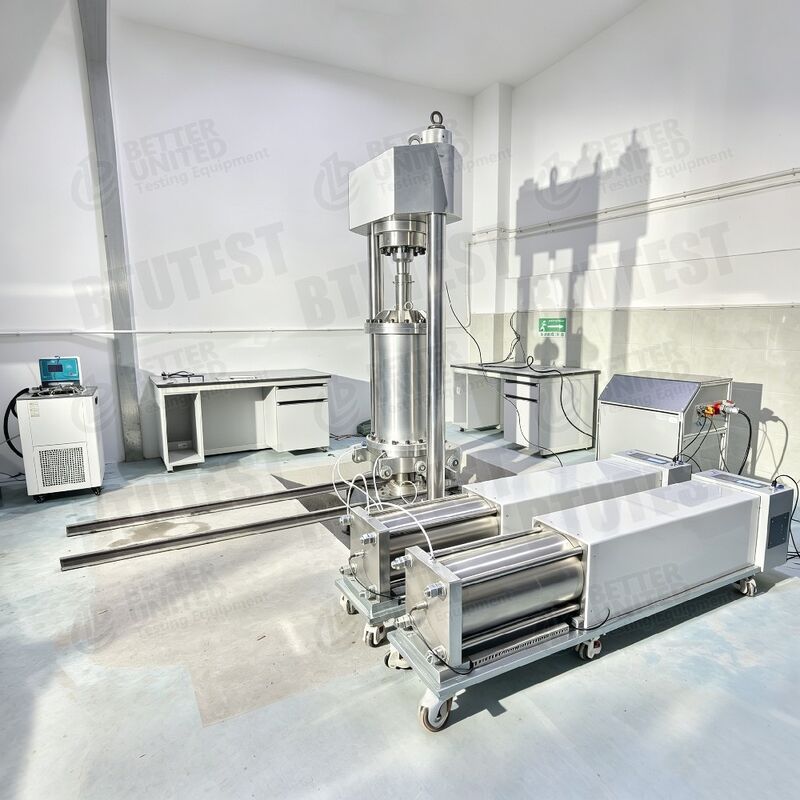
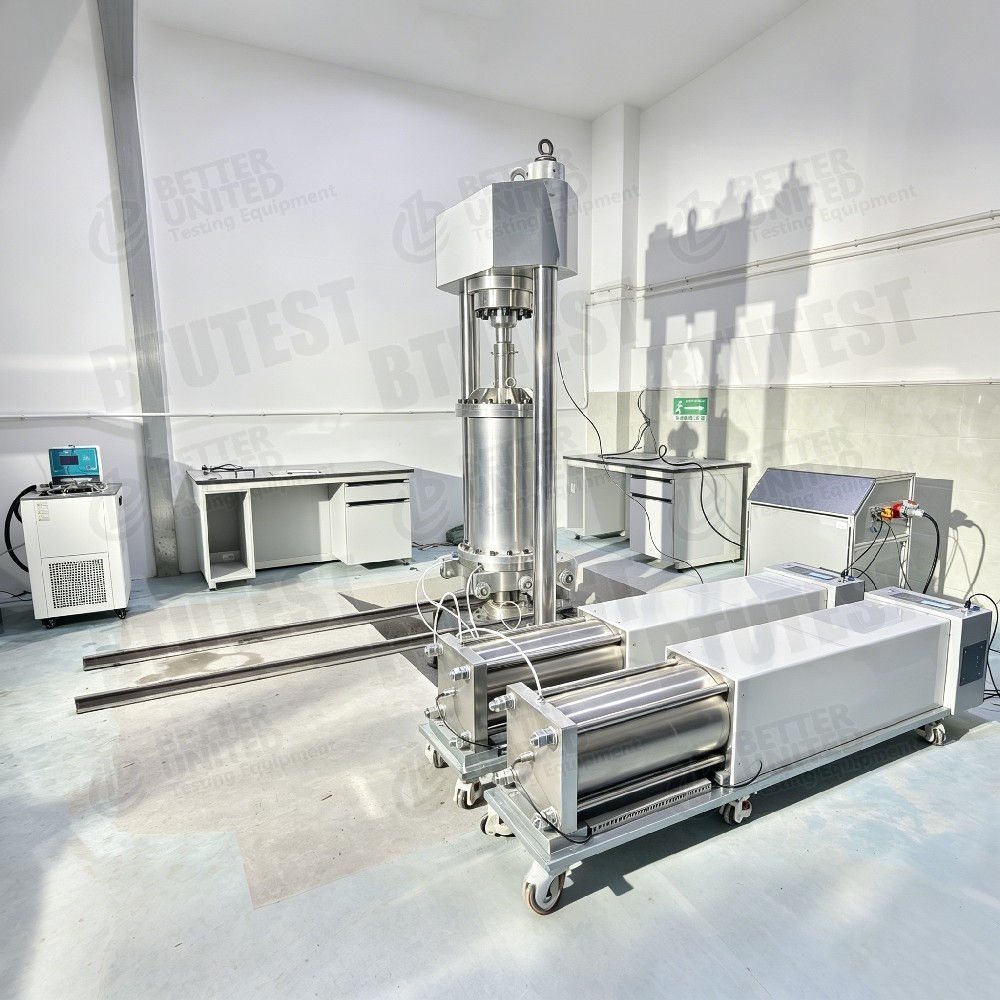
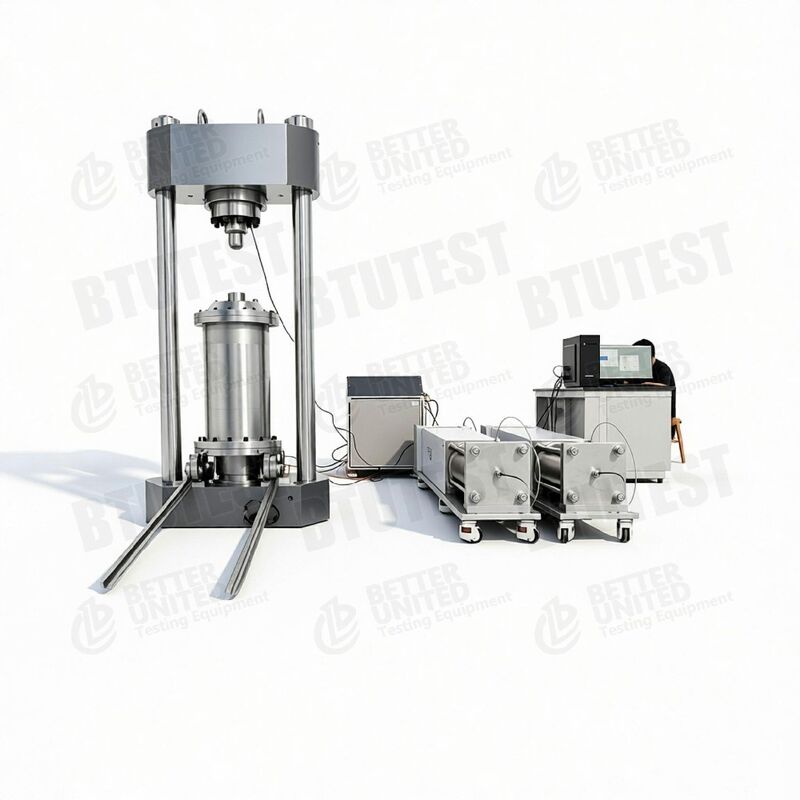
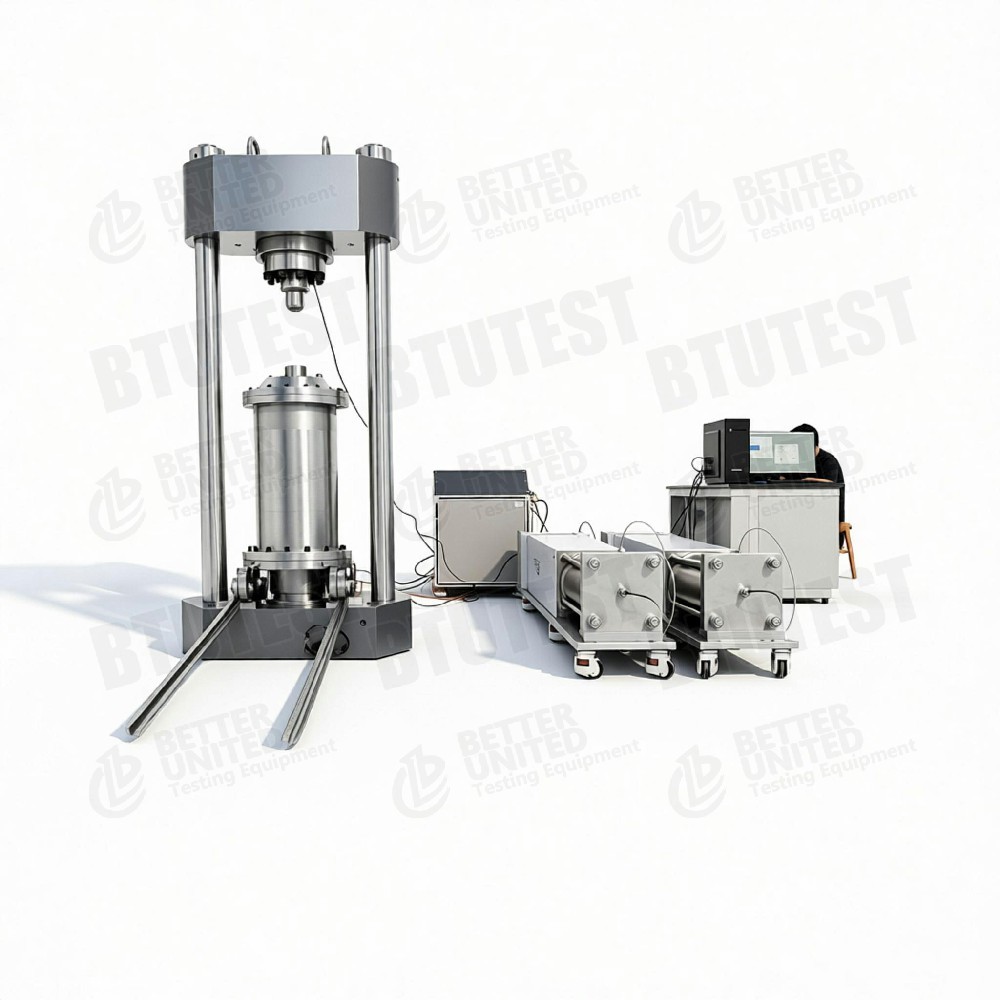
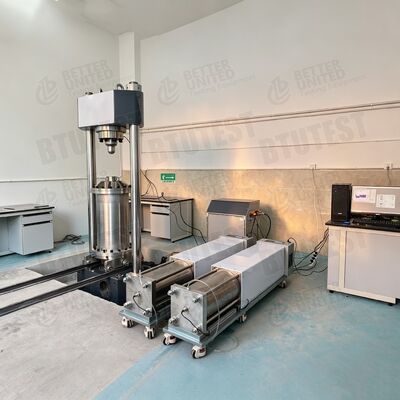
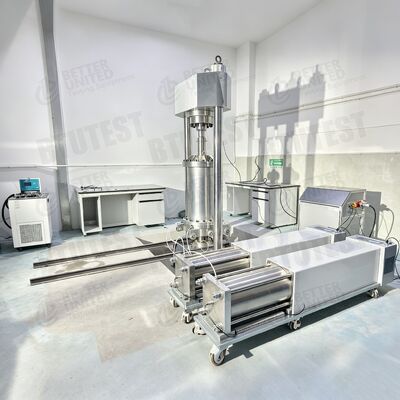
Large-Scale Triaxial Apparatus For Coarse-Grained Soil

Product Details:
Place of Origin: Made in China
Brand Name: BTUTEST
Certification: SGS, INTERTEK
Model Number: BTU-LTA
Payment & Shipping Terms:
Minimum Order Quantity: 1 set
Price: Negotiable
Packaging Details: Soil Testing Equipment Standard export wooden box
Delivery Time: 6 days after payment
Payment Terms: L/C, D/A, D/P, T/T, Western Union
Supply Ability: 100 sets per month
  • Detail Information
  • Product Description

Detail Information

Name: Large-Scale Triaxial Apparatus For Coarse-Grained Soil Warranty: 1 Year
Specimen Size: 300 Mm Dia. × 600 Mm Height Load Frame Capacity: 1500 KN (electro-servo) Or 250 KN (hydraulic Actuator)
Pressure Chamber Working Pressure: E.g., 1 MPa (safety Rating > 2× Working Pressure) Dynamic Loading Frequency: Up To 10 Hz

Product Description

Large-Scale Triaxial Apparatus For Coarse-Grained Soil

1. Description

This is a high-performance, servo-controlled large-scale triaxial testing system specifically designed for static and dynamic triaxial testing of coarse-grained geomaterials, including gravels, rockfills, railway ballast, and dam construction materials. Conventional geotechnical equipment often cannot meet the testing requirements for these materials due to the presence of large particles.
The system accommodates specimens up to300 mm in diameter and 600 mm in height, ensuring that the sample size is sufficient relative to the maximum particle size, thus yielding reliable and representative engineering parameters.
Supported capabilities include strain-controlled and stress-controlled triaxial tests (UU, CU, CD), stress path tests, high-pressure triaxial seepage tests, K₀ consolidation, anisotropic consolidation, and low-frequency cyclic loading with user-defined waveforms (e.g., sine, triangular, square, random, and imported seismic waves).
The system is fully automated via dedicated Windows-based test software that performs control, data acquisition, and real-time feedback. Key variables such as axial load, confining pressure, back pressure, and loading rate can be simultaneously, independently, and automatically controlled. Optional modules include triaxial creep testing, sensor calibration, and unsaturated soil testing using the axis-translation technique.
The apparatus complies with major international standards:ASTM D7181, ASTM D4767, ASTM D3999, BS 1377, and ISO 17892-8/9.


2. Test Standards

  • ASTM D7181
  • ASTM D4767
  • ASTM D3999
  • BS 1377
  • ISO 17892-8/9


These cover static triaxial, dynamic triaxial, and drained/undrained test methods for coarse-grained soils.


3. Specification

Parameter Typical Value / Range
Specimen size 300 mm dia. × 600 mm height
Load frame capacity 1500 kN (electro-servo) or 250 kN (hydraulic actuator)
Pressure chamber working pressure e.g., 1 MPa (safety rating > 2× working pressure)
Dynamic loading frequency Up to 10 Hz
Waveform support Sine, triangular, square, random, user-defined/seismic waves
Volume change resolution Down to 0.001 ml (for saturation uptake)
Power supply Standard 220 V, no external air compressor or hydraulic power pack (in many configurations)
Optional temperature range -30 °C ~ +80 °C Large-Scale Triaxial Apparatus For Coarse-Grained Soil 0
Optional high confining pressure Up to 100 MPa (for deep borehole or hydrate studies)


4. Detail

  • Loading control modes: Strain-controlled, stress-controlled, low-frequency cyclic loading.
  • Consolidation types: K₀ consolidation, anisotropic consolidation.
  • Advanced tests: High-pressure triaxial seepage, stress path tests, true triaxial (optional independent principal stress control).
  • Unsaturated soil testing: Axis-translation technique (ATT) with typical suction range 0–100 kPa.
  • Automation: Dedicated software for full automation, data acquisition, real-time feedback; optional motorized pressure chamber lifting and sliding mechanisms for easy specimen handling.
  • Sensors: High-precision measurement of axial load, displacement, pore water pressure, confining/back pressure, and volume change.
  • Optional add-ons:
    • Bender elements (P-wave and S-wave, vertical and horizontal configurations)
    • Local strain measurement (Hall-effect sensors or LVDTs)
    • Temperature control module (circulating bath)
    • Hydraulic load frame option (for high-frequency 10 Hz dynamic testing, e.g., railway ballast and seismic simulations)


5. Application

  • Research on engineering properties of coarse-grained soils (gravels, rockfills, railway ballast, dam construction materials)
  • Determination of static and dynamic parameters for high earth-rockfill dams, subgrades, foundations, and reclamation projects
  • Stress path simulation, permeability characterization, liquefaction potential assessment
  • Unsaturated soil behavior
  • Frozen soil, hydrates, deep geotechnical engineering (with high-pressure option)
  • Large deformation response under seismic wave loading


6. Advantages

  • Large specimen size: 300 mm × 600 mm ensures representative particle-to-specimen size ratio.
  • High stiffness and high load capacity: up to 1500 kN for testing dense, strong coarse-grained soils.
  • Versatile loading: supports static, dynamic, stress path, K₀, anisotropic consolidation, etc.
  • High-precision measurement: volume change resolution down to 0.001 ml for accurate saturation monitoring.
  • High automation: software-controlled operation minimizes human error.
  • Self-contained operation: most configurations require no external compressor or hydraulic unit; runs quietly on 220 V.
  • Strong expandability: optional true triaxial, temperature control, bender elements, unsaturated soil, high-pressure modules, etc.
  • Complies with major international standardsfor globally recognized results.


7. Parameter

Parameter Value / Range
Specimen diameter 300 mm
Specimen height 600 mm
Maximum axial load 1500 kN (electro-servo) or 250 kN (hydraulic)
Dynamic frequency Up to 10 Hz
Confining pressure (standard) 1 MPa (safety ≥2 MPa)
Confining pressure (high-pressure option) Up to 100 MPa
Temperature option -30 °C ~ +80 °C or +100℃
Suction range (unsaturated) 0–100 kPa (axis-translation technique)
Volume change resolution 0.001 ml
Power supply 220 V


8. What To Choose (Configuration Guidance)

  • Basic configuration: Standard load frame (e.g., 250 kN or 1500 kN), 300 mm pressure chamber – suitable for conventional static triaxial tests (CU, CD) and permeability tests on coarse-grained soils.
  • Dynamic testing required: Choose hydraulic load frame (10 Hz) with support for sine, seismic waves, etc. – ideal for ballast and seismic liquefaction studies.
  • Unsaturated soil testing: Add axis-translation suction control module.
  • Small-strain modulus required: Add bender elements (P/S wave) and Hall-effect local strain sensors.
  • Complex stress path: Choose true triaxial option (independent σ₁, σ₂, σ₃ control).
  • Environmental simulation: Add temperature control module Large-Scale Triaxial Apparatus For Coarse-Grained Soil 1 for frozen or elevated temperature testing.
  • Extremely high confining pressure(e.g., deep rock or hydrates): Choose high-pressure option (up to 100 MPa).


Users can combine the above modules according to research objectives and budget.


9. Process Flow

The document does not provide a specific flow chart. A typical process for large-scale coarse-grained triaxial testing (inferred from system capabilities) is as follows:


  • Specimen preparation: Prepare a 300 mm dia. × 600 mm high coarse-grained soil specimen (e.g., by layer compaction or vibration).
  • Specimen installation: Place specimen on the pressure chamber base; assemble porous stones, filter paper, rubber membrane; seal and connect pore pressure and back pressure lines.
  • Saturation: Apply confining and back pressure; perform CO₂ flushing, de-aired water saturation, and B-value check (≥0.95 is acceptable).
  • Consolidation: Apply target confining pressure – isotropic, K₀, or anisotropic consolidation; record volume change.
  • Loading stage:
    • Static test: Strain-controlled or stress-controlled loading (rate adjustable) until failure or target strain.
    • Dynamic test: Set waveform, frequency, number of cycles for low-frequency cyclic loading.
    • Stress path test: Simultaneously control axial stress and confining pressure according to a preset path.
  • Data acquisition: Automatically record axial load, displacement, pore pressure, confining pressure, and volume change throughout the test.
  • Termination: Automatic stop when end condition is reached (e.g., strain limit, cycle count, or liquefaction). Unload and dismantle specimen.
  • Data processing and reporting: Software automatically plots stress-strain curves, pore pressure vs. cycles, effective stress paths, etc., and outputs a test report.

Get in touch with us

Enter Your Message

You Might Be Into These