
logo
Send Message
Hebei Better United Import And Export Co., Ltd.

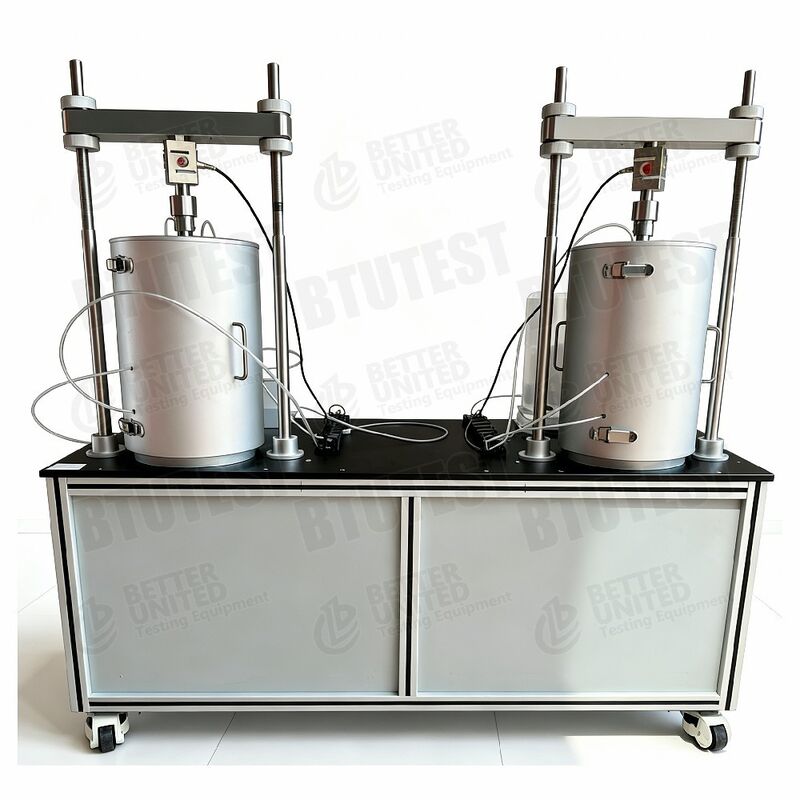
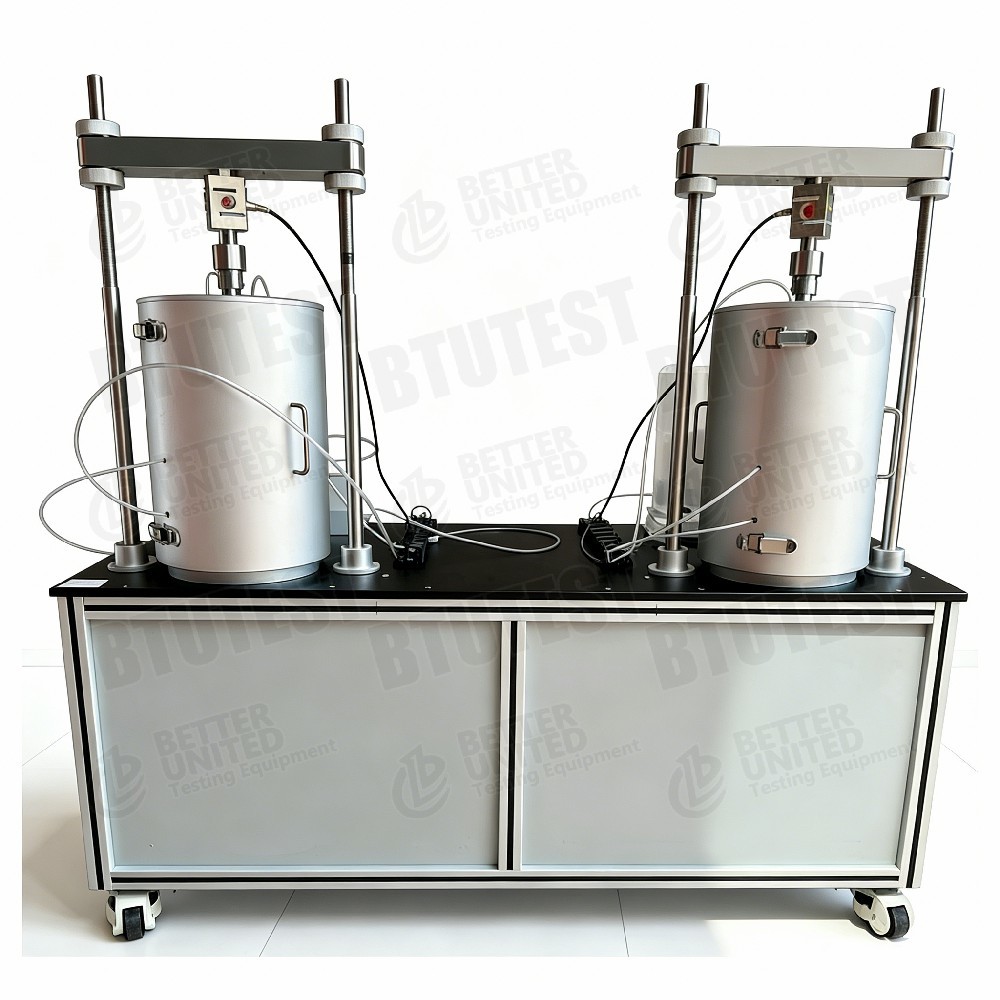
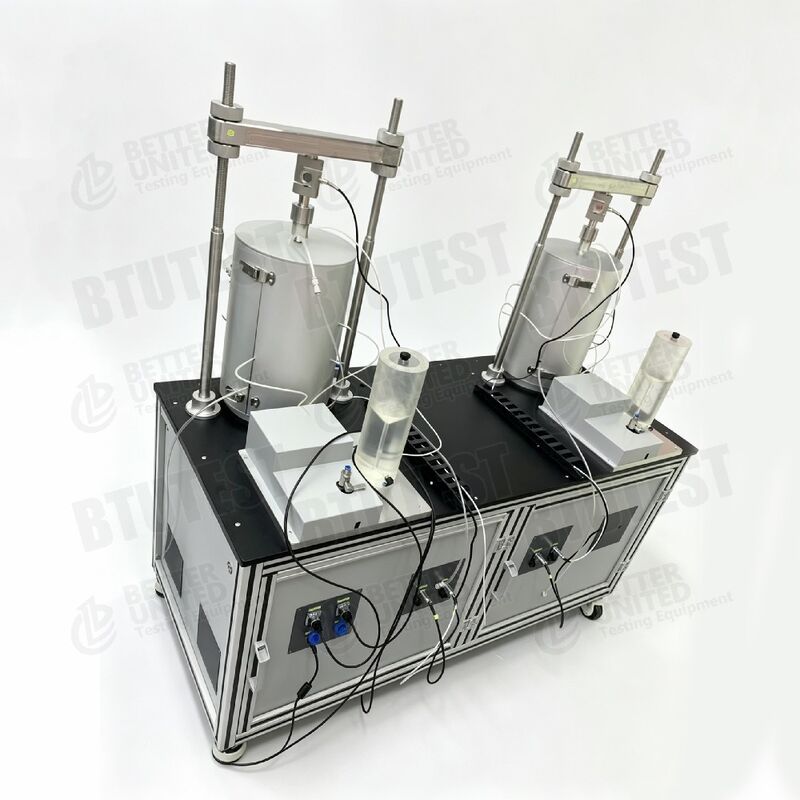
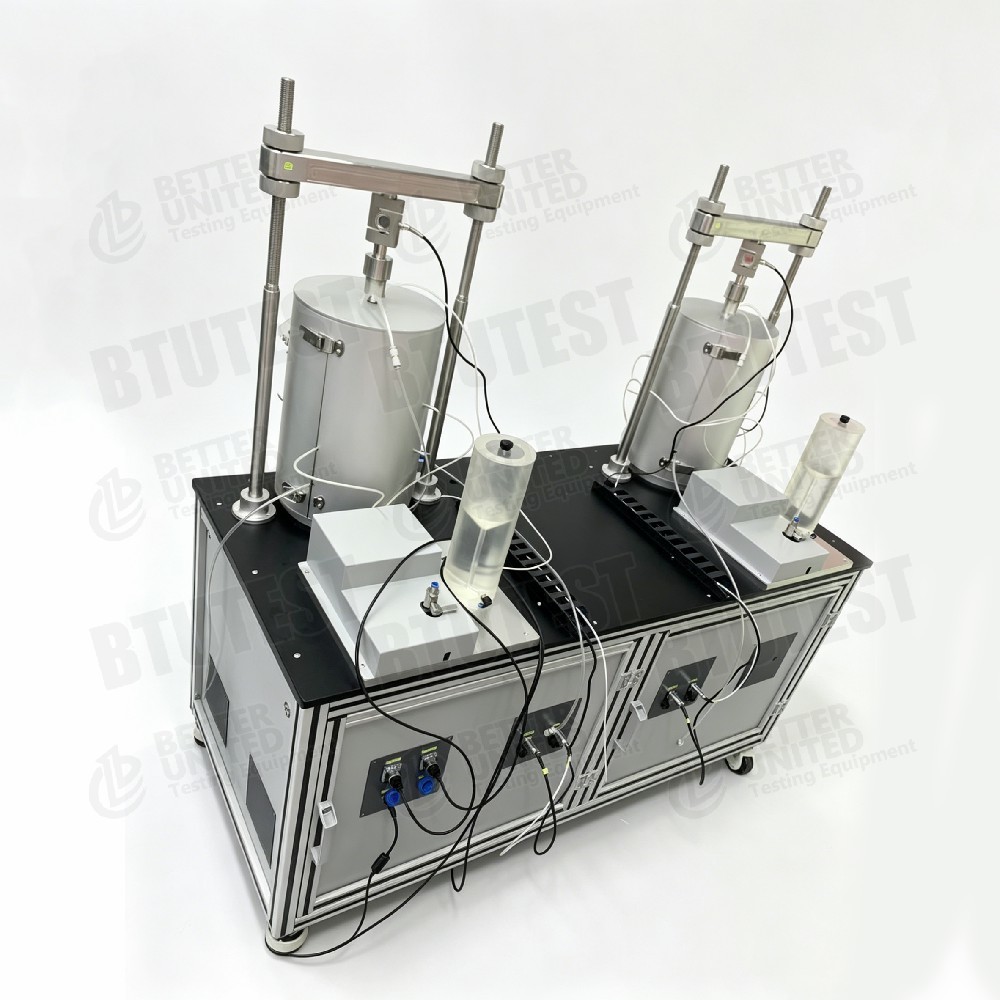
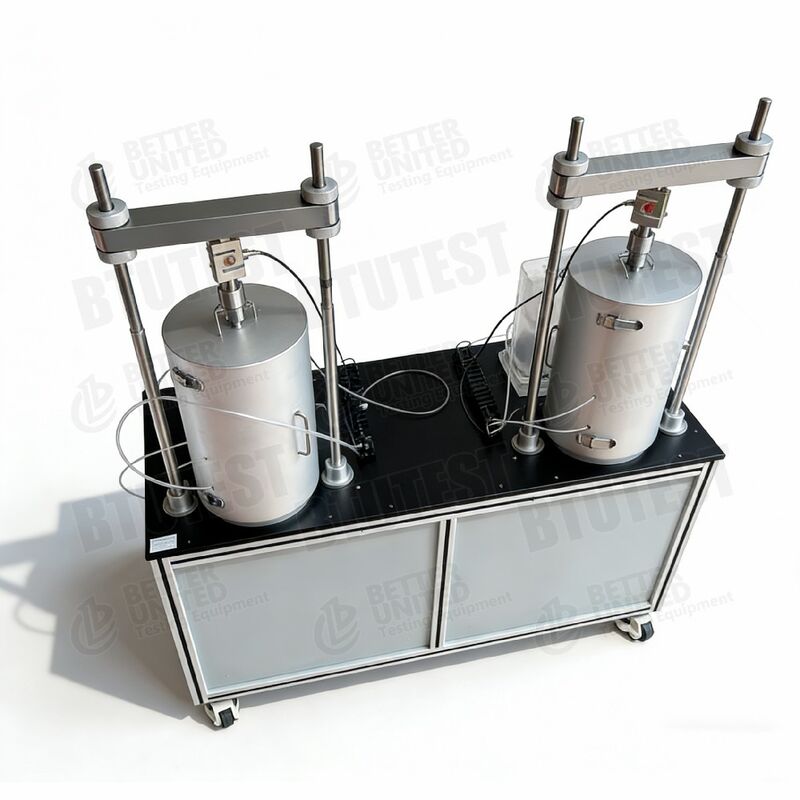
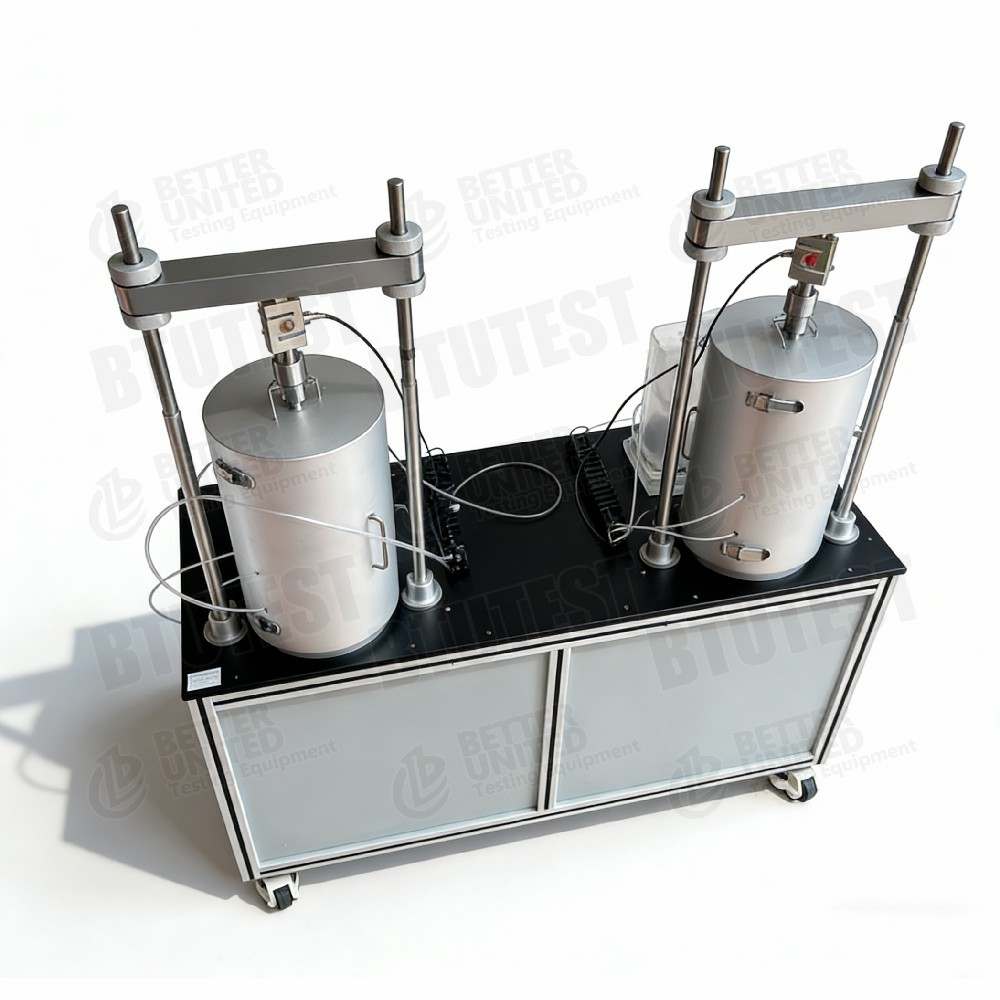
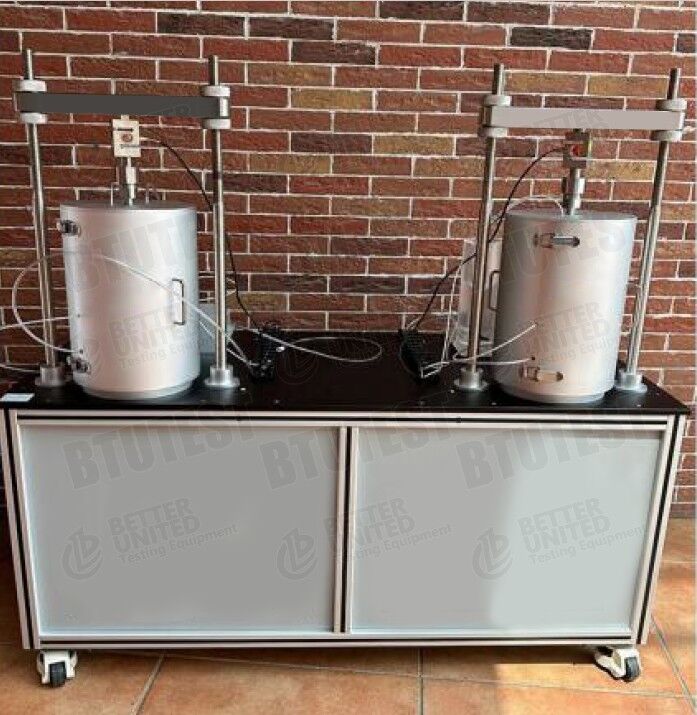
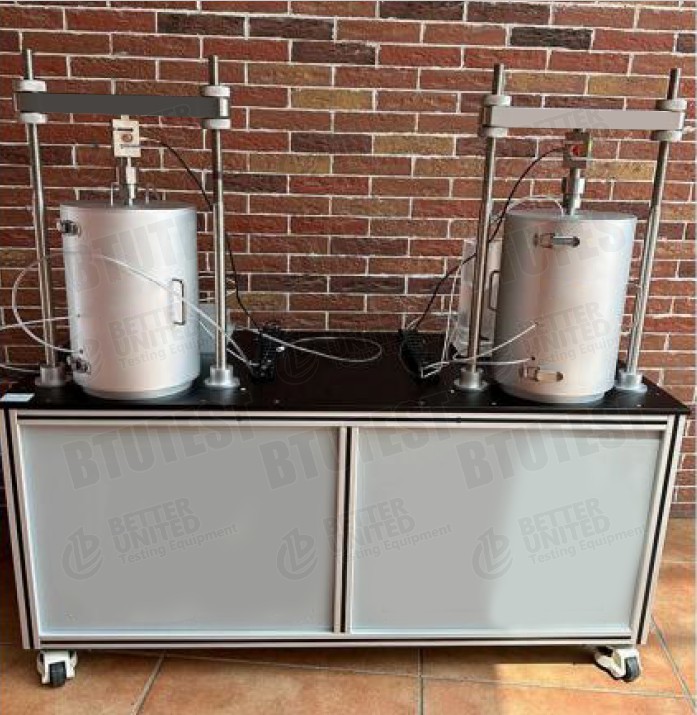
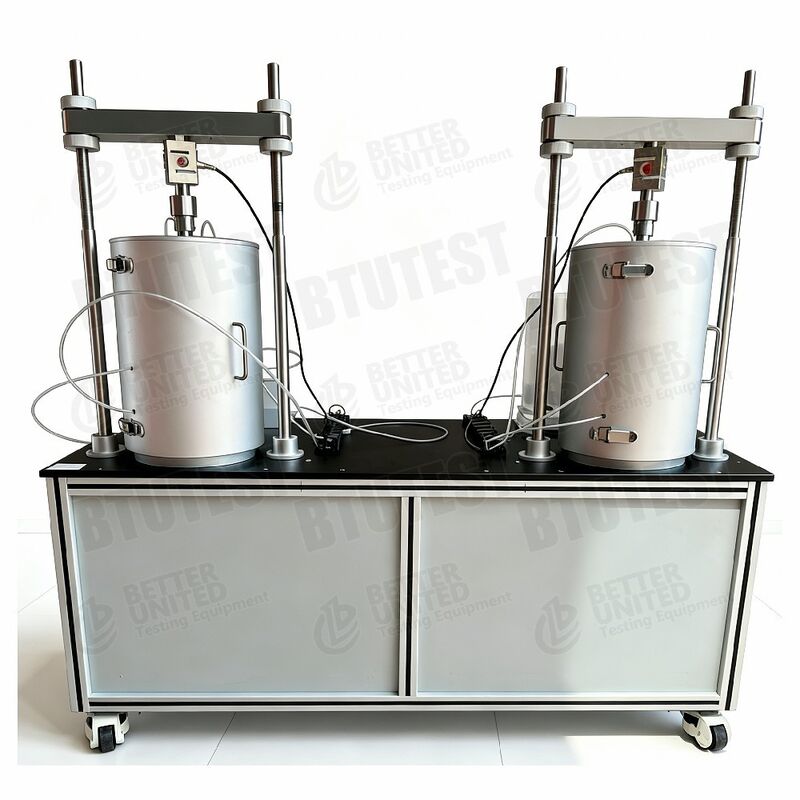
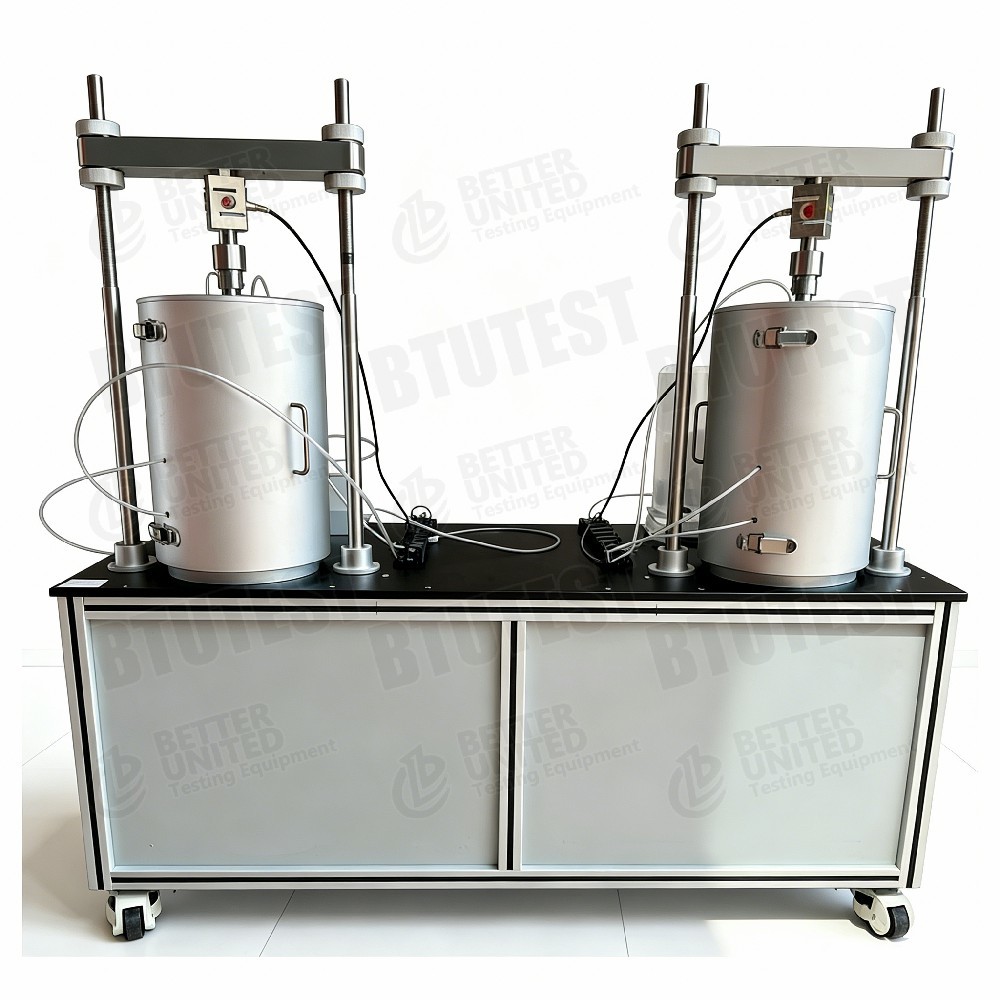
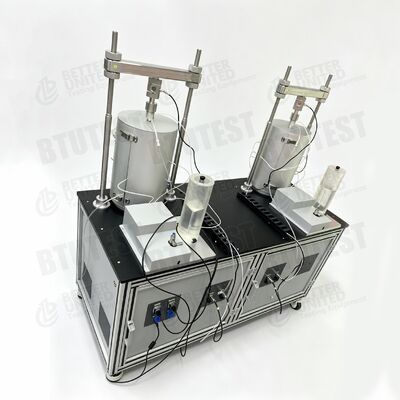
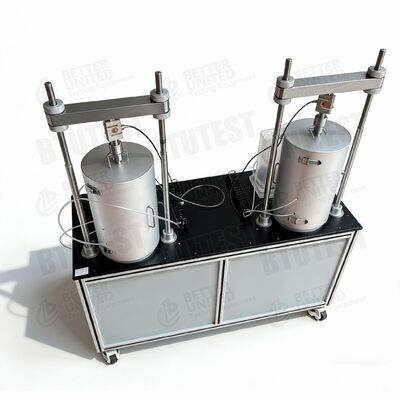
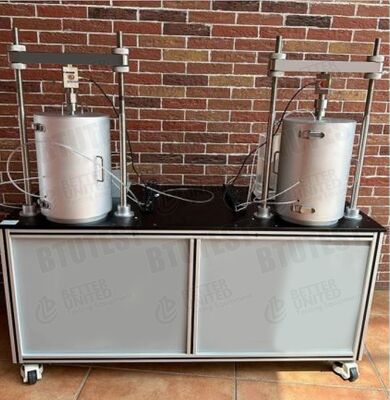
Automatic Temperature-Controlled Unsaturated Soil Triaxial Apparatus

Product Details:
Place of Origin: Made in China
Brand Name: Btutest
Certification: SGS, INTERTEK
Model Number: BTU-TTS-1UT
Payment & Shipping Terms:
Minimum Order Quantity: 1
Price: Negotiable
Packaging Details: Standard export wooden box Soil Testing Equipment
Delivery Time: 5-8 work days
Payment Terms: L/C, D/A, D/P, T/T, Western Union
Supply Ability: 3000 sets per month
  • Detail Information
  • Product Description

Detail Information

Product Name: Automatic Temperature-Controlled Unsaturated Soil Triaxial Apparatus Model: BTU-TTS-1UT
Dual-chamber Pressure Cell: Max. Pressure 2MPa Axial Load Capacity: Max. 10kN, Accuracy ±0.1% F.S
Axial Stroke: Max. 100mm

Product Description

1. Description

This equipment is a Fully Automatic Temperature-Controlled Unsaturated Soil Triaxial Apparatus (Multi-unit capable), model BTU-TTS-1UT. It is a specialized device that integrates a temperature control system into an unsaturated soil triaxial apparatus, enabling complex coupled tests involvingstress path, temperature control, and drying-wetting cycles. The system adopts a dual-chamber pressure cell, high-precision pressure/volume controllers, and four-dimensional control software (axial stress, radial stress, pore air pressure, pore water pressure). It is suitable for studying thermo-hydro-mechanical coupled behaviour in environmental geotechnical engineering.

2. Test Standards

TheBTU-TTS-1UT Fully Automatic Temperature-Controlled Unsaturated Soil Triaxial Apparatus (Multi-unit capable)is designed and manufactured to meet or exceed the requirements of the following latest international standards:

  • ASTM D6836-25— Soil Water Characteristic Curve (SWCC) Determination
  • ASTM D5298-16— Measurement of Soil Potential (Suction) Using Filter Paper
  • ASTM D3999-11— Modulus and Damping Properties of Soils Using Cyclic Triaxial Apparatus (includes unsaturated soil)
  • ASTM D7012-23— Compressive Strength and Elastic Moduli under Varying Stresses and Temperatures
  • ASTM D4767-11(2020)— Consolidated Undrained (CU) Triaxial Compression Test
  • ASTM D7181-20— Consolidated Drained (CD) Triaxial Compression Test
  • ASTM D2850-26— Unconsolidated-Undrained (UU) Triaxial Compression Test
  • ISO 17892-9:2018— Consolidated triaxial compression tests on water saturated soils
  • ASTM D2434-26— Constant Head Permeability of Coarse-Grained Soils
  • ASTM D5084-24— Hydraulic Conductivity Using Flexible Wall Permeameter
  • EN ISO 17892-8:2018— Unconsolidated undrained triaxial test (European)
  • BS 1377-7:1990— Shear strength tests (total stress / stress path)

3. Specification (Parameter)

Parameter Specification
Model BTU-TTS-1UT
Specimen size Ø39.1mm × H80mm
Dual-chamber pressure cell Max. pressure 2MPa
Cell pressure/volume controller 0~2 MPa, resolution 1kPa, absolute accuracy ±1kPa
Pore water pressure/volume controller 0~2 MPa, resolution 1kPa, absolute accuracy ±1kPa
Axial load capacity Max. 10kN, accuracy ±0.1% F.S
Axial stroke Max. 100mm
Loading speed 0.00001~10 mm/min, stepless adjustment, with fast forward/rewind
Pore air pressure controller 0.001~900kPa, absolute accuracy ±1kPa, resolution 0.1kPa
Ceramic disk 500kPa high air-entry value (imported from the USA)
Temperature control range -5℃ ~ +100℃, accuracy ±0.1℃
Software version BTU V3.11, includes 4D control, drying-wetting cycles, creep modules
Multi-unit capable Supports parallel connection of multiple pressure cells


Software modules: Data acquisition, unsaturated soil consolidation, unsaturated soil strain triaxial testing, unsaturated soil stress path, four-dimensional control, unsaturated soil triaxial creep, drying-wetting cycle test module, temperature control test equipment.

4. Detail (technical details)

  • Dual-chamber pressure cell: Designed for drying-wetting cycle tests, enabling independent or simultaneous loading of inner and outer chambers during drying and wetting processes.
  • Four-dimensional control: The software can independently control axial stress, radial stress (cell pressure), pore air pressure, and pore water pressure, achieving true multi-field coupled testing.
  • High-precision volume controllers: Cell and pore water controllers have a resolution of 1kPa and absolute accuracy of ±1kPa; pore air pressure controller has accuracy ±1kPa and resolution 0.1kPa.
  • Axial loading system: Maximum thrust 10kN, accuracy ±0.1% F.S; speed range 0.00001~10 mm/min, stroke 100mm, with fast forward/rewind function.
  • Temperature control system: -5℃ ~ +100℃, accuracy ±0.1℃, capable of simulating freezing-thawing, high temperature, constant temperature, and other thermal conditions.
  • Drying-wetting cycle module: Supports drying (increase air pressure / decrease water pressure) and wetting (decrease air pressure / increase water pressure) cycles, combined with stress path and temperature control – suitable for climatic environmental geotechnics.
  • Multi-unit capable: Suggests the ability to connect multiple pressure cells in parallel for simultaneous testing of multiple specimens.

5. Application

  • Environmental geotechnical engineering: soil mechanical response under coupled drying-wetting cycles and temperature variations
  • Climate change and infrastructure: effects of rainfall-evaporation cycles on slopes, subgrades, landfill covers
  • Freeze-thaw studies: unsaturated soil behaviour at sub-zero temperatures (-5℃)
  • Nuclear waste repository buffer materials: thermo-hydro-mechanical coupling (e.g., bentonite)
  • Foundation treatment in hot and humid regions: soil strength and deformation under high temperature and high humidity
  • Energy piles and ground source heat pumps: influence of temperature on pile-soil interface mechanical properties
  • Teaching and cutting-edge research: multi-field coupled soil mechanics instruction and research

6. Advantages

  • Wide temperature range: -5℃ ~ +100℃, covering both freezing-thawing and high-temperature scenarios
  • Truly fully automatic temperature-controlled unsaturated soil triaxial apparatus: no manual intervention required for temperature and suction paths
  • Dual-chamber pressure cell: specifically designed for drying-wetting cycles, accurate volume change measurement
  • Four-dimensional independent control: axial stress, cell pressure, pore air pressure, pore water pressure – each independently controlled
  • High-precision sensors and controllers: pressure accuracy ±1kPa, thrust accuracy ±0.1% F.S
  • Rich software modules: includes consolidation, strain triaxial, stress path, creep, drying-wetting cycles, temperature control
  • Multi-unit capable: supports parallel connection of multiple pressure cells for higher testing efficiency
  • Imported ceramic disk: 500kPa high air-entry value, stable performance

8. What To Choose (selection guide)

Requirement Recommended configuration Reason
Only routine unsaturated soil stress path tests TTS-U series may suffice TTS-1UT has excess functionality, higher cost
Need drying-wetting cycles + triaxial shearing TTS-1UT + drying-wetting module Core advantage of this model
Need sub-zero (freeze-thaw) testing TTS-1UT (-5℃ temperature control) Covers below-zero temperatures
Need high temperature (e.g., >50℃) simulation TTS-1UT (up to ~100℃) Suitable for geothermal or extreme climate studies
Need four-dimensional control (stress + air + water pressures) TTS-1UT standard configuration Software already includes this
Need to test multiple specimens simultaneously Multi-unit configuration (multiple pressure cells) Improves efficiency
Teaching laboratory comprehensive demonstration Single-unit TTS-1UT Full functionality, suitable for demonstrations


9. Process Flow

  • Specimen preparation→ Prepare an unsaturated soil specimen of Ø39.1mm × H80mm
  • Install ceramic disk and specimen→ Install the high air-entry ceramic disk (pre-saturated) and place into the dual-chamber pressure cell
  • Set temperature→ Set target temperature (e.g., -5℃ or +60℃); wait for temperature to stabilize (accuracy ±0.1℃)
  • Saturation and suction equilibrium→ Apply pore air pressure and pore water pressure using axis translation technique to reach target matric suction
  • Drying-wetting cycles (optional)→ Perform drying (increase air pressure / decrease water pressure) and wetting (decrease air pressure / increase water pressure) according to a programmed sequence; record volume and water content changes
  • Consolidation stage→ Apply net cell pressure; record volume change
  • Shearing or stress path stage→ Perform constant strain shearing or custom stress path (four-dimensional control)
  • Creep stage (optional)→ Maintain constant stress; record creep deformation
  • Data acquisition→ Record throughout: axial stress, radial stress, pore air pressure, pore water pressure, volume change, temperature, displacement, axial force
  • Post-processing→ Software generates stress-strain curves, suction path diagrams, drying-wetting cycle effect curves, temperature influence curves, etc.
  • Multi-unit extension (if applicable)→ If using a multi-unit system, conduct parallel or comparative tests on multiple specimens simultaneously

Get in touch with us

Enter Your Message

You Might Be Into These