
logo
Send Message
Hebei Better United Import And Export Co., Ltd.

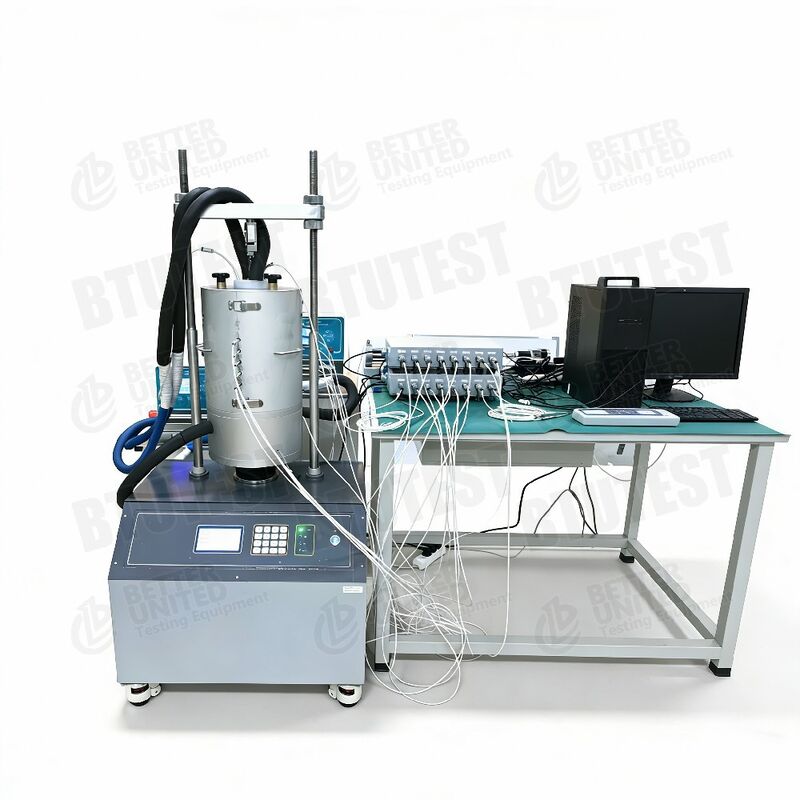
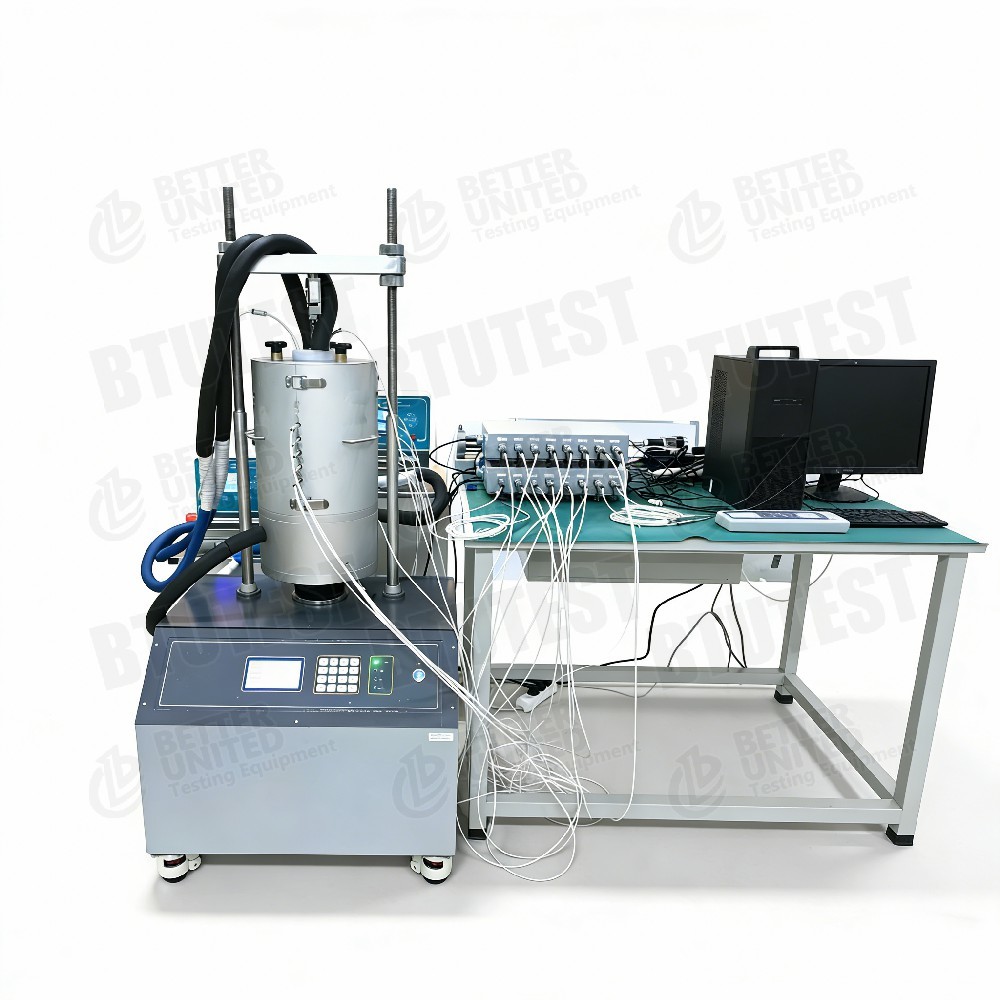
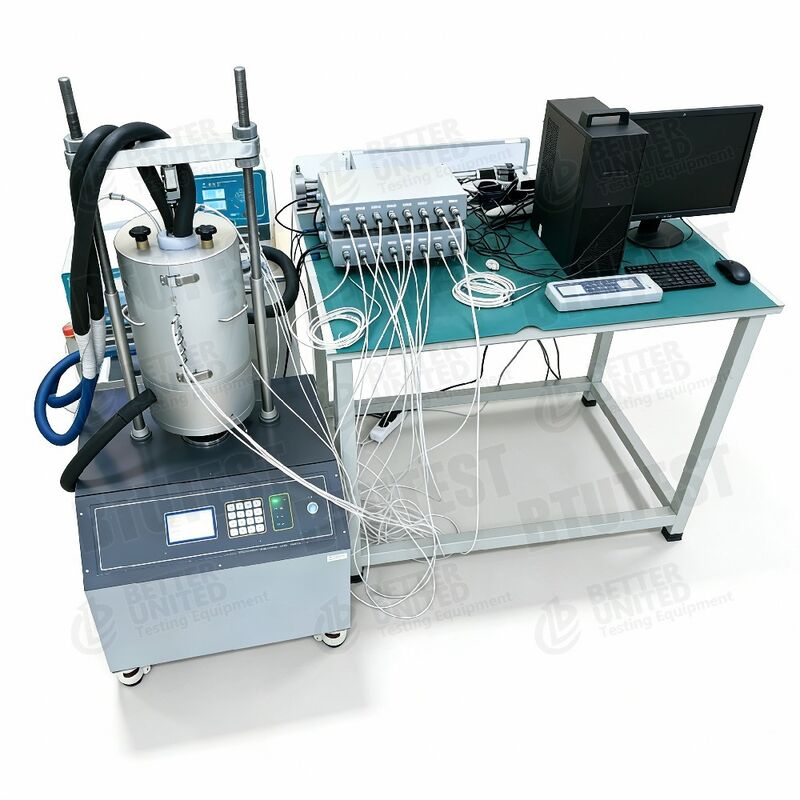
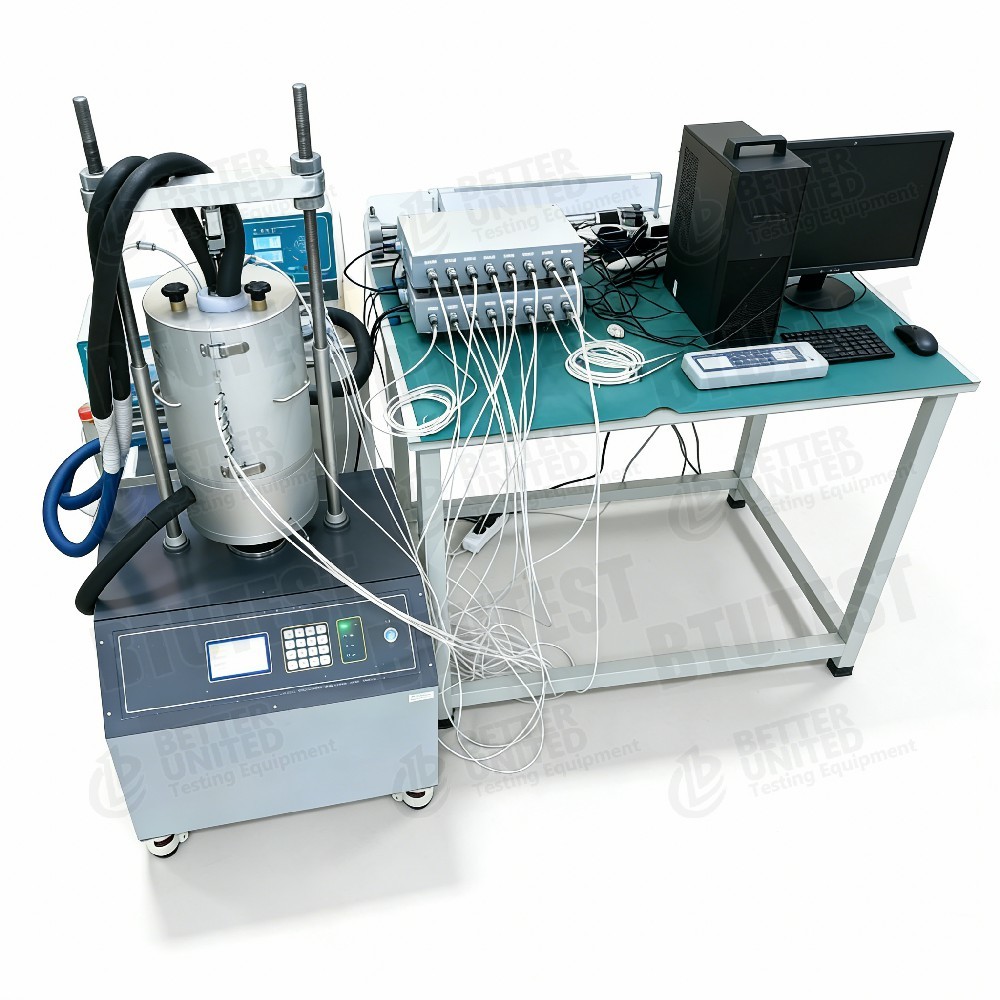
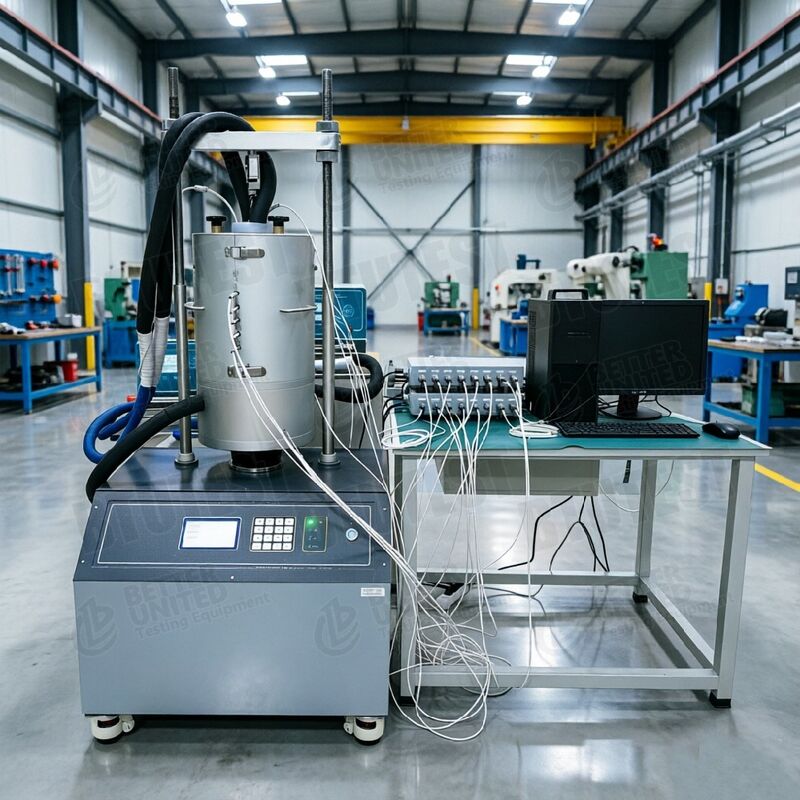
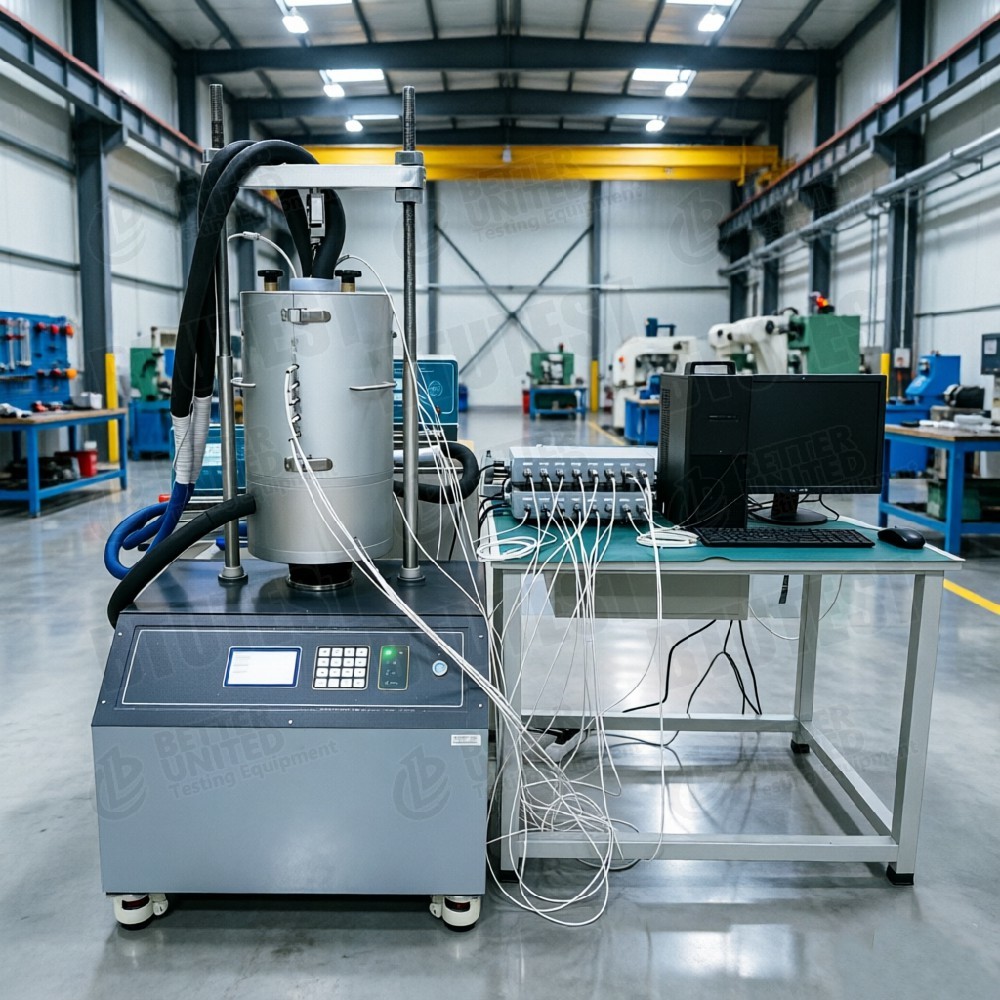
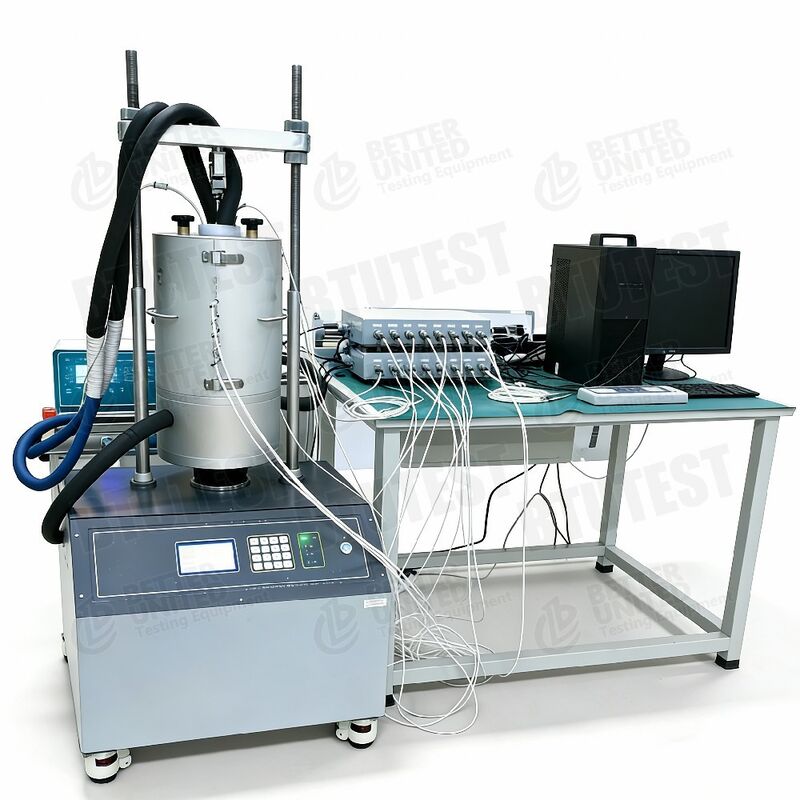
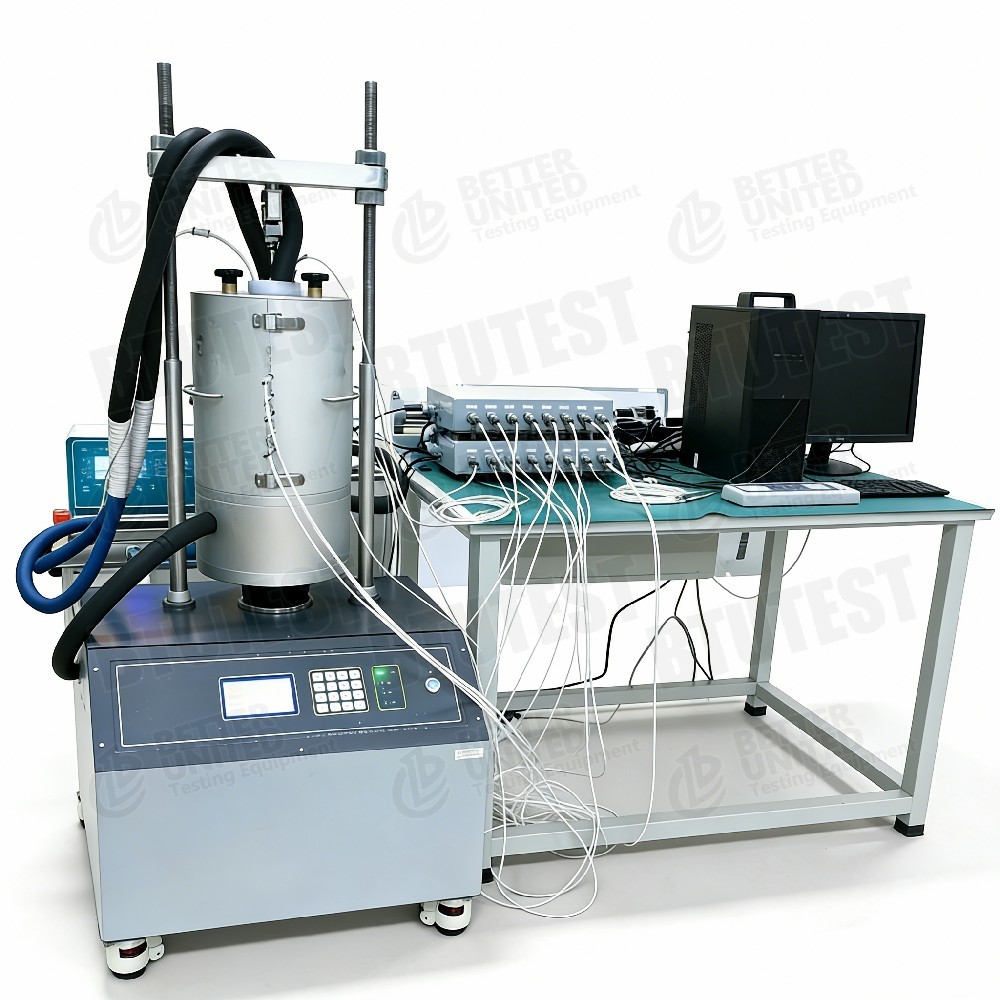
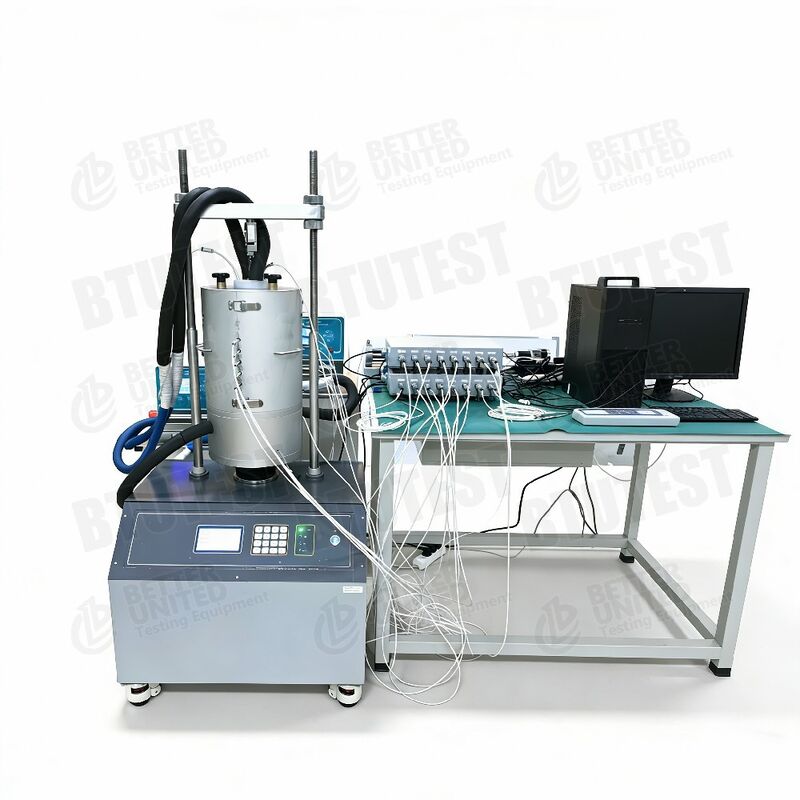
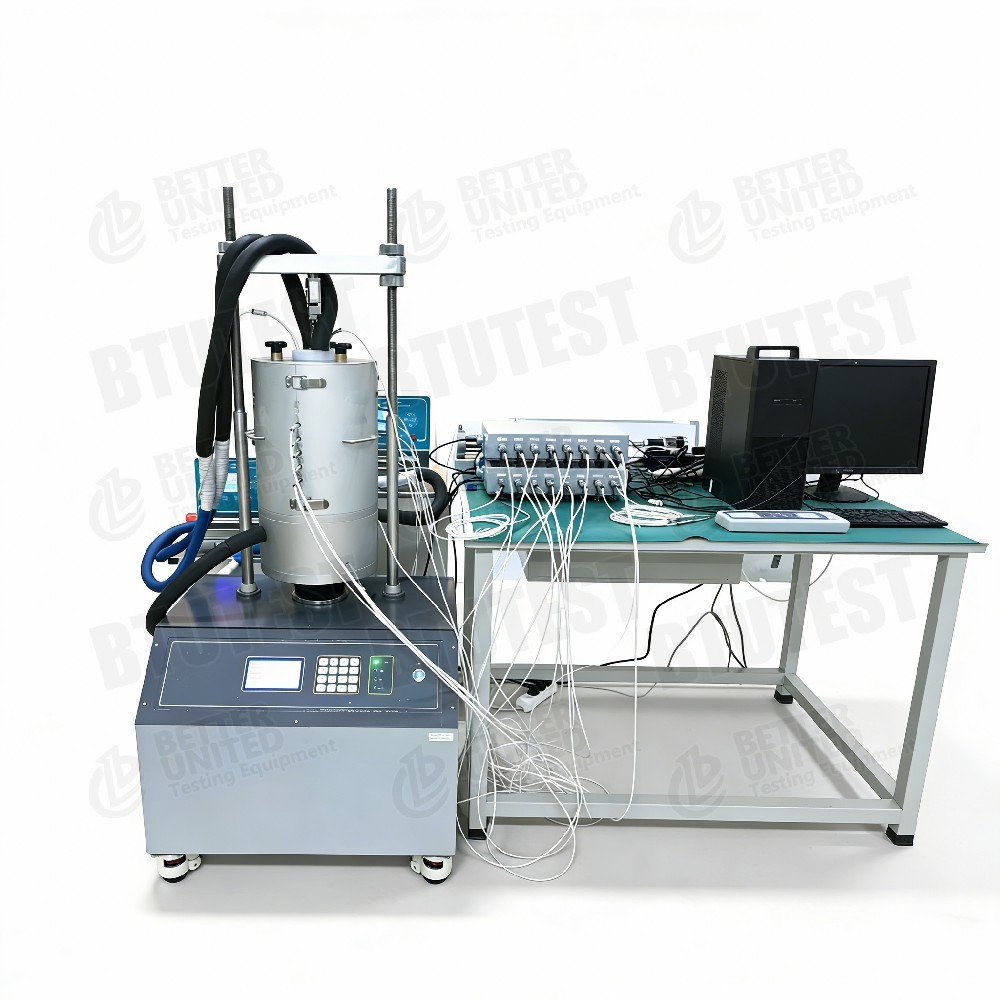
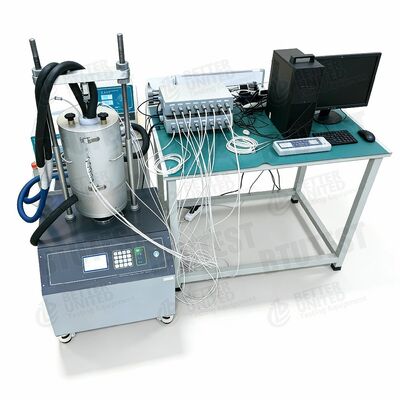
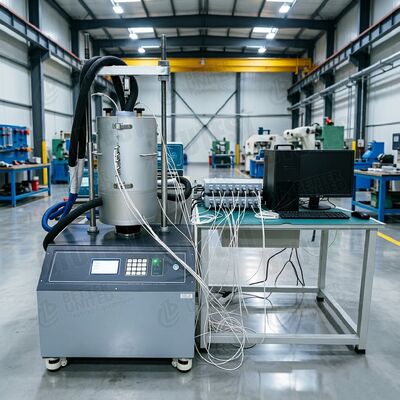
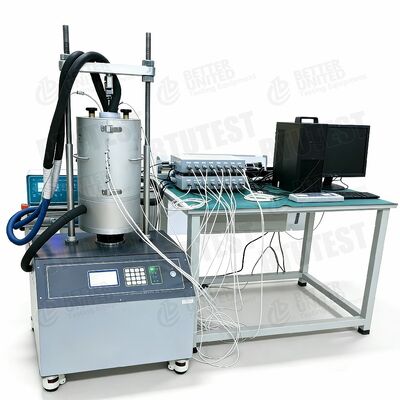
Automatic Soil Freezing Process Tester

Product Details:
Place of Origin: Made in China
Brand Name: Btutest
Certification: SGS, INTERTEK
Model Number: BTU-FHA-1
Payment & Shipping Terms:
Minimum Order Quantity: 1
Price: Negotiable
Packaging Details: Soil Testing Equipment Standard export wooden box
Delivery Time: 5-8 work days
Payment Terms: L/C, D/A, D/P, T/T, Western Union
Supply Ability: 3000 sets per month
  • Detail Information
  • Product Description

Detail Information

Product Name: Automatic Soil Freezing Process Tester Model: BTU-FHA-1
Max. Axial Force: 10 KN, Accuracy ±0.1% FS Acquisition Module: 18 Temperature/humidity Sensors And Acquisition Channels

Product Description

Fully Automatic Soil Freezing Process Tester

Model: BTU-FHA-1

Description

  • Equipment name: Fully Automatic Soil Freezing Process Tester
  • Model: BTU-FHA-1
  • Overview: Used to study temperature field changes, frost heave amount, frost heave force, and water migration during soil freezing. It can simulate frost heave under different temperature gradients and hydraulic heads. Suitable for frozen soil engineering, subgrade frost heave prevention research, etc.
  • Core functions:
    • Independent temperature control at top and bottom ends with programmable waveforms (sine, square, triangle, linear, etc.).
    • Measures axial frost heave force and displacement (stress control or strain control).
    • Water supply system simulates groundwater recharge and measures water migration volume during freezing.
    • Built‑in 18 temperature/humidity sensors and acquisition channels for precise temperature field distribution inside the specimen.

Test Standards (International)

Based on the equipment’s capabilities (soil freezing, frost heave, water migration, temperature gradient), the following international standards are applicable:

Standard No. Standard Name (English) Corresponding Test
ASTM D5918 Standard Test Method for Frost Heave and Thaw Weakening Sensitivity of Soils Frost heave susceptibility, heave amount
ASTM D6035 Standard Test Method for Determining the Effect of Freeze‑Thaw on Hydraulic Conductivity Freeze‑thaw effect on permeability
ASTM D7099 Standard Terminology Relating to Frozen Soil and Rock Reference terminology
ASTM D7300 Standard Test Method for Laboratory Determination of Strength Properties of Frozen Soil Frozen soil strength
ISO 23912 Geotechnical investigation and testing — Frost heave test Frost heave test
EN 13286‑46 Unbound and hydraulically bound mixtures — Part 46: Determination of frost heave Frost heave determination (European)
GB/T 50123‑2019 Standard for Geotechnical Testing Method — Frozen soil section Frost heave ratio, temperature field measurement


Note: Frost heave tests typically follow ASTM D5918(open‑system water‑supplied frost heave) or ASTM D6035 (freeze‑thaw cycling).

Specification (Technical Parameters)

Parameter Specification
Specimen size Φ100 mm × H200 mm; temperature sensors every 10 mm along height
Max. axial force 10 kN, accuracy ±0.1% FS
Axial displacement measurement 0–100 mm, resolution 0.001 mm, accuracy ±0.1% FS
Strain control Max. displacement 100 mm; shear speed 0.0001 – 9.99999 mm/min, stepless speed regulation
Stress control Axial stress 0–1 MPa, arbitrarily controllable
Water supply system Pressure 0–1 MPa, accuracy ±1 kPa, resolution 1 kPa; volume 0–200 ml, resolution 0.001 ml, accuracy ±0.03 ml
Lower temperature control -20°C to +90°C, accuracy ±0.1°C; programmable waveforms (sine, square, triangle, linear mixing); supports both computer software control and display panel programming
Upper temperature control -5°C to +90°C, accuracy ±0.1°C; same programmable waveforms; two control modes
Acquisition module 18 temperature/humidity sensors and acquisition channels
Computer control & acquisition system Collects temperature status; allows setting of different test stages and end conditions; can perform frost heave amount and frost heave force tests under different temperature differences; measures soil temperature field evolution and water migration under different hydraulic heads during freezing
 

Detail

  • Independent top/bottom temperature control: Top Automatic Soil Freezing Process Tester 0 and bottom Automatic Soil Freezing Process Tester 1 can be set to different temperatures to simulate real air temperature vs. ground temperature gradients (e.g., colder bottom as cold source).
  • Programmable temperature waveforms: Supports sine, square, triangle, linear, and mixed waveforms – simulates natural processes like diurnal temperature variations or cold waves.
  • High‑precision water supply system: Measures water migration volume during freezing with 0.03 ml accuracy – can distinguish water uptake by the freezing front.
  • Multi‑point temperature measurement along height: Sensors every 10 mm (approx. 20 points) – precisely maps temperature field evolution inside specimen.
  • Dual control modes: Both strain‑controlled (constant displacement rate) and stress‑controlled (constant load) – flexible for different boundary conditions.
  • Fully automatic stage‑based testing: Software can define test stages (e.g., pre‑cool → constant‑temperature freezing → thaw → re‑freeze) and end conditions (e.g., heave threshold or time limit).

Application

  • Highway & railway subgrade: Frost heave prevention, evaluation of subgrade soil frost susceptibility.
  • Pipeline engineering: Anti‑frost‑heave design for buried pipelines in permafrost regions.
  • Canal & hydraulic engineering: Frost heave damage mechanisms of lined canals.
  • Building foundations in cold regions: Stability of shallow foundations and piles under freeze‑thaw cycles.
  • Artificial ground freezing construction: Simulating temperature field and water migration during freezing method.
  • Climate change research: Effects of repeated freeze‑thaw on soil mechanical properties.
  • Urban underground space: Frost heave impact on subway tunnels and utility tunnels.

Advantages

  • Independent programmable top/bottom temperature control: Realistically simulates differential air/ground temperatures; can generate arbitrary temperature waveforms.
  • High‑resolution displacement and water supply measurement: Displacement 0.001 mm, water volume 0.001 ml – captures micro‑scale frost heave initiation and water migration processes.
  • Multi‑sensor temperature field reconstruction: 18 sensors distributed along height – obtains internal temperature distribution, not just a single point.
  • Dual control modes (stress/strain): Allows either constant‑rate compression or constant frost heave force – closer to field conditions.
  • Fully automated test sequence: Multi‑stage (cooling, constant temperature, warming, re‑freezing) and auto‑stop conditions can be pre‑set – unattended operation.
  • Wide temperature range: From -20°C to +90°C – suitable for frost heave, high‑temperature drying/shrinkage, and heat transfer tests.

What To Choose (Selection Guide)

  • Mainly studying frost heave amount & water migration→ Standard configuration with water supply system and multi‑point temperature sensors is sufficient.
  • Need to simulate complex temperature fluctuations (e.g., diurnal, cold waves)→ Must include programmable waveform function (already included in this model).
  • Need to measure frost heave force (stress control)→ This model supports stress control (0–1 MPa), can measure frost heave force.
  • Can specimen size be changed?– This model is fixed at Φ100×H200 mm; custom sizes require contacting the manufacturer.
  • Need to also measure soil moisture distribution?– This model provides 18 humidity sensors to measure water content profile.
  • Need automatic freeze‑thaw cycles?– Software can set multiple cycles automatically.

Process Flow

Example:Constant‑temperature frost heave test(bottom -10°C, top +2°C, unidirectional freezing)

  • Specimen preparation: Remoulded or undisturbed soil, compact to target density and water content – Φ100×H200 mm.
  • Install sensors: Insert temperature/humidity sensors every 10 mm along height; connect to data acquisition.
  • Mount specimen in apparatus: Place into pressure cell or insulating sleeve; connect top and bottom temperature plates; connect water supply system.
  • Set test parameters:
    • Bottom temperature: -10°C, Top temperature: +2°C (or sine wave).
    • Water supply pressure: e.g., 10 kPa (simulates groundwater level).
    • Axial loading mode: stress control (e.g., 0.1 MPa to simulate overburden) or strain control Automatic Soil Freezing Process Tester 2.
  • Start freezing: Software automatically cools; records temperature at each point, frost heave displacement, water supply volume, axial force over time.
  • Check end conditions: e.g., frost heave amount reaches 5 mm, or 72 hours of freezing completed.
  • End test: Stop temperature control; after thawing, remove specimen; photograph or weigh if needed.
  • Data analysis: Plot temperature field profiles, frost heave vs. time curves, cumulative water migration curves; calculate frost heave ratio, frost heave force, etc.


Get in touch with us

Enter Your Message

You Might Be Into These